

writing-style
Passive Voice: When to Use It and When to Avoid It
A balanced guide to the passive voice: how to recognize it, when it serves your writing, when it weakens it, and how to edit with intention.
This English grammar guide covers grammar rules, punctuation, commonly confused words, and writing style - everything you need to write with confidence and precision.
Strong grammar is the foundation of effective communication. Whether you are drafting a business proposal, writing an academic paper, composing an important email, or publishing content online, grammatical accuracy determines how your audience perceives your competence and credibility. A single misplaced comma or confused word choice can undermine an otherwise compelling argument.
This collection provides expert-written, in-depth grammar guides that go beyond simple rules to explain the reasoning behind each convention. You will find practical examples drawn from real professional and academic writing, clear explanations of commonly confused words, and actionable advice you can apply immediately to improve your writing.
What you will find: Comprehensive guides to grammar rules, punctuation best practices, active vs. passive voice, subject-verb agreement, commonly confused words like affect and effect, comma usage, semicolons, apostrophes, sentence structure, and writing style - all written by language professionals for writers who want to communicate with clarity and authority.
Commonly confused words: affect vs effect, their vs there, who vs whom
15 articlesCommas, semicolons, apostrophes, and punctuation guides
9 articlesActive vs passive voice, run-on sentences, and sentence rules
8 articlesFormal vs informal writing, tone, and style guides
5 articlesCommon email and business grammar mistakes to avoid
3 articlesBusiness English phrases, professional vocabulary, and word lists
4 articlesSubject-verb agreement, capitalization, and essential grammar rules
9 articlesComplete lists and examples of transition words and phrases
3 articlesRussian alphabet, grammar cases, verb aspects, and Cyrillic script
20 articlesSpanish grammar, verb conjugation, ser vs estar, and pronunciation
20 articlesMandarin Chinese tones, characters, radicals, and grammar
20 articlesJapanese hiragana, katakana, kanji, particles, and keigo
20 articlesArabic alphabet, root system, verb forms, and grammar
20 articlesUkrainian Cyrillic alphabet, seven cases, and differences from Russian
20 articlesSwahili noun classes, verb conjugation, and Bantu grammar
20 articlesYoruba tones, alphabet, vigesimal numbers, and proverbs
20 articlesBengali script, verb conjugation, honorifics, and pronunciation
20 articlesUrdu grammar and vocabulary: Nastaliq script and Perso-Arabic words
20 articlesCross-language comparisons of alphabets, tenses, cases, and difficulty
5 articles A balanced guide to the passive voice: how to recognize it, when it serves your writing, when it weakens it, and how to edit with intention.

Complete reference of transition words for academic writing, organized by function with examples, register notes, and common mistakes to avoid.
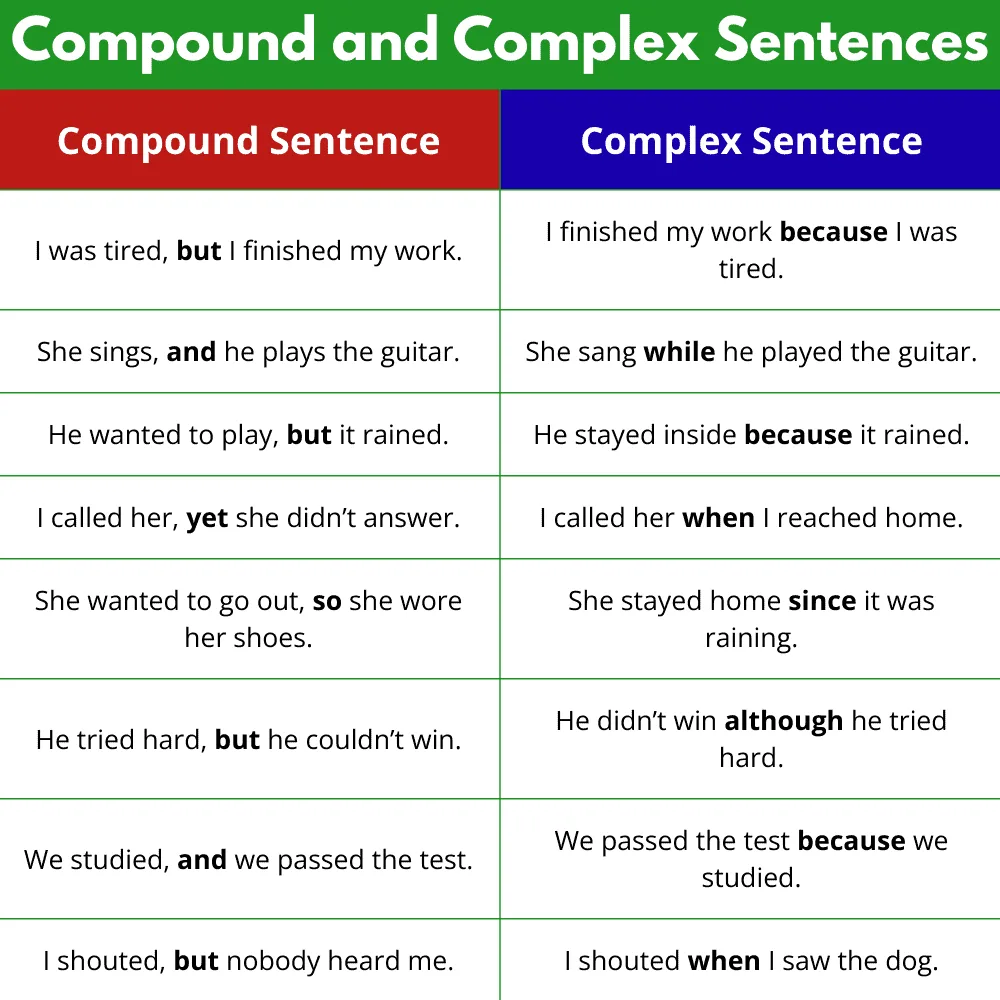
The difference between compound and complex sentences explained with examples, punctuation rules, and when to use each for clearer, stronger writing.
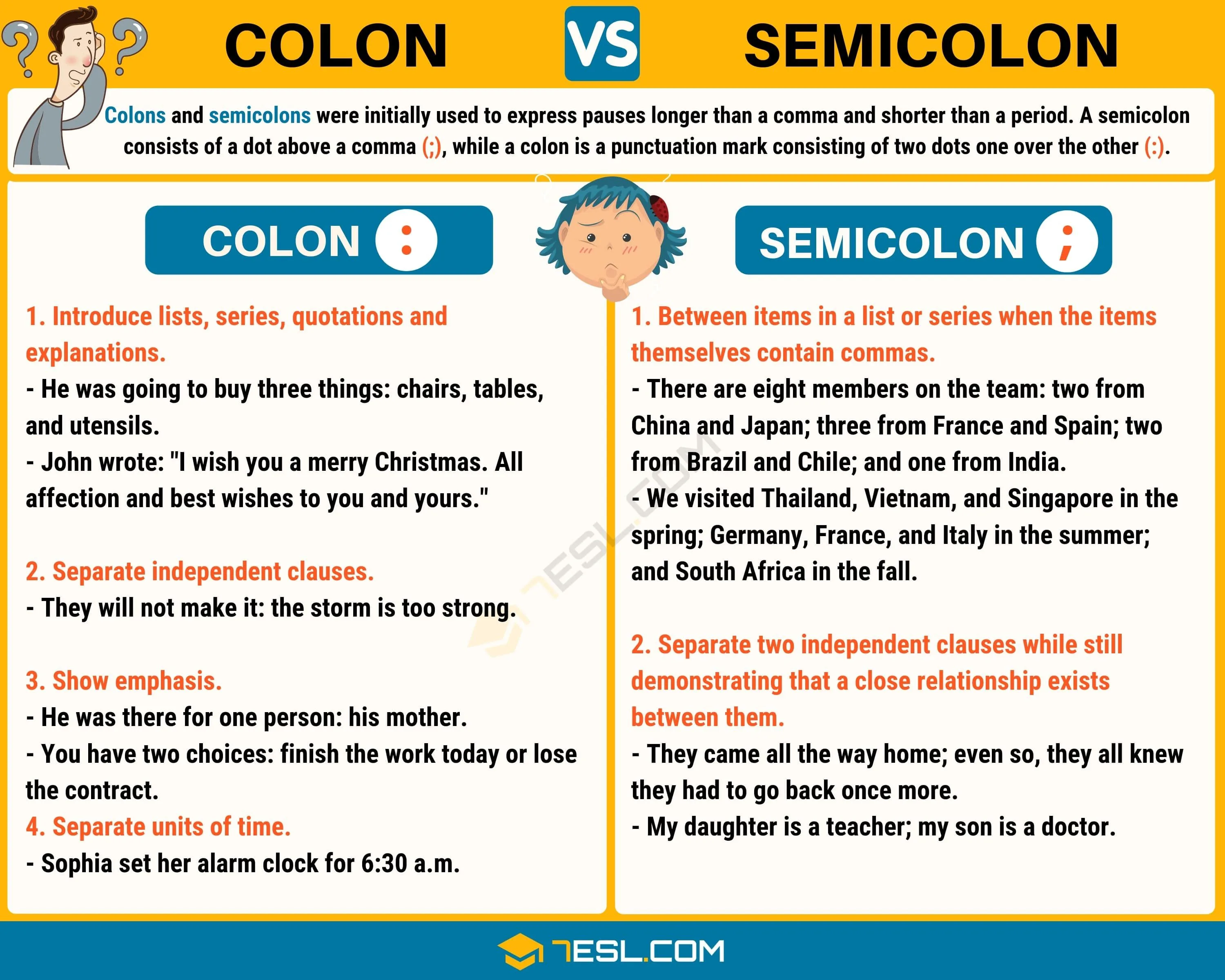
Master the semicolon with clear rules for joining independent clauses, separating complex lists, and using conjunctive adverbs, plus real examples.
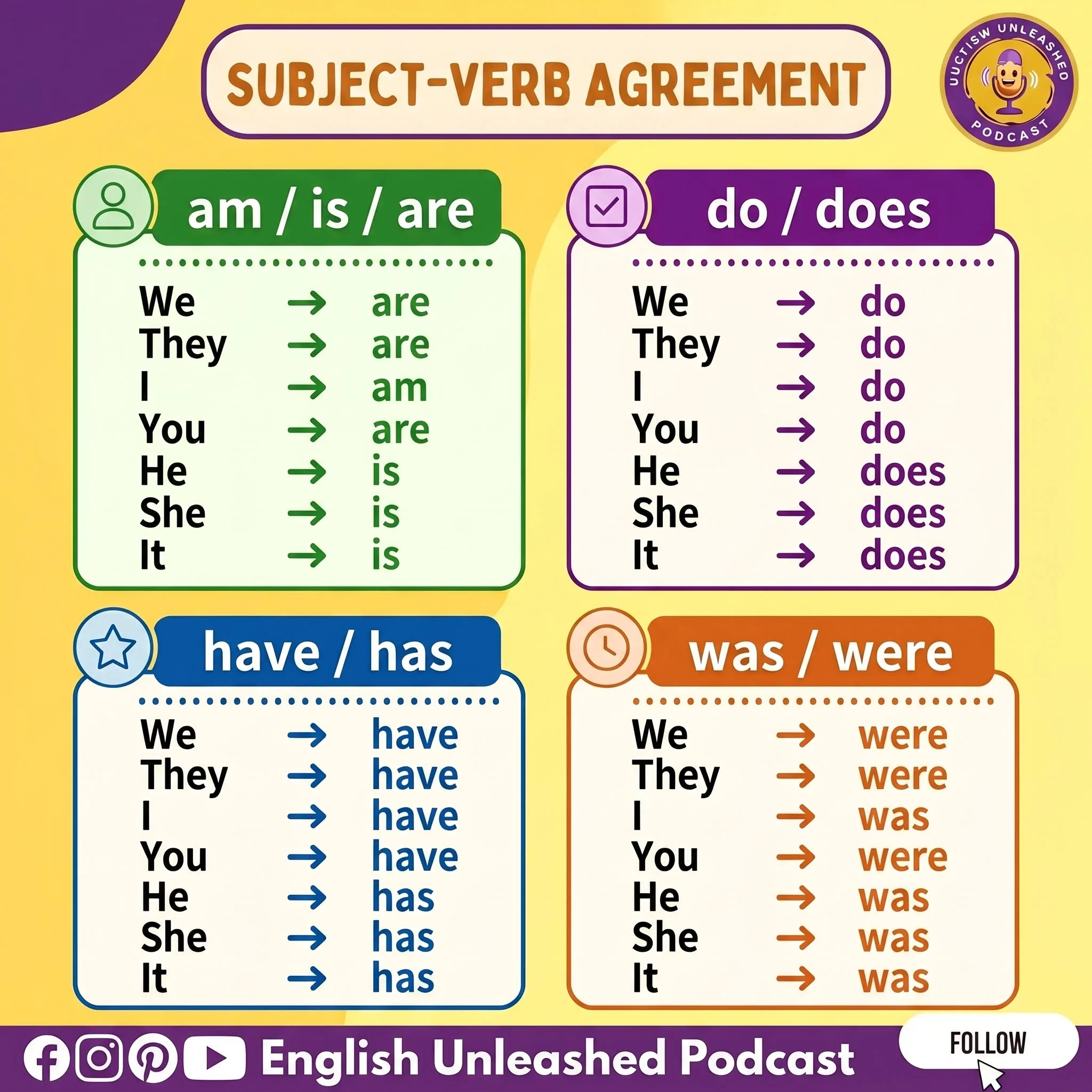
Complete guide to subject-verb agreement including compound subjects, collective nouns, indefinite pronouns, and the tricky edge cases everyone misses.
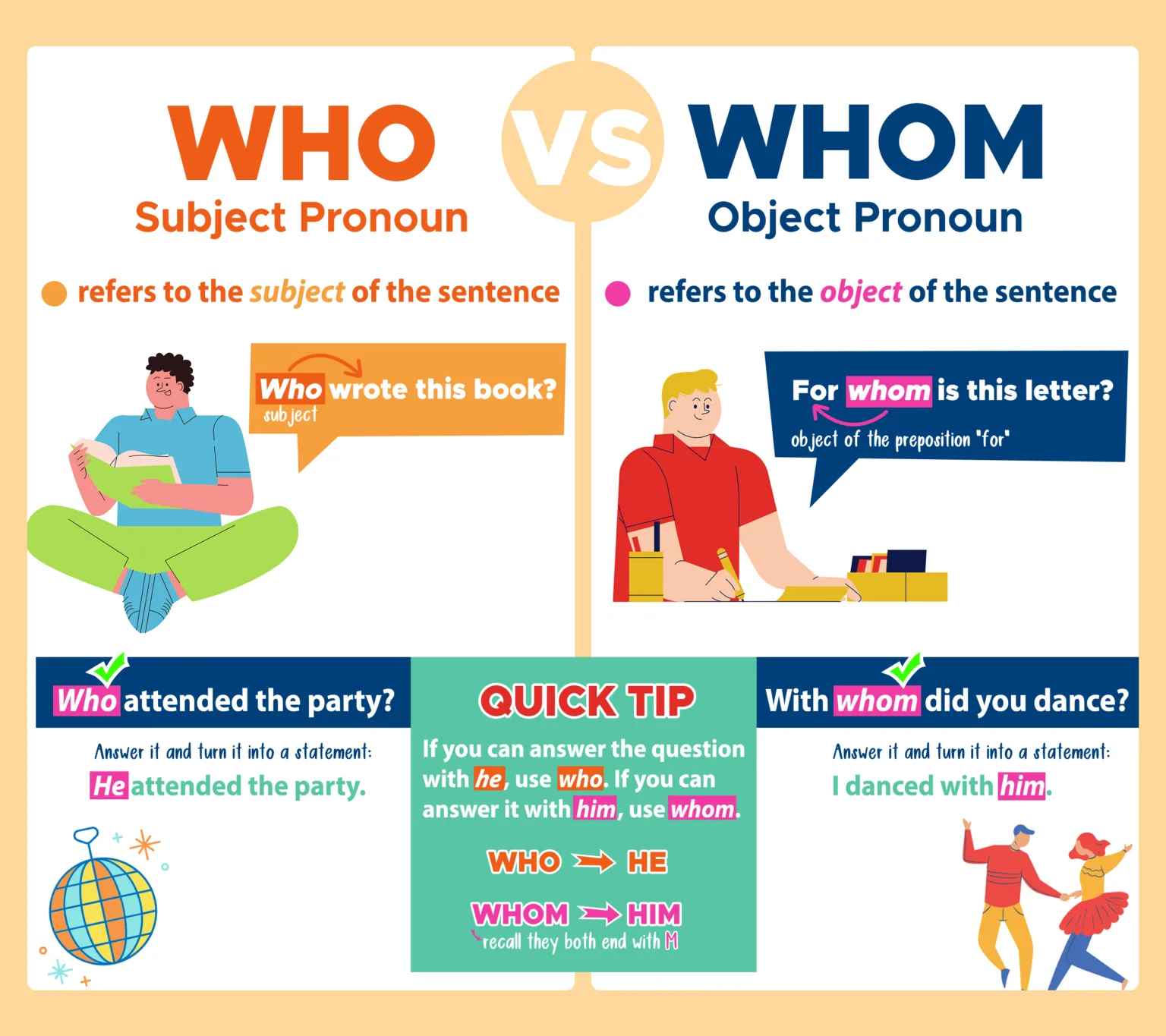
Master who vs whom with the he-or-him substitution test, embedded clause rules, and real examples from formal to casual writing.
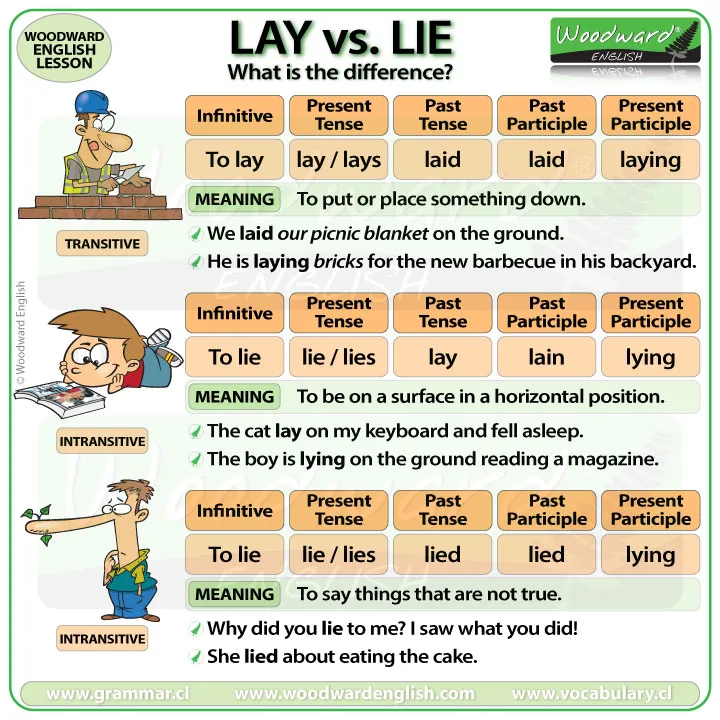
Master lay vs lie once and for all. The transitive-intransitive rule, every verb form, real examples, and the past tense trap that confuses everyone.
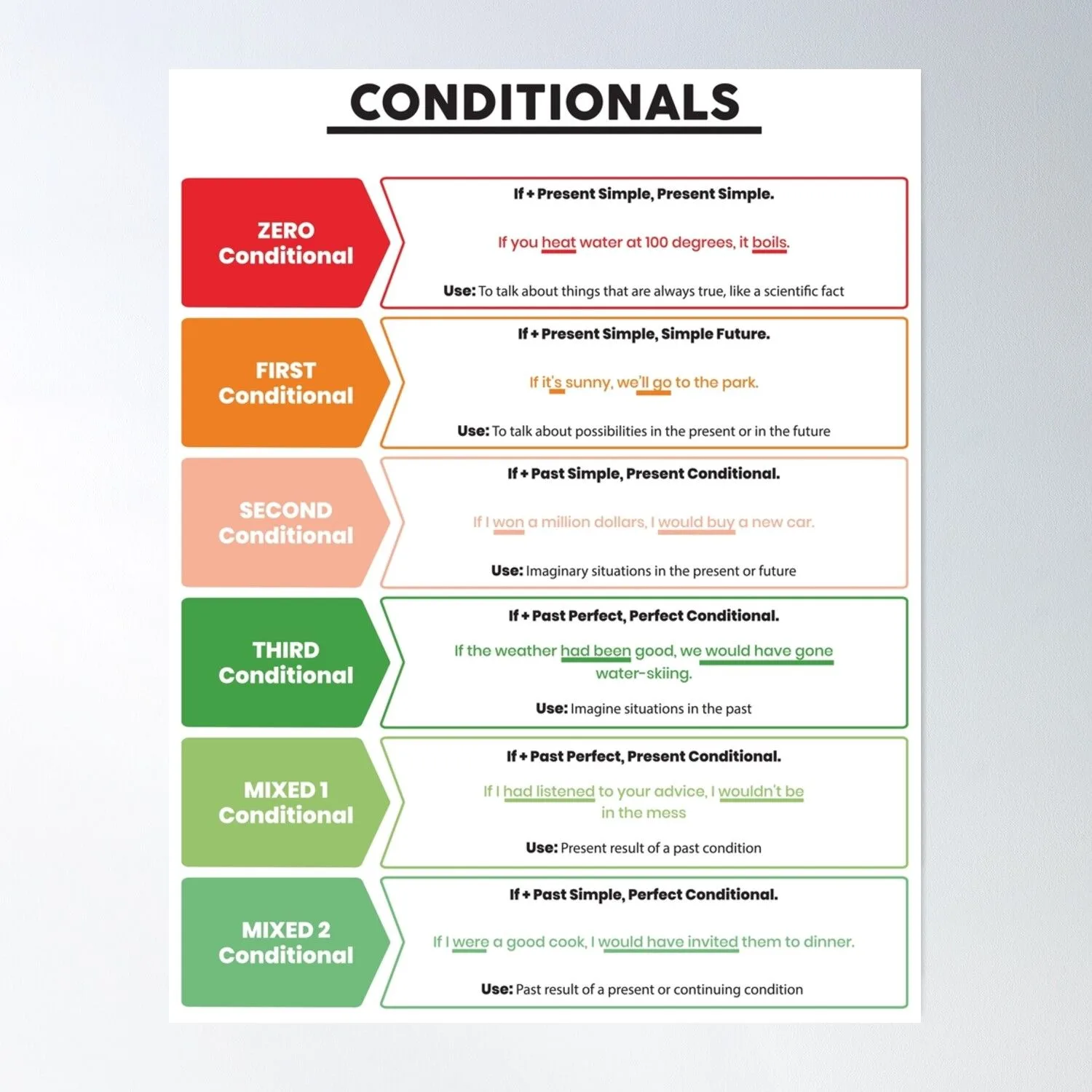
The fifteen grammar errors ESL learners make most often, why they happen, and the rules that fix them with side-by-side examples.

Complete Arabic body parts and medical vocabulary: head, limbs, internal organs, symptoms, doctor and hospital terms, medications, and pharmacy phrases.

Bengali dialect reference: Bangladesh vs West Bengal varieties, cholit vs shadhu bhasha, Sylheti and Chittagonian, Hindu and Muslim vocabulary.

Bengali body parts (matha, hat, pa, chokh, mukh), medical vocabulary (ḍakṭar, hashpatal, oshudh, jwôr), symptoms, pharmacy phrases, and emergency expressions.
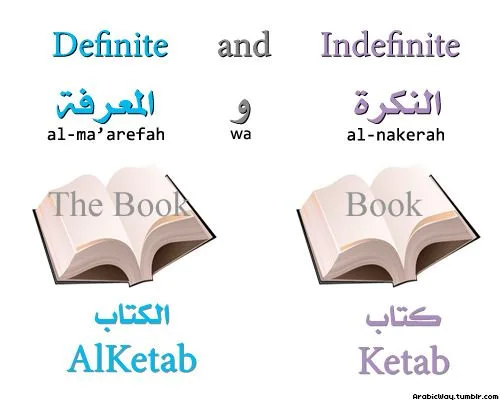
Complete reference for the Arabic definite article al-: 14 sun letters (assimilation) vs 14 moon letters (no assimilation), pronunciation rules, and usage.

Learn all 28 Arabic letters with all 4 positional forms, unique Arabic sounds (ayn, ha, emphatics), harakat short vowels, sun and moon letters, and reading practice.
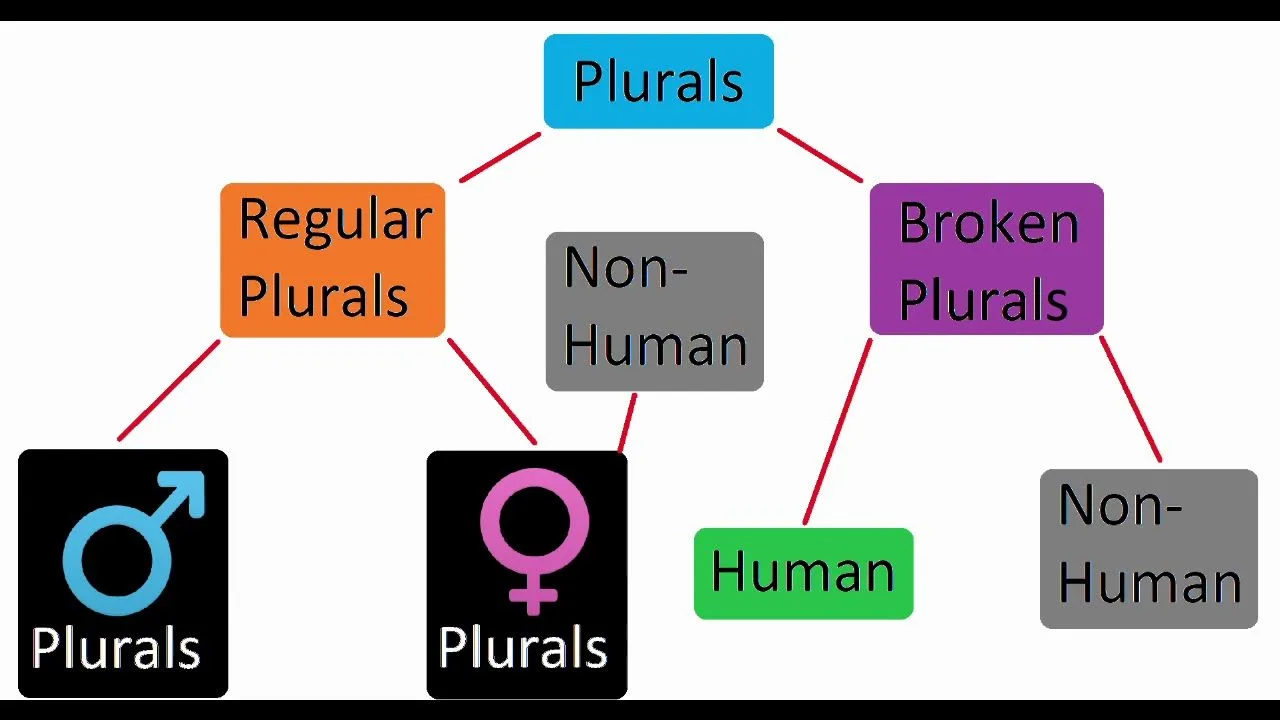
Complete reference for Arabic broken plurals (جمع التكسير): 30+ patterns including فُعُول، أَفْعَال، فِعَال، فُعَلَاء، with examples and rules for predicting plural shapes.

Complete reference for the Arabic iḍāfa construction: possession and 'of' relationships, muḍāf and muḍāf ilayh rules, case endings, and adjective placement.

Bengali colors (lal, nil, shôbuj, hôlud, kalo, shada) and descriptive adjectives without gender agreement, plus comparatives, definiteness, and cultural color meanings.

Essential Bengali phrases: Nomoshkar and Salam greetings, Ki khobor, Dhonnobad, directions, shopping, food vocabulary with script and transliteration.

Master Arabic grammar fundamentals: VSO word order, masculine and feminine gender, broken plurals, definite article al-, dual form, and the root system with 30+ examples.

Master Bengali honorifics: the three politeness levels tui, tumi, and apni with matching verb endings, when to use each, and cultural context.
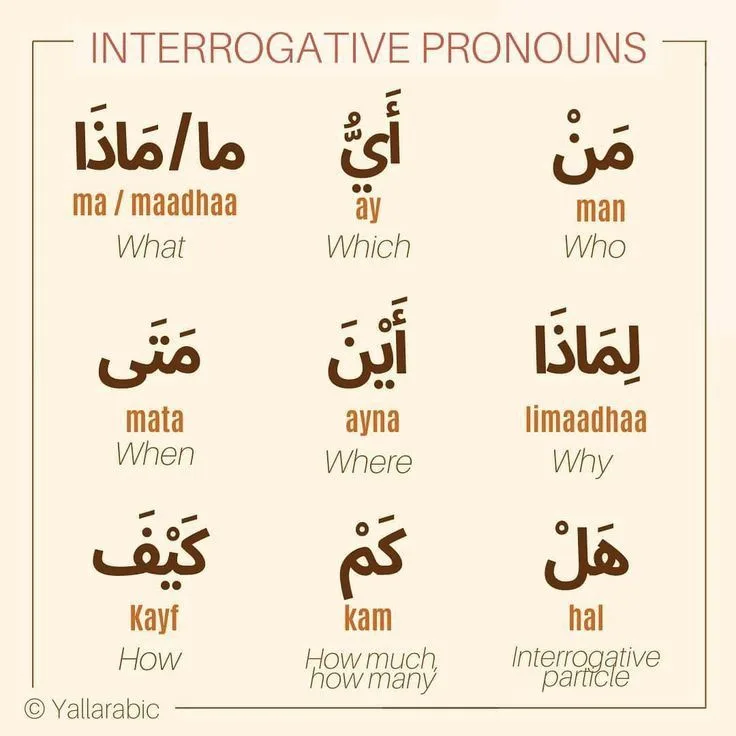
Complete Arabic pronoun reference: detached (انا, انت, هو) and attached (ـي, ـك, ـه) pronouns with full tables for verbs, nouns, prepositions, and reflexives.

Complete Arabic color and adjective reference: the afʿal/faʿlā' color pattern, common descriptive adjectives, and full agreement rules (gender, number, definiteness, case).
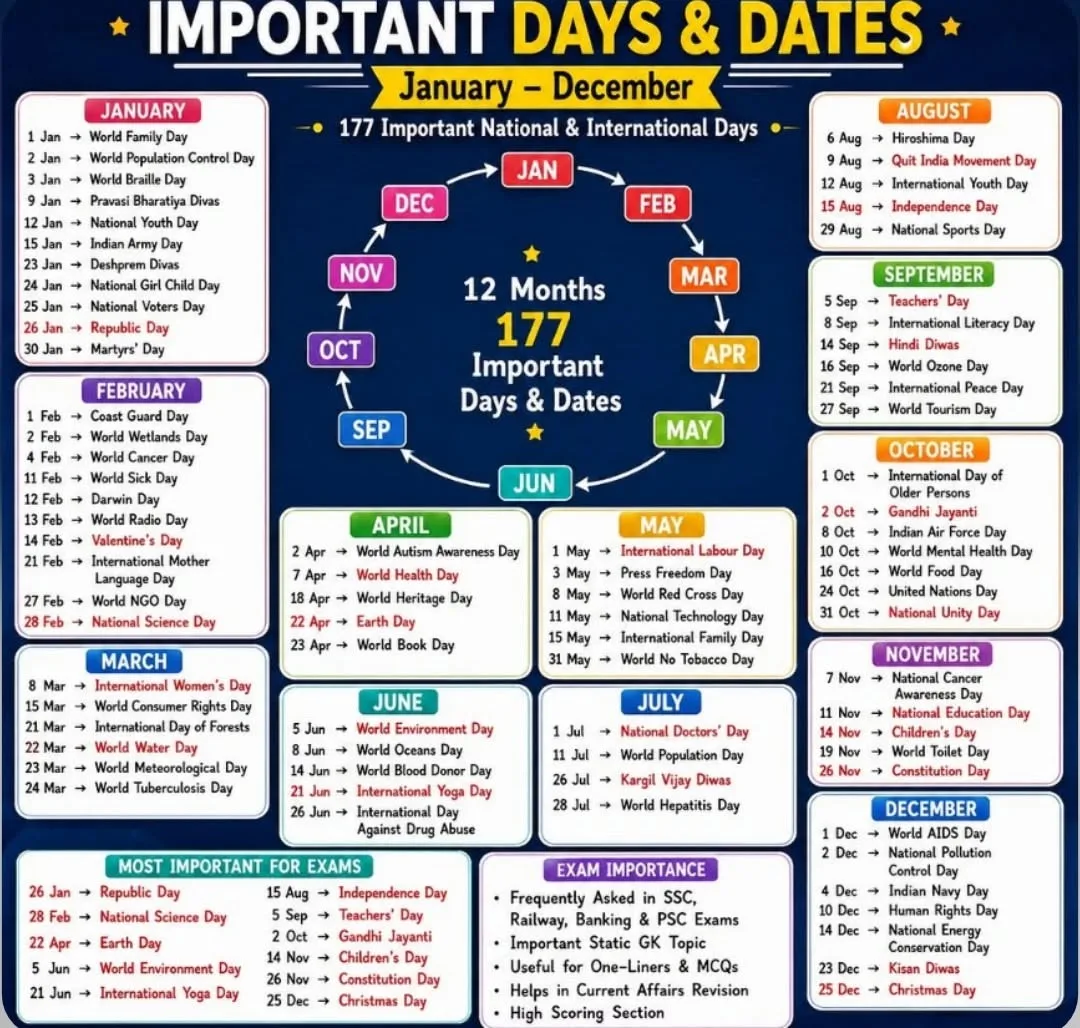
Bengali days of the week, Gregorian and traditional Bengali calendar months (Boishakh, Ashaṛh, Poush), Pohela Boishakh New Year, and time expressions including the kal puzzle.

Master Arabic numbers: Arabic-Indic numerals, number words 1-1000, the reverse gender agreement rule for 3-10, ordinal numbers, telling time - with Arabic script and transliteration.

Master Arabic pronunciation: emphatic consonants (sad, dad, ta, dha), pharyngeal ayn and ha, uvulars ghayn kha qaf, long and short vowels, shadda gemination - 30+ examples.

Over 100 essential Arabic phrases for daily conversation in Modern Standard Arabic with notes on Egyptian, Levantine, and Gulf dialect variations, transliteration, and usage.
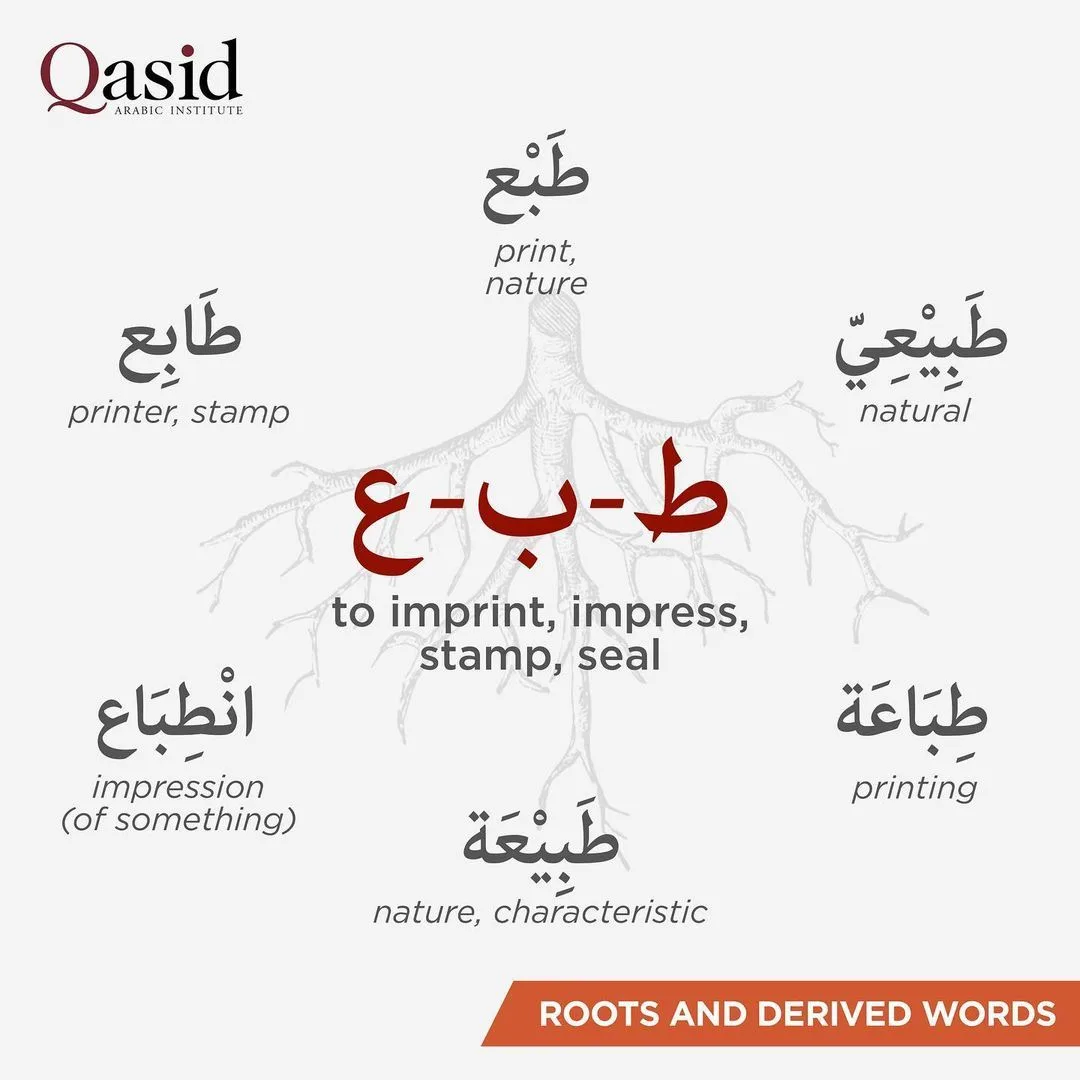
Complete reference to the Arabic root-pattern system: how trilateral roots generate families of words, k-t-b and s-l-m families, weak roots, and quadriliterals.

Complete Bengali numbers guide: 0 to 1000, Bengali numeral script, lakh and crore system, compound numbers, ordinals, and fractional expressions.

Complete Bengali kinship vocabulary: paternal vs maternal grandparents, uncles, aunts, cousins, in-laws (shwoshur, shashuri), with respect levels and forms of address.

Master Bengali postpositions: case suffixes te, er, ke, theke, diye placed after nouns, with comparison to English prepositions and full usage examples.

Complete Arabic time reference: days of the week (number-based), Islamic Hijri and Gregorian calendars, telling time, today/tomorrow/yesterday, and prayer time vocabulary.
Complete reference to the 10 Arabic verb forms (awzan): patterns, semantic shifts, past and present stems, verbal nouns, and examples for each form.
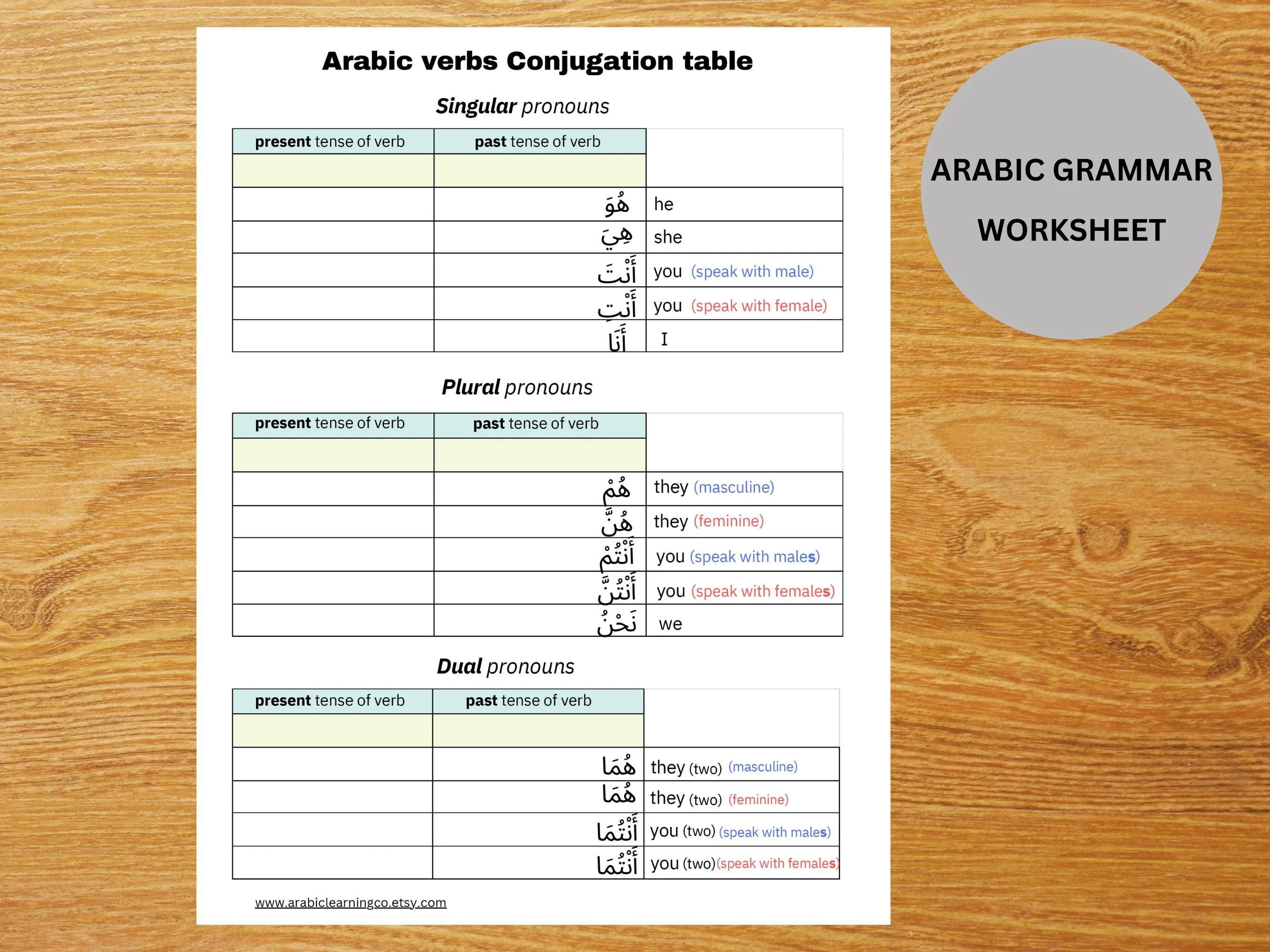
Learn Arabic verb conjugation: all 13 forms for past and present tense, root-and-pattern system, hollow and defective verbs, negation - with Arabic script and transliteration.

Comprehensive Bengali food vocabulary: rice, fish, lentils, sweets, restaurant phrases, cooking verbs, and West Bengal vs Bangladesh culinary differences.
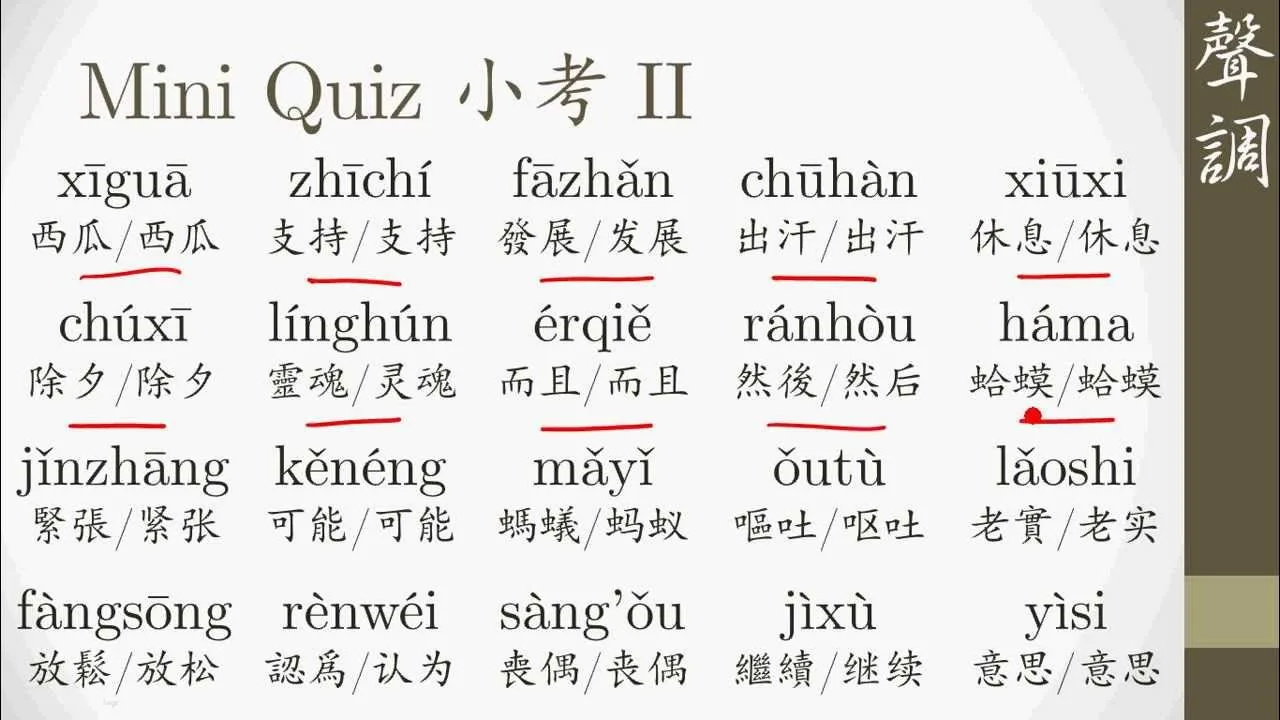
Complete reference to Mandarin tones: four main tones plus neutral, Chao pitch contours, tone sandhi rules (3+3, bu, yi), common mistakes, and tone pair drills.

Bengali poetic vocabulary including Rabindra Sangeet (Tagore's 2,232 songs), Nazrul Geeti, prem maya akash surjo, Vaishnava tradition, and the language of Bengali poetry.

Learn how Chinese characters are built from radicals. 30 essential radicals, 4 character types, stroke order rules, simplified vs traditional, and memorization tips.

Complete Arabic family vocabulary: immediate and extended kin, cousin distinctions (ابن عم vs ابن خال), in-laws, and the cultural logic of Arab kinship terms.

Complete Bengali pronoun reference: personal pronouns at three honorific levels, possessives, reflexives, demonstratives, and relative pronouns.

Master Bengali pronunciation: the inherent vowel ô, schwa deletion, retroflex vs dental consonants, aspiration, and the missing v and z sounds.

Complete Arabic food vocabulary: staple ingredients, meals, Middle Eastern dishes (hummus, falafel, kabsa, shawarma, mansaf), restaurant phrases, and halal terminology.

Master Mandarin Chinese grammar from scratch: SVO word order, no verb conjugations, no tenses, measure words, questions, and negation explained with 30+ examples.
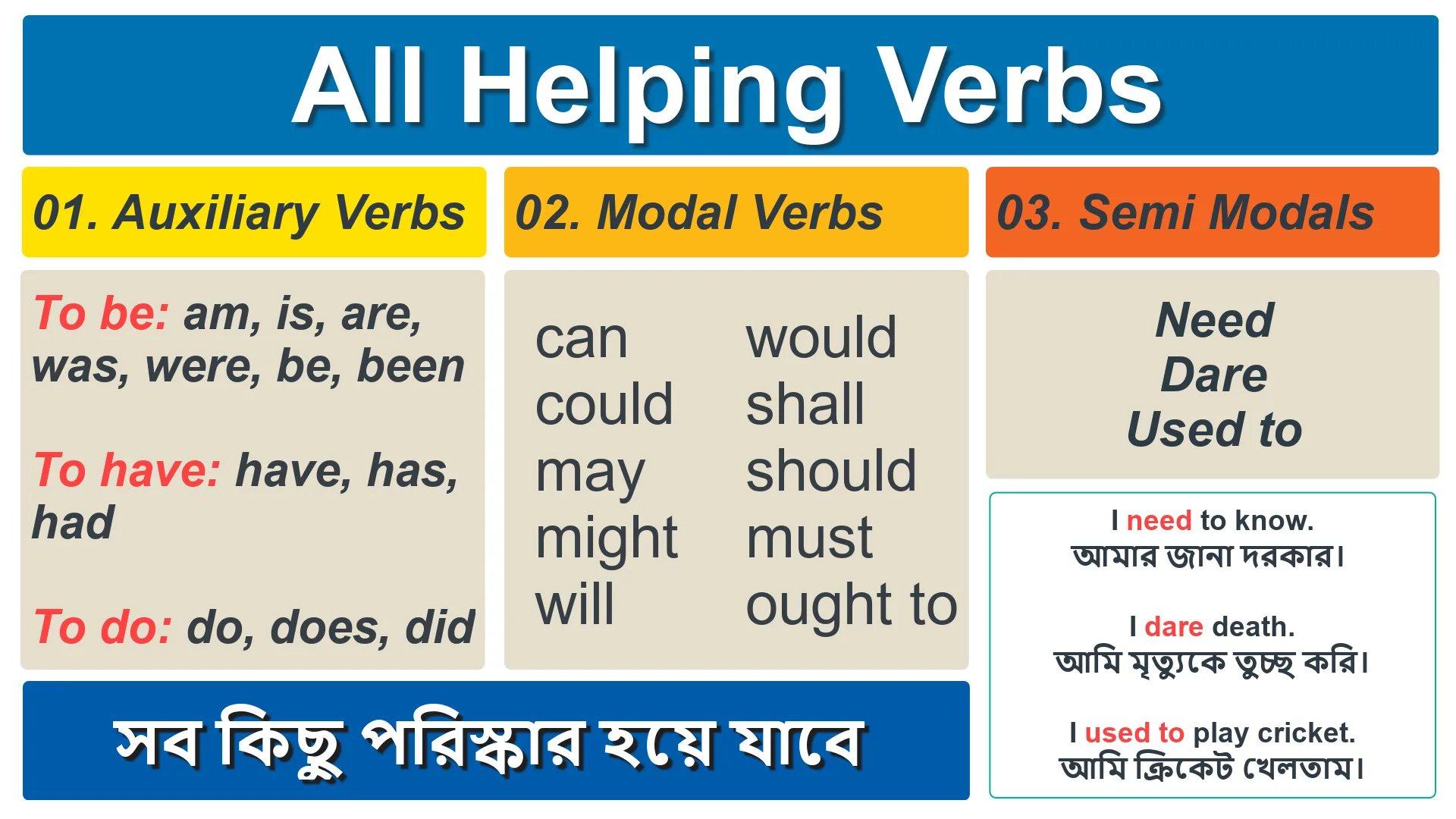
Bengali most common verbs (hôwa, kôra, jaowa, asha, khaowa, bôla, dêkha) with present, past, future conjugations across three honorific levels and sample sentences.

Complete HSK Level 1 vocabulary: 150 essential Chinese words organized by category (pronouns, numbers, family, verbs, adjectives) with pinyin and examples.

The 100 most common Arabic verbs organized by triliteral root: كان، قال، ذهب، جاء، رأى، أكل، شرب، كتب، قرأ and more, with past and present conjugation samples.

Master Chinese measure words (liangci): 40+ essential classifiers organized by category with examples, how to use them in sentences, common mistakes, and a full reference table.

Master the Bengali alphabet (Eastern Nagari) with all 11 vowels, 39 consonants, conjunct letters, matra rules, and distinctive features versus Devanagari.

Essential Bengali travel phrases for airports, hotels, rickshaws, Kolkata, Dhaka, Sundarbans tourism, and emergencies, with script and transliteration.
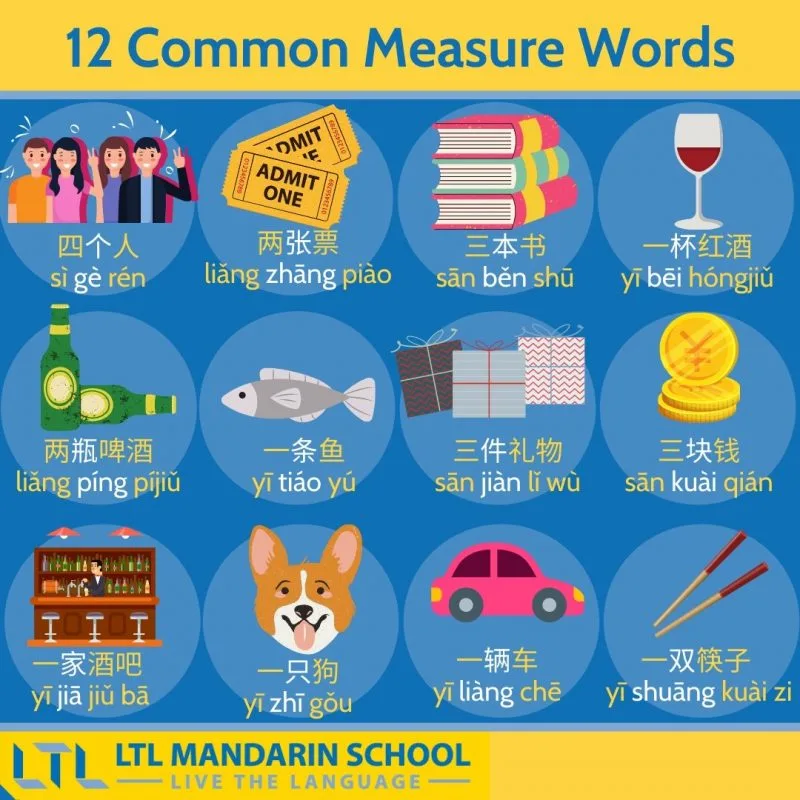
Complete reference to Chinese measure words (classifiers): 个, 只, 条, 张, 本, 把, 辆, 杯, 碗 and more organized by noun category with examples and grammar rules.

Bengali literature reference: Rabindranath Tagore's 1913 Nobel Prize, Bankim Chandra, Nazrul Islam, Rabindra sangeet vocabulary, and poetic tradition.

Essential Arabic travel phrases for tourists: airport, hotel, taxi, directions, signs, and regional dialect variations across Egyptian, Gulf, and Levantine Arabic.
Affect is most commonly used as a verb meaning to influence or produce a change in something. For example, "The weather will affect our travel plans." Effect is most commonly used as a noun meaning the result or outcome of a change. For example, "The effect of the new policy was immediate." A helpful mnemonic is to remember that Affect is the Action (both start with A), while Effect is the End result (both start with E).
There are exceptions: effect can be used as a verb meaning to bring about or cause, as in "The new manager effected significant changes in the department." Similarly, affect can be used as a noun in psychology to describe an observed emotional response. However, these uses are rare in everyday writing.
In professional and academic contexts, sticking with affect as a verb and effect as a noun will be correct in the vast majority of cases. When proofreading, try substituting the word with "influence" for affect or "result" for effect to see which fits the sentence.
A semicolon has two primary uses in English writing. First, it connects two closely related independent clauses that could each stand alone as complete sentences. For example: "The report was thorough; it covered every department in detail." Both halves are complete sentences, but the semicolon signals that the ideas are closely connected. Using a period would be grammatically correct but would lose that sense of connection. Using a comma would create a comma splice, which is a grammatical error.
Second, semicolons separate items in a list when the items themselves contain commas. For example: "The conference attracted attendees from London, England; Paris, France; and Tokyo, Japan." Without semicolons, this sentence would be confusing because readers could not tell where one list item ends and the next begins.
Avoid using semicolons before conjunctions like and, but, or or - use a comma instead. Do not use a semicolon to introduce a list; use a colon for that purpose. Also avoid overusing semicolons in your writing. One or two per page is typically sufficient. If you find yourself using more, consider restructuring your sentences.
In active voice, the subject of the sentence performs the action. In passive voice, the subject receives the action. For example, active voice: "The manager approved the proposal." Passive voice: "The proposal was approved by the manager." Active voice is generally preferred in professional and academic writing because it is more direct, concise, and easier to read. It makes clear who is responsible for the action, which is especially important in business communication.
However, passive voice is appropriate in certain situations. Use it when the actor is unknown ("The window was broken overnight"), when the actor is less important than the action ("The data was collected over six months"), or when you want to be deliberately diplomatic ("Mistakes were made"). Scientific writing frequently uses passive voice to emphasize methods and results over researchers.
To identify passive voice in your writing, look for forms of "to be" (is, was, were, been, being) followed by a past participle. Then ask whether the subject is performing or receiving the action. Most style guides recommend using active voice for at least 80 percent of your sentences.
The most common grammar mistakes in professional emails include confusing homophones such as their/there/they're, your/you're, and its/it's. These errors are particularly damaging because they suggest carelessness to the reader. Subject-verb agreement errors are also frequent, especially in long sentences where the subject and verb are separated by several words. For example, "The list of recommendations were approved" should be "was approved" because the subject is "list," not "recommendations."
Dangling modifiers create confusion when the modifier does not clearly refer to the intended word. "After reviewing the report, changes were made" implies the changes reviewed the report. The correct version is "After reviewing the report, the team made changes." Run-on sentences and comma splices are common when writers join independent clauses with only a comma or no punctuation at all.
Misusing apostrophes, particularly adding them to plural nouns (employee's instead of employees) or omitting them from possessives, is another frequent error. Inconsistent tense shifting within a paragraph, incorrect use of who versus whom, and misplacing "only" in a sentence round out the most frequent mistakes. Proofreading your emails before sending, reading them aloud, or using a grammar-checking tool can catch most of these issues.
The comma before "and" in a list of three or more items is called the Oxford comma or serial comma. For example: "We need pens, paper, and notebooks." Whether to use it is one of the most debated punctuation questions in English.
The Oxford comma is required by some style guides (APA, Chicago Manual of Style) and discouraged by others (AP Style). Regardless of which style you follow, consistency is essential - pick one approach and stick with it throughout your document.
The strongest argument for the Oxford comma is clarity. Consider this dedication: "To my parents, Ayn Rand and God." Without the Oxford comma, it reads as though the writer's parents are Ayn Rand and God. With the comma - "To my parents, Ayn Rand, and God" - the meaning is clear. In professional and academic writing, the Oxford comma is generally recommended because it prevents ambiguity.
Beyond lists, you should always use a comma before "and" when it joins two independent clauses: "The report is finished, and the team is ready to present." You do not need a comma before "and" when it joins only two items ("pens and notebooks") or when it joins a dependent clause to the main clause. In contracts and legal documents, always use the Oxford comma to prevent costly misinterpretation.