

emails
How to Write an Invoice Reminder Email
Write invoice reminder emails that get paid without harming the relationship: the right structure, how tone should escalate, and the details that decide payment.
Expert guides for writing business proposals, reports, meeting minutes, performance reviews, professional bios, and standard operating procedures that deliver results.
Every business document you produce reflects your professionalism, your attention to detail, and your ability to think clearly. Whether you are drafting a proposal that could win a six-figure contract, writing meeting minutes that keep an entire department accountable, or crafting a performance review that shapes someone's career trajectory, the quality of your writing directly affects the outcome.
This collection provides expert-written, field-tested business writing guides covering the full range of professional documents. Each guide walks you through structure, tone, formatting, and common pitfalls so you can produce polished documents with confidence, regardless of your starting skill level.
What you will find: Business proposals, executive summaries, meeting minutes, performance reviews, professional bios, standard operating procedures, memos, reports, business plans, and dozens more - all written by experienced business communication professionals and grounded in real-world workplace standards.
Business and project proposal templates with writing guides
7 articlesBusiness report templates, executive summaries, and status updates
11 articlesMeeting docs: minutes, agendas, and meeting summary templates
3 articlesPerformance review phrases, templates, and writing guides
2 articlesLinkedIn summaries, professional bios, and about page examples
2 articlesBusiness plan outlines, templates, and step-by-step guides
2 articlesPress release templates and format guides
2 articlesStandard operating procedure templates and writing guides
3 articlesBusiness memo format, templates, and examples
3 articlesOut of office messages, voicemail greetings, and auto-replies
3 articlesHow to write business case studies and customer success stories
1 articlesSubject lines and email writing guides for the workplace
5 articles Write invoice reminder emails that get paid without harming the relationship: the right structure, how tone should escalate, and the details that decide payment.

Write a project kickoff email that holds up later: who to include, scope and success criteria in writing, naming the decision maker, cadence and change control.

How to write a price increase letter clients accept: how much notice to give, justifying without apologising, grandfathering old rates and handling pushback.

How to ask for a deadline extension by email: when to send it, naming a specific new date, what to include, and how it changes when the delay is your fault.

Write analytical reports that get acted on. Learn the structure, how to link findings to recommendations, and how to interpret evidence for busy decision makers.

Learn to write a clear root cause analysis report: the right structure, the five whys technique, actionable recommendations, and a focus on causes not blame.

Write a value proposition that wins proposals. Learn its four components, how to make benefits concrete, where to place it, and the mistakes that lose readers.

Write a proposal cover letter that earns attention: lead with the client's problem, use a proven structure, build trust, and end with a clear next step.

Write professional email subject lines that earn the open: be specific, state the action or value, keep it short, front-load key words, and match tone.
Practical guide to writing SOPs people actually use: structure, templates, language patterns, visual elements, and version control practices.
Write executive summaries that stand alone: five-part structure, templates for strategy papers, reports, and proposals, with specific language patterns.

Seven-part structure for business proposals that win: executive summary, problem statement, scope, pricing, timeline, and proof templates.
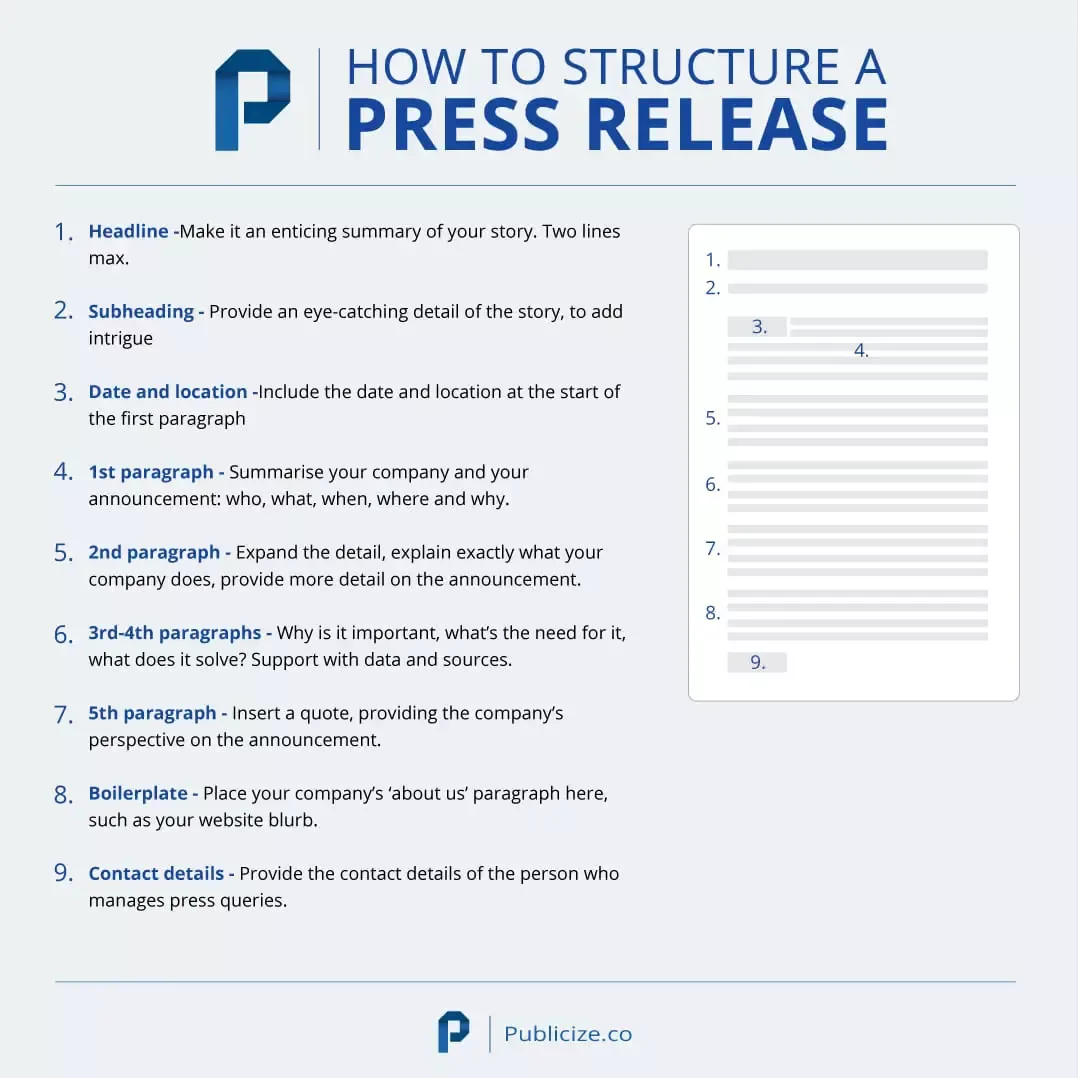
Complete guide to press release format: dateline, headline, lead, quotes, boilerplate, templates by news category, and distribution timing.

Templates and specific language patterns for performance review comments that give employees actionable direction, covering high, solid, and under-performer cases.

Templates and discipline for meeting minutes that get read: structure, action items, attribution conventions, and storage practices.
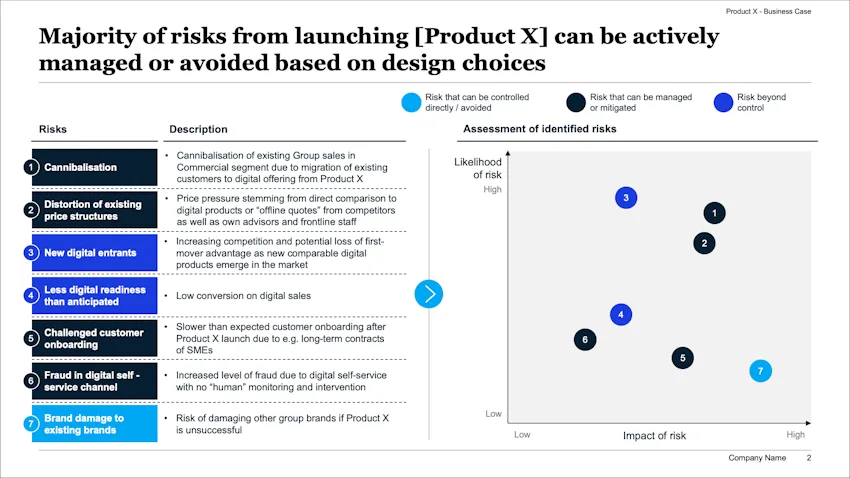
Step-by-step guide to writing business case studies that sell: structure, interview scripts, metric framing, templates, and common failure modes.
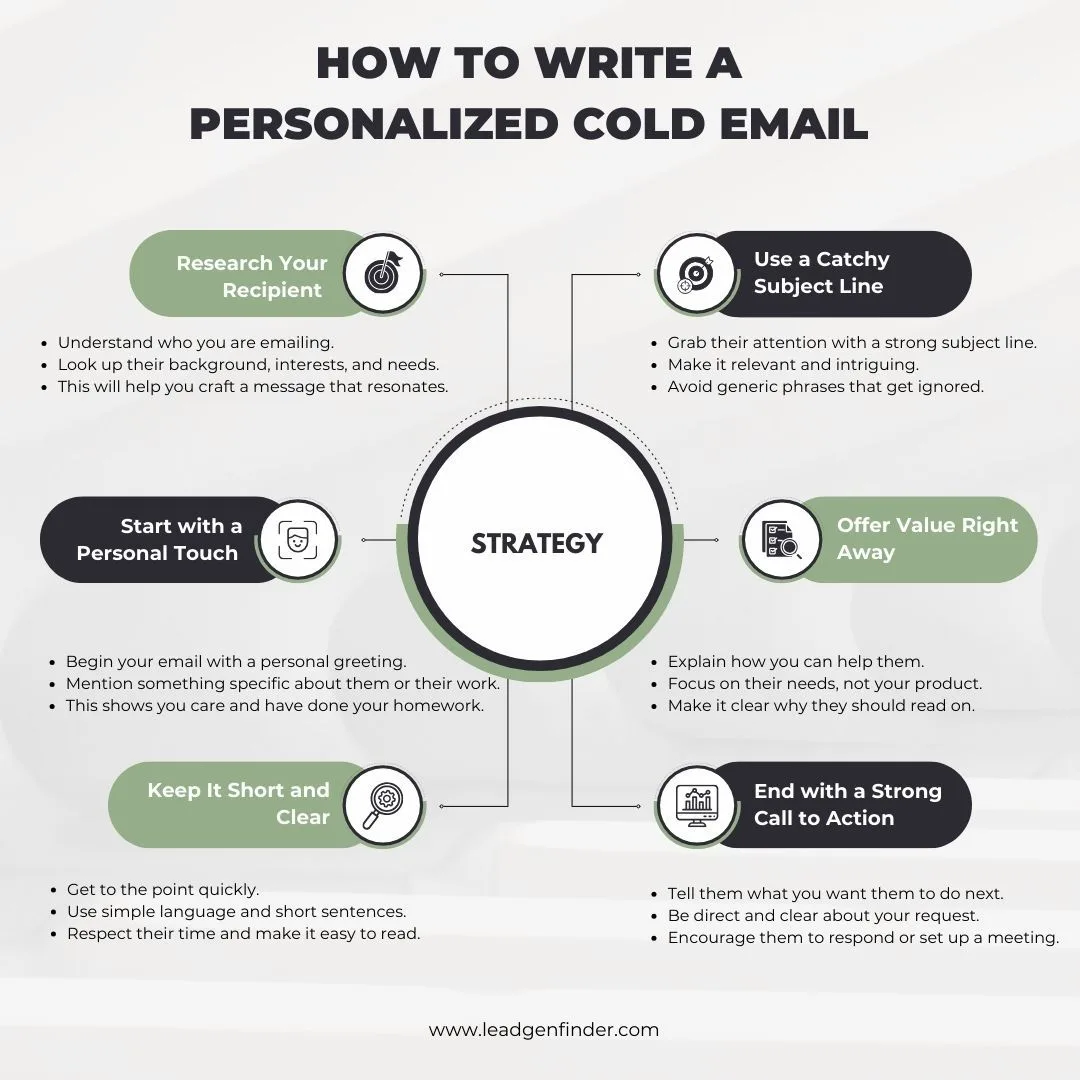
Company announcement email templates for positive, neutral, and difficult news with five-part framework, tone calibration, and rollout sequence guidance.
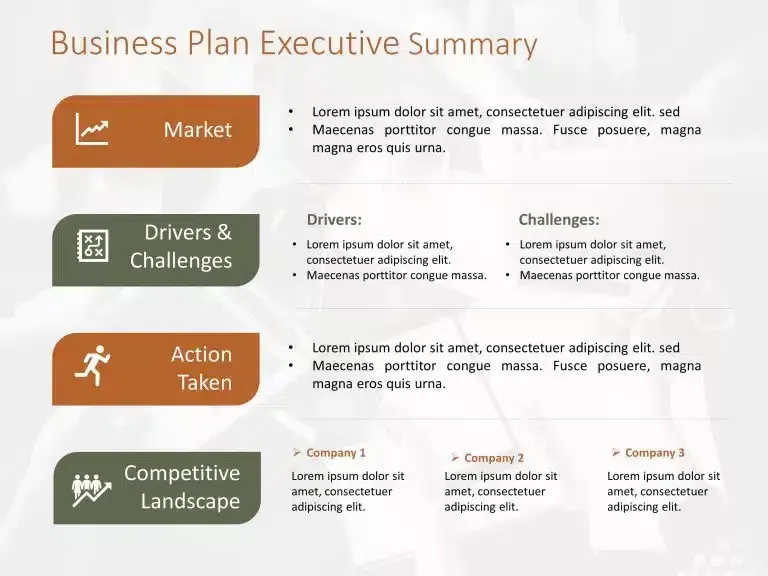
Expert-written executive summary examples and templates for business plans. Includes SaaS, retail, restaurant, nonprofit, and service business samples.
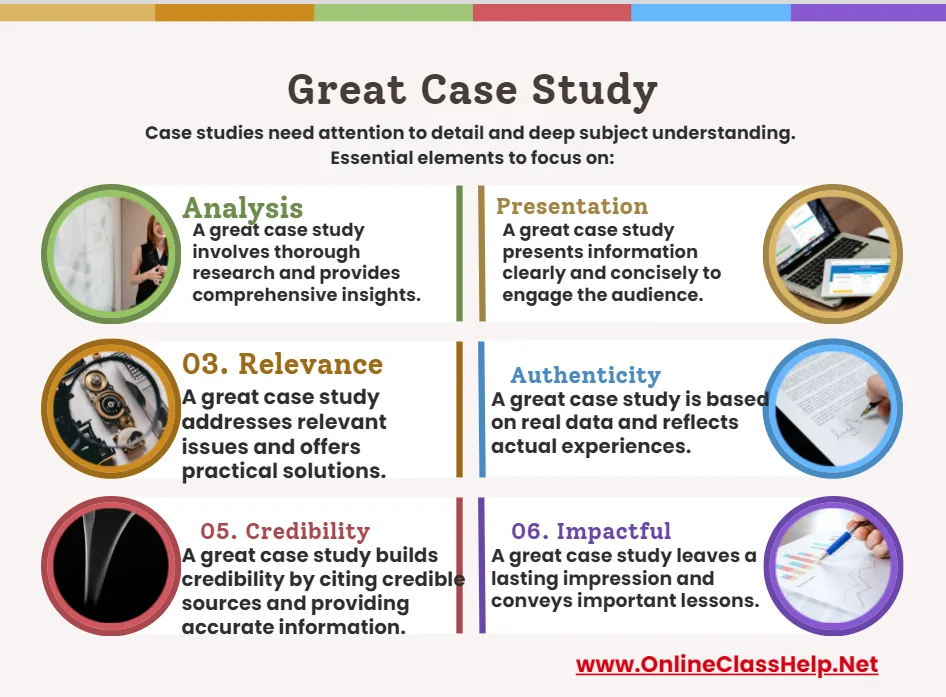
Customer case study templates with five-part framework, interview process, quote-gathering techniques, and distribution guidance for B2B marketing teams.
Expert-written guide to taking effective meeting notes. Includes templates, frameworks like Cornell and AWARE, shorthand techniques, and digital tools.

Complete guide to writing business memos with 8+ templates for policy updates, announcements, requests, and informational memos. Format examples included.

Expert-written out of office message templates for vacation, conference, medical leave, maternity, holidays, and short trips. 15+ professional examples.
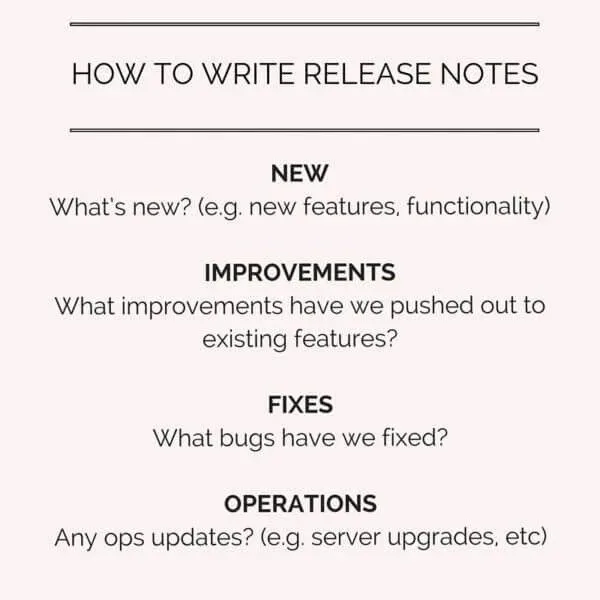
Release note templates for product, API, and developer updates with four-part framework, category discipline, and breaking-change communication patterns.
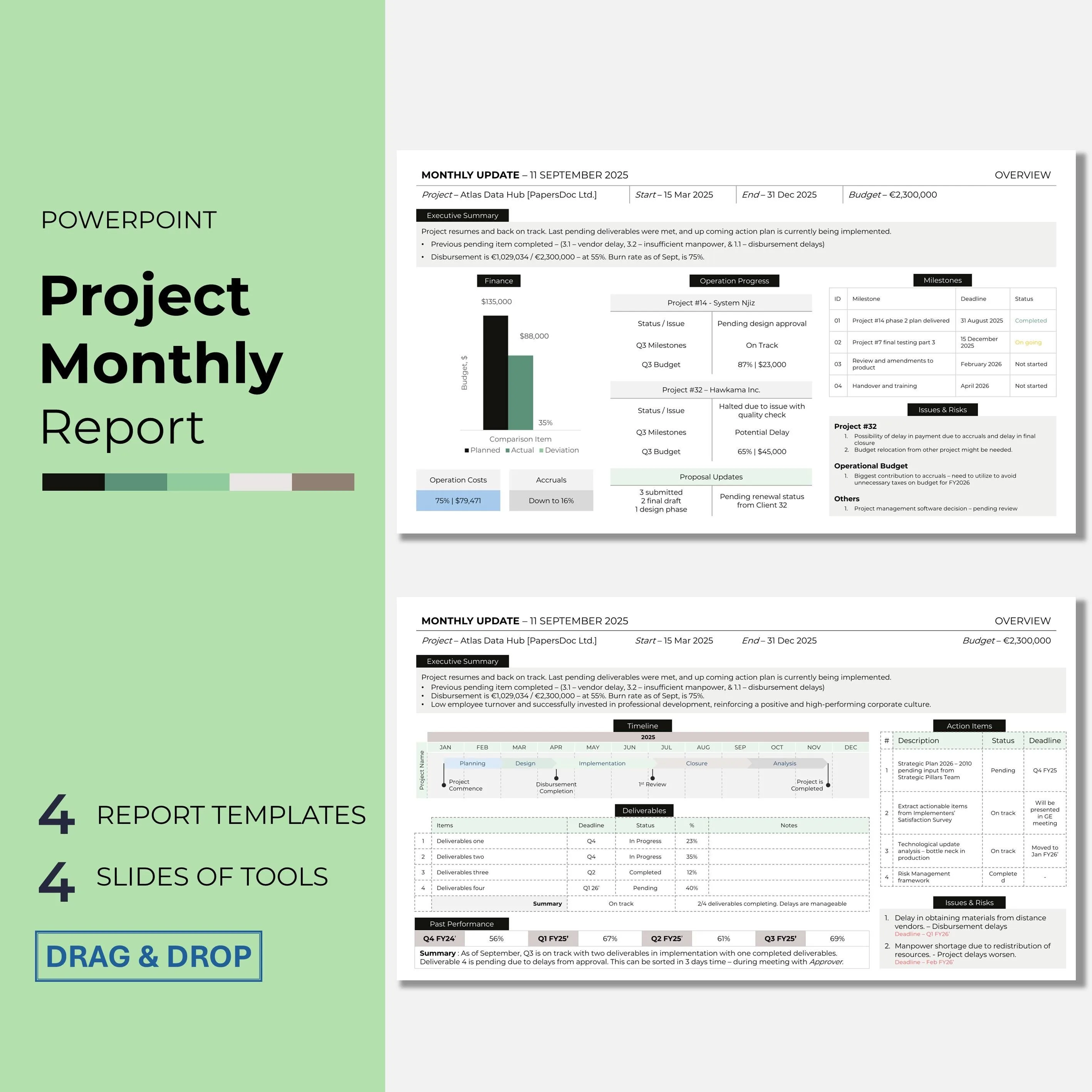
Executive status report templates with three-section framework, status label discipline, and language patterns that respect executive time and produce decisions.
Expert-written guide to writing SOPs with 6+ templates in ISO, simple, checklist, and flowchart formats. Includes examples and best practices for operations.
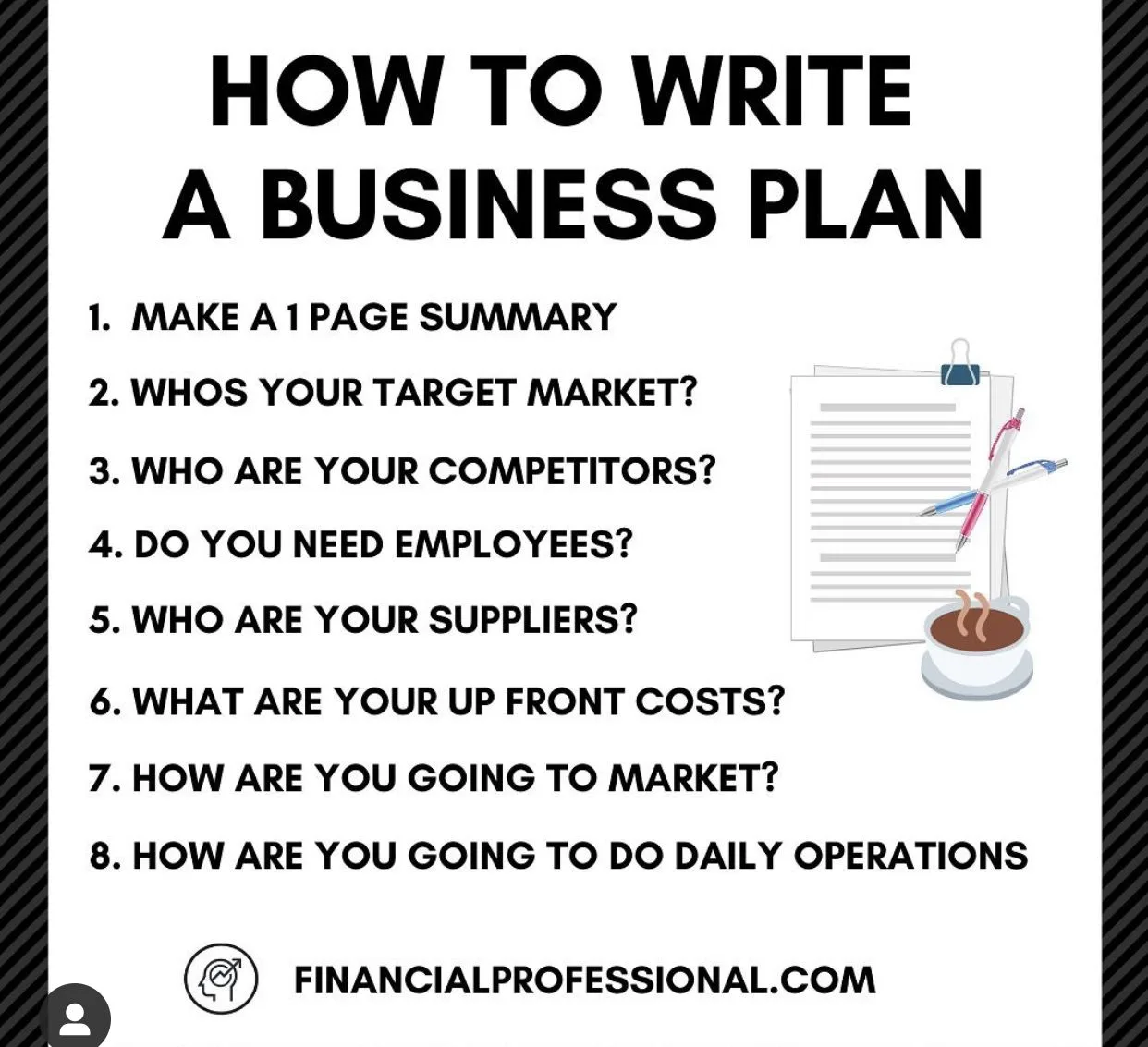
Complete business plan outline with templates for every section. Includes executive summary, market analysis, financial projections, lean canvas, and examples.
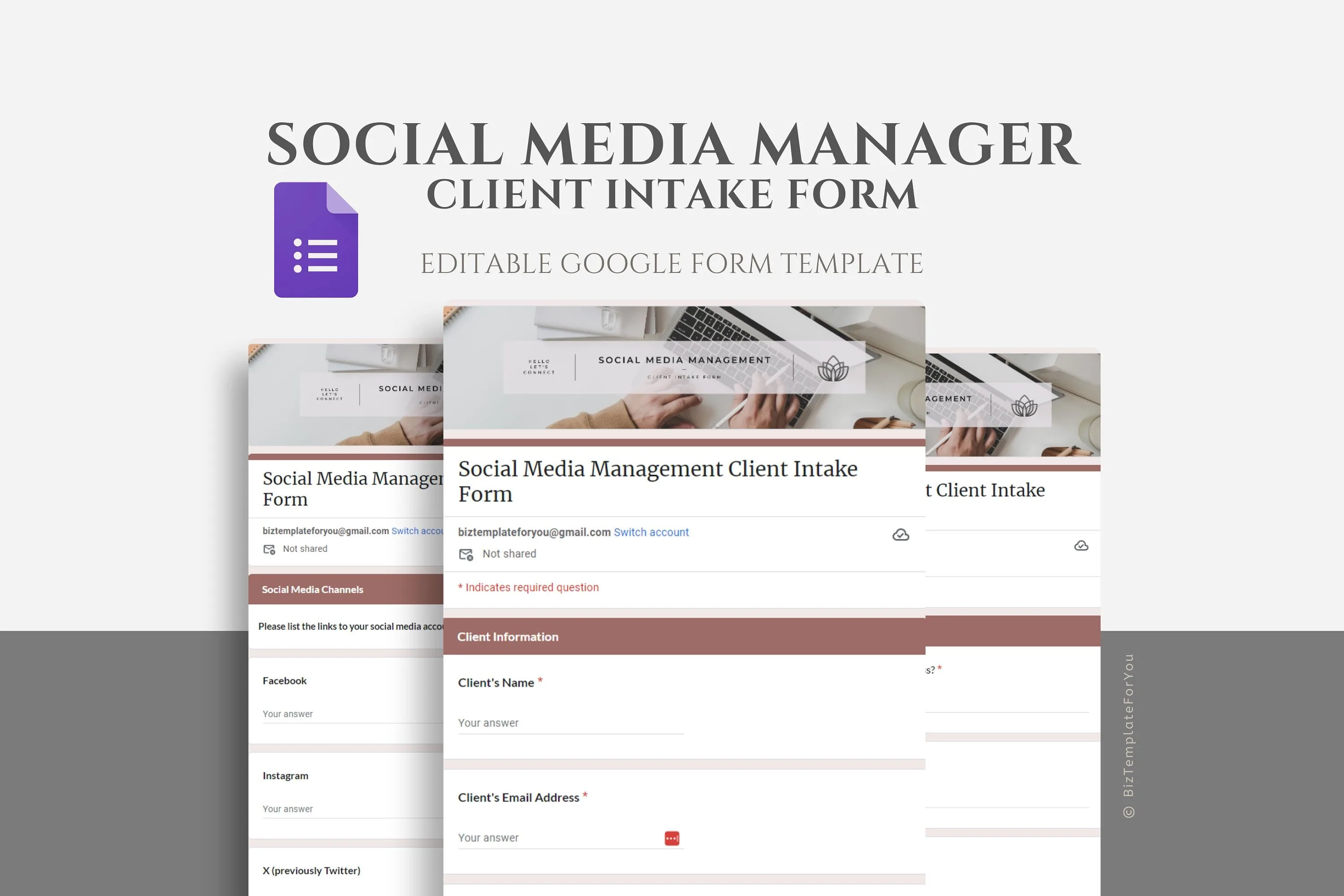
Professional meeting minutes templates with format guide. Includes examples for board meetings, team standups, and client meetings with action item tracking.

Write business memos that drive decisions. BLUF structure, real templates, memo length by audience, and examples from operations, finance, legal, and HR.
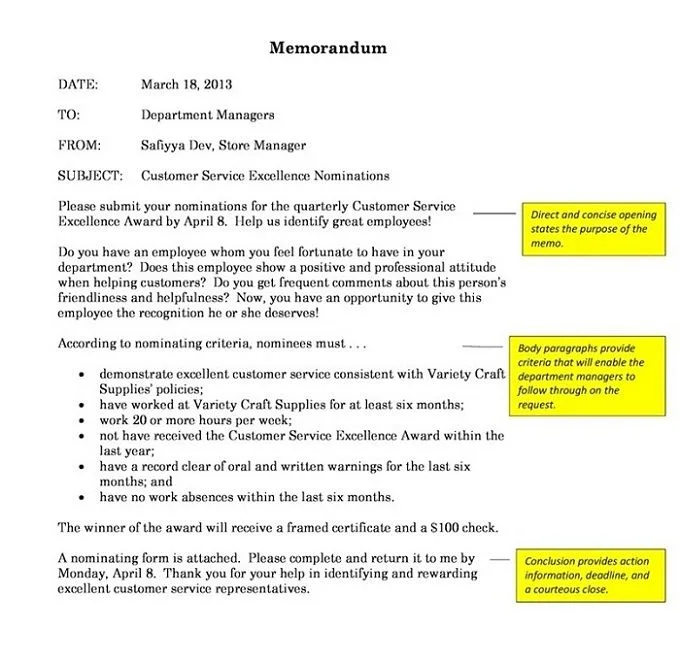
Learn the proper memo format with templates and examples. Complete guide to writing business memos for policy changes, project updates, budget requests, and more.

20+ professional out of office message templates for vacation, sick leave, parental leave, conferences, and more. Setup guides for Outlook and Gmail included.
Professional voicemail greeting scripts for every situation. Includes examples for business, out of office, holiday, medical, legal, real estate, and executive roles.
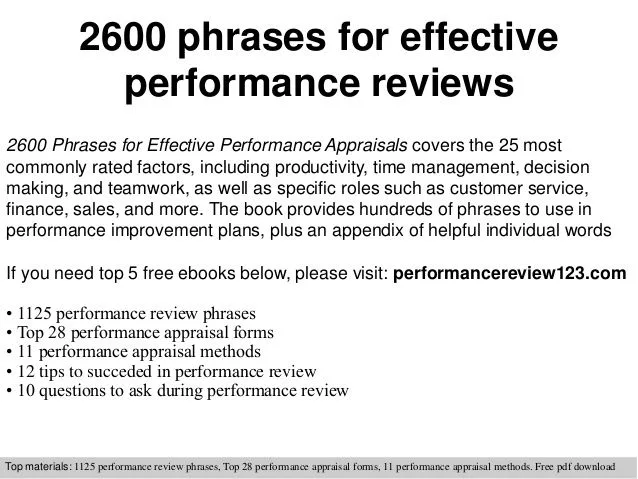
200+ performance review phrases organized by category and rating level. Includes examples for communication, leadership, teamwork, and self-evaluation phrases.

Professional press release template with AP style formatting. Includes examples for product launches, events, partnerships, awards, and distribution tips.
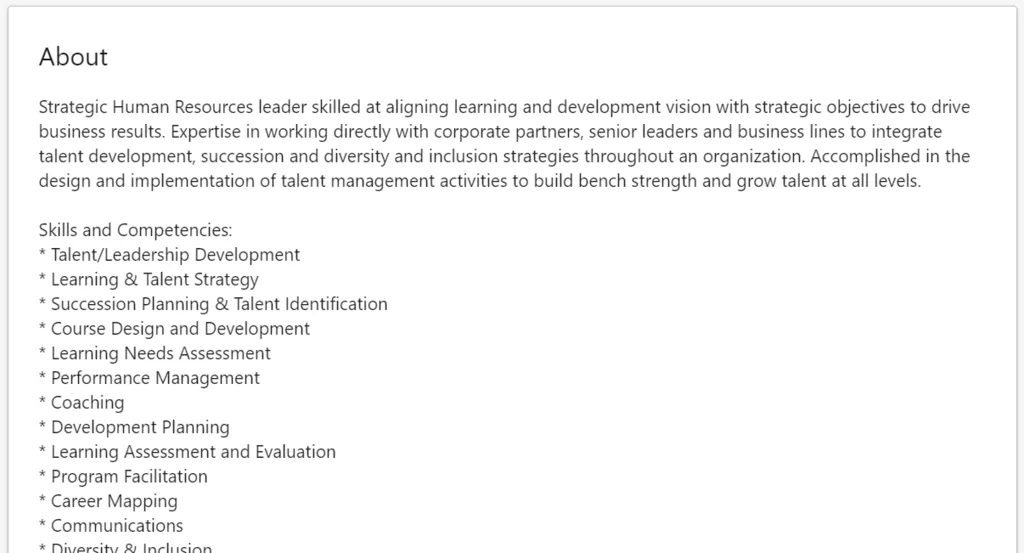
10+ LinkedIn summary examples by role with proven formulas that attract recruiters. Includes ATS keywords, character limits, and common mistakes to avoid.
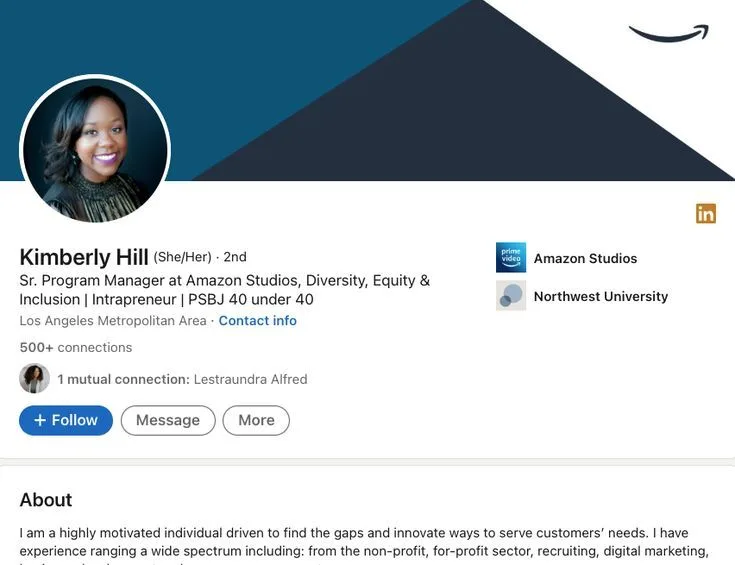
Expert-curated professional bio examples for LinkedIn, conferences, websites, and social media. Templates for every career stage and format length.
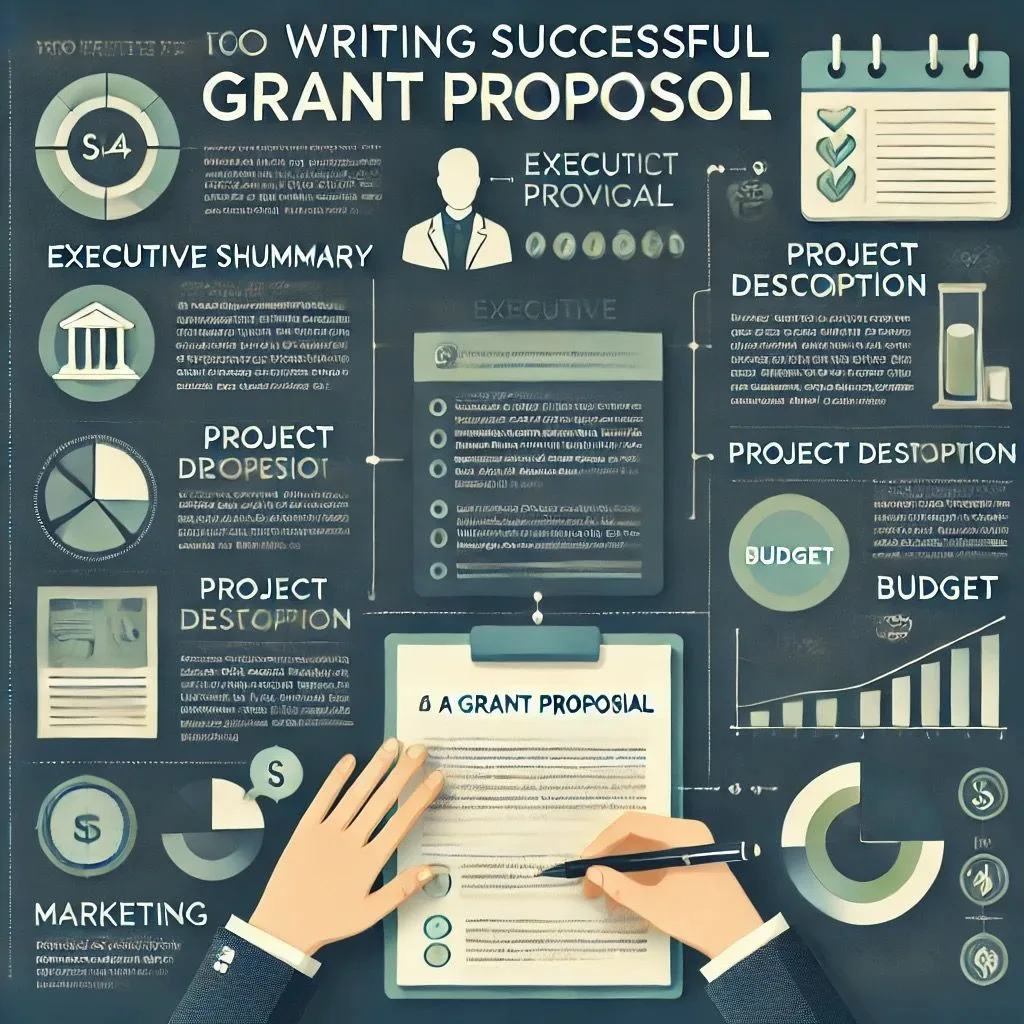
Grant proposal writing guide with the structure funders read first. Needs statement, logic models, budget narratives, and examples from NIH, NSF, and private foundations.

Complete business proposal writing guide covering 8-section structure, 3 proposal types, pricing strategies, B2B vs B2G differences, and follow-up tactics.
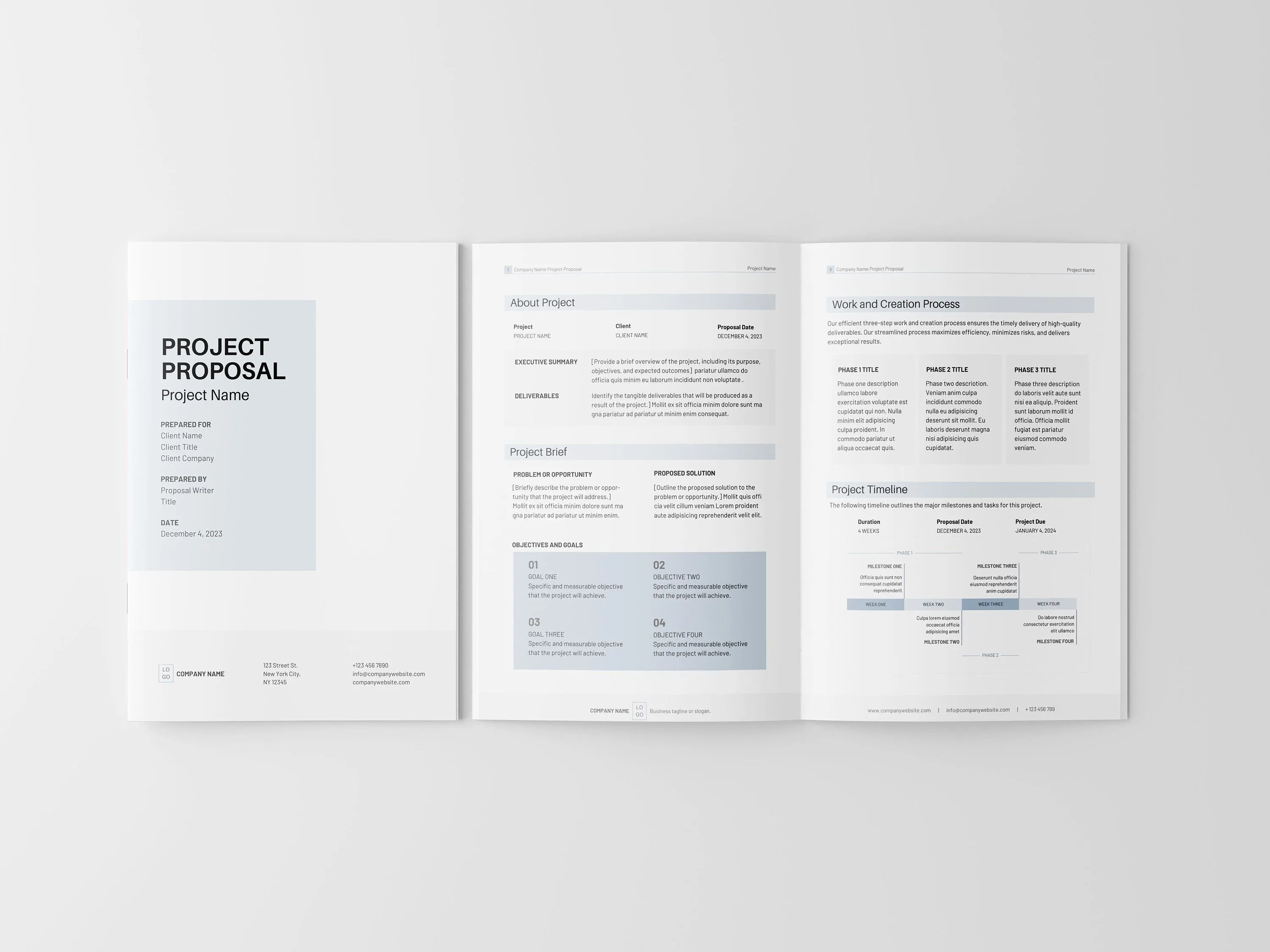
Complete business proposal template with step-by-step writing guide. Includes executive summary, pricing tables, and examples for consulting, IT, and marketing.
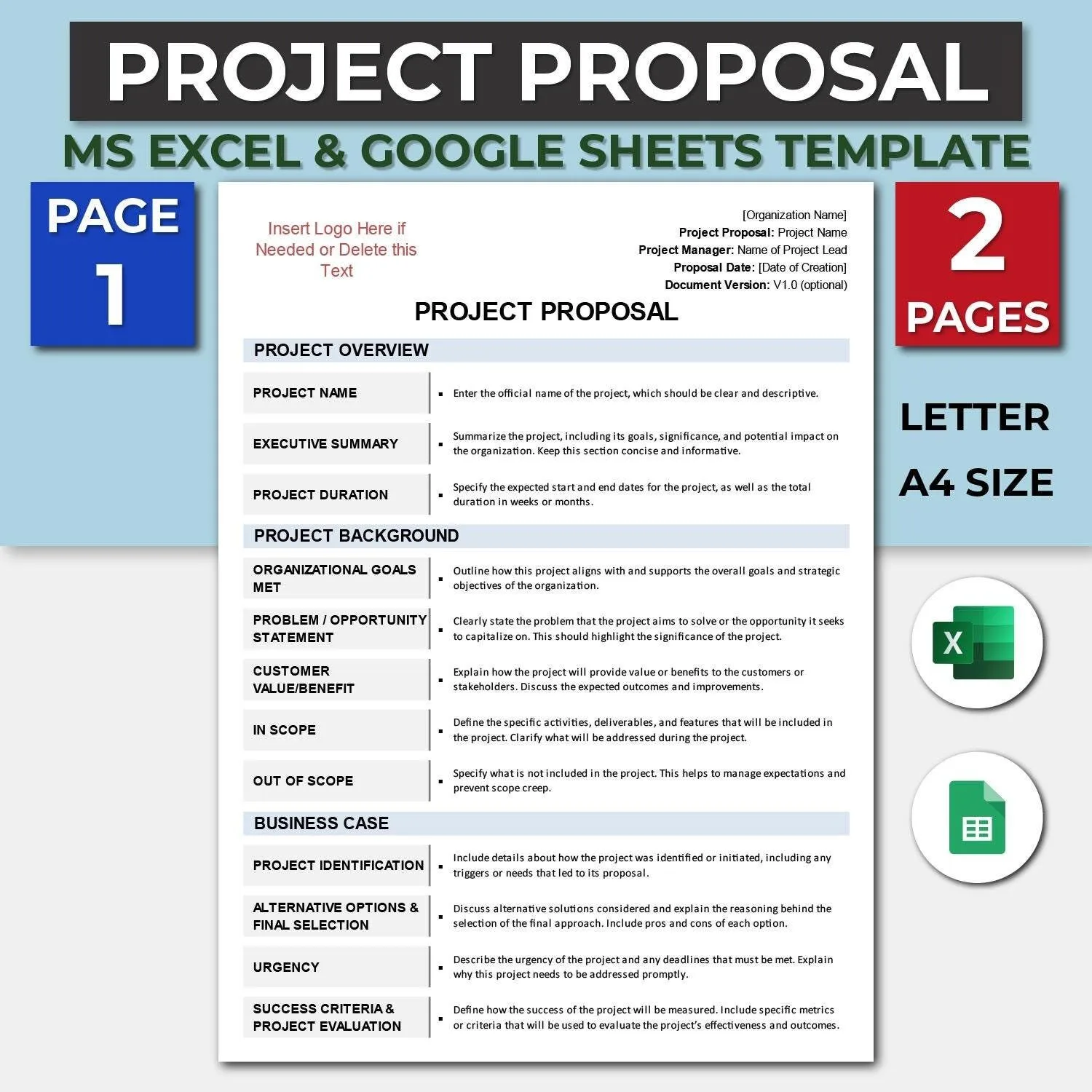
Professional project proposal template with examples for IT, construction, marketing, research, and nonprofit. Complete guide covering scope, budget, timeline, and risks.
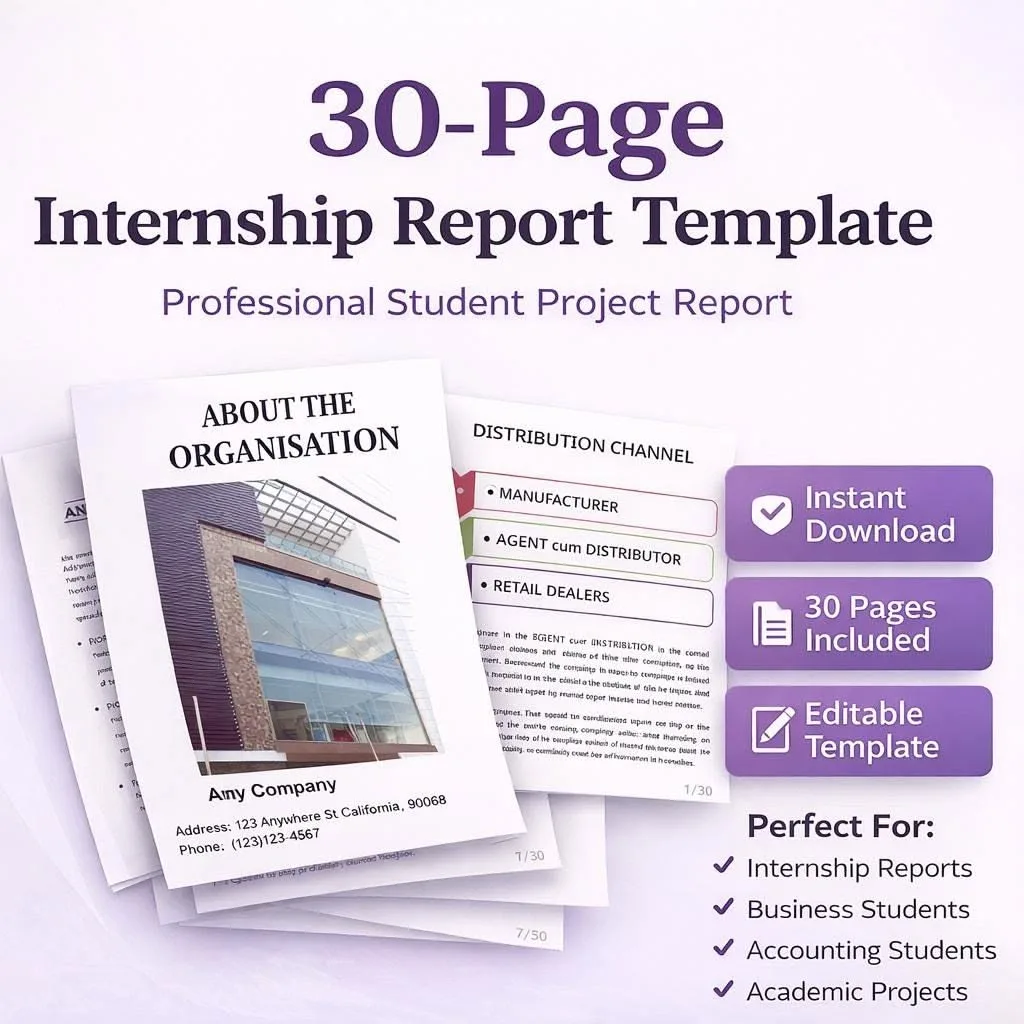
Professional business report template with complete writing guide. Includes examples for annual reports, market research, feasibility studies, and compliance reports.
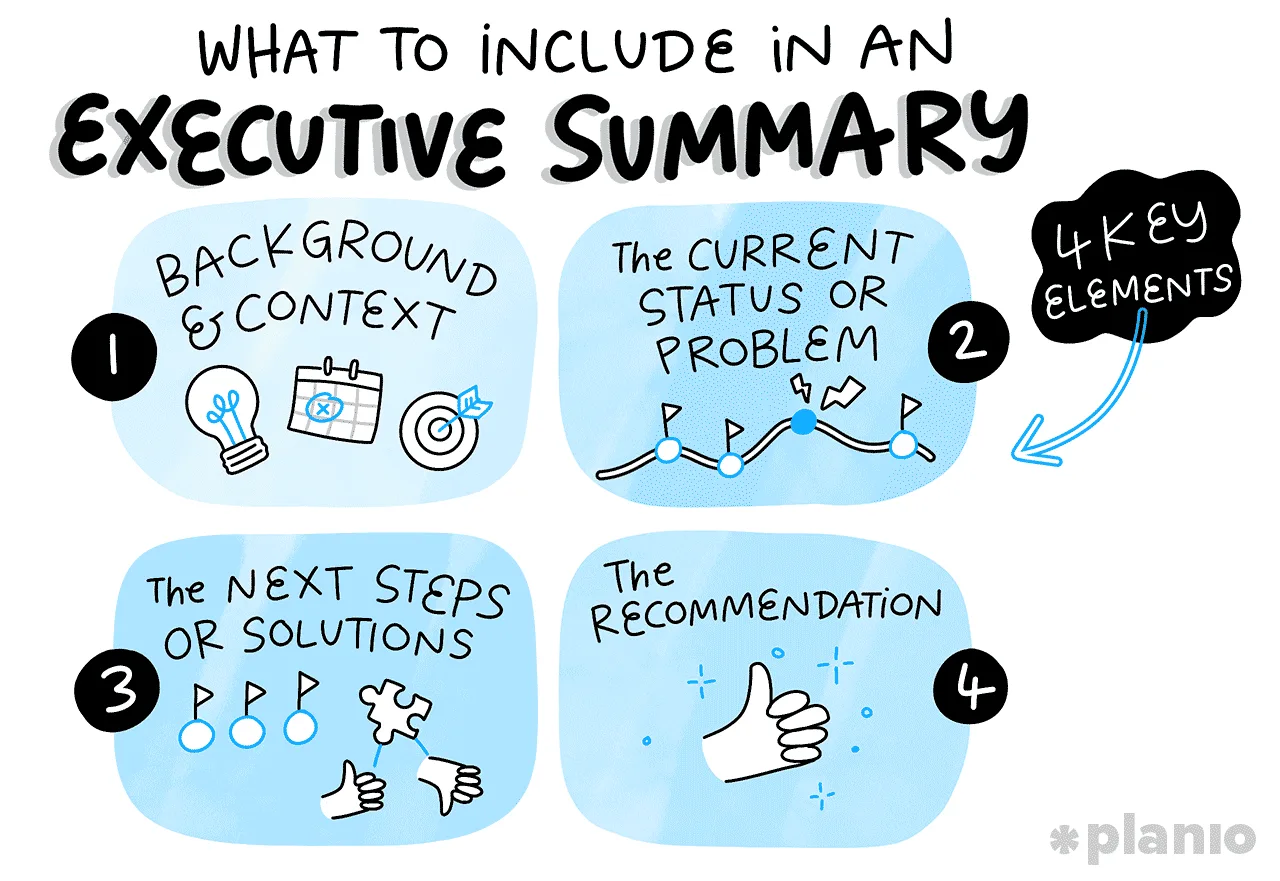
Learn how to write a compelling executive summary with templates and examples for business plans, project reports, proposals, and research papers.
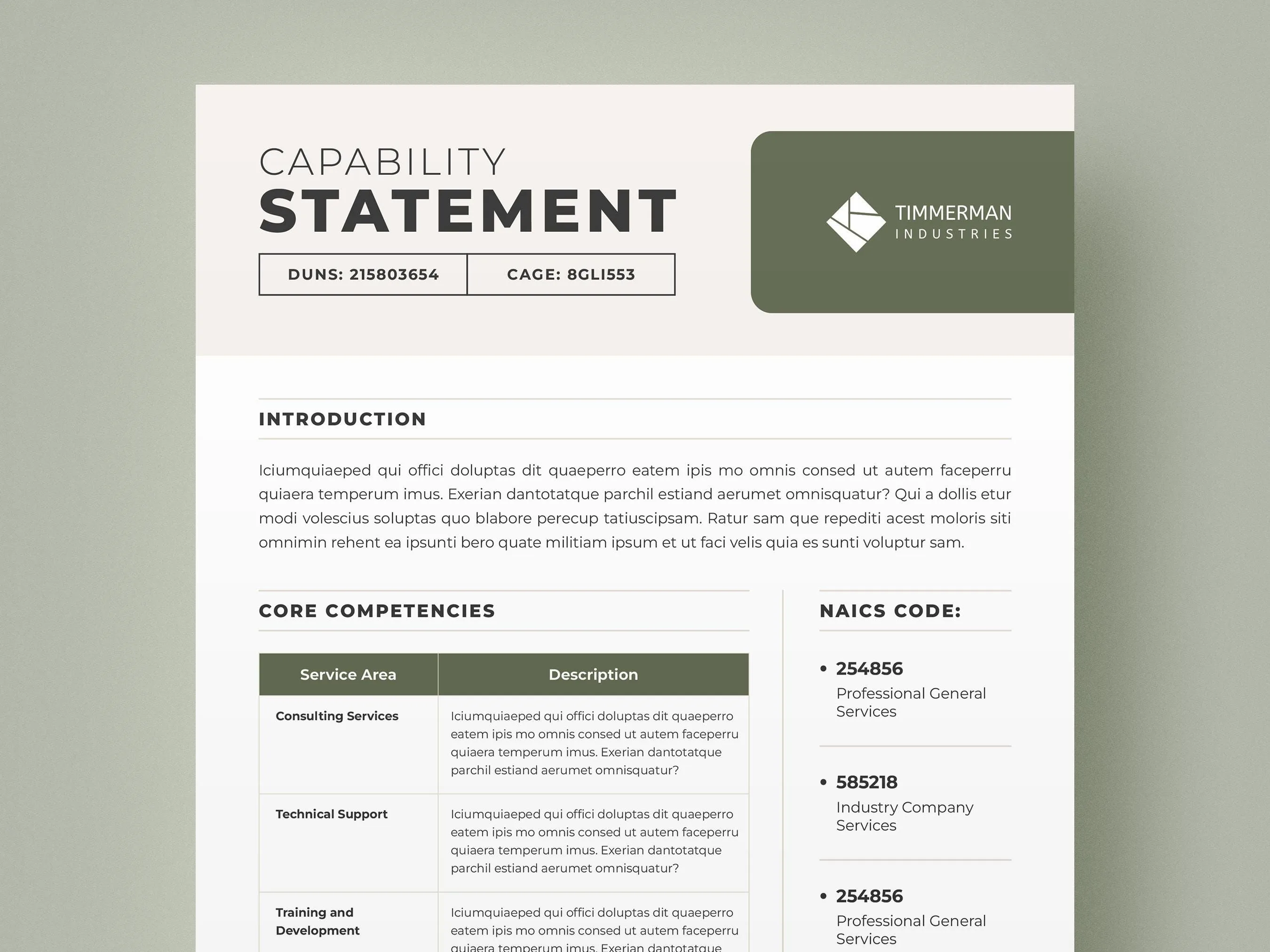
Expert guide to writing professional business reports. Covers research, structure, data visualization, formatting, and revision with practical frameworks and examples.
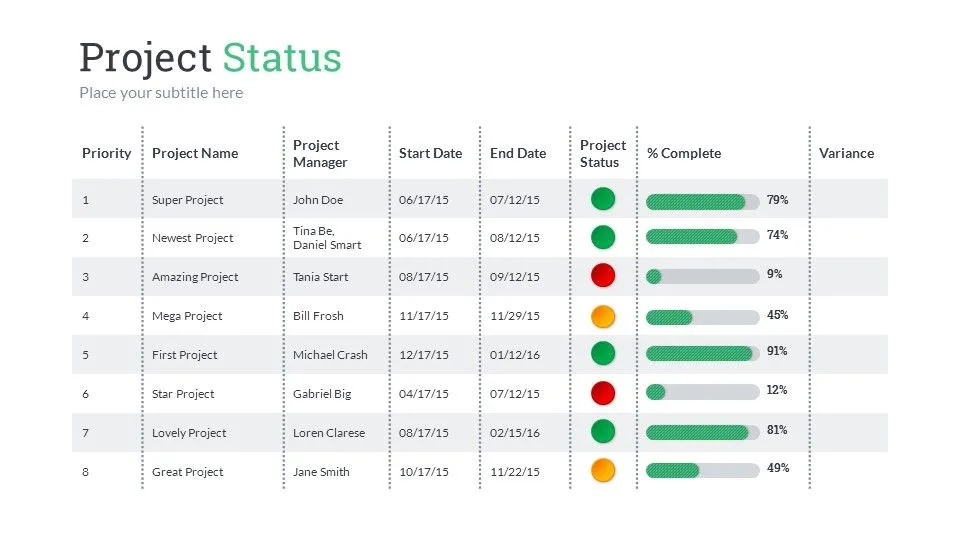
Project status update templates for weekly reports, monthly summaries, and executive dashboards. Includes RAG indicators, examples for software and marketing.
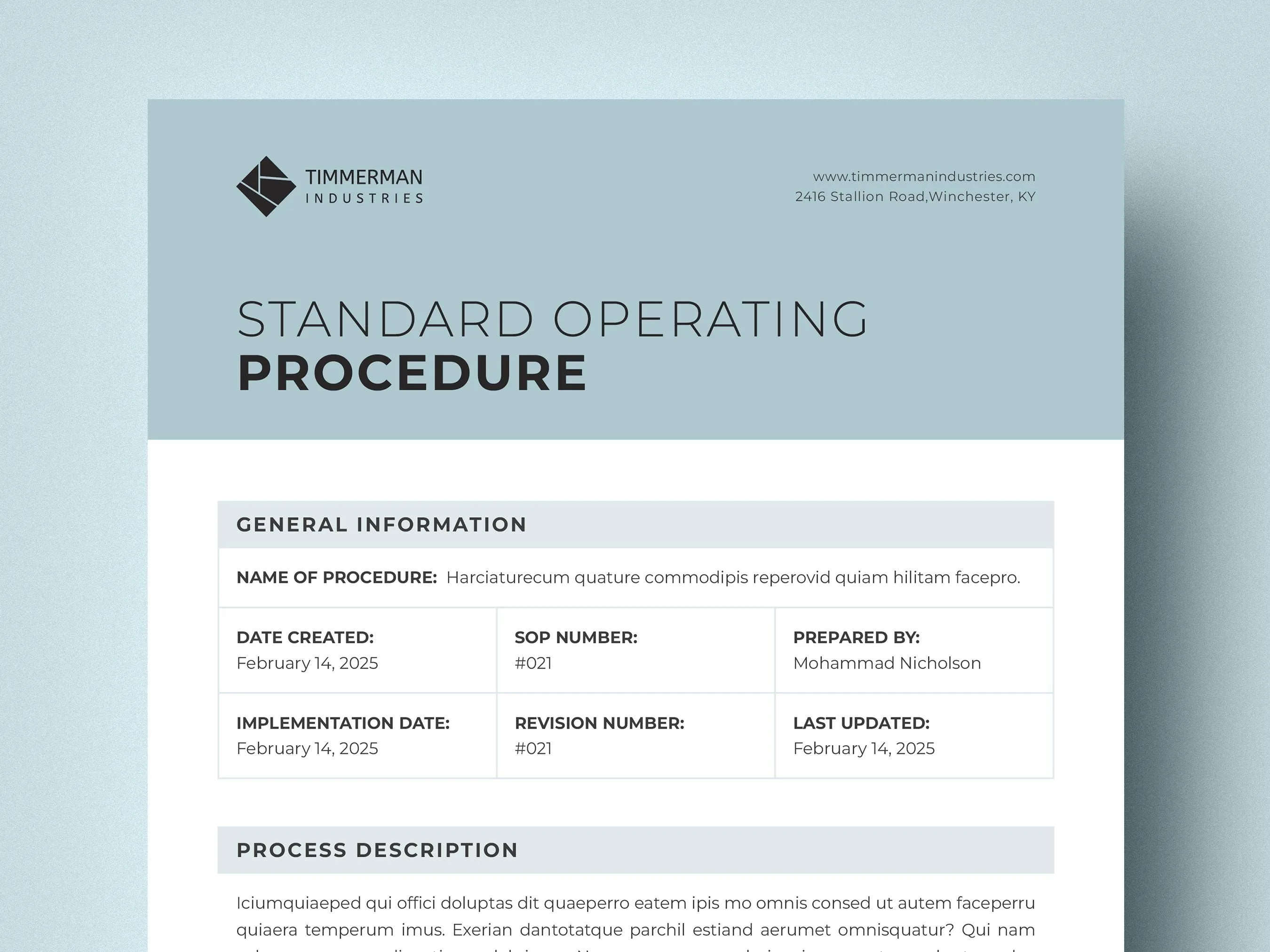
Complete SOP template with examples for manufacturing, healthcare, IT, food service, and HR. Includes formatting standards, version control, and approval workflows.
A strong business proposal begins with a compelling executive summary that clearly states the problem you are solving and the value you bring. Follow this with a detailed scope of work that outlines specific deliverables, timelines, and milestones so the reader knows exactly what to expect.
Include a section on your qualifications, relevant experience, and case studies or testimonials that demonstrate your track record with similar projects. The pricing section should be transparent and itemized, breaking down costs by phase or deliverable rather than presenting a single lump sum.
Address potential risks and your mitigation strategies, which shows foresight and professionalism. Close with clear next steps and a deadline for acceptance. Throughout the proposal, use the client's language and reference their specific challenges rather than relying on generic statements.
A well-structured proposal typically runs between 5 and 20 pages depending on the project scope, and every page should reinforce why you are the right choice. Always proofread for errors, ensure consistent formatting, and include a professional cover page with both parties' details.
Effective meeting minutes serve as an official record and accountability tool, so they must be thorough yet concise. Start with the meeting header: date, time, location or virtual platform, the name of the meeting, and the person recording the minutes.
List all attendees and note any expected participants who were absent. Record each agenda item discussed, capturing the key points raised, different perspectives shared, and any data or evidence referenced during the discussion. For every agenda item, clearly document the decisions made using definitive language rather than vague summaries.
Action items are the most critical component - each one should specify the task, the person responsible, and the deadline. If a vote was taken, record the motion, who proposed and seconded it, and the vote count. Include any documents, reports, or presentations that were referenced or distributed.
Note the time the meeting adjourned and the date of the next scheduled meeting. Distribute the minutes within 24 hours while the discussion is fresh, and store them in a centralized location accessible to all stakeholders. Review previous meeting minutes at the start of each new meeting to track progress on outstanding action items.
Writing a performance review requires balancing honest assessment with constructive guidance. Begin by reviewing the employee's job description, previous goals, and any notes you have collected throughout the review period so your evaluation is based on documented evidence rather than recent memory alone.
Open with a summary of overall performance that sets the tone for the review. For each competency or goal area, provide specific examples of behaviors and outcomes rather than general statements - instead of saying 'good communicator,' describe a specific instance where effective communication led to a measurable result.
Use quantifiable metrics wherever possible, such as sales figures, project completion rates, customer satisfaction scores, or error reduction percentages. When addressing areas for improvement, frame them as development opportunities and pair each critique with a concrete suggestion for growth. Avoid vague language like 'needs improvement' without explaining what improvement looks like in practice.
Set clear, measurable goals for the next review period using the SMART framework - specific, measurable, achievable, relevant, and time-bound. Acknowledge contributions that went beyond the basic job requirements, and be honest about shortfalls without being punitive. End with a forward-looking statement that reinforces your confidence in the employee's potential and your commitment to supporting their development.
An executive summary is a concise overview of a longer document - typically a business plan, proposal, report, or research paper - designed to give busy decision-makers the essential information without reading the full document. It should stand on its own as a complete narrative, covering the problem or opportunity, your proposed solution or key findings, the expected outcomes or results, and the required resources or investment.
The length typically ranges from one to three pages or roughly 5 to 10 percent of the full document's length. Lead with the most important conclusion or recommendation, as many readers will not go beyond the first paragraph. Include enough data to support your claims but avoid overwhelming the reader with granular details that belong in the full report.
Write the executive summary last, after the full document is complete, so you can accurately distill the content. Tailor the language and emphasis to your audience - a technical executive summary for engineers will differ significantly from one written for financial stakeholders.
Avoid jargon unless your audience expects it, and define any specialized terms on first use. A strong executive summary convinces the reader either to approve the recommendation or to read the full document for deeper understanding.
A professional bio is a concise narrative that establishes your credibility and tells your professional story. Start with your full name and current role, followed by a statement that captures what you do and who you serve. Lead with your strongest credentials - this could be years of experience, notable achievements, recognizable clients or employers, or advanced qualifications that are directly relevant to your audience.
Include two to three specific accomplishments that demonstrate your expertise with measurable results, such as 'led a team that increased revenue by 40 percent' or 'published research cited over 500 times.' Mention your educational background if it strengthens your authority, particularly advanced degrees, certifications, or training from well-known institutions.
For the closing, include something that humanizes you - a professional passion, a volunteer commitment, or a personal detail that makes you memorable without being overly casual. Write in the third person for formal contexts like conference programs, company websites, and publications, and in the first person for personal websites or social media profiles.
Prepare multiple versions: a one-sentence version for quick introductions, a short paragraph for social profiles, and a full version of 150 to 300 words for speaking engagements and author pages. Update your bio at least twice a year to reflect new accomplishments and evolving roles.