
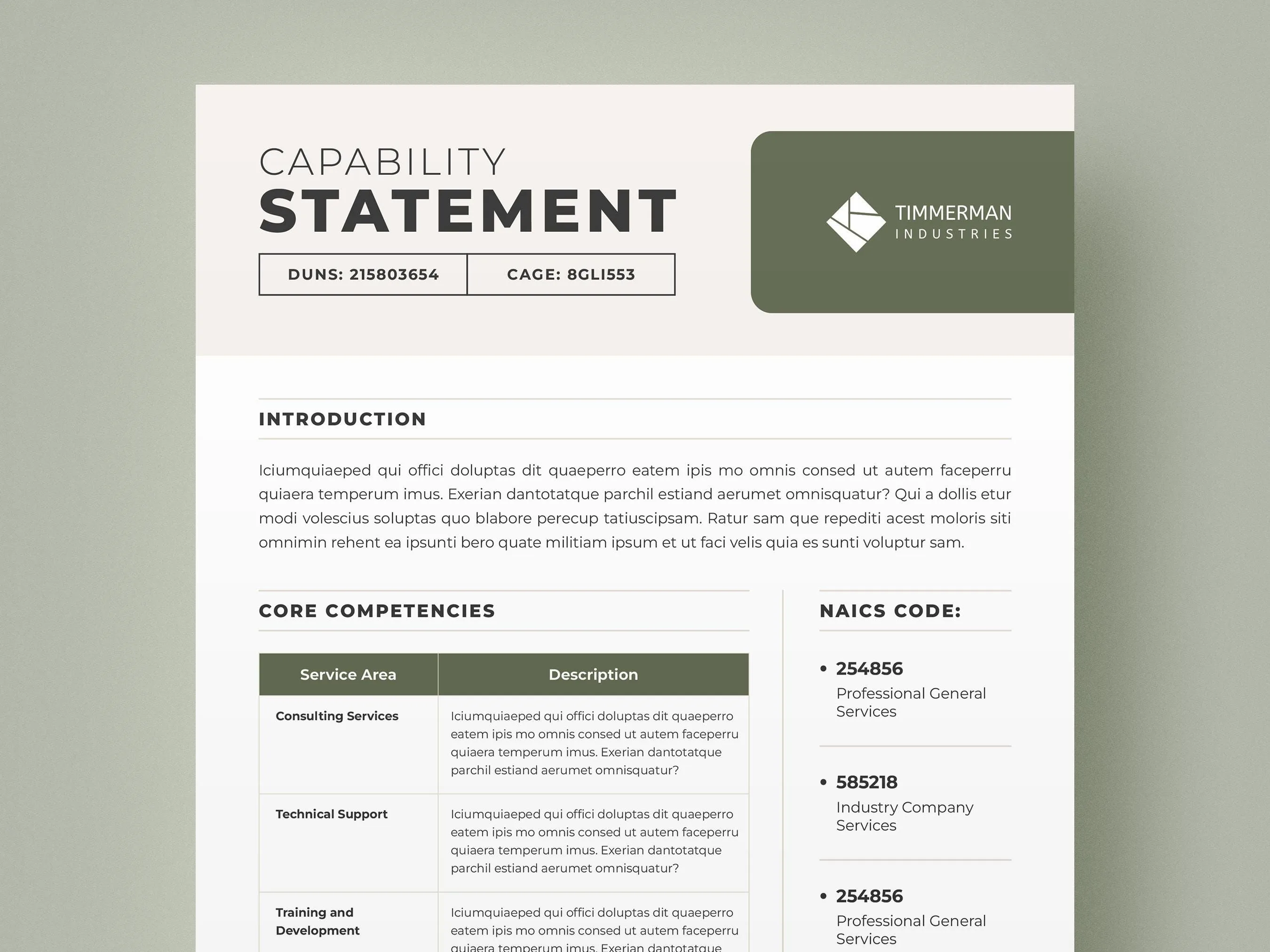
A professional business report is more than a collection of data points arranged on a page. It is a structured argument that transforms raw information into actionable intelligence, enabling decision-makers to allocate resources, mitigate risks, and pursue opportunities with confidence.
Organizations that produce consistently strong reports gain a measurable advantage: their leadership teams make faster, better-informed decisions because the analytical foundation is clear, credible, and well-organized.
This guide walks through every phase of professional business report writing, from initial planning and research through drafting, formatting, and distribution. Whether you are writing your first quarterly analysis or your fiftieth board-level strategic assessment, the principles and frameworks here will sharpen both the process and the product.
Understanding the Purpose Before You Write
Every effective business report begins with a clear understanding of why it exists. The purpose determines the structure, the depth of analysis, the tone, and even the length of the document. Reports written without a defined purpose tend to wander, including information that is interesting but irrelevant while omitting details that are critical to the reader's decision.
Defining the Core Question
Before opening a blank document, articulate the single question your report must answer. This question becomes the organizing principle for everything that follows.
Examples of well-defined report questions:
- Should we expand our logistics network into the Southeast Asian market in the next fiscal year?
- What caused the 18 percent decline in customer retention during Q3, and what corrective actions are recommended?
- Is the proposed technology migration financially justified given current budget constraints?
A report that answers a specific question provides focused analysis. A report that merely "covers a topic" provides unfocused information that leaves decision-makers to draw their own conclusions, which defeats the purpose of the document.
"The single biggest problem in communication is the illusion that it has taken place." - a maxim often attributed to George Bernard Shaw, though its true origin is disputed
This principle applies directly to business reports. If the report does not clearly communicate a conclusion or recommendation, the writer may believe the work is done, but the reader remains uninformed.
Research and Information Gathering
The quality of a business report is determined long before the writing begins. Thorough, well-organized research ensures that every claim in the report is substantiated and every recommendation rests on solid evidence.
Primary vs. Secondary Research
Primary research involves collecting new data specifically for the report. This includes surveys, interviews, focus groups, internal data analysis, and direct observation. Primary research is authoritative because it addresses the exact questions the report needs to answer, but it is also time-consuming and resource-intensive.
Secondary research involves analyzing existing data from published studies, industry reports, government databases, and internal company records. Secondary research provides context and benchmarks that strengthen the report's analytical framework.
Most professional business reports combine both types. The primary research provides the specific findings, while secondary research provides the broader context that makes those findings meaningful.
Organizing Research with Digital Tools
Effective research management prevents the common problem of having excellent data scattered across dozens of files, browser tabs, and notebooks. Using a dedicated note-taking platform such as When Notes Fly allows you to capture research findings, organize them by topic or report section, and access them from any device during the writing process. Centralizing research notes eliminates the wasted time of searching through disparate sources when drafting the report.
| Research Phase | Key Activities | Typical Duration |
|---|---|---|
| Scoping | Define questions, identify data sources, assign research tasks | 1-2 days |
| Collection | Gather primary and secondary data, conduct interviews, run analyses | 3-10 days |
| Organization | Sort findings by report section, identify gaps, verify data accuracy | 1-3 days |
| Synthesis | Draw connections between data points, develop preliminary conclusions | 2-4 days |
Structuring the Report for Maximum Impact
Structure is not a bureaucratic formality; it is the mechanism through which complex information becomes comprehensible. A well-structured report guides the reader through a logical progression from context to findings to recommendations, making the argument persuasive by making it easy to follow.
The Standard Professional Report Structure
- Title Page - Report title, author(s), date, department, confidentiality classification
- Executive Summary - Condensed overview of purpose, findings, and recommendations
- Table of Contents - Section headings with page numbers for reports exceeding ten pages
- Introduction - Background, purpose, scope, and methodology overview
- Body Sections - Findings organized by theme, topic, or chronology
- Analysis and Discussion - Interpretation of findings and their implications
- Recommendations - Specific, actionable proposals supported by the analysis
- Conclusion - Summary of key points and statement of next steps
- References - All sources cited in the report
- Appendices - Supplementary data, detailed calculations, supporting documents
Writing the Executive Summary Last
The executive summary is the most-read section of any business report. Senior leaders frequently read only this section before making decisions, which means it must be accurate, complete, and persuasive in isolation. Writing it last, after all other sections are finalized, ensures it faithfully represents the full analysis rather than reflecting early assumptions that may have changed during the writing process.
"If you cannot explain something simply, you do not understand it well enough." - Attributed to Richard Feynman
An executive summary that requires the reader to consult the full report for basic comprehension has failed its primary purpose. It should stand alone as a complete, if condensed, version of the report's argument.
Writing with Clarity and Authority
Professional business reports demand a writing style that is precise, objective, and accessible. The goal is to communicate complex information without oversimplifying it, maintaining rigor while ensuring that non-specialist readers can follow the argument.
Tone and Voice
Business reports should use a formal but not stiff tone. Avoid colloquialisms and slang, but also avoid the kind of dense, passive-heavy academic prose that makes readers' eyes glaze over. The most effective business writing uses direct sentences, active voice where appropriate, and terminology that matches the audience's expertise level.
Weak: "It was determined by the committee that the implementation of the proposed initiative would be advisable given the findings that were presented."
Strong: "The committee recommends implementing the proposed initiative based on three key findings."
Data Presentation and Visualization
Data should appear in the format that best serves the reader's understanding. Raw numbers belong in appendices; interpreted, contextualized data belongs in the body of the report.
| Data Presentation Method | Best Used When | Avoid When |
|---|---|---|
| Tables | Precise values matter; comparing multiple variables | Reader needs to see trends or patterns |
| Bar charts | Comparing categories or showing rankings | Too many categories (more than 8-10) |
| Line charts | Showing trends over time | Data has no temporal dimension |
| Pie charts | Showing composition of a whole (5-7 segments max) | Precise comparison between segments matters |
| Bullet lists | Summarizing key points or action items | Complex relationships between items exist |
When your report spans multiple file formats or needs to be distributed in different versions, tools like the Document Converter can streamline the process of converting between Word, PDF, and other formats while preserving formatting integrity. For longer reports assembled from multiple contributor sections, the PDF Merge tool allows you to combine individually authored sections into a single, cohesive document without formatting conflicts.
The Revision Process
First drafts are never final drafts. The revision process transforms a rough but complete document into a polished professional product. Experienced report writers budget as much time for revision as they do for the initial draft.
Content Review
The first revision pass focuses exclusively on content. Ask the following questions:
- Does every section contribute to answering the report's core question?
- Are all claims supported by evidence cited in the report?
- Do the recommendations follow logically from the analysis?
- Is any critical information missing?
- Is any included information irrelevant to the report's purpose?
Structural Review
The second pass evaluates the report's organization:
- Does the logical flow guide the reader naturally from context to findings to recommendations?
- Are transitions between sections smooth and clear?
- Is the level of detail consistent across comparable sections?
- Does the executive summary accurately reflect the full report's content?
Language and Style Review
The final pass addresses sentence-level quality:
- Replace passive constructions with active voice where possible
- Eliminate redundant phrases ("at this point in time" becomes "now")
- Ensure consistent terminology throughout the document
- Verify that all acronyms are defined at first use
- Check that parallel structures are maintained in lists and headings
"Easy reading is damn hard writing." - a line long attributed to Nathaniel Hawthorne, though no verified source confirms he wrote it
This observation captures the paradox of professional writing. Reports that read effortlessly are the product of meticulous revision. Reports that feel laborious to read are usually the ones that received the least editorial attention.
Formatting and Professional Presentation
Formatting is not cosmetic. It directly affects comprehension, navigation, and the reader's perception of the report's credibility. A poorly formatted report creates doubt about the quality of the analysis, regardless of how rigorous that analysis actually is.
Typography and Layout Standards
- Body text: 11-12pt in a professional typeface (Calibri, Arial, Garamond, or Times New Roman)
- Headings: Consistent hierarchy using size, weight, and spacing to signal organizational structure
- Line spacing: 1.15 to 1.5 for body text to enhance readability
- Margins: 1 inch minimum on all sides; 1.25 inches on the binding edge for printed reports
- Page numbers: Every page after the title page should be numbered
Consistent Visual Identity
Maintain uniform formatting for tables, charts, headings, and captions throughout the report. Inconsistency, even in minor details like font size in table headers, creates a disjointed appearance that undermines professional credibility. Organizations with established brand guidelines should apply those guidelines to all visual elements of the report.
Distribution and Format Considerations
How and where a report will be read should influence formatting decisions made during the writing process.
Digital Distribution
Most business reports today are distributed electronically, typically as PDF files. PDFs preserve formatting across devices and operating systems, preventing the layout disruptions that can occur with editable document formats. For reports that will be read on screens, use shorter paragraphs, clear heading hierarchy, and hyperlinked cross-references to facilitate navigation.
Print Distribution
Reports intended for board meetings, regulatory submissions, or formal presentations may require printed copies. Consider binding margins, color versus grayscale readability, and paper quality when preparing print versions. Reports with extensive data visualizations should be tested in print to ensure charts and graphs remain legible.
Multi-Format Distribution
When a report needs to reach different audiences in different formats, maintaining consistency across versions is essential. Converting between formats can introduce subtle formatting changes that affect the document's professional appearance and readability.
Common Pitfalls and How to Avoid Them
Burying the Lead
The most important finding or recommendation should appear early and prominently, not at the end of a lengthy analysis. Executives who cannot find the conclusion quickly will often stop reading entirely. Lead with the answer; then provide the supporting evidence.
Data Without Interpretation
Presenting data without explaining what it means forces the reader to perform their own analysis. Every table, chart, and statistic in the report should be accompanied by a clear statement of what the data reveals and why it matters to the report's conclusions.
Recommendation Without Evidence
Recommendations that are not clearly traceable to specific findings in the report lack credibility. For each recommendation, the reader should be able to identify exactly which data and analysis support it. If the chain of evidence is unclear, the recommendation will not be trusted, regardless of its merit.
Ignoring Limitations
Every analysis has limitations, whether from incomplete data, methodological constraints, or time pressures. Acknowledging these limitations does not weaken the report; it strengthens it by demonstrating intellectual honesty and helping decision-makers understand the confidence level they should assign to the findings.
Final Considerations
Professional business report writing is a discipline that improves with practice and intentional refinement. The most effective report writers are not necessarily the most talented prose stylists; they are the professionals who most thoroughly understand their audience, most rigorously organize their analysis, and most honestly present their findings.
The frameworks and standards in this guide apply across industries, report types, and organizational contexts. Adapt them to your specific situation, but maintain the underlying principles: clarity of purpose, rigor of analysis, logical organization, and reader-focused communication. A report that embodies these principles does not just inform a decision; it earns the reader's trust and establishes the writer's credibility as a strategic contributor to the organization.
References
Bowman, J. P. and Branchaw, B. P. (1984). Business Report Writing. Dryden Press. ISBN: 978-0030627934.
Lannon, J. M. and Gurak, L. J. (2020). Technical Communication. 15th ed. Pearson. ISBN: 978-0135203224.
Alred, G. J., Brusaw, C. T. and Oliu, W. E. (2019). Handbook of Technical Writing. 12th ed. Bedford/St. Martin's. ISBN: 978-1319058524.
Minto, B. (2009). The Pyramid Principle: Logic in Writing and Thinking. 3rd ed. Financial Times / Prentice Hall. ISBN: 978-0273710516.
Hartley, J. (2014). "Designing Instructional and Informational Text." Handbook of Research on Educational Communications and Technology (4th ed.), Springer, pp. 145-158. DOI: 10.1007/978-1-4614-3185-5_12.
Hargie, O. (2016). Skilled Interpersonal Communication: Research, Theory and Practice. 6th ed. Routledge. DOI: 10.4324/9781315741901.
Kaplan, R. S. and Norton, D. P. (1992). "The Balanced Scorecard - Measures That Drive Performance." Harvard Business Review, 70(1), pp. 71-79.
Frequently Asked Questions
What is the most important section of a professional business report?
The executive summary is the most critical section because it is frequently the only part that senior decision-makers read in full. It must condense the entire report into a brief, self-contained overview covering the purpose, methodology, key findings, and primary recommendations.
Writing the executive summary last, after all other sections are finalized, ensures it accurately represents the complete analysis.
A strong executive summary enables busy executives to make informed decisions without reading the full document, while a weak one may cause the entire report to be set aside unread.
How long should a professional business report be?
The appropriate length depends entirely on the report’s purpose, audience, and complexity. A routine status update might require three to five pages, while a comprehensive strategic assessment or feasibility study could extend to fifty pages or more including appendices. The guiding principle is completeness without redundancy.
Include everything necessary for the reader to understand the situation and make informed decisions, but eliminate repetition and tangential information.
Most standard professional reports fall between ten and twenty-five pages. For longer reports, a detailed table of contents, clear section headings, and a strong executive summary help readers navigate efficiently.
What are the most common mistakes in business report writing?
The five most frequent mistakes are burying the lead by placing key findings at the end instead of early in the report, presenting data without interpretation so readers must draw their own conclusions, making recommendations that are not clearly supported by evidence in the report, ignoring limitations of the analysis which undermines credibility, and inconsistent formatting which creates a disjointed and unprofessional appearance.
Each of these errors reduces the report’s effectiveness and can lead to poor decisions or loss of reader trust. Addressing them requires deliberate revision focused separately on content, structure, and presentation quality.