Grammar Rules guides and examples: practical, expert-written references you can apply straight away.
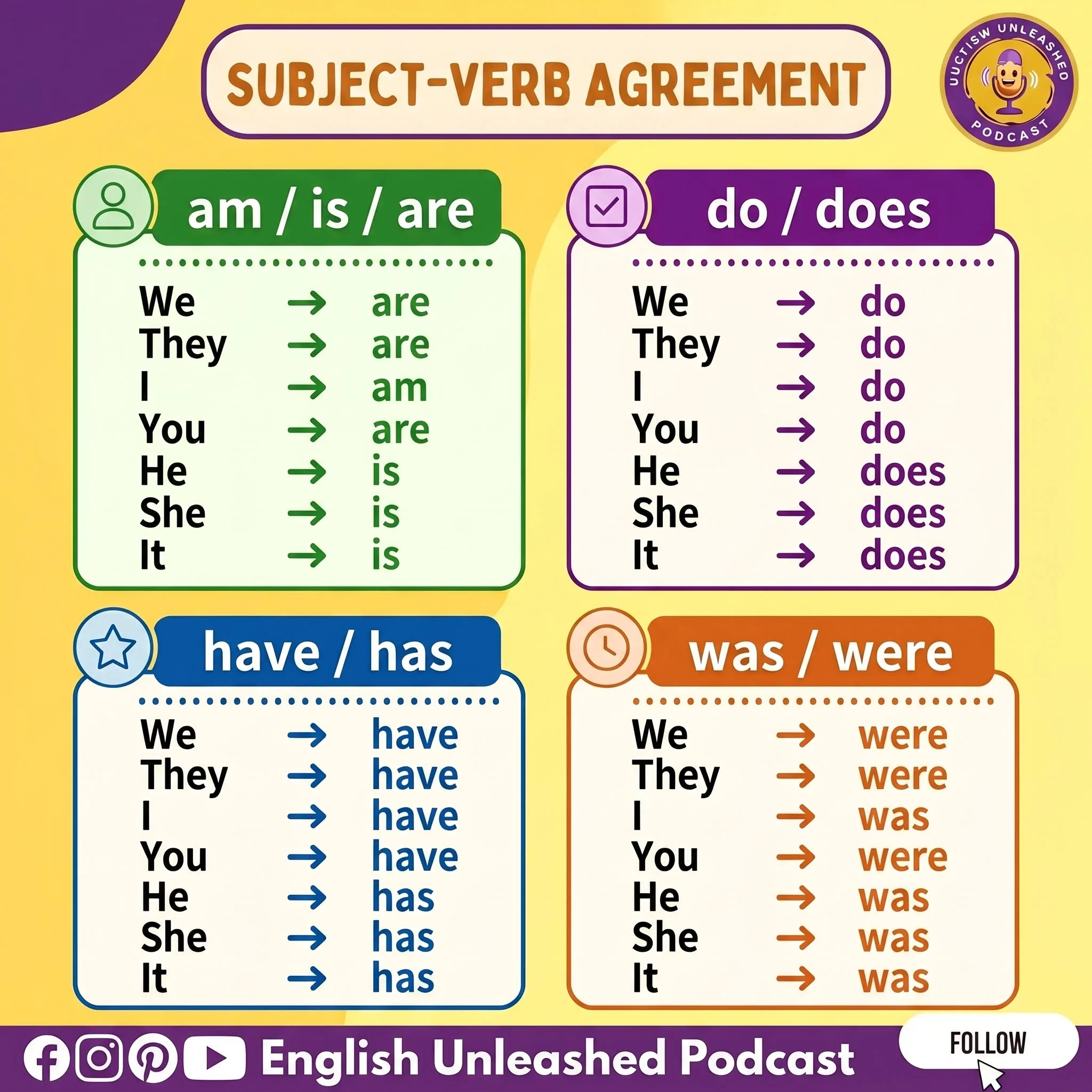
Complete guide to subject-verb agreement including compound subjects, collective nouns, indefinite pronouns, and the tricky edge cases everyone misses.
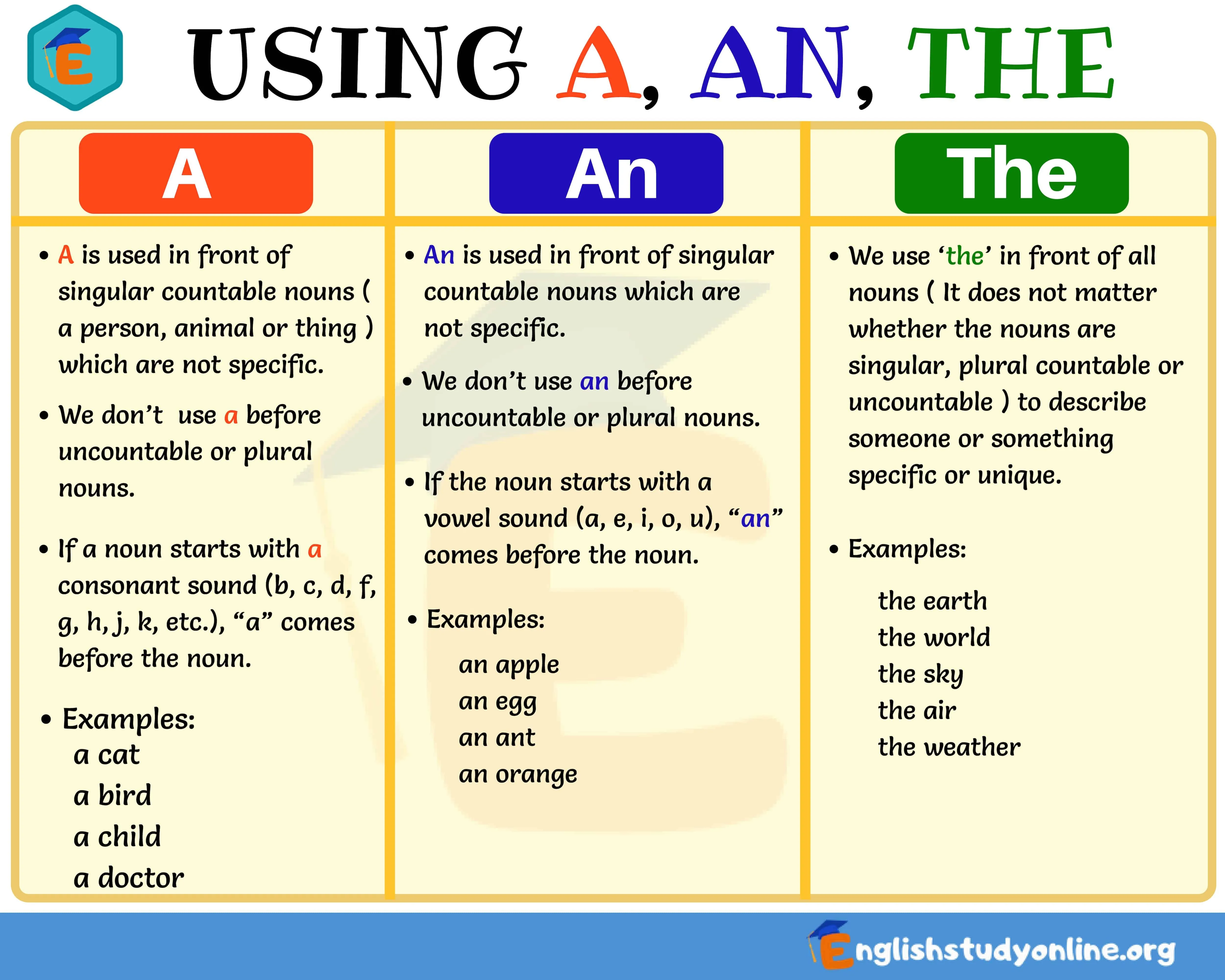
Learn A, An, The with clear ESL rules for countable and uncountable nouns, specific vs general, zero article, 20+ examples, and a complete self-check exercise.
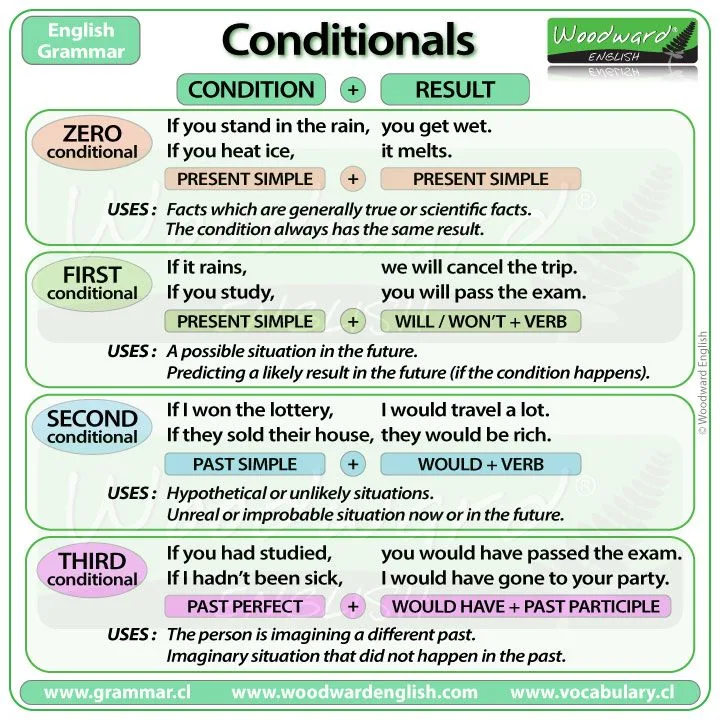
Master all four conditional sentence types with clear formation rules, 30+ examples, tables, and a self-check exercise for ESL and professional writers.

Master can, could, may, and might with clear rules for ability, permission, and possibility. Includes 20+ examples, tables, and a self-check exercise.
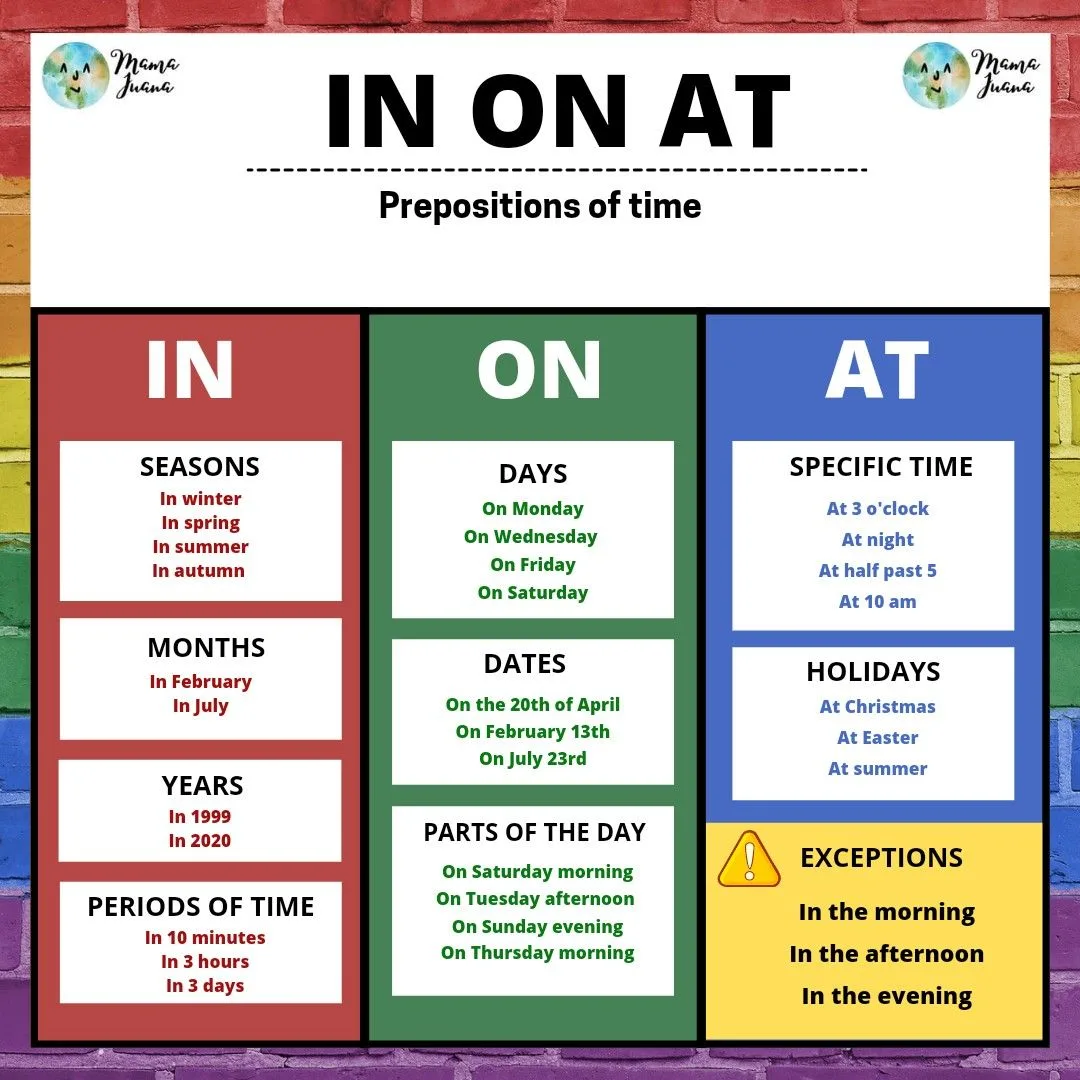
Complete guide to in, on, at for time and place. 50+ examples, clear rules, comparison tables, and the most common errors ESL writers make.

Master reported speech with tense shifts, pronoun changes, time expressions, 20+ examples, and a self-check exercise for ESL and professional writers.

Master all 12 English verb tenses with clear rules, example sentences, and usage notes. Learn simple, continuous, perfect, and perfect continuous forms quickly.
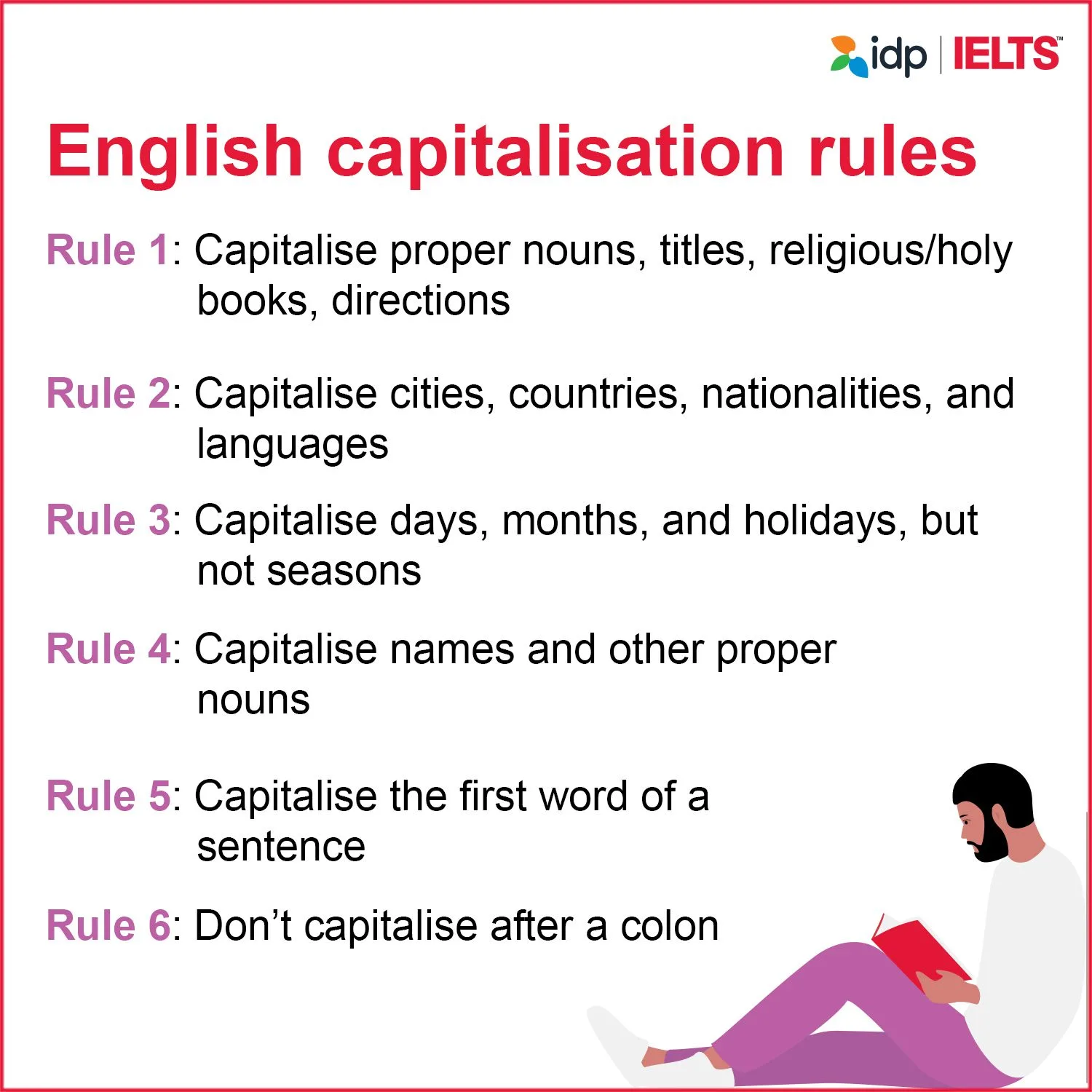
Learn every capitalization rule in English with clear examples. Covers proper nouns, titles, job positions, geographic names, and common capitalization errors.
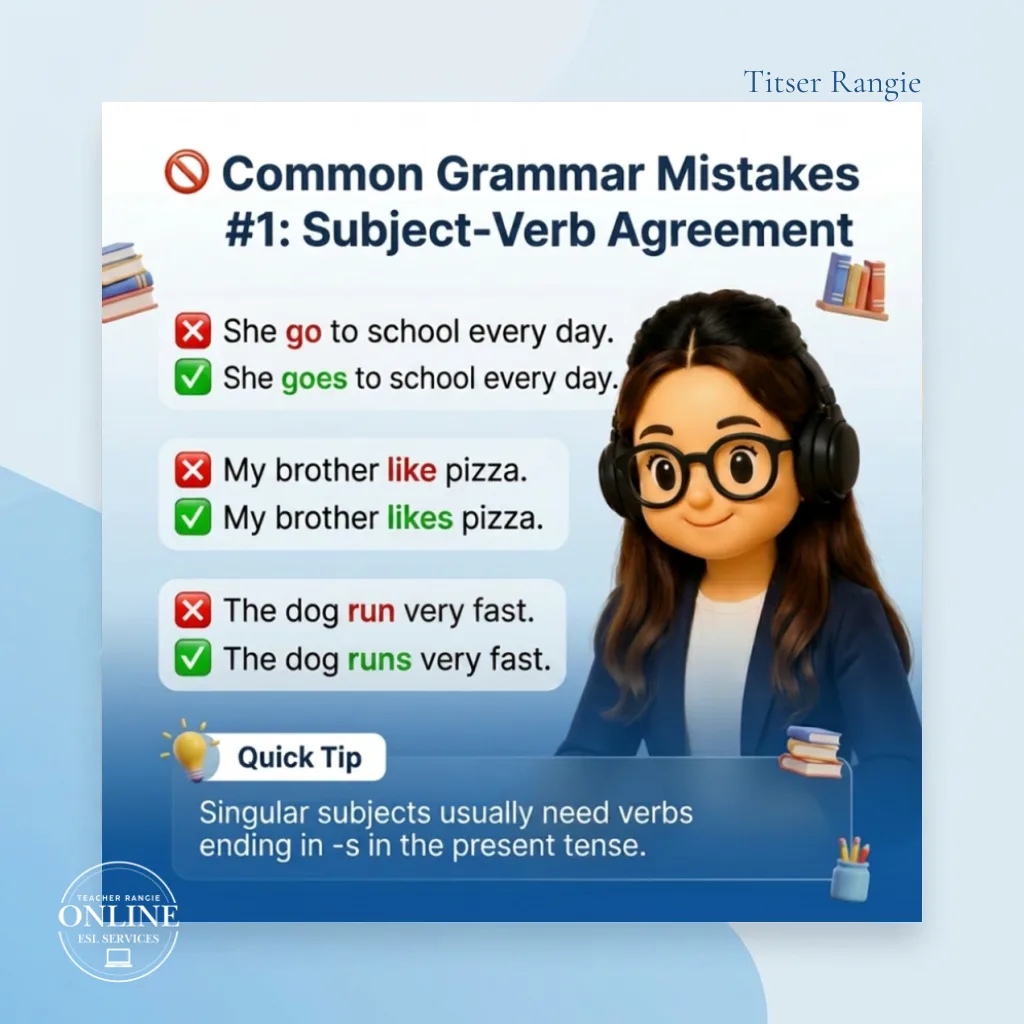
Master subject-verb agreement with clear rules and examples. Covers compound subjects, collective nouns, indefinite pronouns, and tricky cases for error-free writing.
The verb must match its subject in number. A singular subject takes a singular verb and a plural subject takes a plural verb. Errors usually appear when words come between the subject and the verb, or when the subject is a collective noun.
Capitalise the first word of a sentence, proper nouns such as names and places, and the principal words in titles. Job titles are capitalised when they precede a name but not when they stand alone after one, so you write President Lincoln but the president spoke. Seasons, directions, and academic subjects stay lowercase unless part of a proper name.
It is a style choice rather than a rule, but it prevents genuine ambiguity in lists. Without it, a sentence thanking my parents, Jane and Tom can read as though Jane and Tom are the parents. Publications differ: many American style guides require it while many British ones omit it. The important thing is to apply your choice consistently.
