Punctuation guides and examples: practical, expert-written references you can apply straight away.
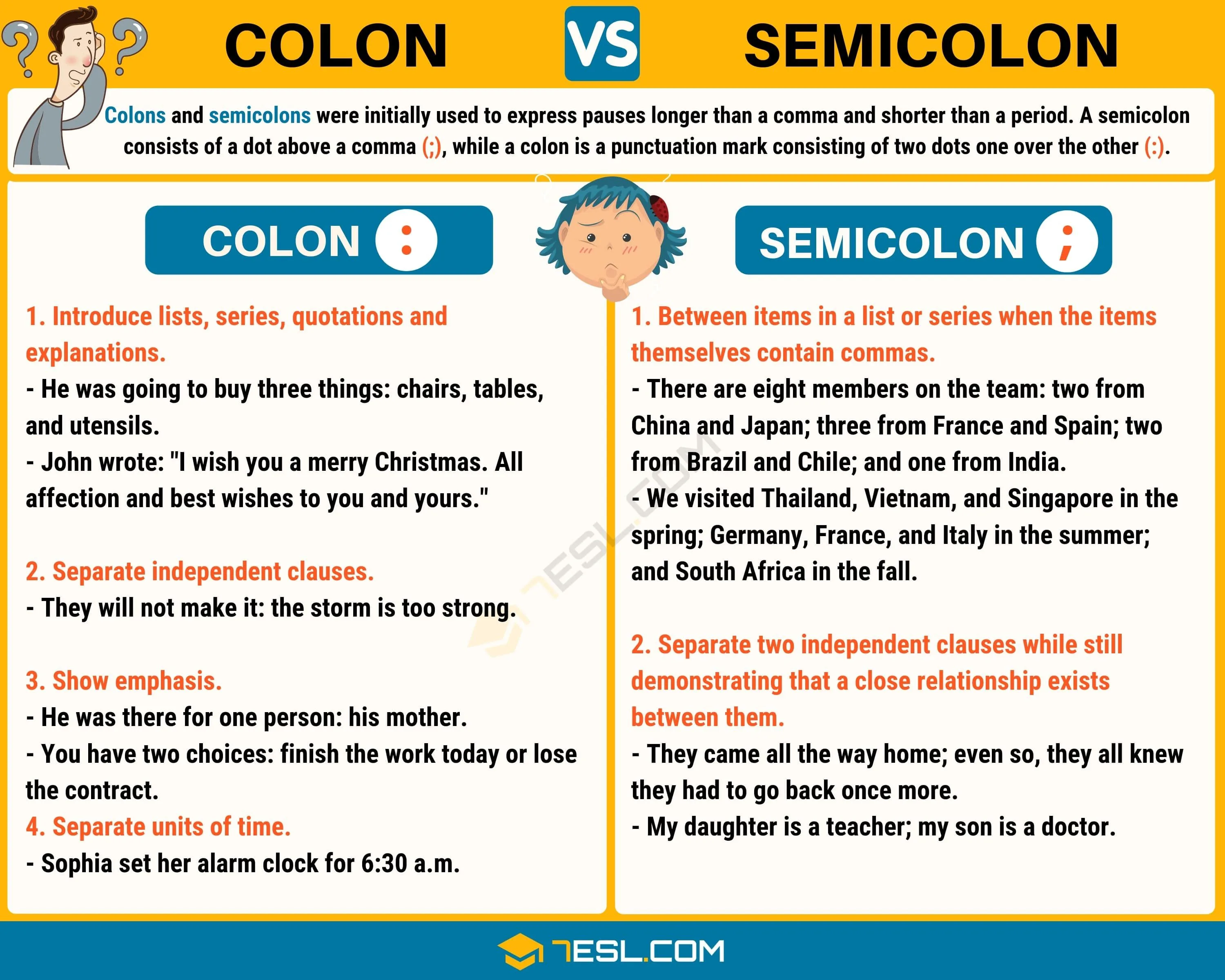
Master the semicolon with clear rules for joining independent clauses, separating complex lists, and using conjunctive adverbs, plus real examples.
Master the colon with clear rules for lists, emphasis, quotes, and explanations, 20+ examples, a comparison table with semicolons, and a self-check exercise.
Learn the difference between hyphen, en dash, and em dash with usage rules, keyboard shortcuts, 20+ examples, and a self-check exercise for writers.
Complete guide to quotation marks: direct and indirect speech, titles, American vs British style, nested quotes, and 20+ examples for every writing context.
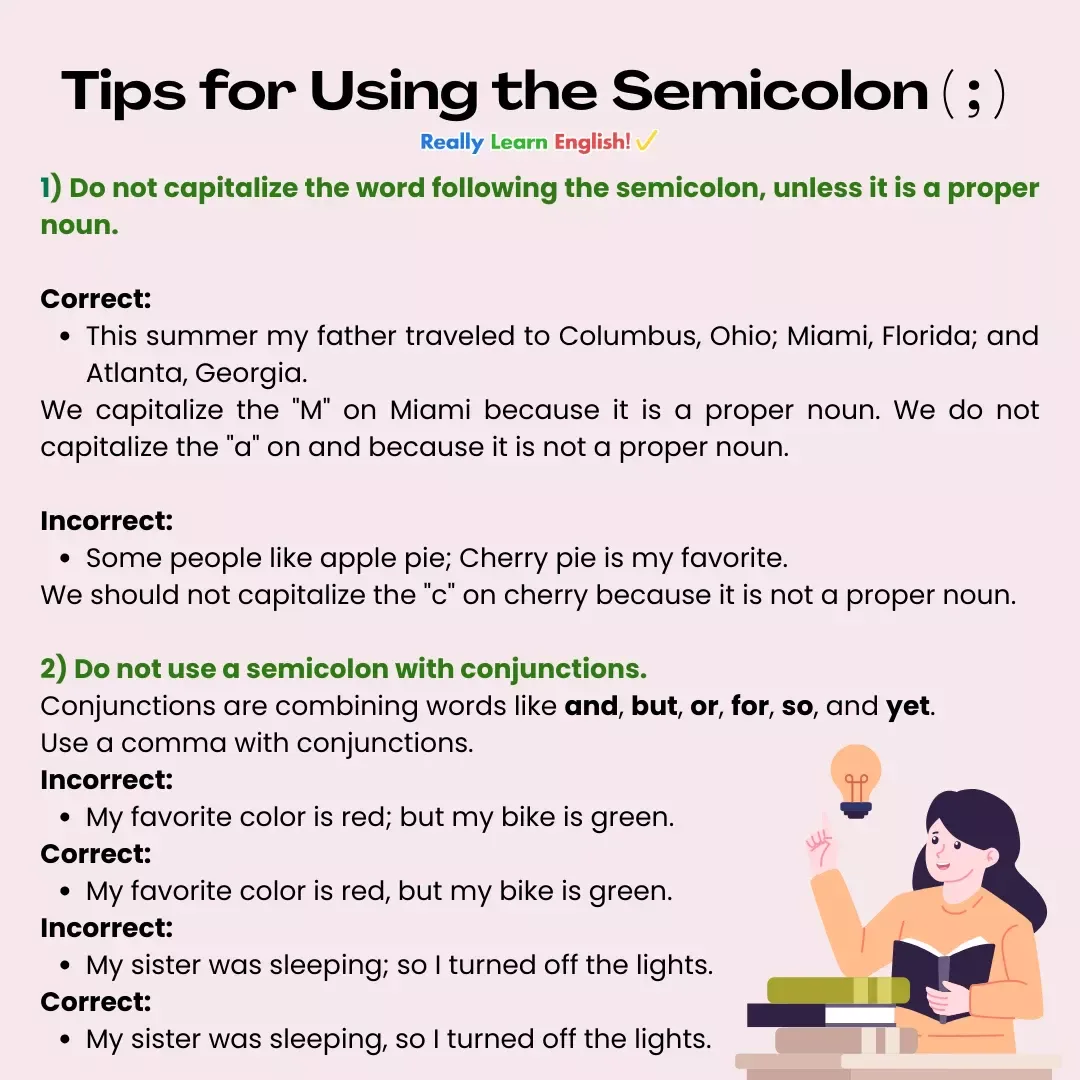
Complete guide to semicolons with the three legitimate uses, common errors, comparison to periods and commas, and register-appropriate usage for professional writers.
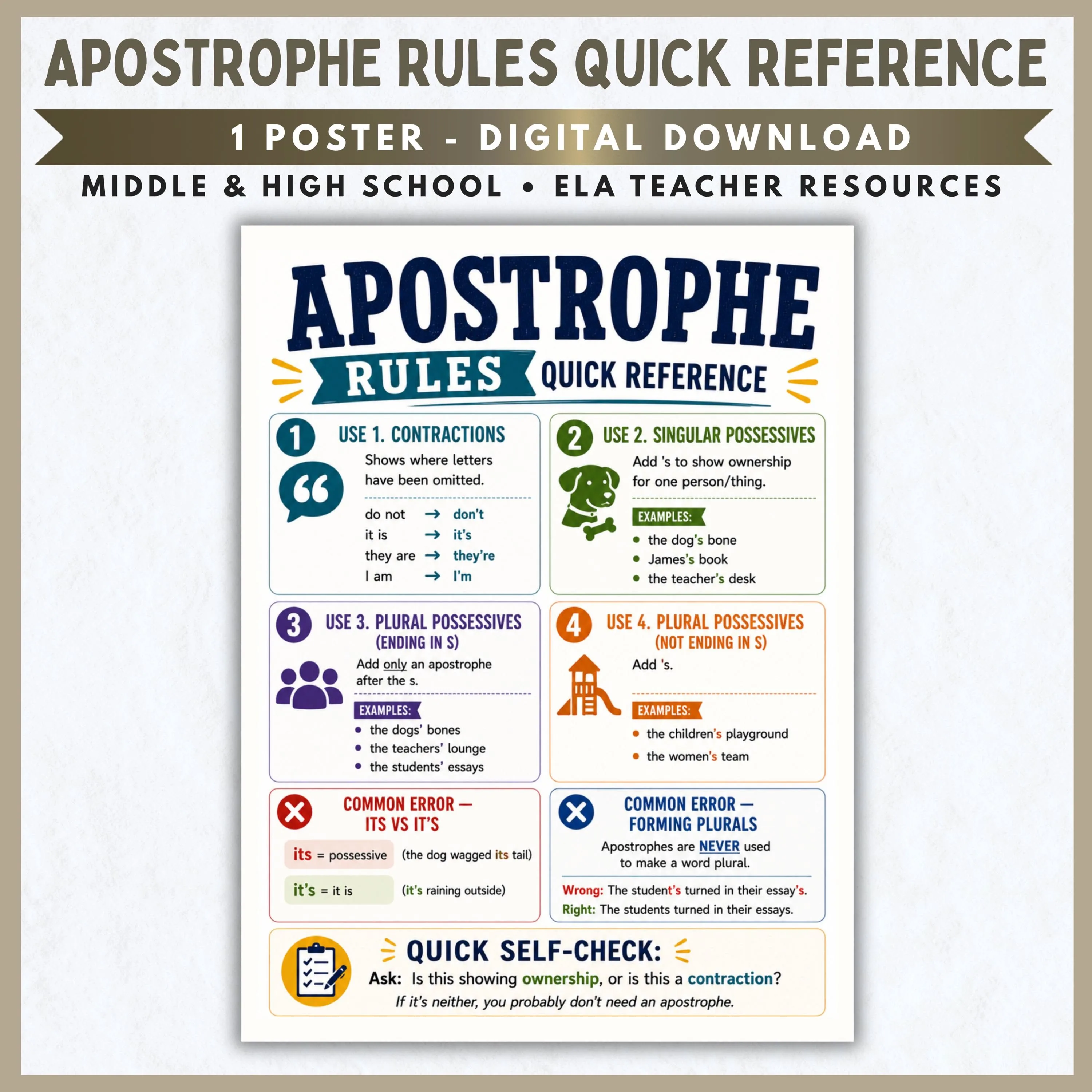
Master every apostrophe rule with clear examples. Covers possessives, contractions, its vs it's, plural rules, and the most common apostrophe mistakes to avoid.
Master every comma rule with clear examples. Covers Oxford commas, introductory elements, compound sentences, nonessential clauses, and the most common comma errors.
The comma rules that trip up professional writers. Oxford commas, restrictive clauses, compound sentences, and the four rules that fix 80 percent of errors.
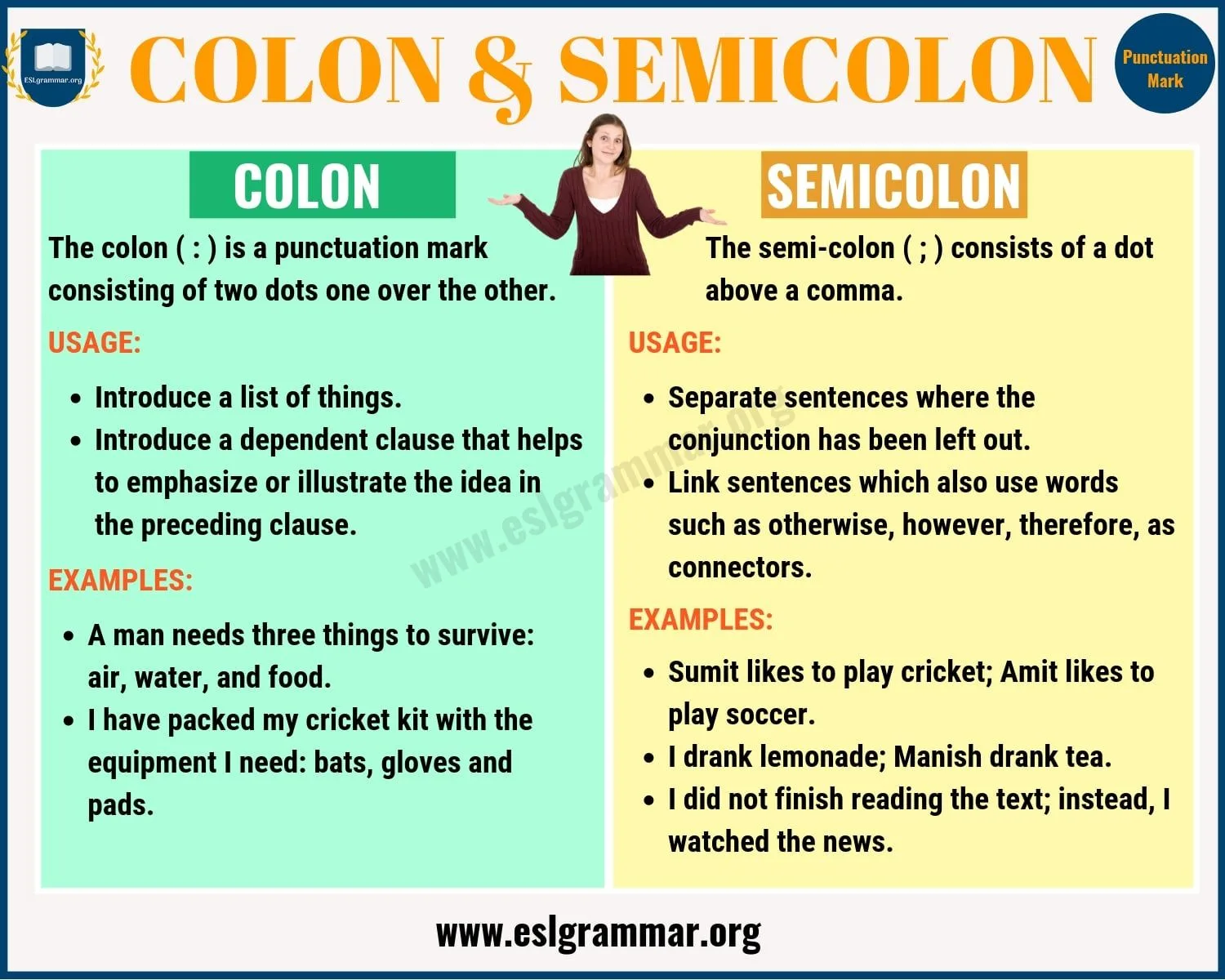
Learn when and how to use semicolons correctly. Covers independent clauses, conjunctive adverbs, complex lists, and common semicolon mistakes with clear examples.
Use a semicolon to join two complete sentences that are closely related in meaning. A comma alone in that position creates a comma splice, which is an error. The semicolon signals a stronger break than a comma but a weaker one than a full stop.
The hyphen is shortest and joins compound words. The en dash is wider and marks ranges, such as spans of dates or page numbers. The em dash is widest and sets off a parenthetical break in a sentence. Each has a distinct job.
For a singular noun, add an apostrophe plus s. For a plural noun already ending in s, add the apostrophe after that s. The common trap is its versus it is: its is possessive with no apostrophe, while the contraction takes one.