Commonly Confused guides and examples: practical, expert-written references you can apply straight away.
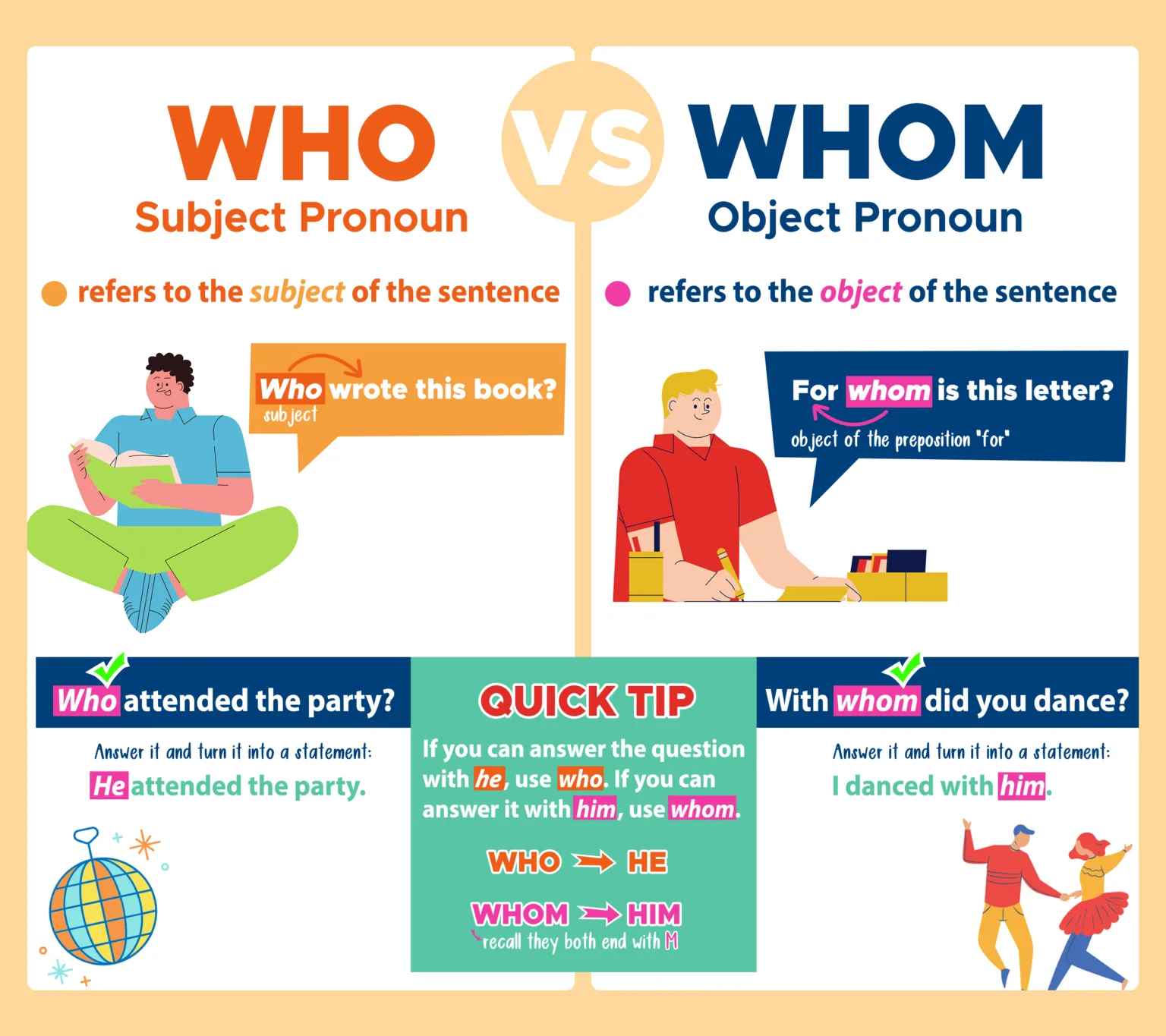
Master who vs whom with the he-or-him substitution test, embedded clause rules, and real examples from formal to casual writing.
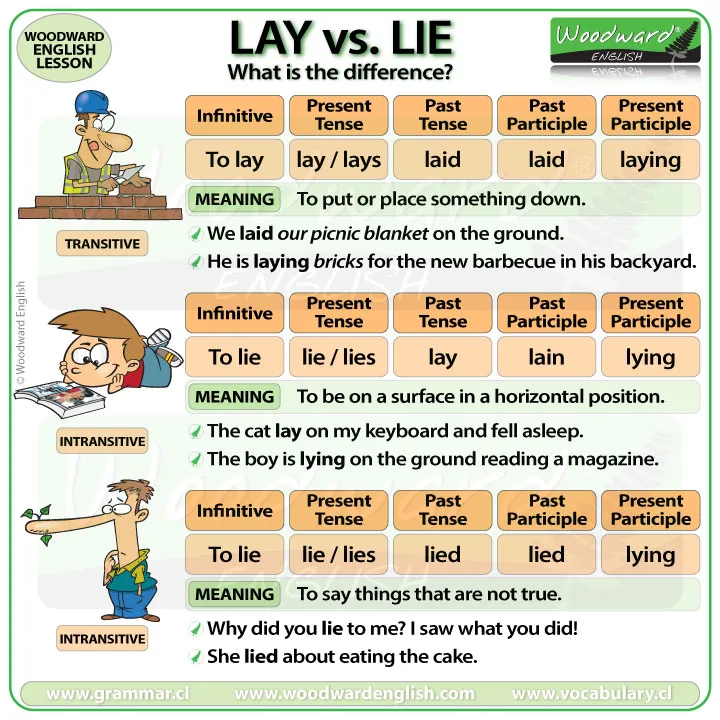
Master lay vs lie once and for all. The transitive-intransitive rule, every verb form, real examples, and the past tense trap that confuses everyone.
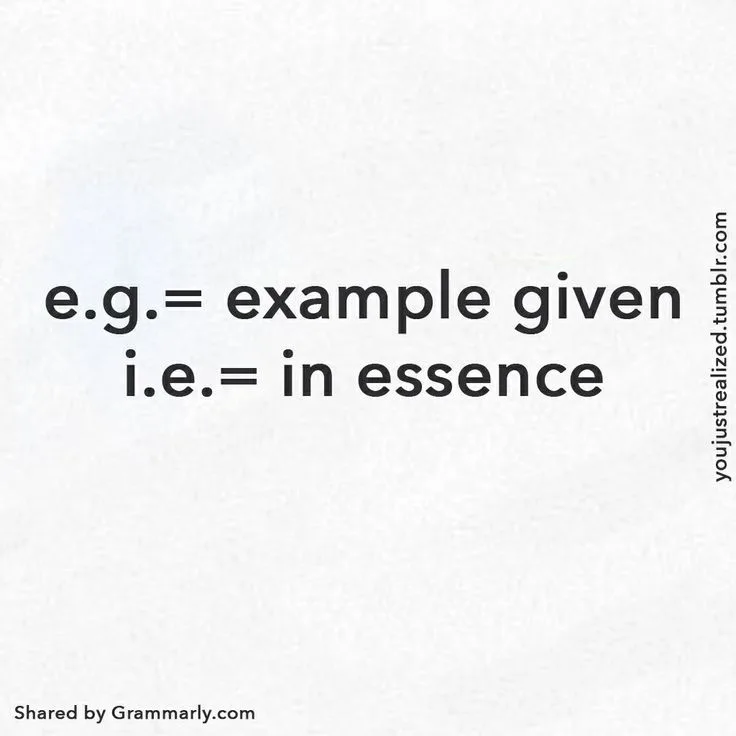
Learn the exact difference between e.g. and i.e. with punctuation rules, 20+ examples, common mistakes, and a self-check exercise for professional writers.
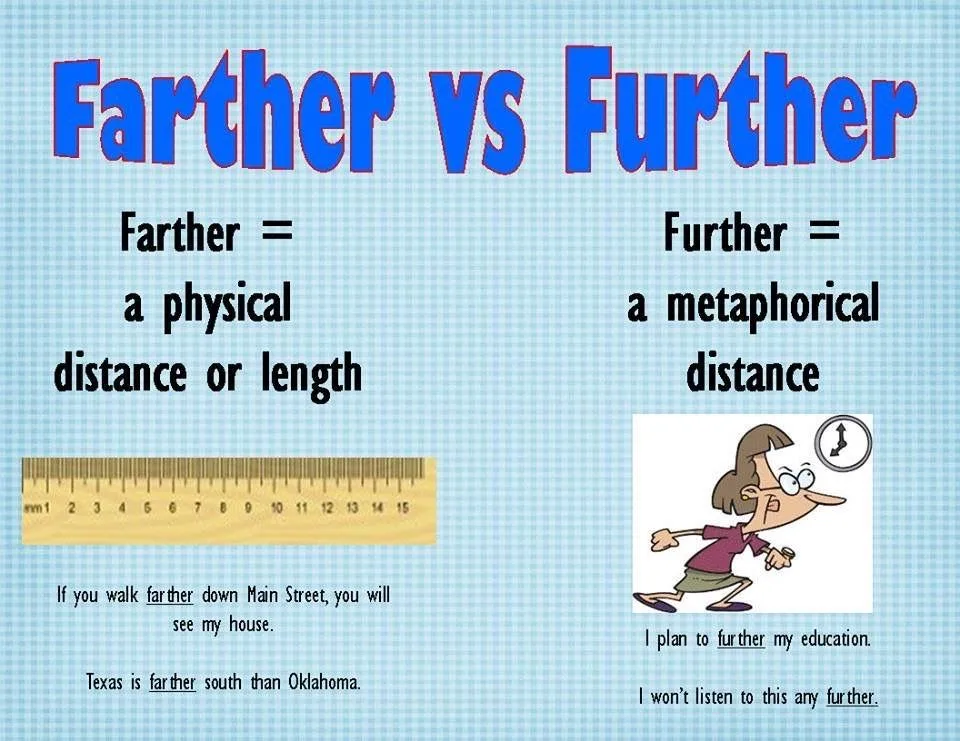
Master the difference between farther and further with the physical vs figurative rule, 20+ examples, common mistakes, and a self-check exercise.

Master fewer vs less with the countable vs uncountable rule, 20+ examples, modern usage debate, and a quick test that handles every edge case in writing.

Master I vs me vs myself with the drop-the-other-person test, compound subjects, prepositional phrases, reflexive pronouns, and 20+ examples.
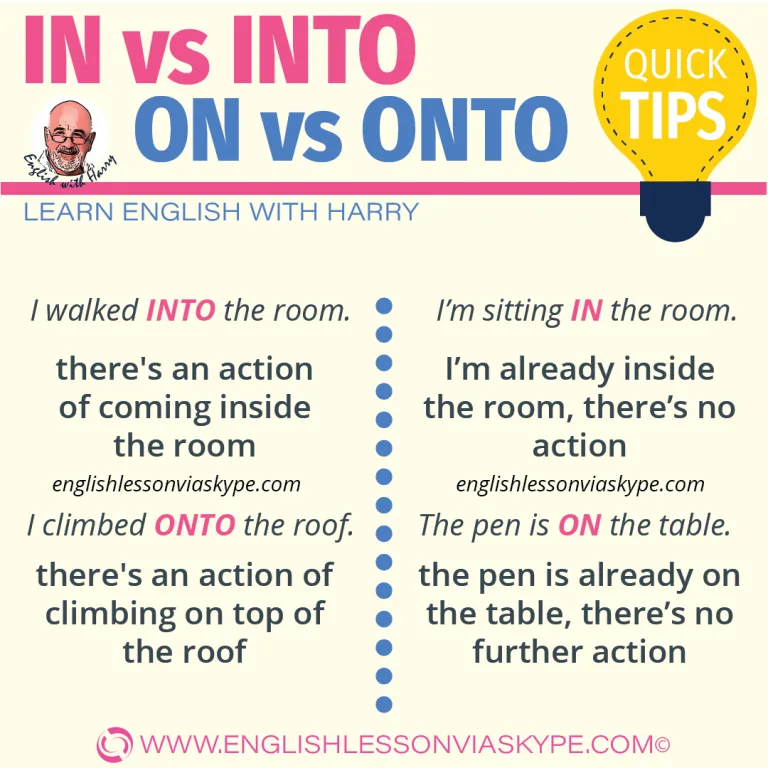
Master the difference between 'into' and 'in to' with clear rules, 20+ examples, common mistakes, and a self-check exercise for professional writers.
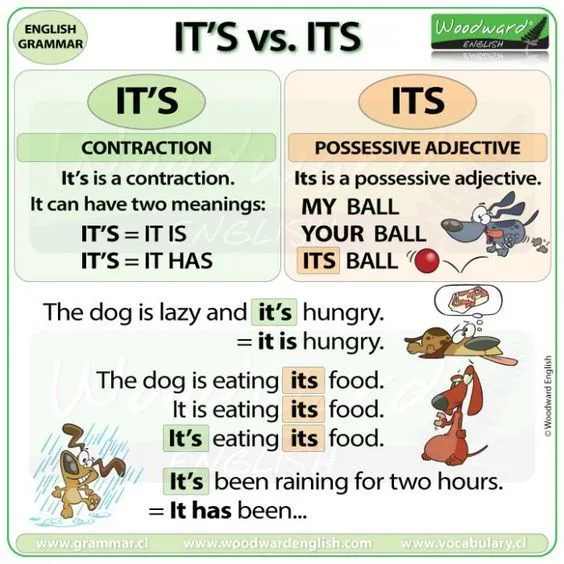
Clear guide to its vs it's with substitution test, comparison tables, edge cases, and practice sentences for professional and academic writing.
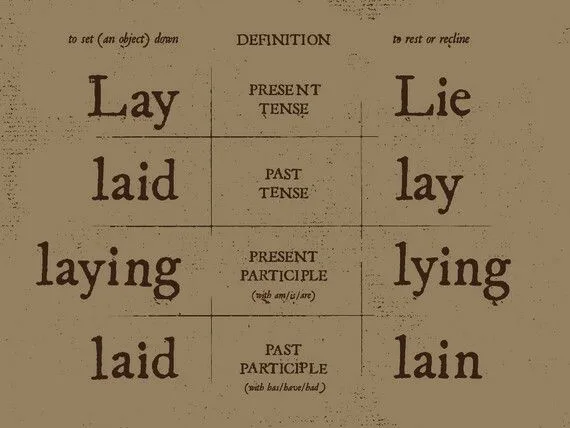
Master lay vs lie with clear rules, present and past tense tables, 20+ example sentences, and a quick memory trick that eliminates the confusion for good.
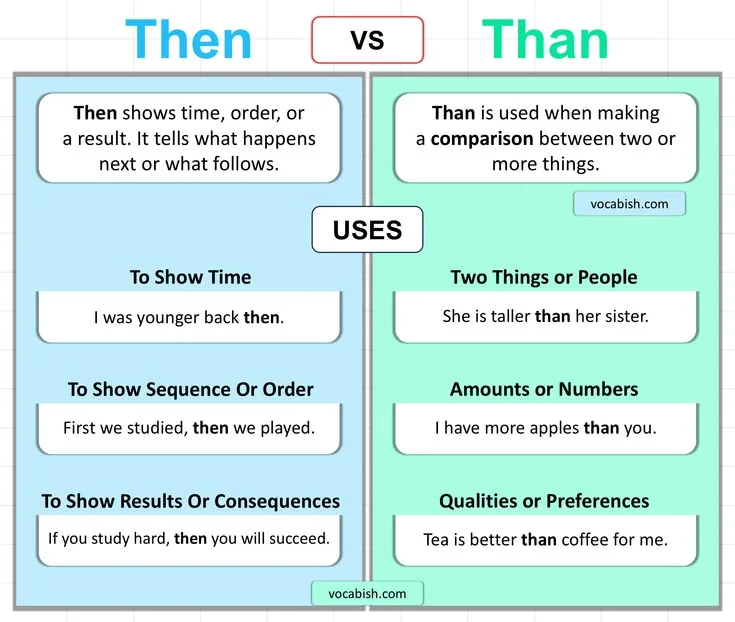
Clear guide to than vs then with comparison vs sequence rule, 20+ examples, a mnemonic that sticks, and a self-check exercise for writers of every level.

Master affect vs effect with one simple rule. Clear examples, memory tricks, edge cases, and practice sentences for professional and academic writing.

Expert guide to the most common grammar mistakes in professional writing. Covers subject-verb agreement, comma splices, apostrophes, modifiers, and more with clear corrections.
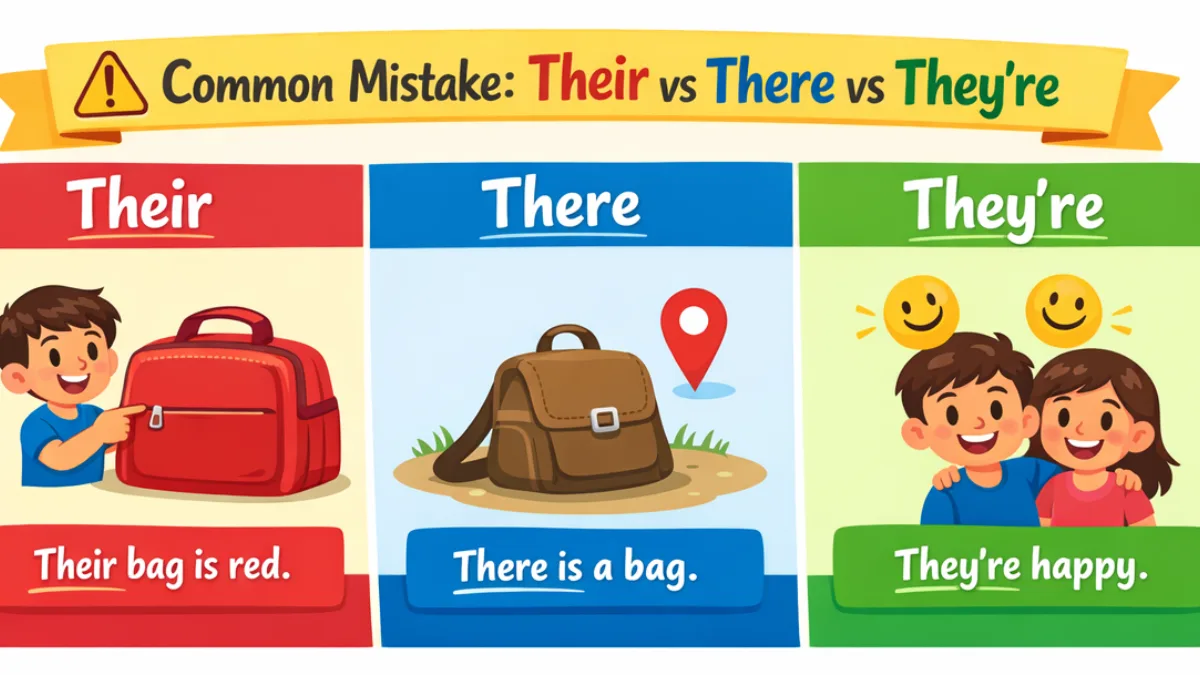
Clear guide to their, there, and they're with examples, memory tricks, and practice sentences. Covers similar homophones like your/you're and its/it's.
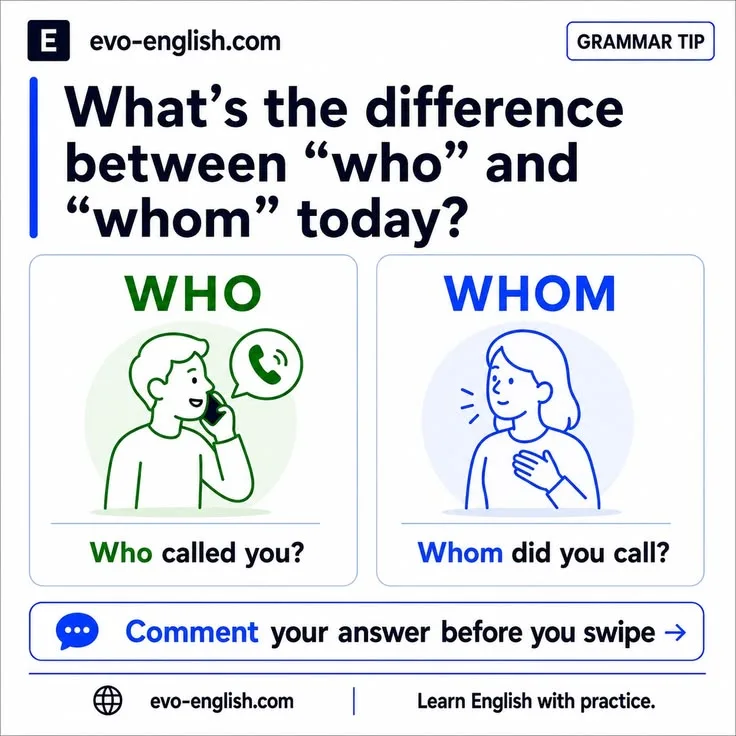
The he-him test, working examples, and the one rule that settles every who vs whom question. Plus the cases where whom is optional even in formal writing.
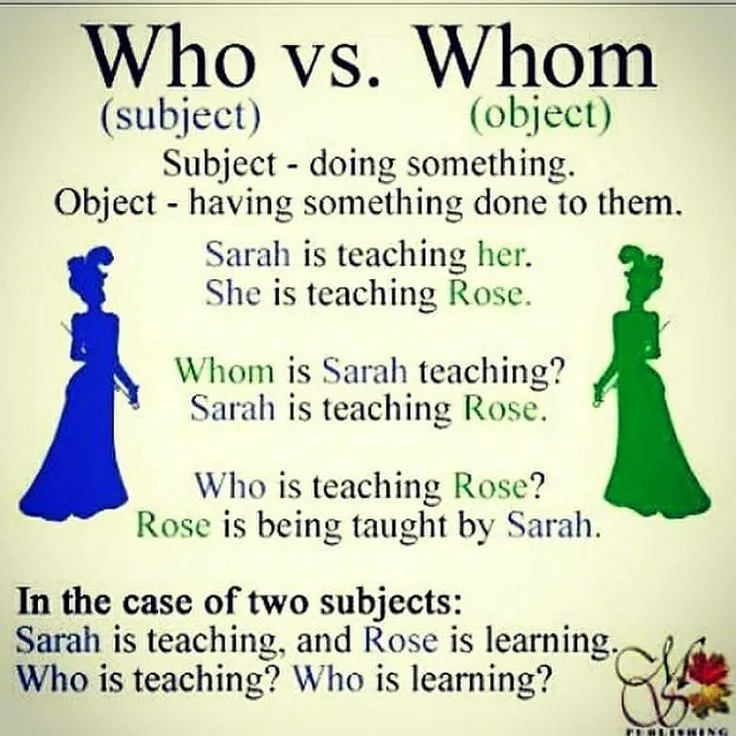
Learn when to use who vs whom with the simple he/him trick. Covers formal vs informal usage, whoever vs whomever, and real examples in questions and statements.
Affect is usually the verb and effect is usually the noun. A useful memory aid: the a in affect matches the a in action, and the e in effect matches the e in end result. That covers the great majority of everyday uses.
Substitute he or him. If he fits, use who; if him fits, use whom. Both him and whom end in the letter m, which makes the pairing easy to recall. Rearrange a question into a plain statement first if the structure is unclear.
Use fewer for things you can count individually, such as fewer emails or fewer mistakes. Use less for quantities measured as a mass, such as less time or less water. The test is whether you could put a number in front of the noun.
