
resignation
Resignation Letter Examples: Two Weeks Notice Done Right
Four-paragraph resignation letter structure, five full examples from standard notice to difficult departures, and transition period guidance.
Professional letter templates for recommendations, cover letters, resignations, complaints, and every formal correspondence situation you will encounter.
A well-crafted letter can secure a job interview, strengthen a professional relationship, resolve a dispute, or open doors that no email or phone call could. Despite the rise of digital communication, formal letters remain essential in business, legal, academic, and personal contexts where tone, structure, and professionalism carry real weight.
This collection provides expert-written, ready-to-use letter templates for every professional and personal scenario. Each template includes multiple variations, guidance on formatting and tone, and the reasoning behind each structural choice so you understand not just what to write, but why it works.
What you will find: Cover letters, resignation letters, recommendation letters, complaint letters, thank you letters, formal business correspondence, reference requests, appeal letters, and dozens more - all written by communication professionals and tested in real-world situations.
Professional recommendation and reference letter templates
4 articlesCover letter examples and templates for every industry
4 articlesProfessional resignation and two weeks notice letter templates
3 articlesFormal complaint letter templates and examples
3 articlesLetter of interest and letter of intent templates
3 articlesHow to write and request professional reference letters
4 articlesEmployment termination letter templates and legal tips
2 articlesJob offer letter templates for employers
3 articlesProfessional appreciation and thank you letter templates
3 articlesAuthorization, appeal, sponsorship, and other formal letter templates
4 articlesTwo weeks notice and resignation letter examples
1 articles Four-paragraph resignation letter structure, five full examples from standard notice to difficult departures, and transition period guidance.
Five-section request letter structure, context sizing guide, and six full examples covering meetings, raises, extensions, sponsorships, and accommodations.
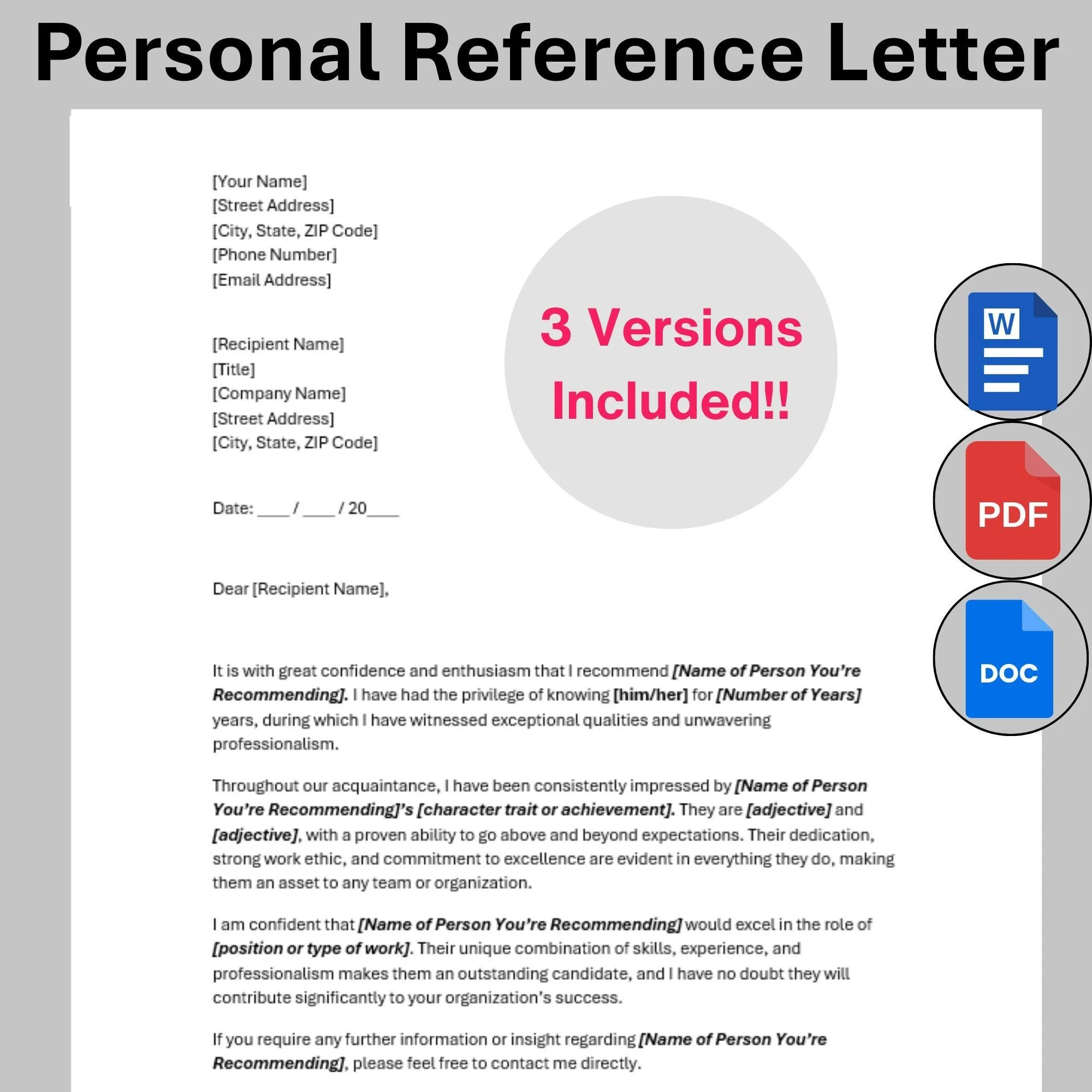
Four-section reference letter structure, credibility language patterns, and three full templates for direct manager, executive, and character references.
Five-section structure, specific evidence patterns, and three full templates for graduate school, job, and fellowship recommendation letters.
Six-part offer letter structure, essential components checklist, and three full templates covering individual contributor, executive, and entry-level offers.
Five-section complaint letter structure, authoritative language patterns, and four full templates for billing, product, service, and workplace complaints.
Four-paragraph structure, timing guidance, and five full appreciation letter examples that make employees feel genuinely seen by their manager.
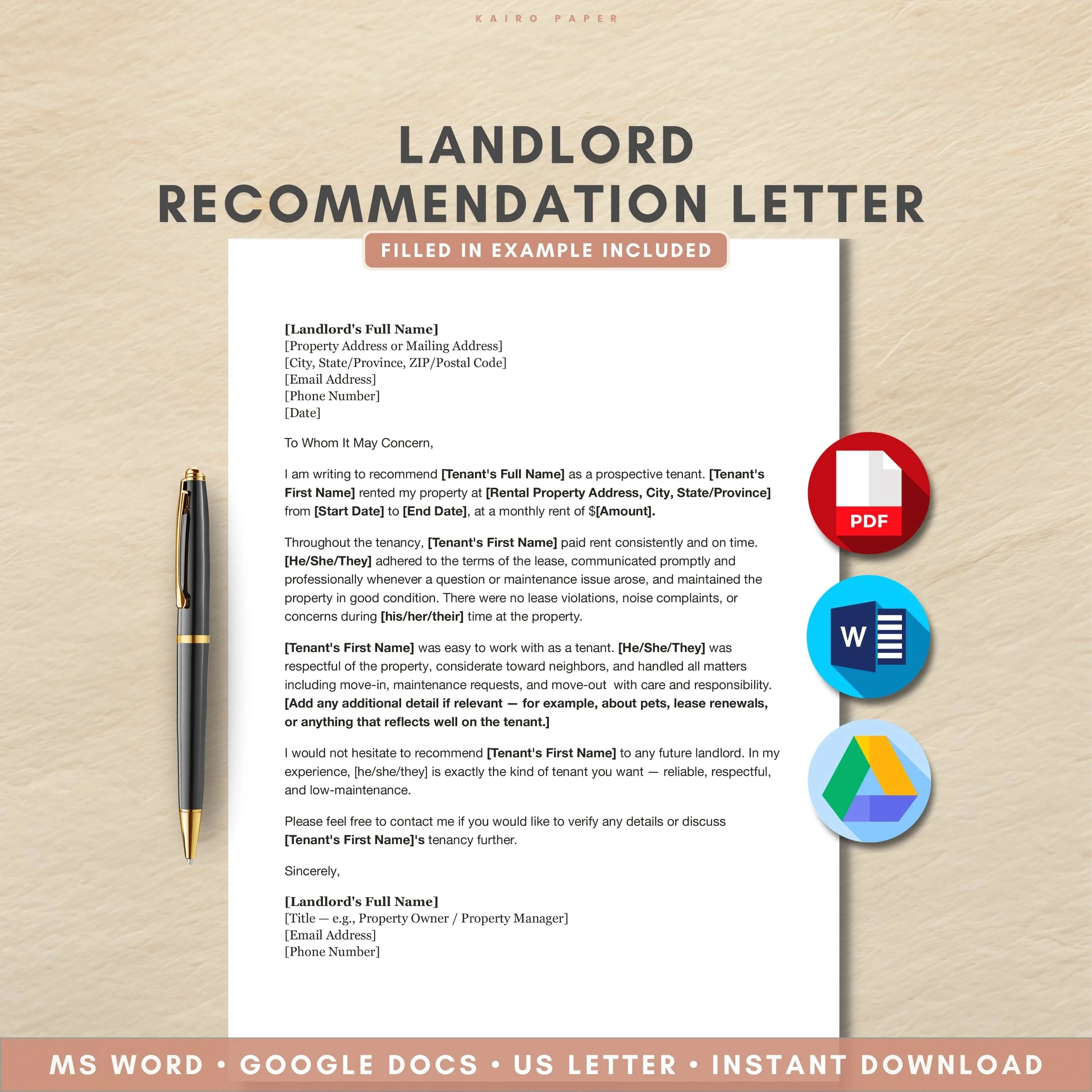
10+ formal complaint letter templates for tenants covering repairs, security deposits, neighbor noise, mold, pests, illegal entry, and habitability issues.
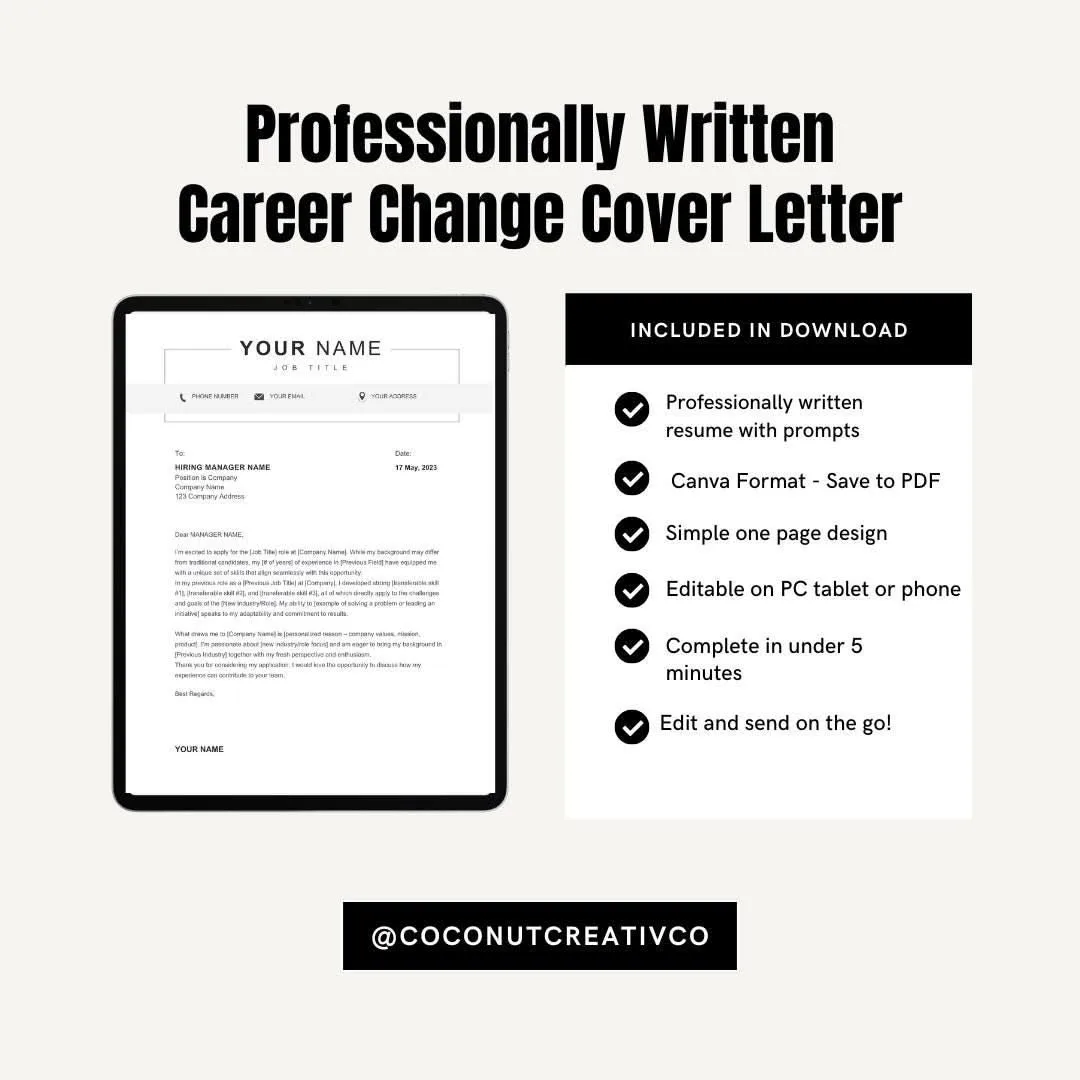
10+ career change cover letter templates covering tech to marketing, teacher to trainer, military to civilian, finance to nonprofit, and more industry transitions.
10+ letter of interest templates for internal promotion including manager roles, senior positions, lateral moves, director-level steps, and cross-functional opportunities.
10+ internship offer letter templates for employers covering paid, unpaid, summer, co-op, remote, graduate, and international internships with legal compliance.
College recommendation letter guide for teachers, counselors, and mentors with five-part framework, anecdote structure, and language patterns admissions readers respond to.
10+ graduate school recommendation letter templates for MBA, PhD, medical school, law school, and master's programs with expert structure and comparative framing.
Character reference letter templates for court with five-part framework, sentencing and probation formats, and language that works in legal contexts.
10+ character reference letter templates for court, immigration, landlord, adoption, licensing, and other personal reference needs. Formal, specific, and professional.
10+ immediate resignation letter templates for resigning without notice due to health, family emergency, hostile workplace, better offer, relocation, and more.
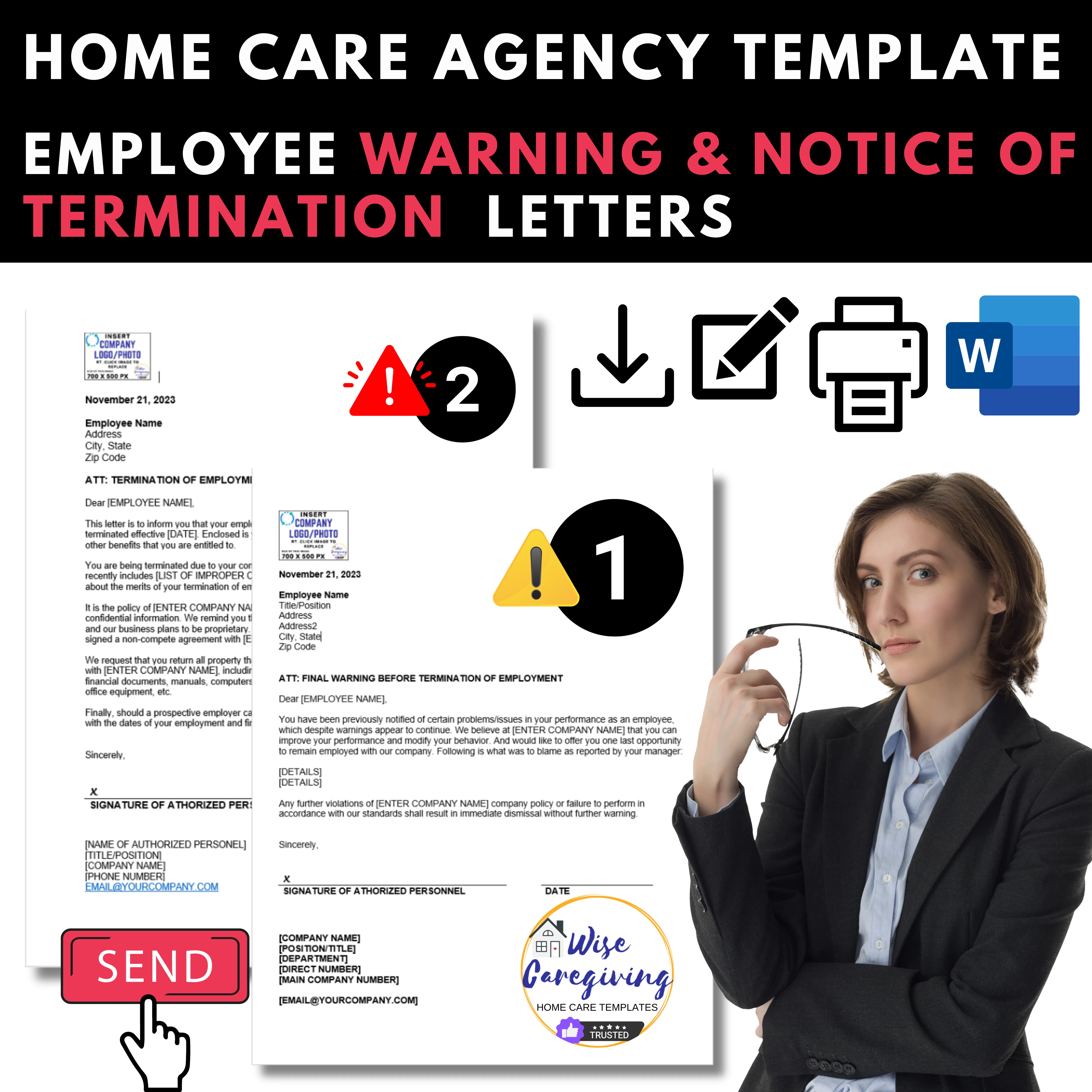
10+ for-cause employee termination letter templates covering misconduct, performance, policy violations, attendance, insubordination, and documented progressive discipline.
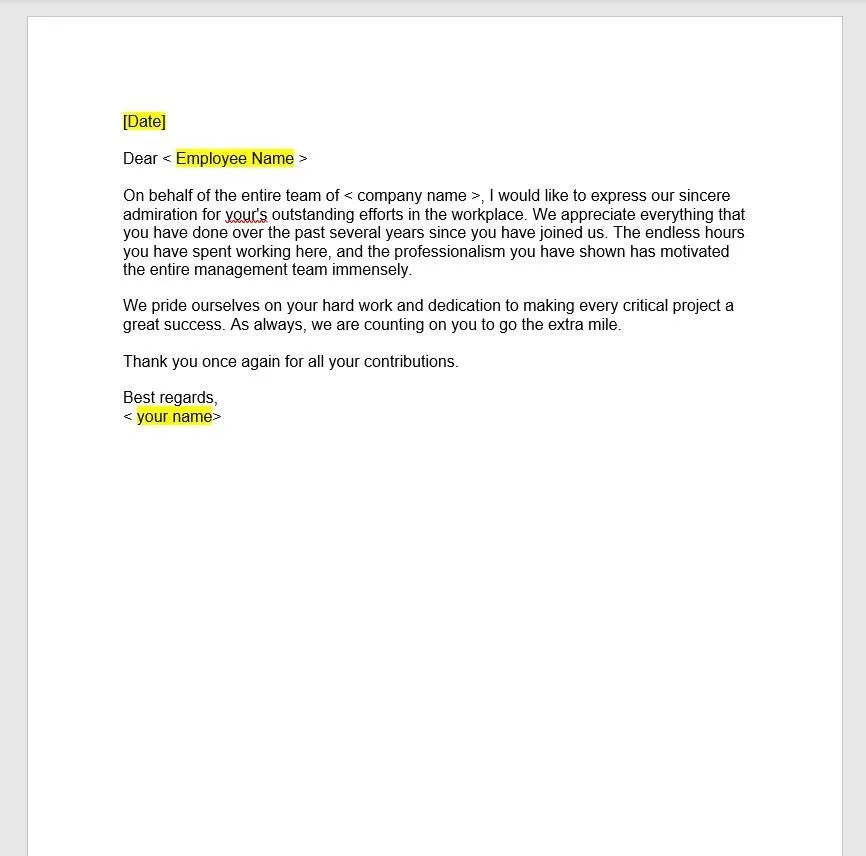
Professional appreciation letter templates for every workplace occasion. 10 expert examples for employees, clients, vendors, mentors, volunteers, and more.
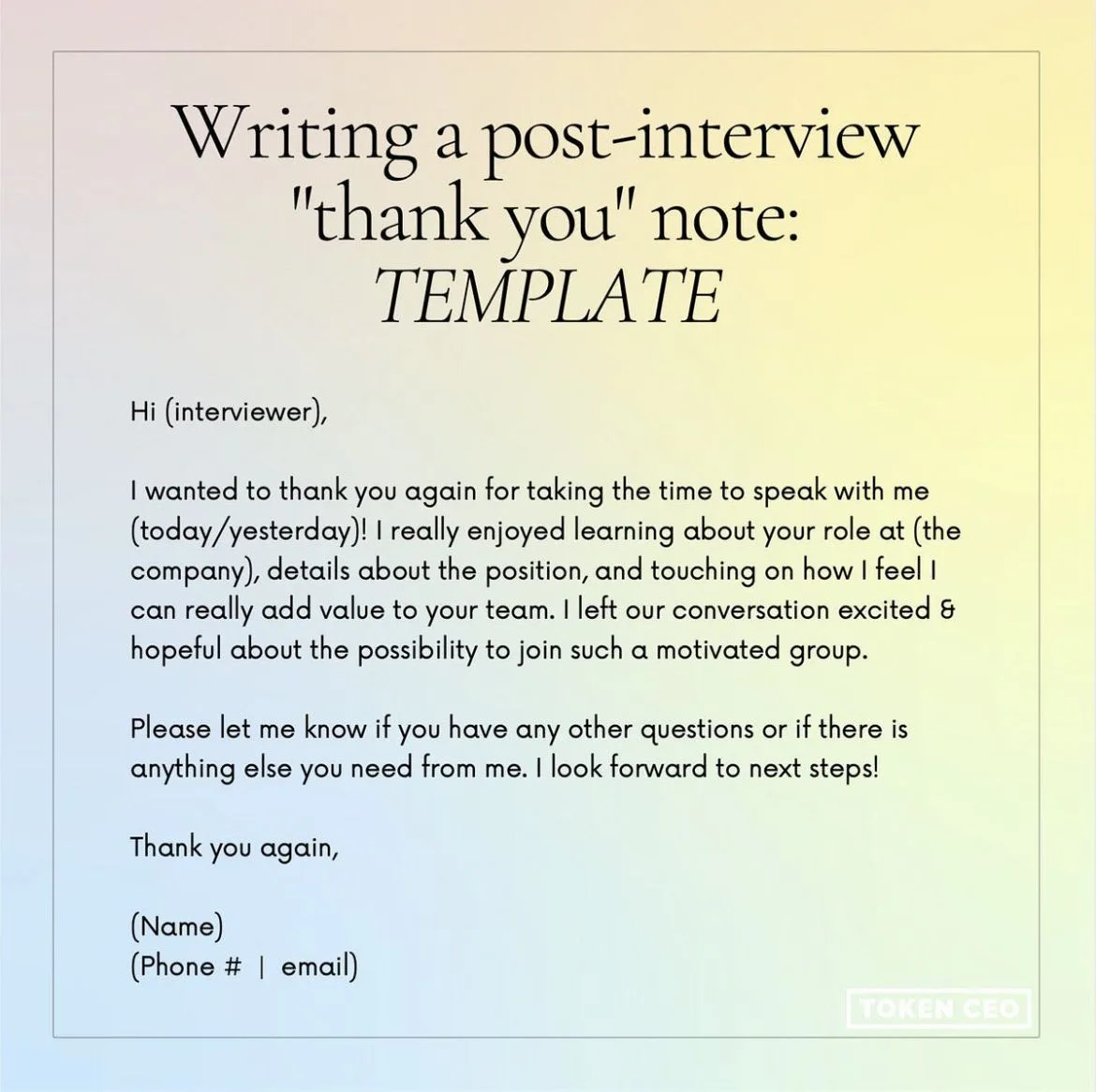
Thank you letter templates for after job interviews. 10 expert examples for first, second, panel, phone, video, and executive interviews with timing and format advice.
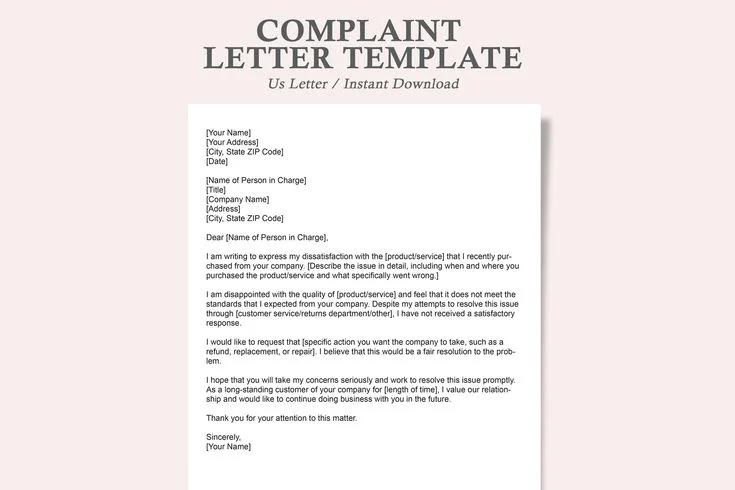
Formal complaint letter templates for products, services, workplace issues, insurance disputes, and more. 10 professional examples with proper format and escalation guidance.

Entry-level cover letter templates for students and recent graduates with four-part framework, language patterns, and ways to frame coursework as real experience.
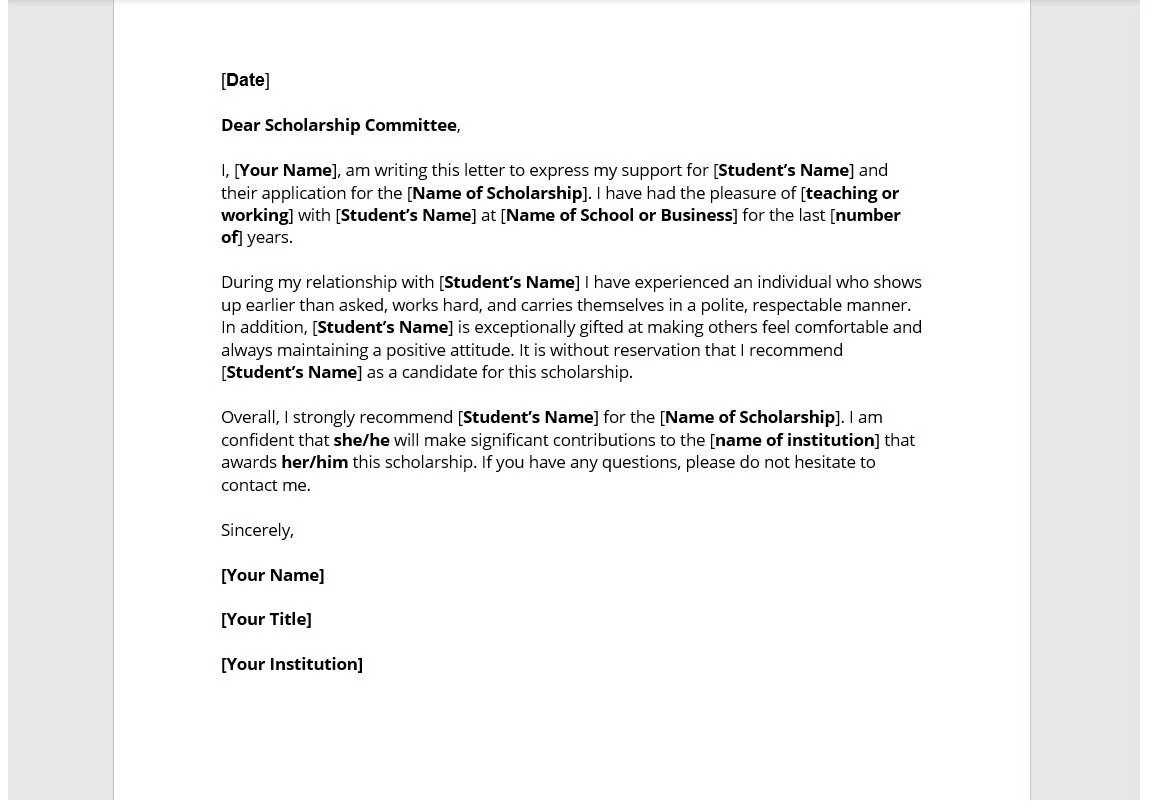
Write a cover letter recruiters actually read. Four-paragraph structure, opener formulas, real examples from tech, finance, nonprofit, and academia.

Industry-specific cover letter templates for technology, healthcare, finance, marketing, education, and more. 12 ready-to-use examples with ATS optimization tips.
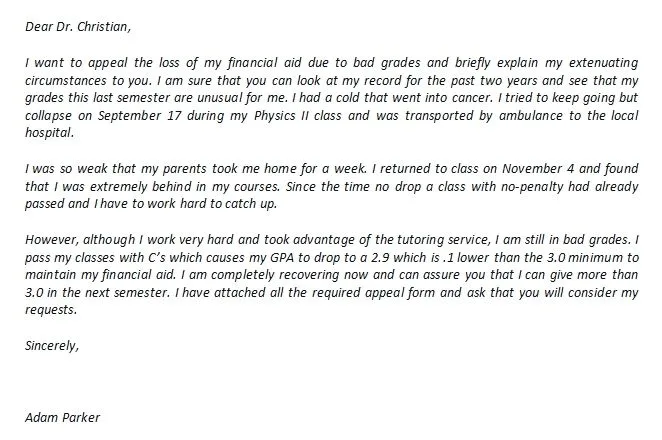
Expert appeal letter templates for insurance claims, academic dismissal, parking tickets, job termination, and more. 10 persuasive examples with step-by-step guidance.
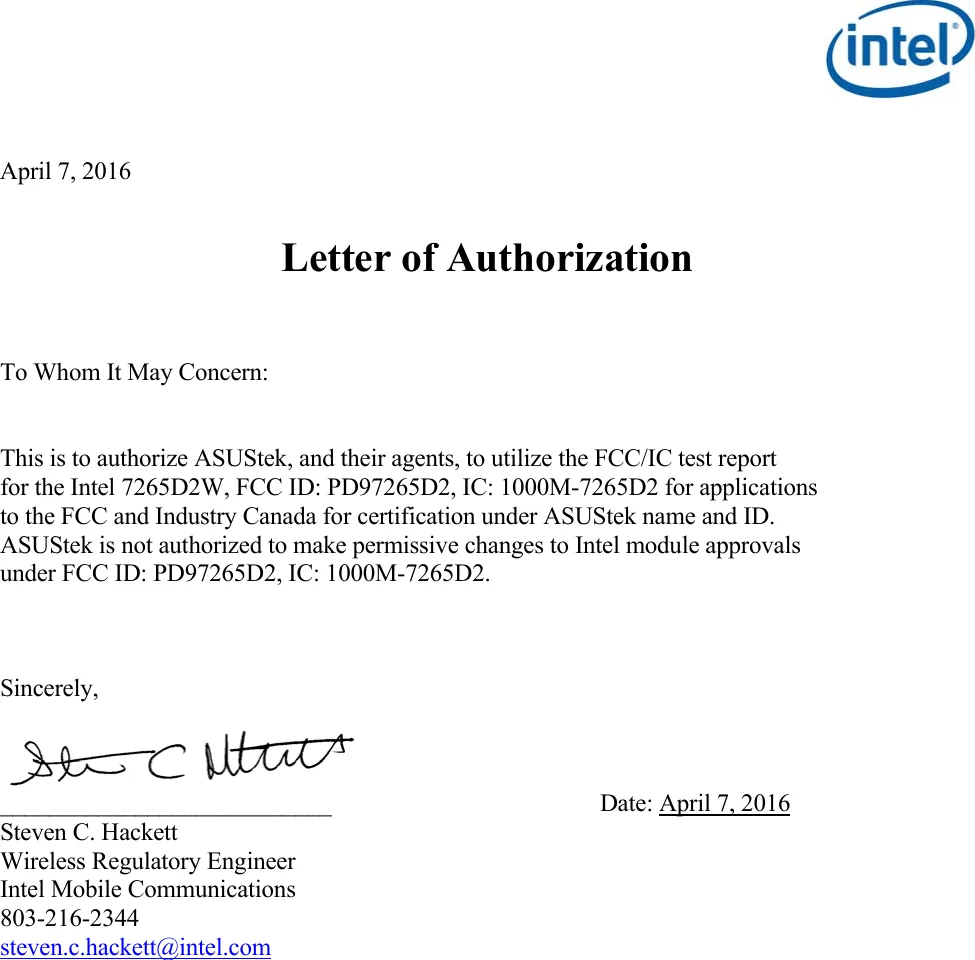
Professional authorization letter templates with format guide. 10 templates for bank, medical, travel consent, property, legal, and insurance authorizations.
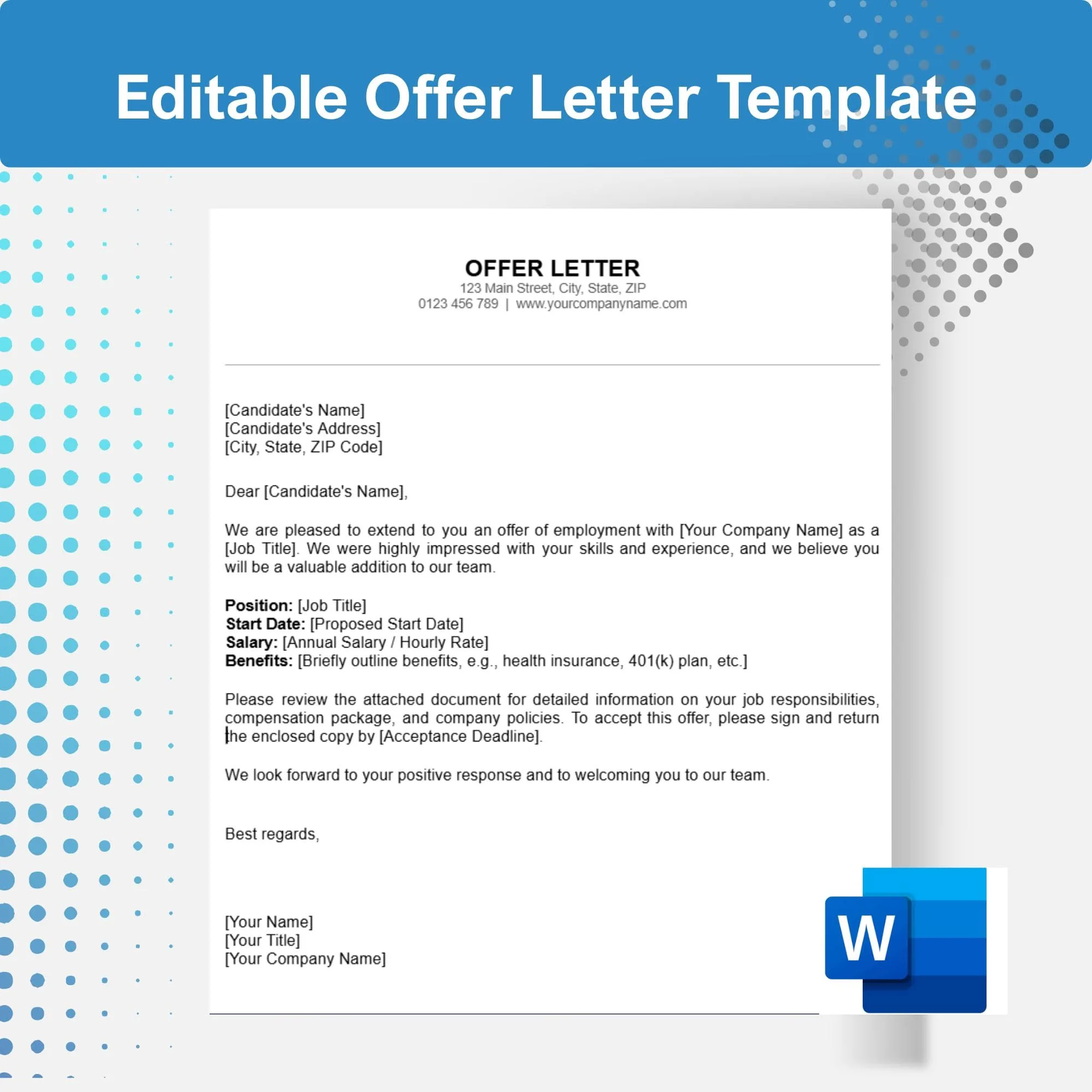
Sponsorship letter templates that actually get funded. 10 proven examples for events, sports teams, nonprofits, conferences, and more with expert strategy guidance.

Letter of intent templates for real estate, business, graduate school, employment, and more. 10 expert examples with guidance on legal implications and key clauses.
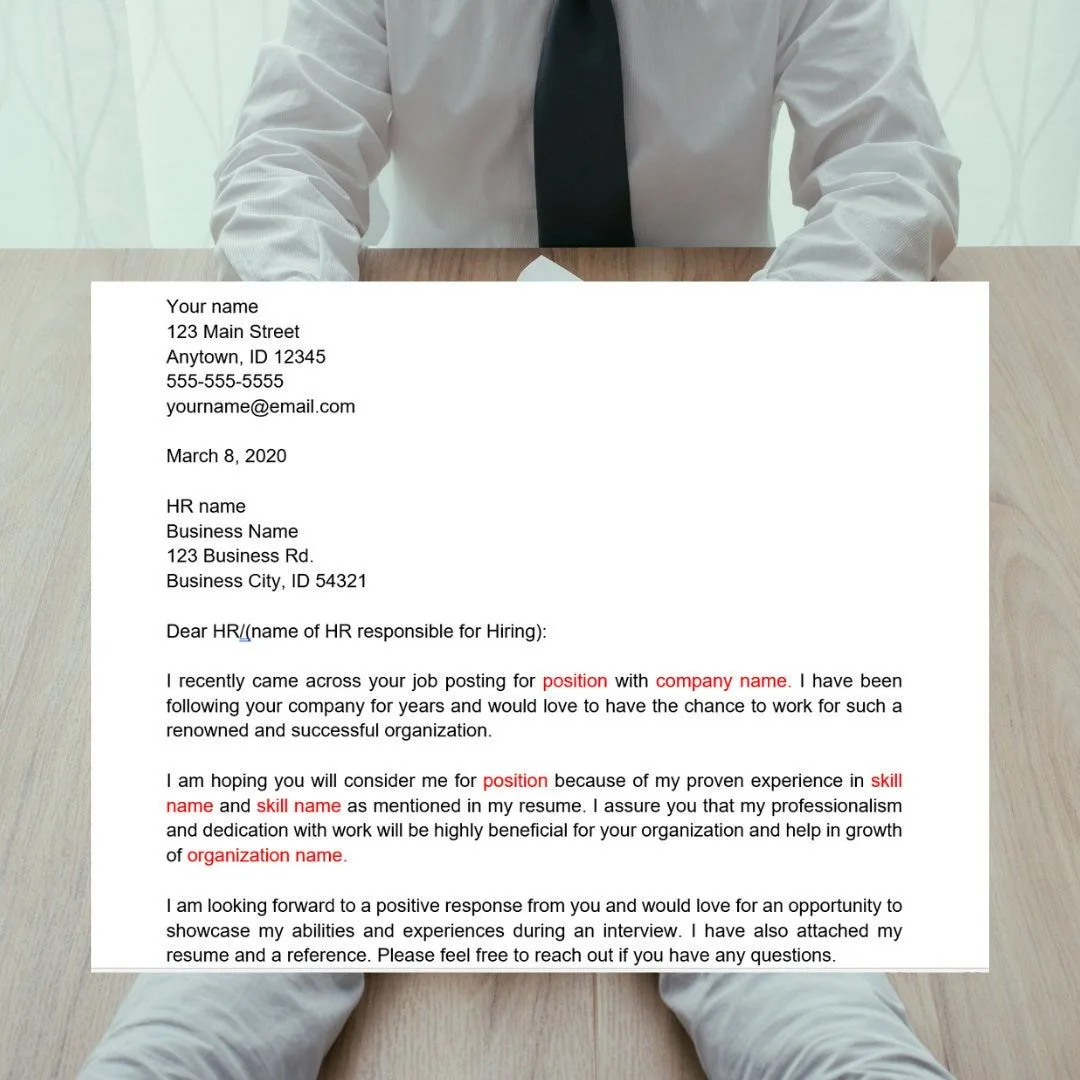
Letter of interest templates for jobs, internships, business partnerships, graduate programs, and more. 10 professional examples with expert guidance on when and how to send them.
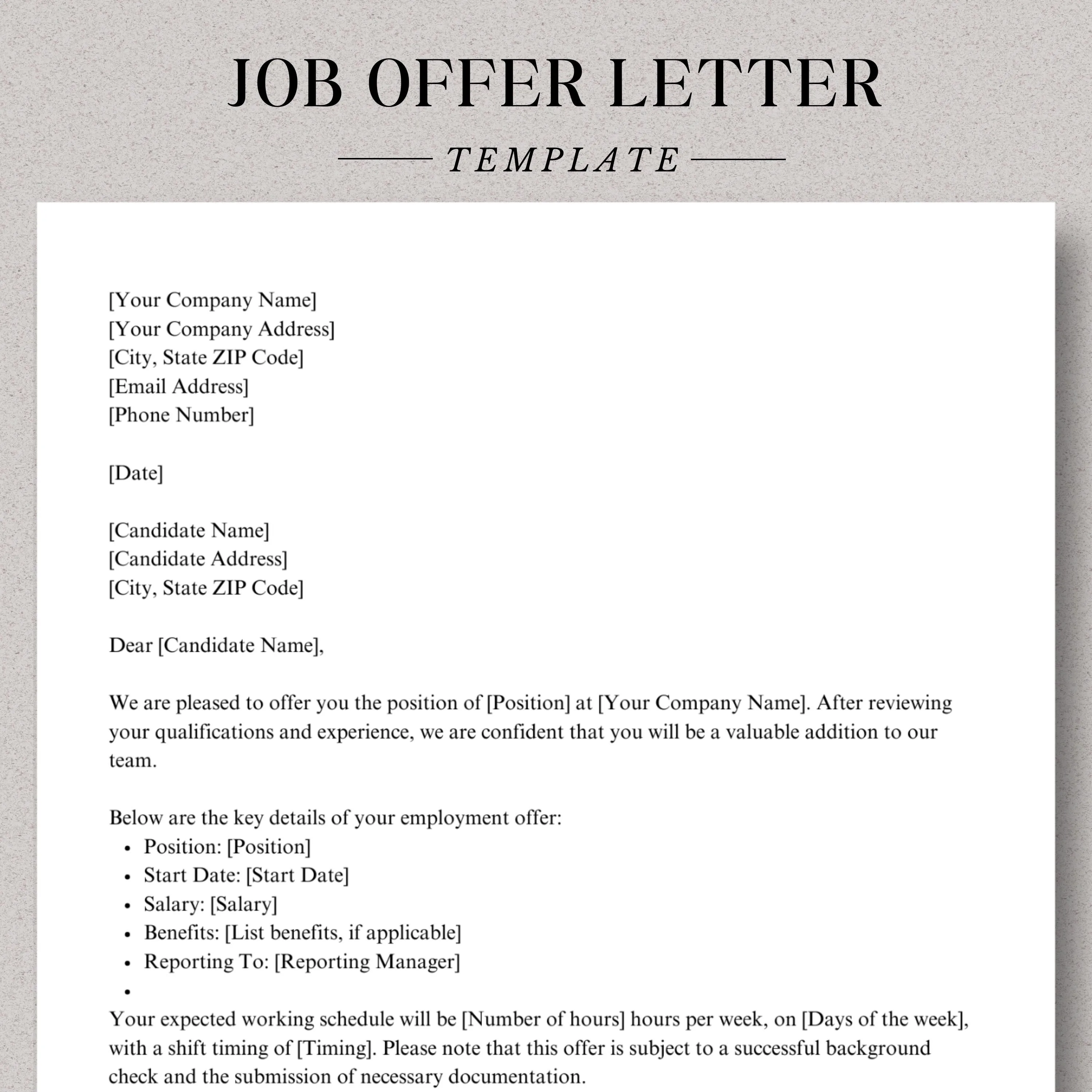
Complete job offer letter templates for employers and HR professionals. 10 templates covering full-time, executive, remote, internship, and conditional offers.

Professional recommendation letter templates for academic, employment, character reference, and scholarship purposes. 10 ready-to-use templates with expert writing guide.
Expert guide to writing and requesting reference letters with 10 professional templates. Covers manager, colleague, academic, character, and employment references.
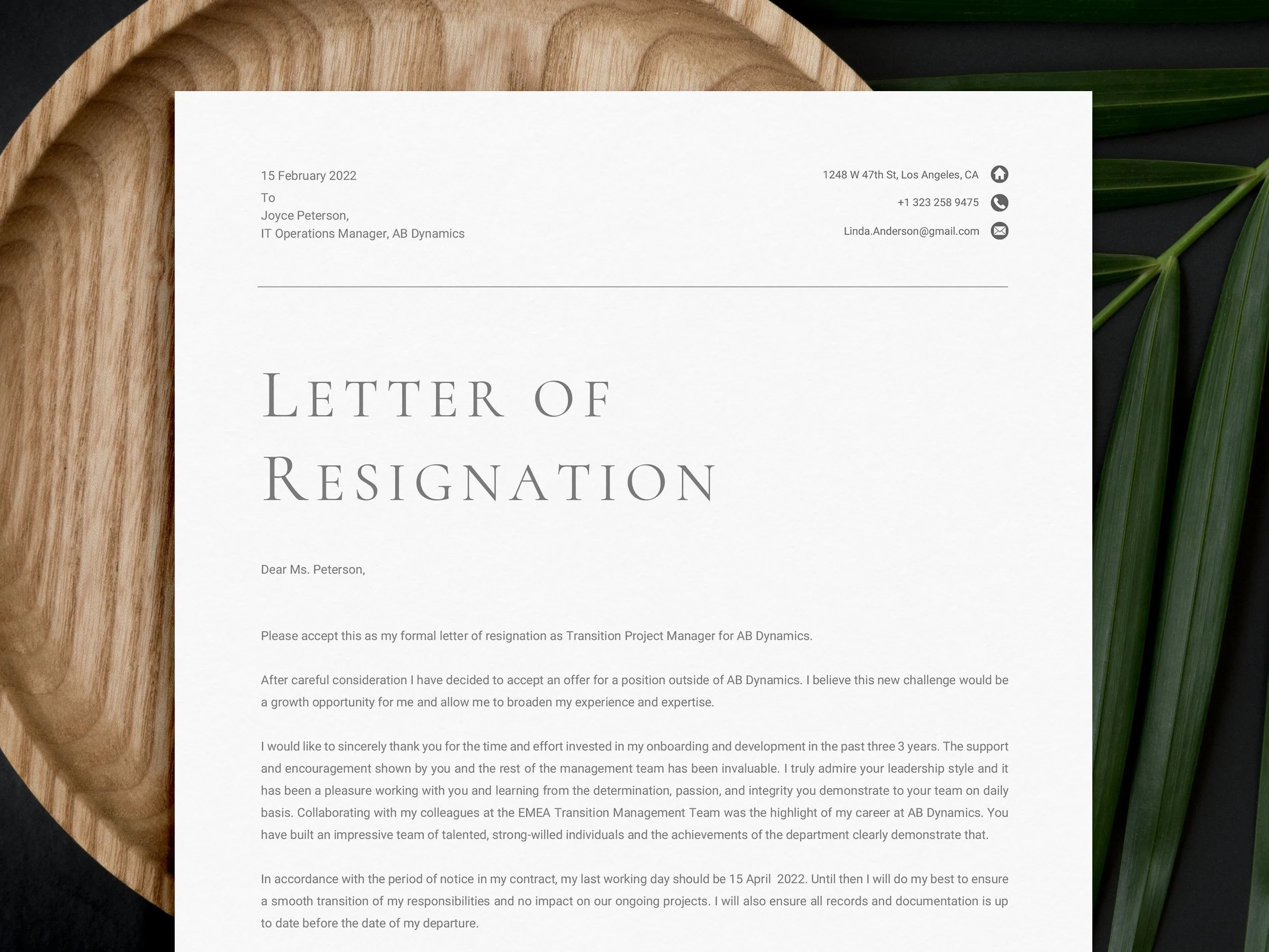
Professional resignation letter templates for every situation. 10 examples including two weeks notice, immediate resignation, retirement, and career change with expert guidance.
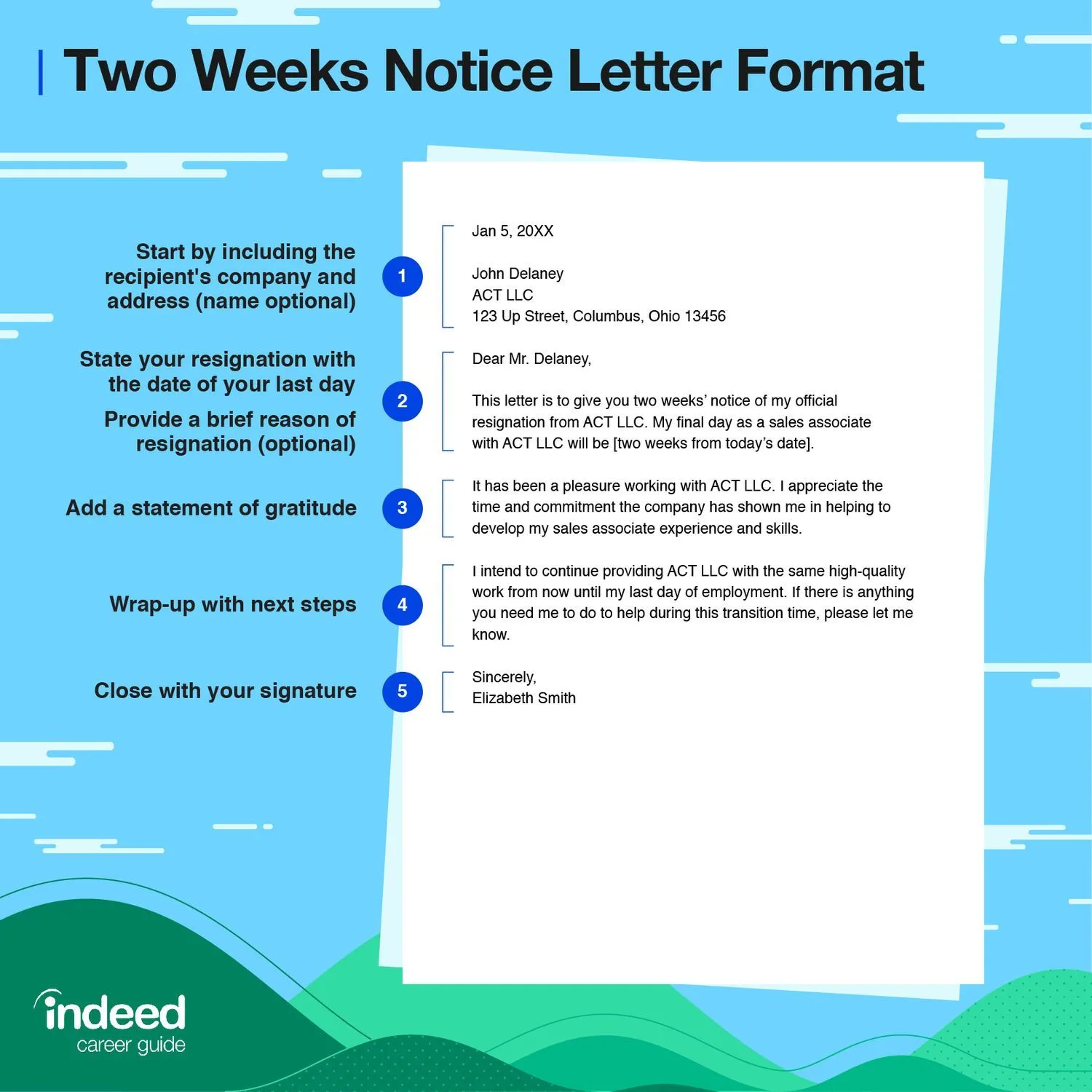
Professional two weeks notice letter templates for every situation. 10 examples including standard, email, executive, remote, and probation formats with legal guidance.
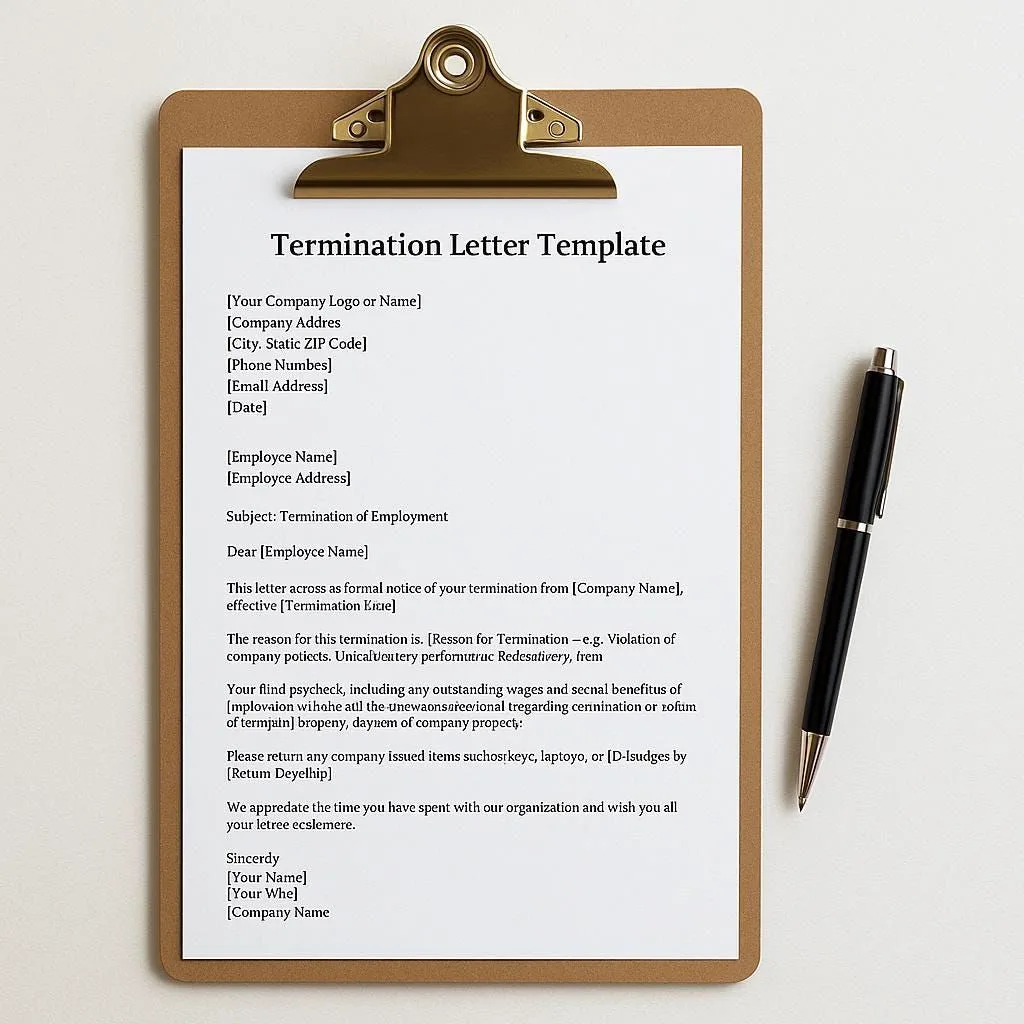
Professional termination letter templates with legal guidance. 10 templates covering at-will, for-cause, layoff, probation, and contract terminations with compliance tips.
A strong cover letter begins with a header that includes your contact information, the date, and the employer's details. Open with a compelling first paragraph that names the specific position you are applying for and briefly explains why you are an excellent fit.
The body paragraphs should highlight two or three key achievements that directly relate to the job requirements, using specific numbers and results wherever possible. Rather than repeating your resume, a cover letter should tell the story behind your qualifications and demonstrate your understanding of the company's needs.
Address the letter to a specific person whenever you can, as generic greetings like 'To Whom It May Concern' signal a lack of effort. Close with a confident statement expressing your enthusiasm for the opportunity and a clear call to action, such as requesting an interview.
Keep the entire letter to one page, use a professional font, and proofread carefully for grammar and spelling errors. Tailor every cover letter to the specific role rather than sending a generic version, because hiring managers can immediately tell the difference.
A resignation letter must include several essential elements to maintain professionalism and protect your reputation. Start with the date and your manager's name and title. The opening paragraph should clearly state that you are resigning and specify your last working day, which is typically two weeks from the date of the letter unless your contract requires a different notice period.
The second paragraph should express genuine gratitude for the opportunities, mentorship, or experiences you gained during your tenure. Even if your experience was not entirely positive, maintaining a gracious tone is critical because this letter often becomes part of your permanent employment file.
The third paragraph should offer to assist with the transition, whether that means training your replacement, documenting your processes, or completing outstanding projects before your departure. Close with a professional sign-off and your signature. Avoid mentioning your new employer, criticizing the company or colleagues, or listing grievances.
Keep the letter concise, ideally no more than one page. A well-written resignation letter preserves relationships and ensures you leave on good terms, which matters for future references and professional networking.
Requesting a recommendation letter requires thoughtfulness, timing, and preparation. Begin by choosing the right person, someone who knows your work well and can speak specifically about your strengths, accomplishments, and character. Contact them at least three to four weeks before the deadline to give them adequate time.
When making your request, be direct and specific about what the recommendation is for, whether it is a job application, graduate school admission, or a professional award. Provide context by sharing your resume, the job description or program details, and a brief summary of the key points you hope they might address.
This makes it easier for the recommender to write a detailed, relevant letter rather than a vague endorsement. If you are asking a former professor or employer, remind them of specific projects or achievements you worked on together. Always give them an easy way to decline without awkwardness, as a reluctant recommender will likely write a lukewarm letter.
After they agree, send a follow-up with all deadlines, submission instructions, and any required forms. Once the letter has been submitted, send a sincere thank-you note. If you get the position or acceptance, let them know the outcome, as recommenders appreciate hearing that their effort made a difference.
The proper format for a formal letter follows a well-established structure known as block format, which is the most widely accepted style in professional and business correspondence. Begin with your contact information at the top, including your full name, address, phone number, and email.
Below that, add the date, followed by the recipient's name, title, organization, and address. Use a formal salutation such as 'Dear Mr. Thompson' or 'Dear Dr. Nakamura' followed by a colon. The body of the letter should be single-spaced with a blank line between paragraphs, and paragraphs should not be indented.
The first paragraph states your purpose clearly. The middle paragraphs provide supporting details, evidence, or context. The final paragraph summarizes your request or next steps and thanks the reader for their time. Close with a formal complimentary close such as 'Sincerely' or 'Respectfully', followed by four blank lines for your handwritten signature if sending a printed copy, then your typed name and title.
Use a standard professional font like Times New Roman or Arial in 11 or 12 point size, with one-inch margins on all sides. The entire letter should fit on a single page whenever possible.
A cover letter should be between 250 and 400 words, fitting neatly on a single page with standard margins and font size. Hiring managers and recruiters typically spend less than a minute reviewing each cover letter, so brevity and clarity are essential.
The ideal structure includes three to four paragraphs: an opening that grabs attention and states the position, one or two body paragraphs that highlight your most relevant qualifications with specific examples, and a closing paragraph with a call to action.
Letters shorter than 250 words may appear lazy or suggest you lack relevant experience to discuss. Letters longer than 400 words risk losing the reader's attention and may signal that you cannot communicate concisely, which is itself a red flag for many employers.
If you find yourself exceeding one page, cut any information that does not directly support your candidacy for the specific role. Remove filler phrases like 'I believe' or 'I feel that', and replace vague claims with concrete achievements. For example, instead of writing 'I am a great team player', write 'I led a cross-functional team of eight that delivered the project two weeks ahead of schedule.'
Every sentence in your cover letter should earn its place by demonstrating value to the employer.