Sentence Structure guides and examples: practical, expert-written references you can apply straight away.
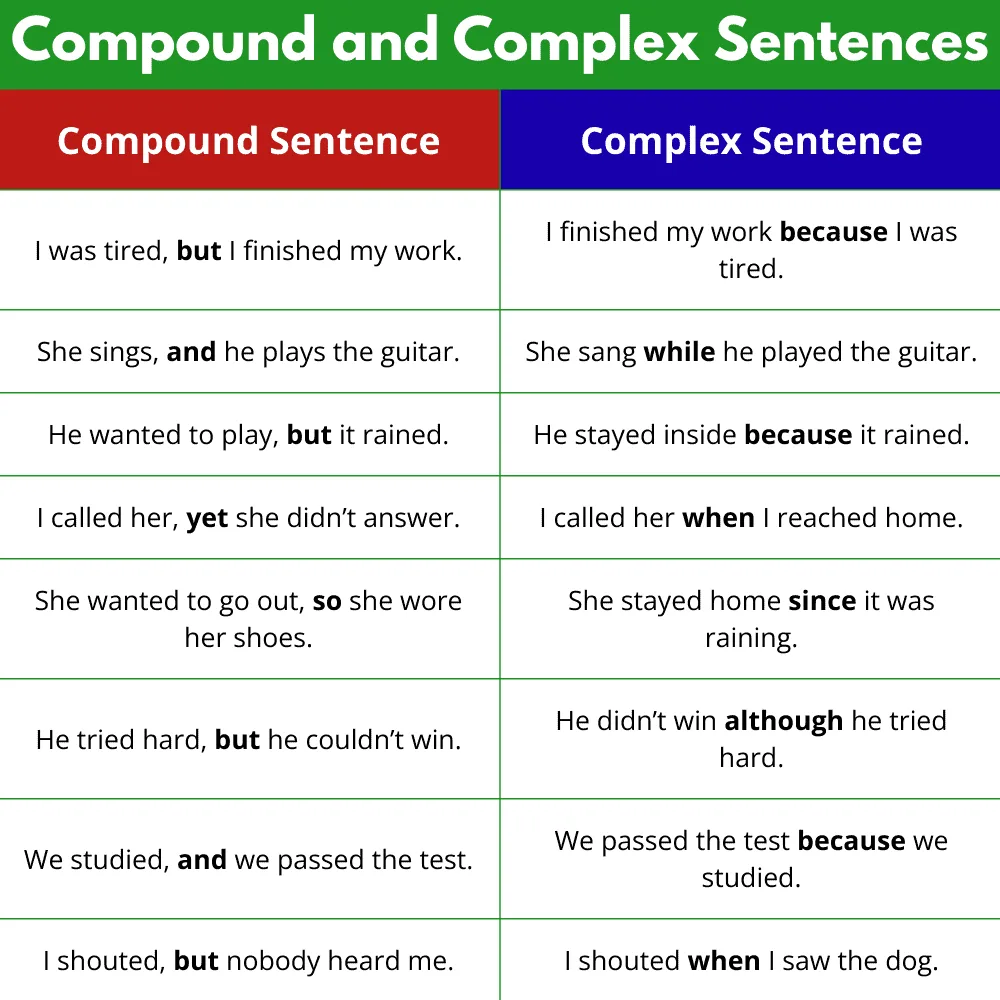
The difference between compound and complex sentences explained with examples, punctuation rules, and when to use each for clearer, stronger writing.
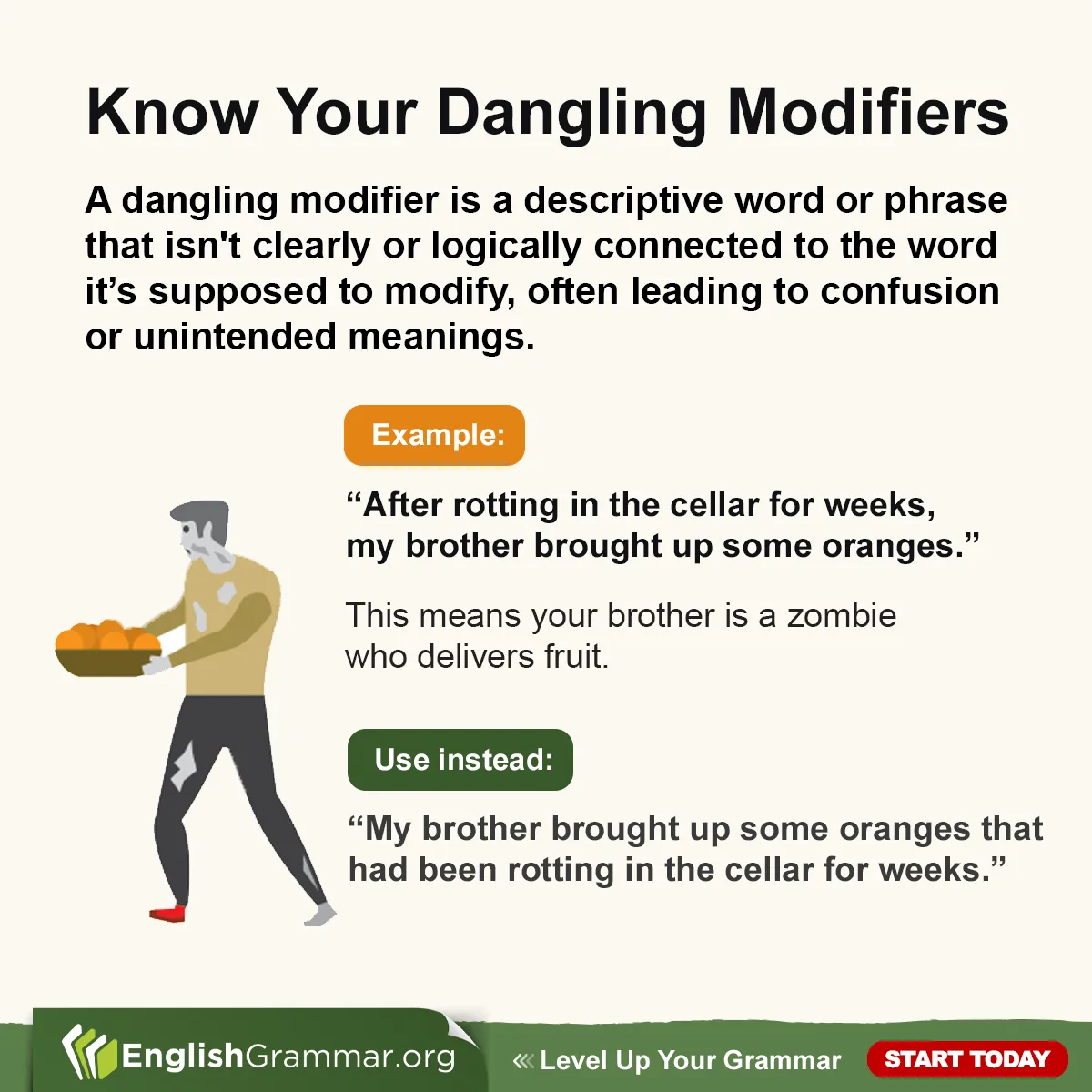
Learn how to spot and fix dangling modifiers with 20+ before-and-after examples, patterns table, and a self-check exercise for careful writers.
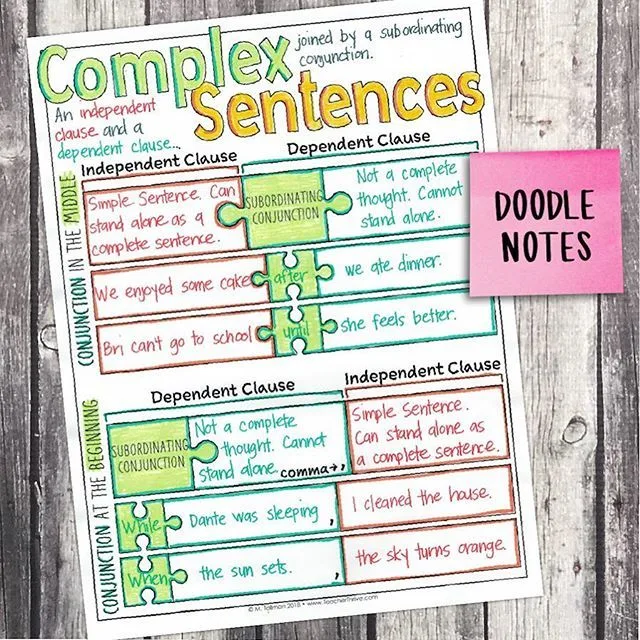
Learn to write complex and compound sentences with clear rules, examples, and practice exercises. Vary sentence structure for stronger, more expressive writing.
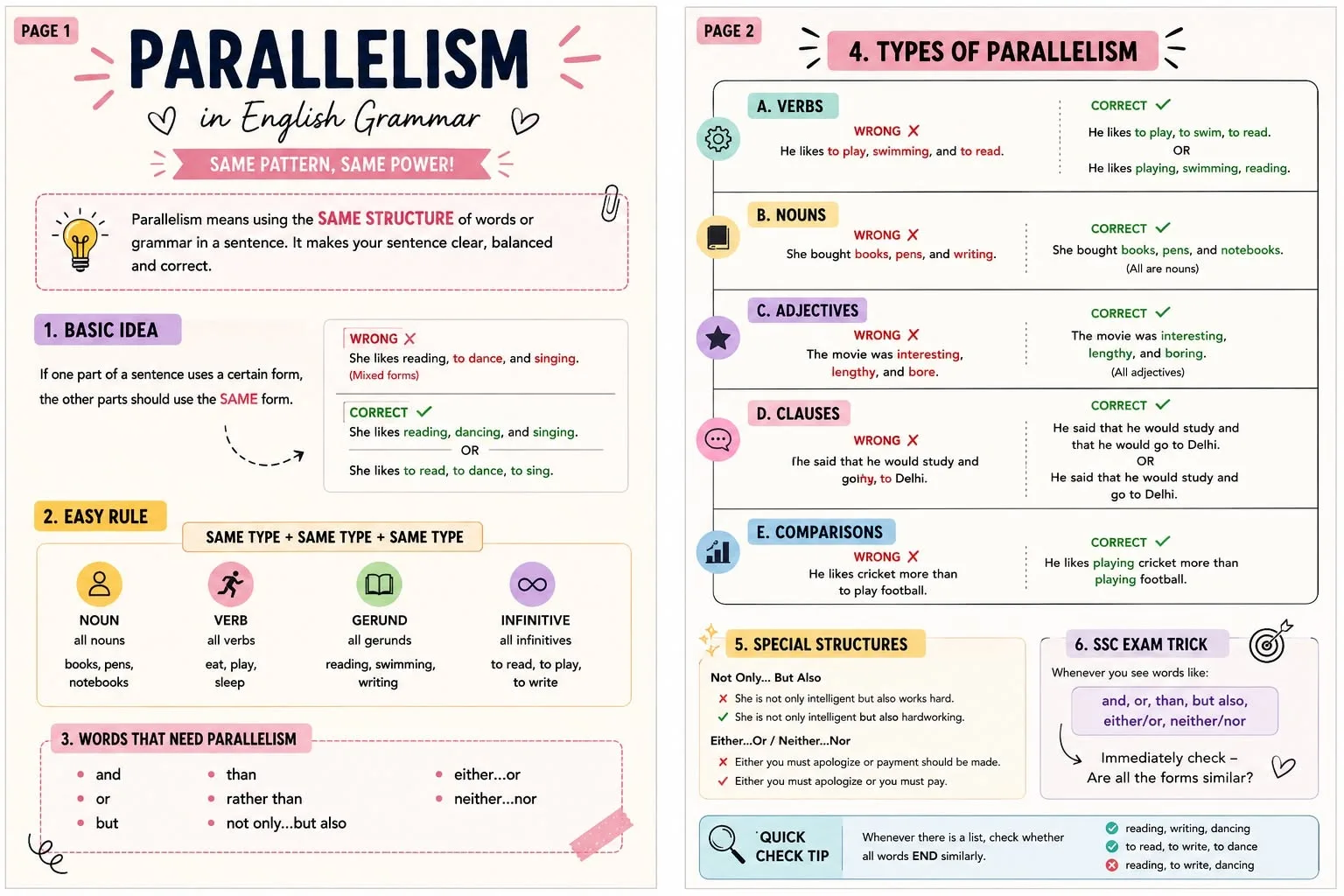
Master parallel structure with before-and-after fixes, 20+ examples, rules for lists, comparisons, and correlative conjunctions. A complete ESL reference.
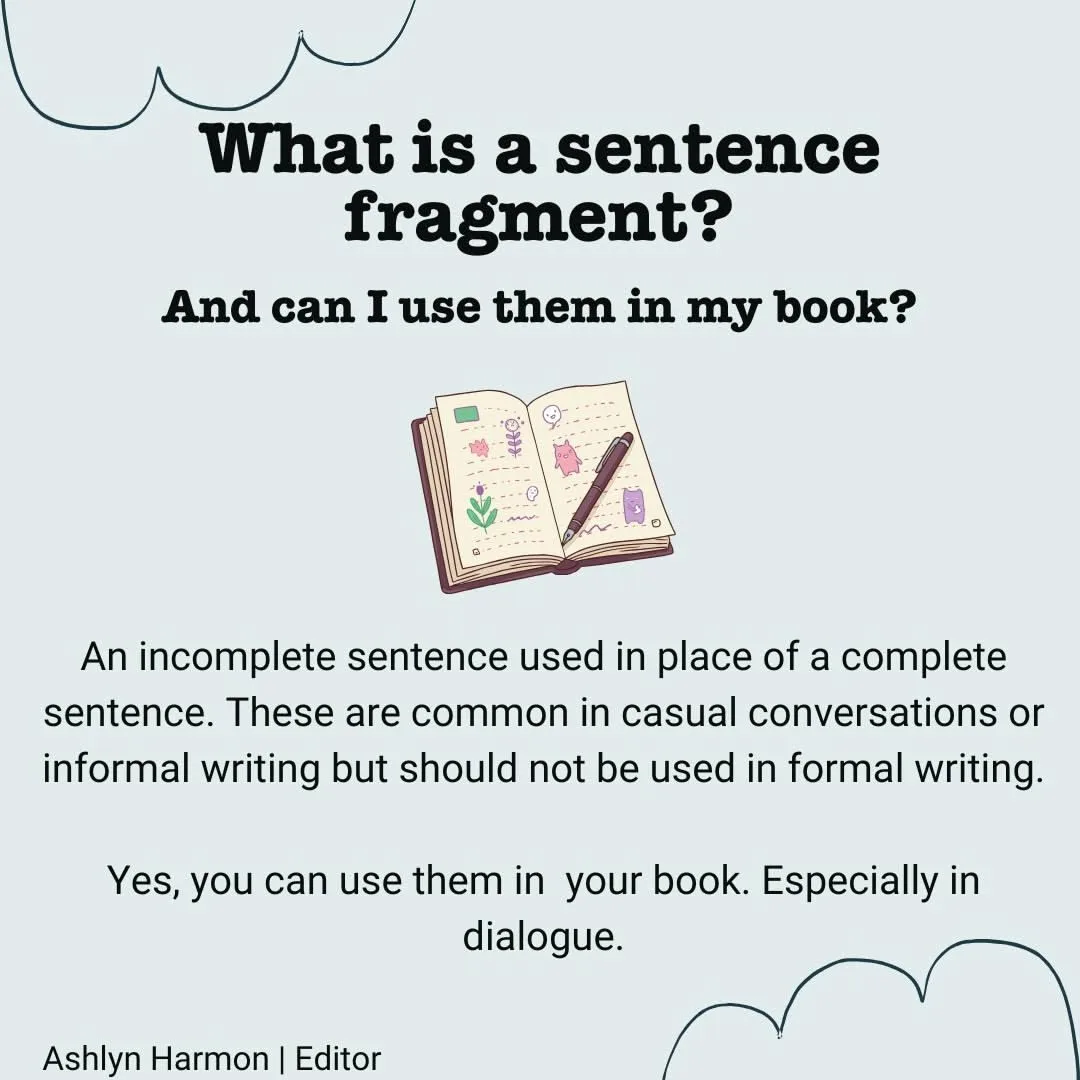
Complete guide to sentence fragments with four structural categories, register sensitivity, rhythmic effects, and how professional writers use fragments deliberately.
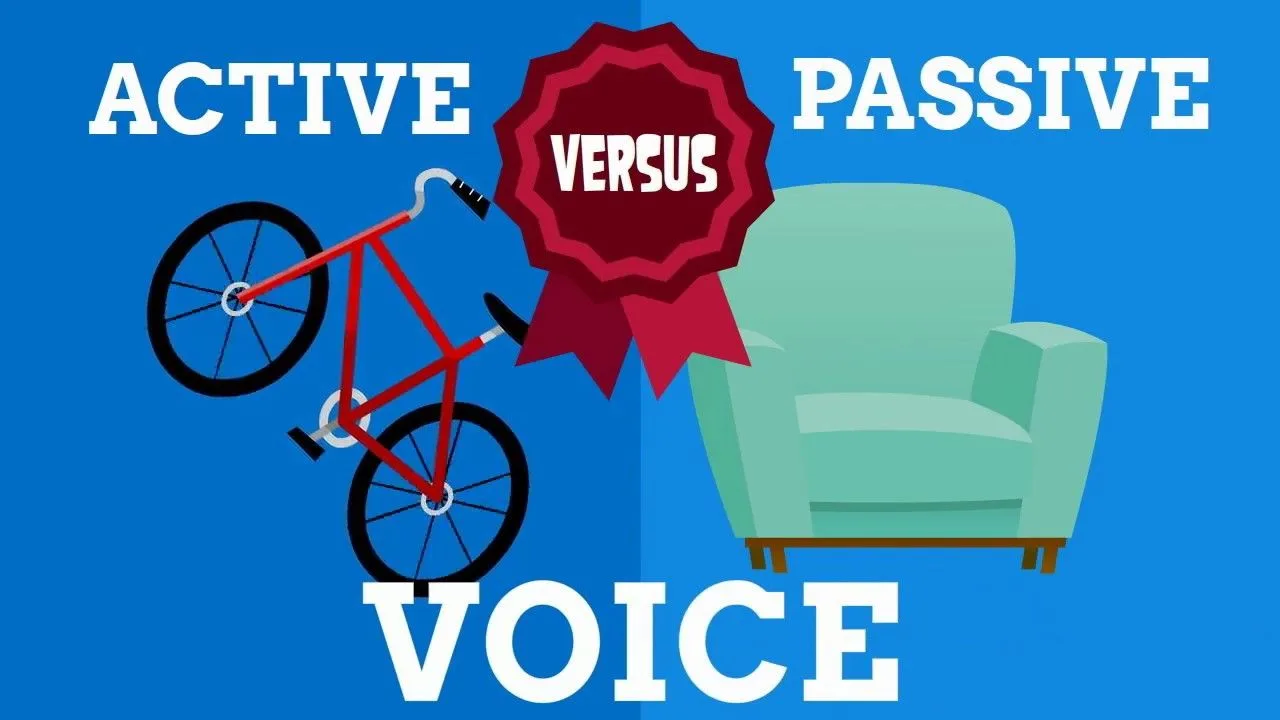
Master active and passive voice with clear rules, examples, and conversion techniques. Learn when each voice works best in business, academic, and everyday writing.

Master affect vs effect with clear rules, 20+ examples, mnemonic devices, exceptions explained, a self-assessment quiz, and etymology of both words.
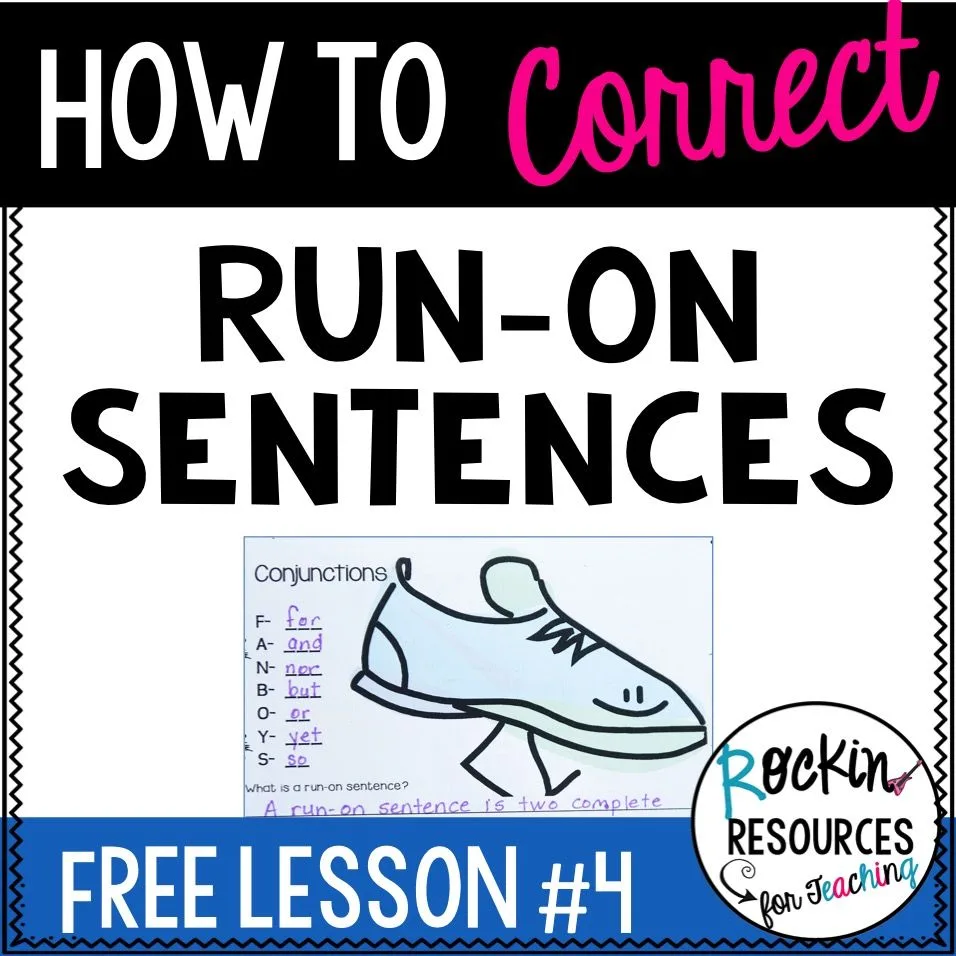
Learn to identify and fix run-on sentences with 4 proven methods. Covers fused sentences, comma splices, and practical exercises for cleaner, clearer writing.
In active voice the subject performs the action; in passive voice the subject receives it. Active voice is usually shorter and clearer, which is why most style guides prefer it. Passive voice is appropriate when the actor is unknown or genuinely unimportant.
A run-on joins two complete sentences without adequate punctuation or a joining word, as in the meeting ran late we missed the train. There are three standard fixes: separate them with a full stop, join them with a semicolon, or add a coordinating conjunction after a comma. Which one you choose depends on how closely the two ideas are related.
A dangling modifier is a descriptive phrase whose intended subject is missing from the sentence, so it appears to describe the wrong thing. In walking to the office, the rain started, the phrase seems to describe the rain. The fix is to name the subject the phrase is meant to modify immediately after it, or rewrite the phrase as a full clause.
