

public-speaking
How to Use Pauses in Public Speaking
Master the pause in public speaking. Learn where silence belongs, how long pauses should last, and how to replace filler words with calm, confident stops.
Communication skills for professionals: workplace communication, delivering compelling presentations, navigating tough negotiations, building professional networks, and handling difficult conversations with confidence.
Strong communication skills are consistently ranked as the single most important factor in career advancement across every industry. Whether you are presenting a quarterly report to senior leadership, negotiating the terms of a new contract, navigating a conflict between team members, or simply trying to make your ideas heard in a crowded meeting room, your ability to communicate clearly and persuasively determines the outcome.
This collection provides expert-written, practical communication guides covering the full spectrum of professional interactions. Each guide delivers actionable techniques, real-world examples, and proven frameworks so you can communicate with confidence in any workplace scenario, from one-on-one conversations to large-audience presentations.
What you will find: Guides on public speaking, salary negotiation, active listening, giving and receiving feedback, handling difficult conversations, professional networking, persuasive writing, cross-cultural communication, conflict resolution, and dozens more - all written by experienced communication professionals and grounded in workplace best practices.
Workplace communication with bosses, teams, and clients
9 articlesHow to handle difficult conversations, say no, and give feedback
11 articlesPublic speaking, presentation skills, and speech writing guides
11 articlesSalary negotiation, business negotiation, and persuasion techniques
3 articlesProfessional networking, small talk, and relationship building
4 articlesMeeting skills: leading meetings, listening, and collaboration
4 articlesBuilding rapport, emotional intelligence, and clear communication
1 articlesSpeech structure, body language, and overcoming presentation anxiety
2 articlesClear writing, editing, and plain language techniques for professionals
3 articlesActive listening techniques and questions that deepen understanding
1 articles Master the pause in public speaking. Learn where silence belongs, how long pauses should last, and how to replace filler words with calm, confident stops.

Forgot your place mid-speech? Learn calm recovery techniques for going blank on stage, plus preparation methods that prevent it and reframe the fear.
Learn to design presentation slides that keep attention on you: one idea per slide, less text, visuals that do real work, and clean, legible layout.

Learn to handle criticism at work with composure. Manage your first reaction, separate message from delivery, and respond to fair and unfair feedback well.

A manager's guide to delivering bad performance news face to face: how to prepare, structure the conversation, choose words, and follow up with respect.

Learn the clarifying, probing, reflective, and open questions that prove you are truly listening and turn any conversation into a genuine exchange.

Learn the fundamentals of clear, plain-language writing: write for the reader, use short direct sentences, plain words, good structure, and ruthless editing.

A section-by-section guide to structuring professional emails that get replies, from subject line to a clear request and next step.

How to write feedback people actually act on: be specific, explain the why, balance honesty with encouragement, prioritize, and frame a path forward.

Plain-language techniques used by editors of memos, proposals, and disclosures. Substitution tables, layering, and a two-minute self-test.

Separate structural, line, and proof edits the way working journalists do. Checks, timings, and a worked example that trims a memo in half.
Five opening patterns that capture attention in 90 seconds: provocative question, unexpected statistic, concrete story, shared experience, high-stakes claim.

Templates for cold intros, warm reintros, upward asks, and follow-ups. The specific words that cause delete and the patterns that triple reply rates.

Hold firm positions in written negotiation without breaking trust. Templates, language patterns, and repair notes used by experienced counsel.

Meeting briefs, airtime discipline, decision calls, and 24-hour summaries. The facilitation playbook used by leaders whose teams ship fastest.
Techniques for the first 20 seconds, vocabulary that holds up, the strategic pause, reframing hostile questions, and graceful stalls.
Specific scripts for single-incident, pattern, performance, peer, and upward feedback. Timing rules, medium choice, and pushback responses.
Delegation email templates for direct reports, peers, and collaborators with five-element framework, trust-building language, and handling pushback respectfully.

Professional templates for declining meetings politely, with formal, warm, and brief variations plus language swaps, sender-specific tone guidance, and alternatives to live meetings.

Missed deadline conversation scripts with four-part framework, cause identification, written follow-up templates, and language that produces behavior change without shame.

Complete expert guide to emotional intelligence for working professionals. Self-awareness, self-management, empathy, and relationship management with real scenarios.
Complete expert guide to building rapport with colleagues at work. Strategies for new hires, remote teams, cross-functional partners, and introverts with scripts.

Expert guide to running effective one-on-one meetings: agenda templates, cadence, first 1:1s, remote 1:1s, and powerful questions for managers.

Complete expert guide to networking follow-up: timing, tiered contact system, LinkedIn templates, email scripts, and coffee requests that get responses.
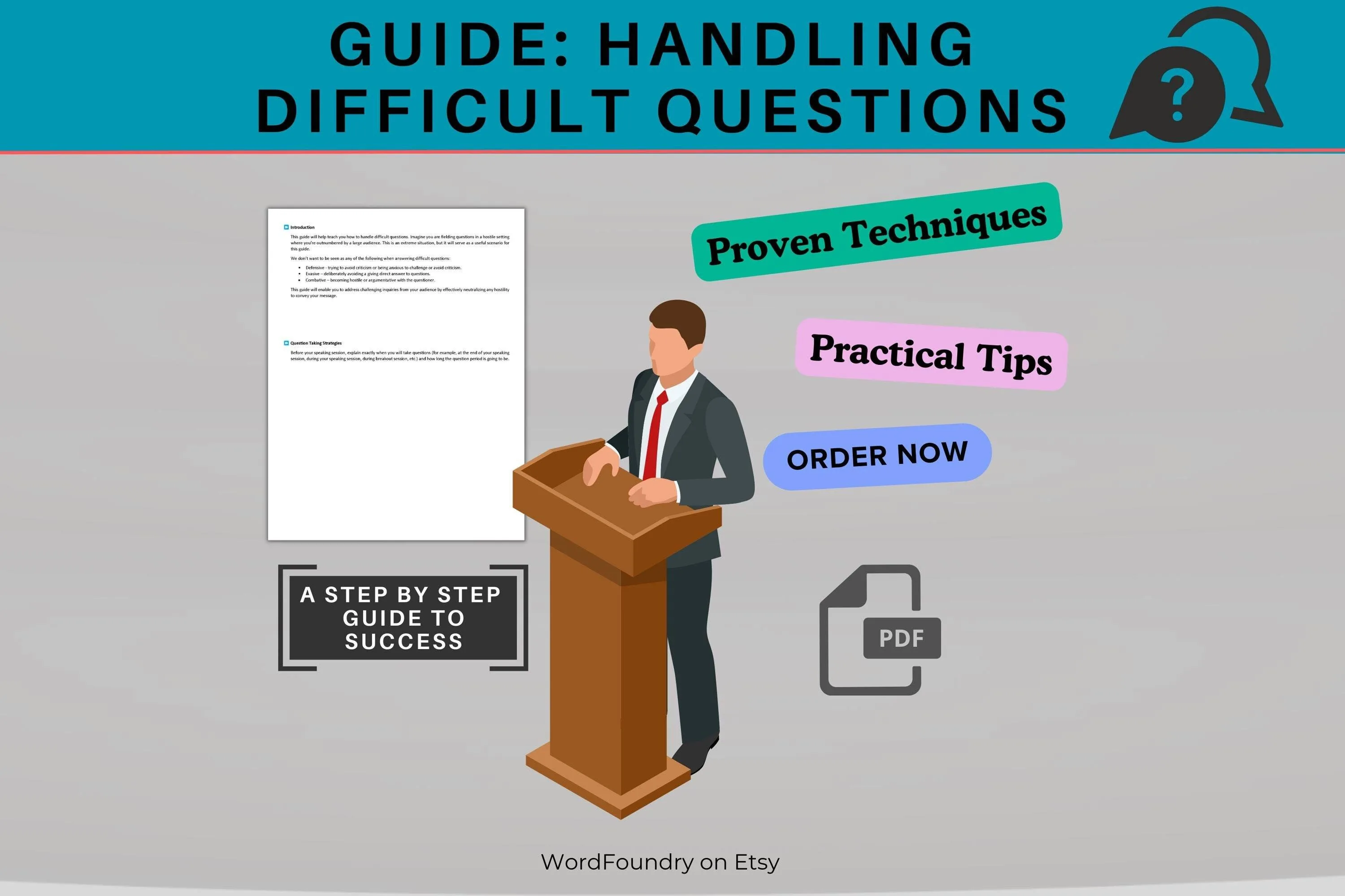
Complete guide to handling hostile questions in presentations with five-part response framework, templates for eight question types, and physical composure techniques.

Expert guide to body language for public speakers: posture, gestures, eye contact, movement, and voice with drills for stage, boardroom, and video.

Complete expert guide to speech structure frameworks: problem-solution, chronological, persuasive, informative, and narrative with examples for every context.
Expert guide to peer communication at work: requests, feedback, boundaries, conflict, credit, and trust with scripts for common coworker situations.

Expert guide to clear professional writing: conciseness, word choice, sentence structure, active voice, revision passes, and reading aloud with examples.
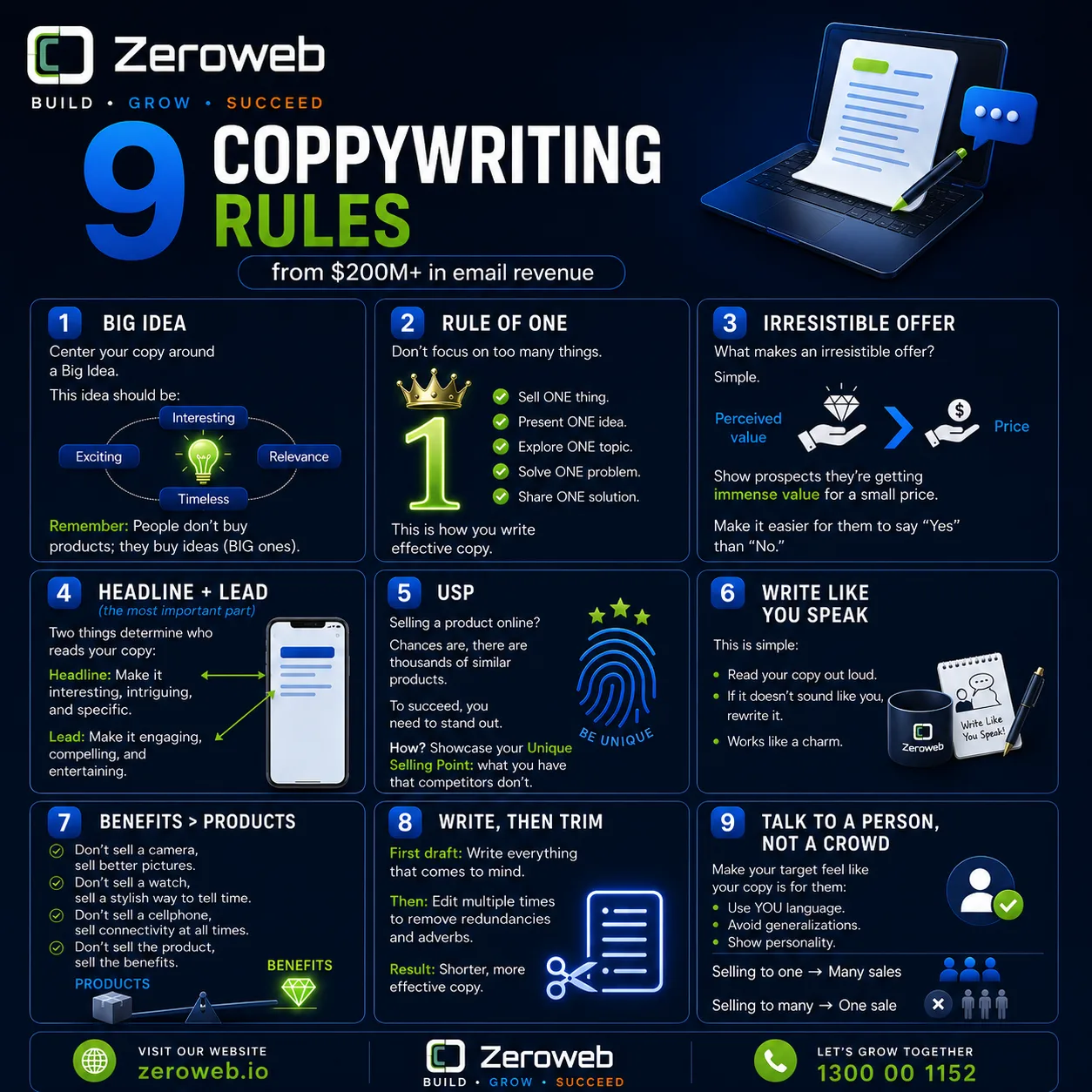
Complete guide to clear professional writing with fifteen editor-proven rules, comparison tables, revision checklists, and language patterns that respect the reader.
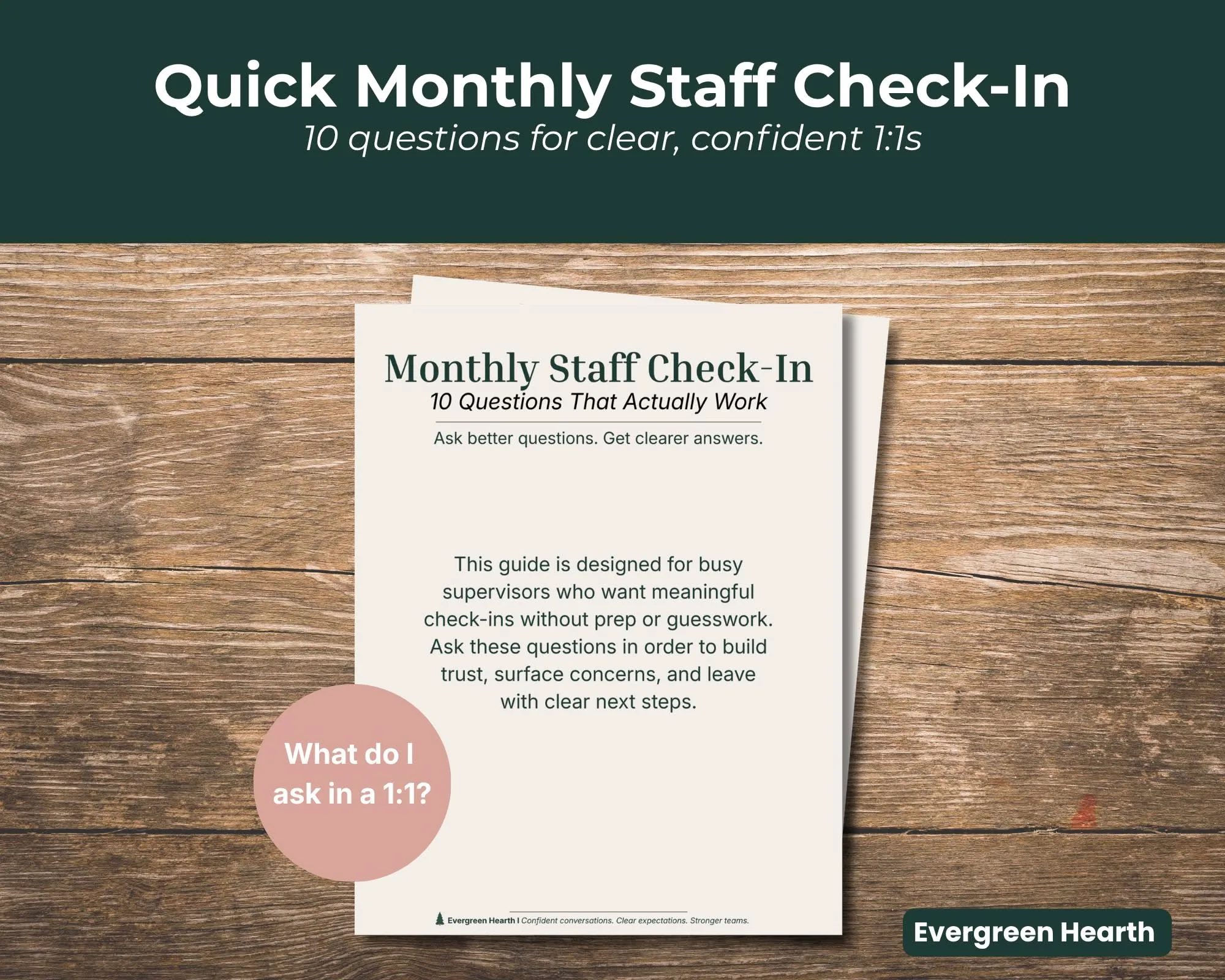
Master workplace feedback with the SBI model, ready-to-use scripts for common scenarios, and frameworks for delivering constructive criticism professionally.
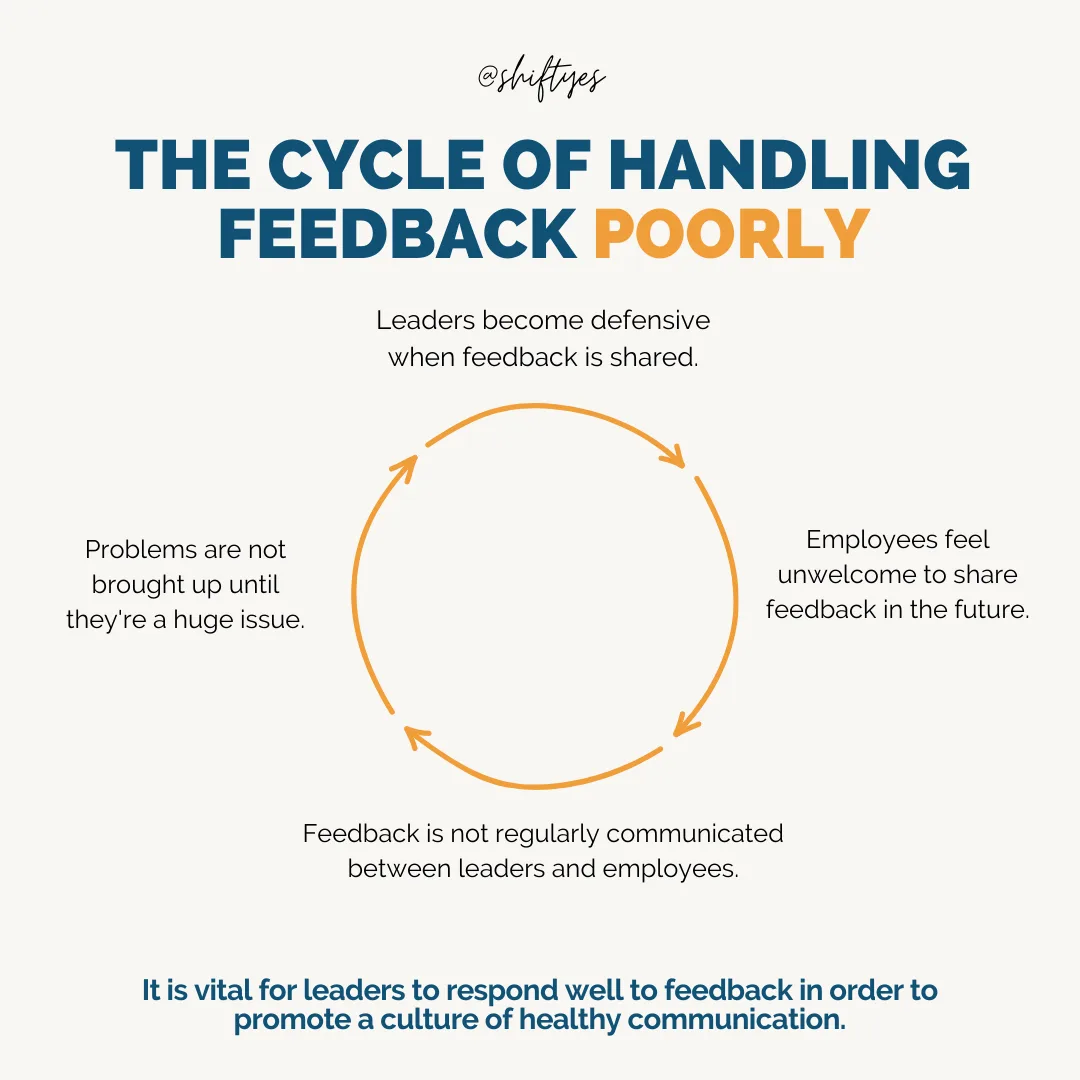
Give feedback that people can hear and act on. The SBI model, radical candor, timing rules, and scripts for the feedback conversations everyone avoids.
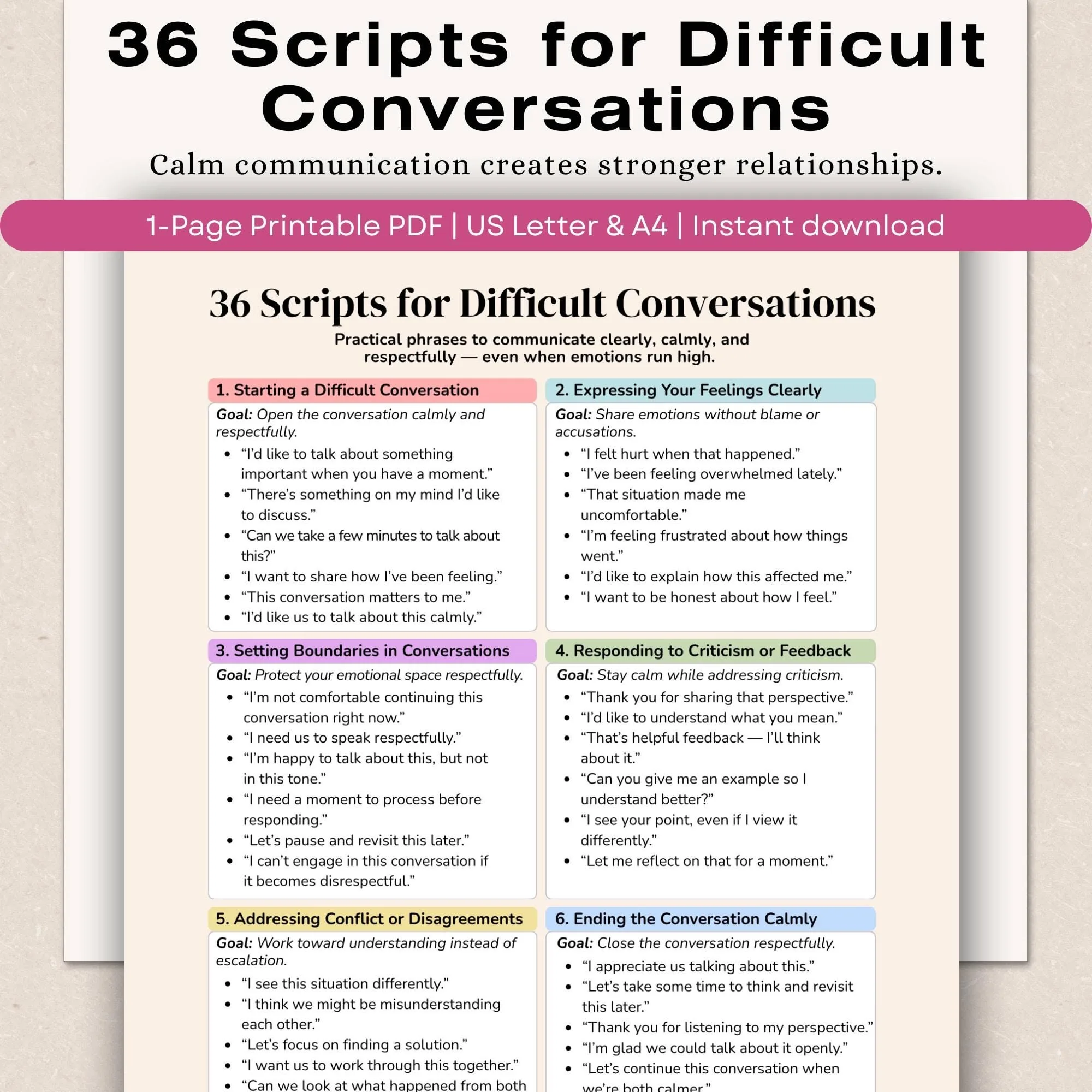
Handle tough workplace conversations with confidence using proven frameworks, scripts for 8 common scenarios, and emotional management techniques.

Learn how to say no professionally with 20+ ready-to-use scripts for declining requests from bosses, clients, and colleagues without damaging relationships.
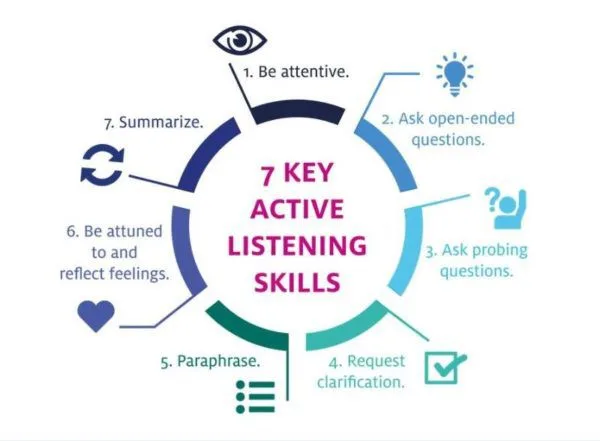
Evidence-based guide to active listening covering Carl Rogers' person-centred approach, the HEAR framework, reflective listening techniques, cognitive barriers, and practice exercises for professionals.

Master active listening techniques for the workplace. Learn the RASA framework, paraphrasing, reflecting, and cultural listening skills that transform meetings.

Complete meeting leadership guide covering agenda creation, facilitation techniques, managing participants, decision frameworks, and virtual meeting best practices.

Step-by-step guide to asking for a raise with proven scripts, preparation checklists, objection handling, and timing strategies that maximize your success.

Master negotiation techniques including BATNA, anchoring, mirroring, and Chris Voss methods. Salary, vendor, and contract negotiation strategies that work.

Master professional small talk with the FORD technique, conversation starters for every setting, graceful exits, and networking follow-up strategies.

Modern professional networking guide covering LinkedIn strategies, conference networking, informational interviews, follow-up systems, and relationship building.
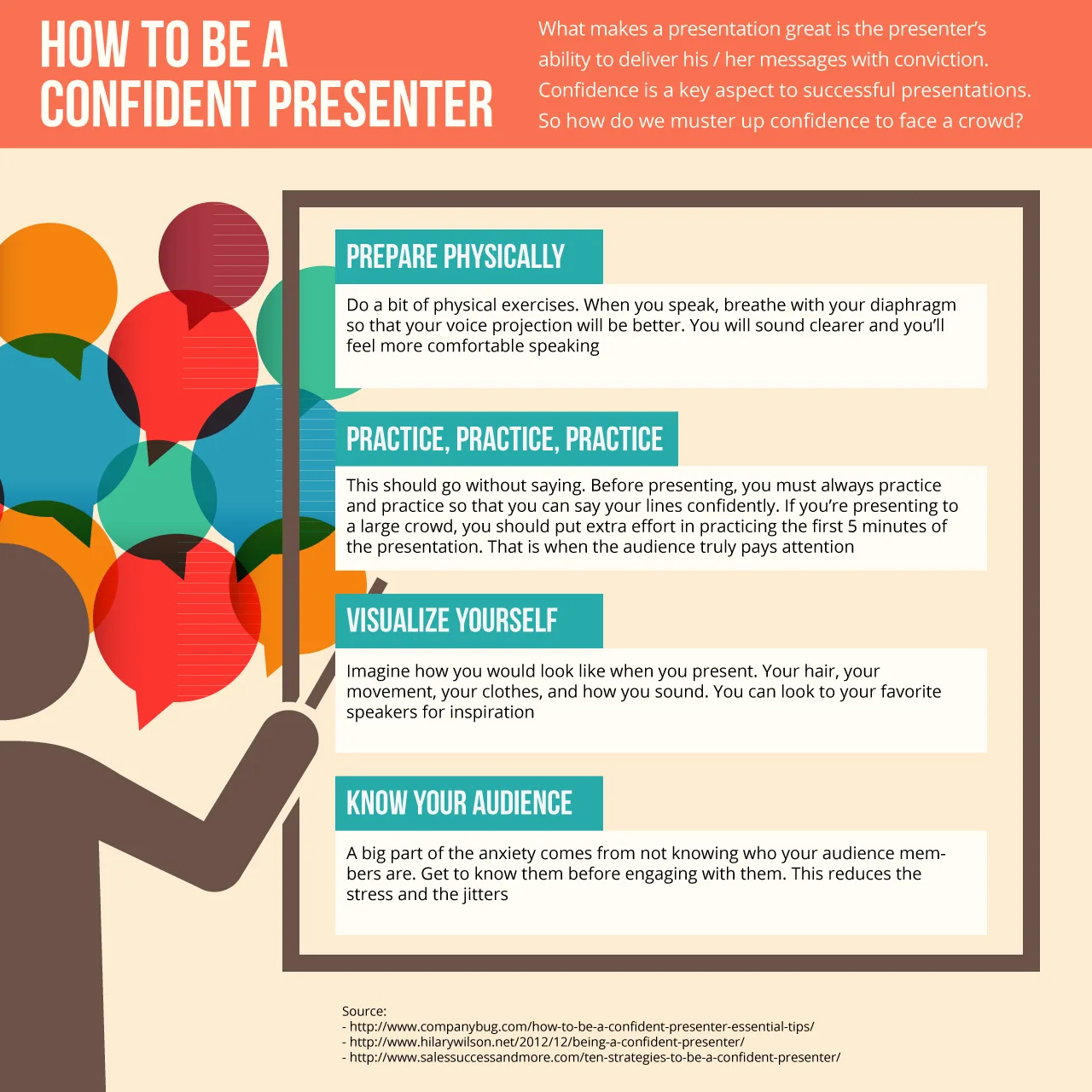
Complete beginner's guide to giving presentations. Slide design, delivery techniques, handling nerves, Q&A strategies, and virtual presentation tips.
Proven public speaking tips including exposure therapy, voice projection, body language, storytelling, and virtual presentation techniques used by professional speakers.
Present ideas clearly using the Minto Pyramid, SCQA framework, and rule of three. Practical techniques for executive communication and persuasive presentations.

Step-by-step speech writing guide covering persuasive, informational, and ceremonial speeches. Includes outlines for wedding toasts, keynotes, eulogies, and more.
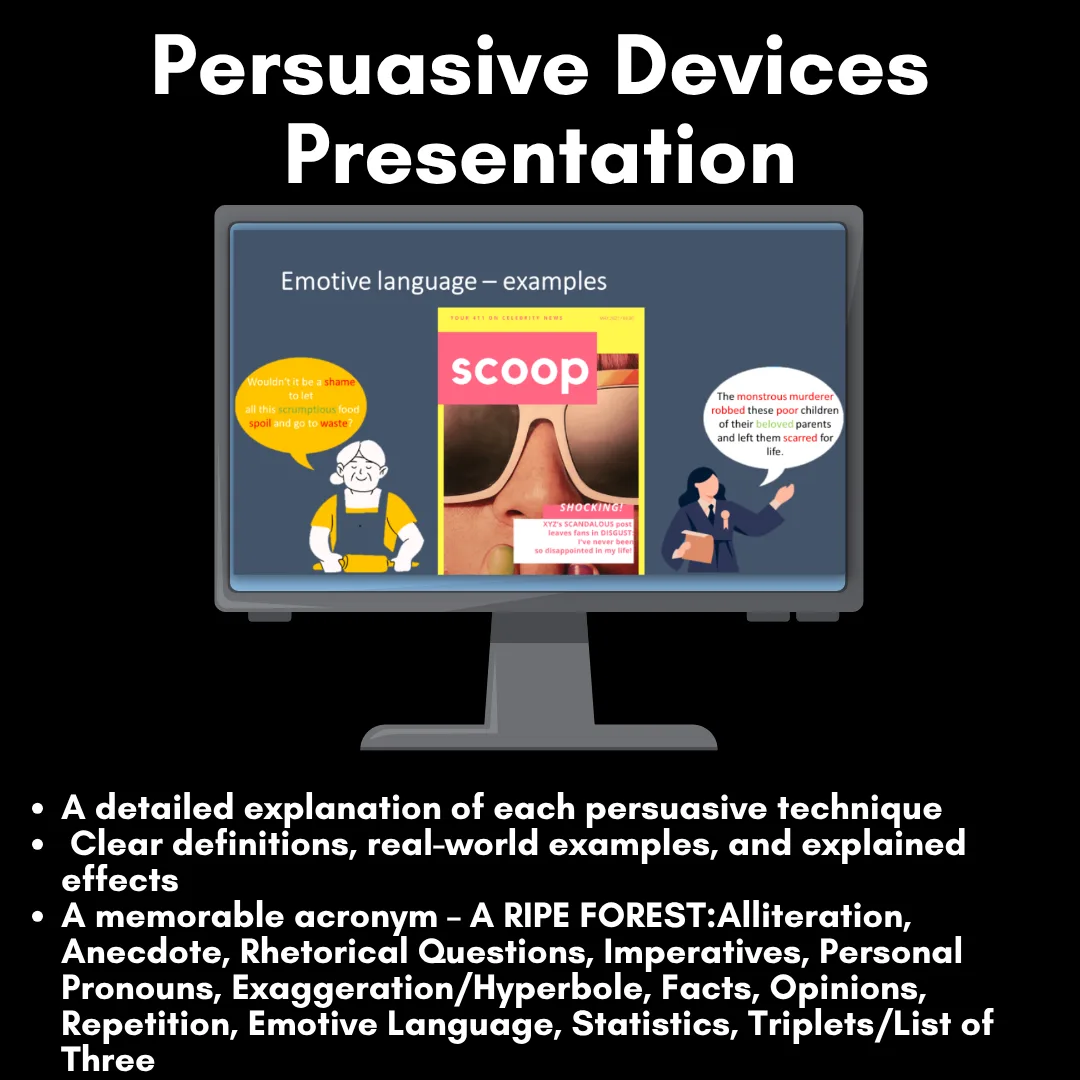
Evidence-based guide to persuasive presentations covering cognitive load theory, argument structure, visual design, and delivery techniques backed by peer-reviewed research.

Overcome public speaking anxiety with methods that work. Cognitive reframing, exposure protocols, breathing techniques, and rehearsal structures backed by research.
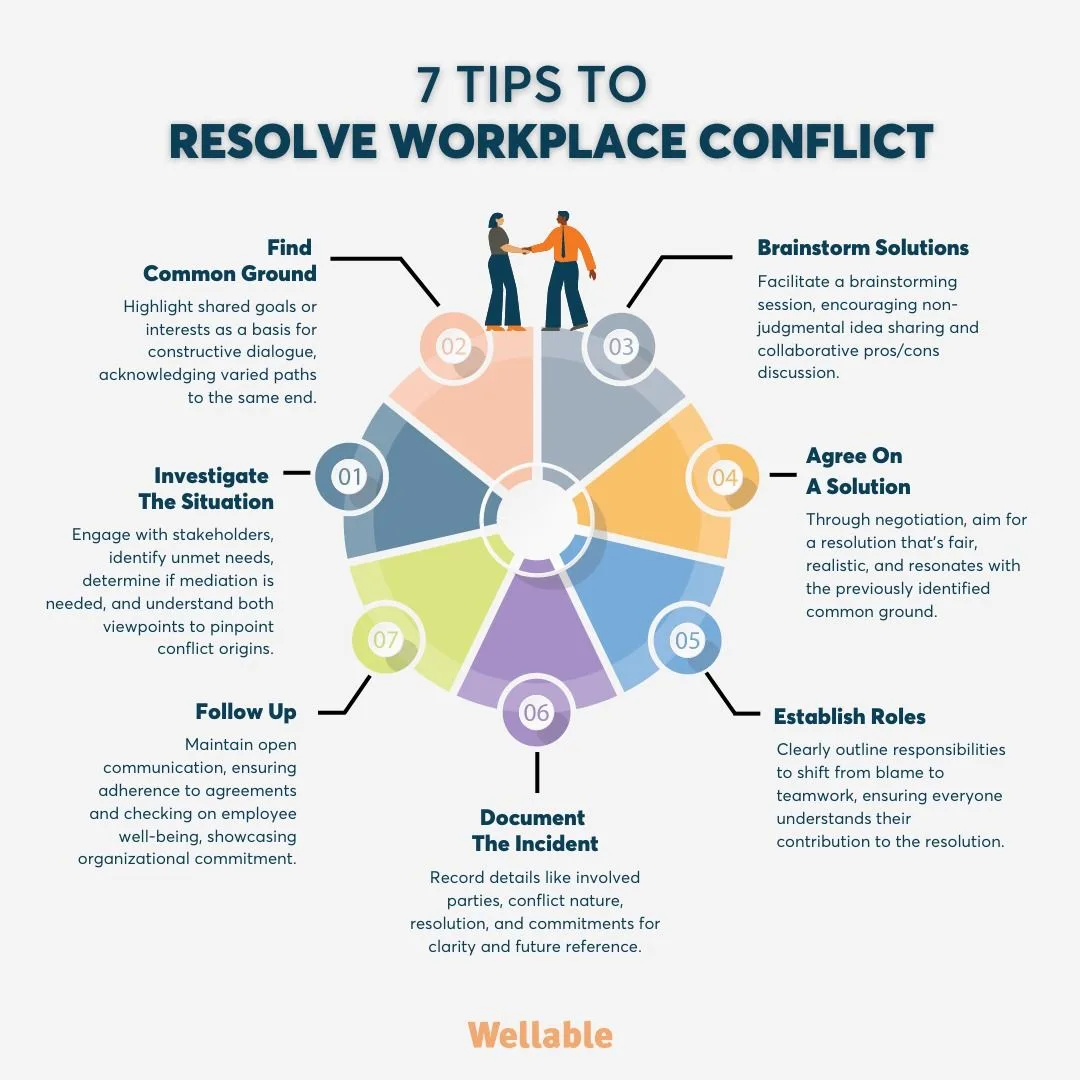
Proven conflict resolution strategies for the workplace. Thomas-Kilmann modes, mediation scripts, HR escalation, and prevention frameworks that actually work.

Learn how to communicate with your boss effectively. Covers managing up, delivering bad news, requesting resources, disagreeing respectfully, and building trust.
Handling a difficult conversation at work starts with thorough preparation before the meeting even begins. Identify the specific issue you need to address, gather any relevant facts or examples, and clarify the outcome you want to achieve. Choose a private setting and a time when both parties are calm and unlikely to be interrupted.
Open the conversation by stating your intention clearly and without accusation - use phrases like 'I want to discuss something that has been affecting our workflow' rather than 'You always do this wrong.' Focus on observable behaviors and their impact rather than making character judgments.
For example, say 'When the report was submitted three days late, it delayed the client presentation' instead of 'You are irresponsible.' Listen actively to the other person's perspective without interrupting, and acknowledge their feelings even if you disagree with their interpretation.
Ask open-ended questions to understand their viewpoint fully before proposing solutions. Work together to establish clear next steps and a timeline for follow-up. Document the key points discussed and agreed-upon actions so both parties have a shared reference. If emotions escalate during the conversation, suggest a brief pause rather than pushing through tension.
Following up within a week shows that you take the resolution seriously and helps prevent the issue from recurring.
Effective public speaking begins long before you step on stage, starting with knowing your audience and tailoring your message to their needs, knowledge level, and expectations. Structure your presentation with a strong opening that immediately captures attention - a surprising statistic, a compelling story, or a thought-provoking question works far better than a generic introduction.
Organize your content around three to five key points because audiences retain structured information more effectively than a stream of loosely connected ideas. Practice your delivery out loud multiple times, but avoid memorizing every word, which leads to a robotic tone; instead, internalize the flow and key phrases so your delivery sounds natural and conversational.
Use pauses strategically - a deliberate pause before or after a key point creates emphasis and gives the audience time to absorb your message. Maintain eye contact by scanning different sections of the room rather than fixating on one spot or reading from slides.
Your body language should be purposeful: open gestures convey confidence, while pacing or fidgeting signals nervousness. Keep slides minimal with visuals rather than walls of text, and never read directly from them. Manage anxiety by reframing nervousness as excitement, practicing deep breathing before you begin, and arriving early to familiarize yourself with the space.
Record yourself during practice sessions to identify filler words, awkward transitions, and pacing issues that you would not notice otherwise. End with a clear call to action or memorable closing statement rather than trailing off with 'that is all I have.'
Negotiating a salary increase requires preparation, timing, and a clear demonstration of value. Start by researching market rates for your role, experience level, and geographic location using multiple sources such as industry salary surveys, job postings for comparable positions, and professional network insights.
Document your accomplishments over the past review period with specific, quantifiable results - revenue generated, costs saved, projects delivered ahead of schedule, client retention improvements, or process efficiencies you implemented. Choose your timing carefully: schedule the conversation after a visible success, during a performance review cycle, or when the company is performing well financially, and avoid periods of layoffs or budget cuts.
Request a formal meeting rather than bringing it up casually, and frame the conversation around your contributions and market data rather than personal financial needs. Present your case confidently by leading with your strongest accomplishments and connecting them directly to business outcomes.
State your desired salary as a specific number or range anchored slightly above your target, because the first number mentioned tends to set the negotiation baseline. Be prepared for pushback and have responses ready for common objections like budget constraints or timing concerns.
If a salary increase is not immediately possible, negotiate alternative benefits such as a performance bonus, additional vacation days, a title change, professional development funding, or a deferred raise with a specific timeline. Practice the conversation with a trusted colleague or mentor beforehand to refine your delivery.
Always remain professional and collaborative rather than confrontational, and get any agreements in writing.
Saying no professionally at work is an essential skill that protects your productivity, prevents burnout, and ultimately makes you more effective in the commitments you do accept. The key is to decline without damaging relationships or appearing unhelpful. Start by acknowledging the request genuinely - phrases like 'Thank you for thinking of me for this project' or 'I appreciate you bringing this to me' show respect for the person asking.
Be direct and clear in your refusal rather than giving vague responses that leave the door open for repeated follow-ups; saying 'I am not able to take this on right now' is far more professional than endless hedging. Provide a brief, honest reason without over-explaining or apologizing excessively - you might say 'My current project deadlines would not allow me to give this the attention it deserves.'
When possible, offer an alternative: suggest another colleague who might be a good fit, propose a different timeline that would work for you, or offer to contribute in a smaller capacity. If the request comes from your manager, frame the conversation around priorities by saying 'I want to make sure I am focusing on the right things - if I take on this new task, which of my current priorities should I adjust?'
This shifts the decision back to them without refusing outright. Practice the pause technique: when asked for something on the spot, respond with 'Let me check my current commitments and get back to you by end of day' rather than agreeing impulsively.
Set boundaries proactively by communicating your capacity and availability before requests arise, especially during high-workload periods.
Active listening is a deliberate communication practice that goes far beyond simply hearing words - it involves fully engaging with the speaker to understand their message, intent, and emotions. The foundation of active listening is giving your complete attention: put away your phone, close your laptop, turn your body toward the speaker, and maintain comfortable eye contact to signal that they have your full focus.
Use verbal acknowledgments like 'I see,' 'That makes sense,' or 'Go on' to encourage the speaker without interrupting their flow. Paraphrasing is one of the most powerful techniques - after the speaker finishes a point, restate it in your own words by saying something like 'So what you are saying is...' or 'If I understand correctly...'
This confirms your understanding and shows the speaker they have been heard accurately. Ask clarifying questions that demonstrate genuine curiosity rather than judgment, such as 'Can you tell me more about what happened next?' or 'What did you mean when you said...?'
Reflect emotions you observe by naming them: 'It sounds like that situation was really frustrating for you.' This validates the speaker's experience and builds trust. Resist the urge to formulate your response while the other person is still talking - this is perhaps the hardest habit to break, but it is the most transformative.
Summarize at the end of a conversation to confirm alignment: 'Let me make sure I have this right...' followed by the key points. In meetings, take notes on what others say rather than only your own thoughts, and reference those notes when responding.
Practice comfortable silence after someone finishes speaking, as people often share their most important thoughts after an initial pause.