
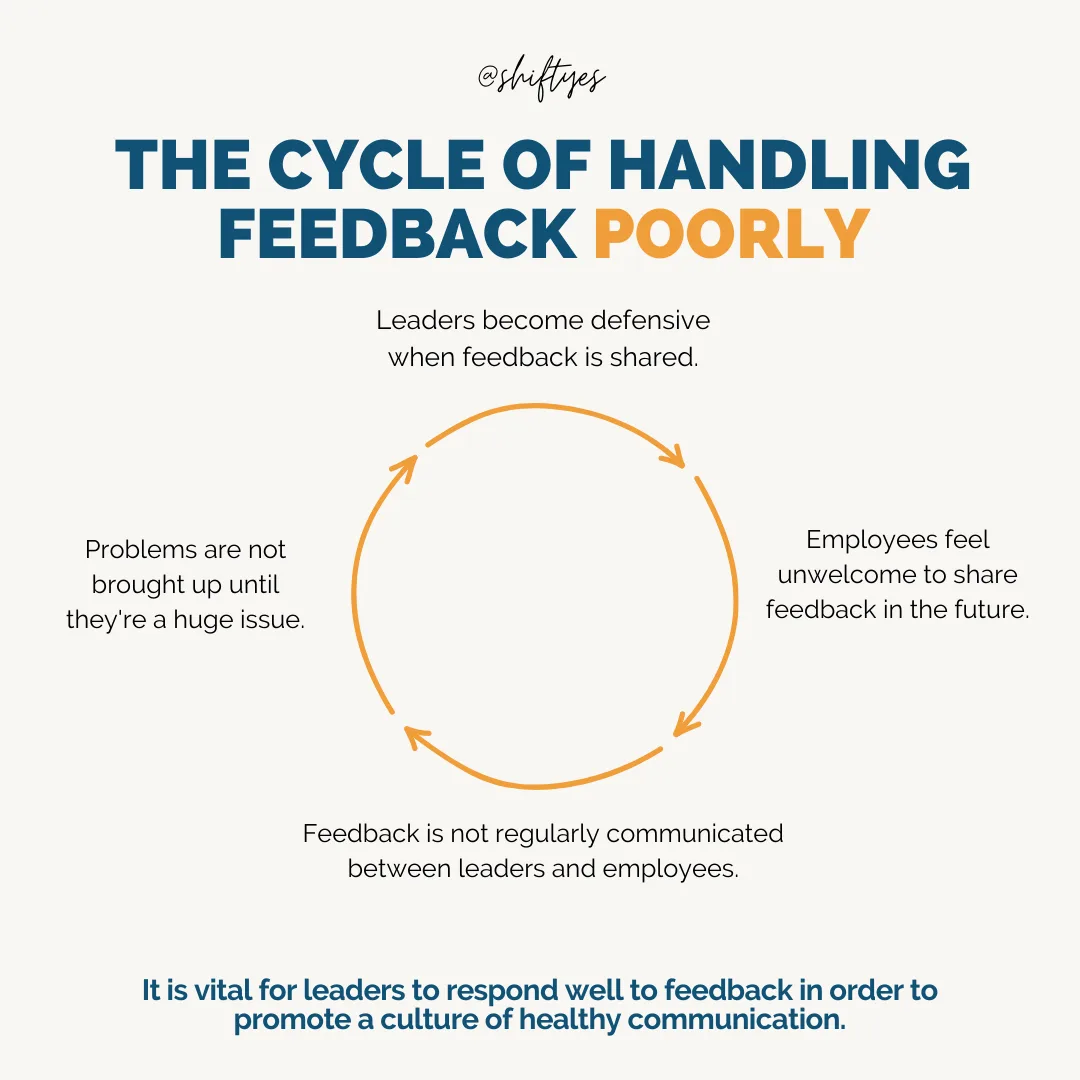
The feedback conversation is the single most underused management tool in most organizations. Managers avoid it, colleagues dodge it, and the result is that small problems grow into major ones that would have been solvable if addressed early. The skills that produce honest, useful feedback without damaging the relationship are learnable, practiced, and backed by 40 years of research in organizational behavior and interpersonal communication.
This guide covers the frameworks that work (SBI and radical candor), the timing and setting rules, the scripts for the most common difficult feedback conversations, and the long-term practice that separates managers whose teams improve from managers whose teams stagnate.
The Central Problem
Most feedback conversations fail for reasons that have nothing to do with the feedback itself. They fail because of timing, setting, framing, and the relationship context around the conversation. Managers who master the feedback mechanics but ignore these surrounding factors get predictable failure.
The single most damaging pattern is the conversation that never happens. A 2022 Harvard Business Review study found that 44 percent of managers avoid giving corrective feedback specifically because they believe it will damage the relationship. The data does not support the belief. The same study found that employees who receive regular, specific corrective feedback report higher trust in their manager than employees who receive only positive feedback or vague direction.
"The manager who avoids feedback to protect the relationship is trading short-term comfort for long-term damage. Every problem that does not get addressed becomes a problem the employee cannot solve, because they do not know it exists."
Kim Scott, author of "Radical Candor," interviewed in First Round Review
The paradox is counterintuitive but consistent: specific, timely, respectful feedback strengthens relationships. Vague, delayed, or avoided feedback weakens them.
For managers developing the pattern recognition that feedback conversations require, the verbal reasoning exercises at Whats Your IQ build the underlying analytical rigor that separates observation from interpretation, which is the central skill in useful feedback.
The SBI Model
The Situation, Behavior, Impact model was developed at the Center for Creative Leadership in the 1990s and has become the dominant framework in corporate feedback training.
The Three Components
Situation. The specific context in which the behavior occurred. Not "in meetings" but "in yesterday's 2 PM roadmap review."
Behavior. The observable action the person took. Not "you were disrespectful" but "you interrupted Priya three times before she finished her point."
Impact. The effect of the behavior on the speaker, the team, or the work. "I noticed Priya stopped speaking for the rest of the meeting, and we did not hear her perspective on the Q3 priorities."
Why the Model Works
The model separates fact from interpretation. An interpretation is something the recipient can argue with. An observation of specific behavior in a specific situation is harder to dispute, which means the conversation can move past debate to action.
The impact component is especially important. Feedback that describes only the behavior, without the impact, often fails because the recipient does not understand why the behavior matters. The impact is the reason the conversation is happening.
A Worked Example
Weak feedback: "You need to be more of a team player."
SBI feedback: "In the sprint planning last Thursday, when Wes suggested moving the API refactor to next sprint, you said the idea would not work and moved on to the next agenda item. He stopped participating for the rest of the meeting, and the team did not hear the version of the plan he had been working on. That kind of interruption makes it harder for the team to bring forward alternative ideas."
The first version is vague, personality-based, and impossible for the recipient to act on. The second version is specific, behavioral, and immediately actionable.
The Timing Rule
Feedback on a specific event should be given within 24 to 48 hours of the event. Within this window, the recipient can still recall the situation, which is necessary for the feedback to be actionable.
Why Fast Feedback Works
When the event is fresh, the feedback connects to a specific memory the recipient still has. The recipient can test the observation against their own recall and either accept it, modify it, or respectfully disagree. A conversation grounded in shared memory is productive. A conversation grounded in reconstructed memory is defensive.
When to Delay
Two situations justify delay. The first is emotional activation. If the giver is angry, frustrated, or otherwise emotionally flooded, the feedback will carry the emotion rather than the content. Wait long enough to be calm, which is typically four to twelve hours.
The second is when the feedback requires investigation. If the feedback depends on facts the giver does not yet have (a customer complaint that needs context, a data point that needs verification), the delay is justified until the facts are clear.
The Feedback Sandwich Myth
The "feedback sandwich" (positive comment, critical comment, positive comment) is widely taught and widely counterproductive. Research on feedback reception consistently shows that recipients recognize the sandwich structure immediately and discount the opening and closing praise as setup for the criticism, which amplifies the criticism's sting and undermines the credibility of the positive feedback in future conversations.
The alternative is direct feedback. Name the topic, deliver the observation, discuss the impact, and propose a next step. Save the positive feedback for a separate conversation where it can stand on its own.
The Setting Rule
Critical feedback goes in private. This is near-absolute.
Public criticism damages the relationship, rarely produces behavioral change, and often triggers retaliation or disengagement. The recipient's cognitive resources are spent protecting social standing, not processing the feedback.
The exceptions are narrow. Safety feedback (stopping someone from making an immediate mistake) is given in the moment regardless of setting. In some cultures and some teams, very minor corrective feedback can be exchanged publicly as part of a shared norm. Most feedback is not these exceptions.
Positive feedback follows the opposite pattern. Public recognition of good work, when genuine and specific, reinforces the behavior and signals values to the broader team. The default should be public praise and private criticism.
The Spatial Setting
Private does not mean any private space. The setting should be one that allows both the giver and the receiver to focus. A coffee shop, a walk outside, or a small conference room all work, provided the setting is free of interruptions.
For managers who prefer to hold sensitive conversations outside the office, the workspaces catalogued at Down Under Cafe include venues with quieter corners and semi-private seating that support the focused conversations feedback requires.
Scripts for Common Feedback Situations
Situation 1: A Direct Report Missed a Deadline
"I want to talk about the Q2 roadmap document. It was due Monday, and it came in Thursday. When it is late, I have to choose between pushing my own deadlines to accommodate yours or going to leadership with an incomplete view. This time I pushed mine, but I cannot keep doing that. What happened, and what can we do to make sure the next one lands on time?"
The script uses SBI (the Q2 roadmap, submitted four days late, forced a cascading schedule choice). It names the impact specifically. It ends with a question rather than a directive, which invites the recipient to explain and propose solutions.
Situation 2: A Peer Has Been Undermining You in Meetings
"I want to raise something I have been noticing. In the last three product reviews, when I presented the growth model, you opened with a disagreement before I finished the overview. I am open to disagreement, but the pattern of starting with a challenge before the full picture is presented has made it harder to have a productive discussion, and I think it is working against both of us. Can we talk about how to handle disagreement in those meetings?"
Peer feedback is often harder than hierarchical feedback because the peer has no obligation to receive it. The script frames the feedback as a shared problem rather than a one-way delivery.
Situation 3: A Direct Report Has Been Irritable With the Team
"I want to check in. I have noticed in the last two weeks that your tone with the team has been sharper than usual, and a couple of people have mentioned it to me. I am not looking for an explanation or defense. I want to ask what is going on and what would help."
This script opens with care rather than critique. Sometimes the behavior is a symptom of something else (personal stress, unclear role, unrecognized workload). The opening allows the conversation to find the underlying cause before moving to correction.
Situation 4: Feedback to a More Senior Person
"Can I share something I have been thinking about the last few meetings? In the last two strategy reviews, the conversation moved to tactical detail before we had agreed on the question. I noticed it affected how the team engaged, because they were not sure whether to push back on the framing or commit to the tactics. I wonder if there is a way to anchor the discussion at the strategy level for a longer stretch before we move to execution."
Upward feedback requires even more care than peer feedback, because the power differential amplifies everything. The script uses tentative phrasing ("I have been thinking," "I wonder") without abandoning specificity.
Situation 5: A Client Has Been Rude to Your Team
"I want to share something before it becomes bigger. In the last two calls, the comments directed at Rita have been sharper than we usually see in our working relationship. She is one of our strongest analysts, and she flagged it with me yesterday, which she rarely does. I want to find a way to recalibrate so the team can do its best work, and I think starting with a reset conversation would help."
Client feedback is delicate because the client relationship is also a revenue relationship. The script is direct but respectful, and it proposes a specific next step rather than leaving the outcome open.
The Radical Candor Framework
Kim Scott's radical candor model maps two dimensions: caring personally and challenging directly. The four quadrants:
| High Care, High Challenge | Radical Candor | | High Care, Low Challenge | Ruinous Empathy | | Low Care, High Challenge | Obnoxious Aggression | | Low Care, Low Challenge | Manipulative Insincerity |
The model argues that the feedback failure mode for most managers is Ruinous Empathy: high care leading to avoidance of the challenging conversation. The correction is not less care but more direct challenge while maintaining the care.
The framework also identifies the common misapplication: managers who hear "radical candor" and interpret it as a license for bluntness, dropping the caring side. Without the care, radical candor becomes obnoxious aggression, which produces short-term compliance and long-term disengagement.
For writers who want to develop the linguistic precision that supports caring-but-direct communication, the writing style library at When Notes Fly covers the calibration of tone in written and spoken professional contexts.
The Research on Feedback Effectiveness
A 2022 meta-analysis of 180 studies on workplace feedback across industries and cultures identified the variables most strongly correlated with behavioral change after feedback.
| Variable | Correlation with Behavior Change |
|---|---|
| Specificity of the observation | 0.68 |
| Timeliness of the feedback | 0.54 |
| Perceived fairness of the giver | 0.51 |
| Presence of a concrete next step | 0.48 |
| Two-way conversation vs. one-way delivery | 0.43 |
| Relationship quality between giver and receiver | 0.39 |
| Frequency of feedback generally | 0.36 |
| Positive vs. negative framing | 0.11 |
The findings overturn a common assumption. The positive vs. negative framing matters less than most training programs suggest. Specificity and timeliness matter most. The practical implication: a direct, specific, timely critical observation produces more behavior change than a softened, generalized, delayed one.
As social psychologist Heidi Grant and other feedback researchers have observed, feedback that changes behavior tends to be specific and concrete rather than vague or abstract, and fairness in delivery is what allows that specificity to be accepted rather than resisted.
Receiving Feedback
The other half of the feedback skill is receiving feedback well. Receiving poorly almost always discourages the giver from giving again, which means the receiver ends up with less information over time.
The Four Responses to Avoid
- Immediate defense. "That is not what happened" before the giver has finished.
- Overcorrection. "You are absolutely right, I am terrible at this" as a way to end the conversation.
- Counterattack. "Well, you also did X last week."
- Silence. Accepting the feedback without any engagement, then doing nothing.
The Working Pattern
The pattern that strengthens the relationship and produces the behavior change:
- Listen to the full observation without interrupting
- Ask one clarifying question if the situation is unclear
- Paraphrase the feedback to confirm understanding
- Name what is true in the feedback and what you want to think about
- Propose a specific next step or ask for time to consider
This pattern signals that the feedback was received and will be acted on, which is the behavior that makes the giver more willing to give feedback again.
The Long-Term Feedback Practice
Feedback is not an event. It is a practice that compounds over time. Managers who give small, specific pieces of feedback continuously build teams that trust the feedback channel. Managers who save up feedback for annual reviews or periodic interventions build teams that dread the channel.
The working rhythm for most managers is:
- Brief, specific feedback within 24 hours of noticing something worth discussing
- A weekly or biweekly one-on-one that includes a dedicated feedback segment
- A quarterly reflective conversation that looks at patterns across the quarter
- An annual review that summarizes what was already discussed throughout the year
In this rhythm, the annual review is anticlimactic, which is the sign that the rhythm is working. If the annual review contains surprises, the continuous feedback has failed.
For managers who communicate feedback partly in writing (through email, Slack, or documented performance notes), the professional cover letter and feedback conventions at Evolang cover the written register that supports formal performance documentation. For managers at small companies or startups thinking about the legal documentation side of performance management, the entity and compliance notes at Corpy cover the jurisdictional considerations that affect written feedback records.
For managers producing written feedback artifacts (performance improvement plans, documented reviews, written warnings), the format of the final document matters. File Converter Free handles the export that produces a clean archival PDF for HR records, and QR Bar Code offers lightweight tools for organizing reference materials when distributing written feedback.
For technical and certification-focused managers who handle documented feedback in licensed professions, the technical writing conventions at Pass4Sure cover the register used in certification-track performance documentation.
For writers looking at examples of precise observational writing that separates observation from inference (a skill that transfers directly to SBI feedback), the species descriptions at Strange Animals offer examples of how careful observers describe behavior without imputing motive.
The Hardest Feedback: Telling Someone Their Work Is Not Good Enough
The single hardest feedback conversation is telling someone that their work is not meeting the bar, and that the trajectory needs to change or the role will not continue. This conversation gets avoided more than any other, and the cost of avoidance is almost always higher than the cost of having the conversation.
The Structure That Works
- Name the topic clearly at the start. "I want to talk about your performance in the role over the last six months, and I need to be direct."
- State the gap between expected and observed performance, with specific examples.
- State the stakes. "If the trajectory does not change by the end of Q2, we will need to have a different conversation about the role."
- Offer specific support. "What I can do is meet weekly, clear three of the lower-priority projects off your plate, and get you direct time with Priya on the platform architecture questions."
- Ask the recipient to describe what they will do differently, and when.
- Schedule the next check-in.
The Emotional Reality
This conversation is rarely received calmly in the moment. The recipient may be angry, defensive, tearful, or withdrawn. The giver's job is not to manage the emotional response but to be clear and present. Let the emotion happen. Do not back down from the content. Schedule a follow-up within one week to revisit the conversation when the recipient has processed it.
"I have never regretted having a hard conversation early. I have regretted not having one in almost every case where the relationship deteriorated. The short-term pain of honesty is always less than the long-term pain of avoidance."
Julie Zhuo, former VP of Product Design at Facebook, in "The Making of a Manager"
When Feedback Goes Badly
Sometimes feedback conversations go badly despite careful preparation. The recipient reacts with anger, denial, or escalation beyond what the feedback warranted. The response to a badly-gone conversation is not to retreat from the feedback but to follow up after the emotional dust settles.
A short follow-up message 24 to 48 hours after a hard conversation often produces the breakthrough that the conversation itself did not. The message should acknowledge that the conversation was hard, restate the core observation, and invite the recipient to continue the discussion from a calmer place.
Managers who retreat after a bad reaction teach their teams that strong reactions make feedback disappear, which is the worst possible lesson.
The Underlying Trust
All of the mechanics above operate on top of a single foundation: the trust between the giver and the receiver. In a high-trust relationship, even clumsy feedback produces behavior change, because the recipient assumes good intent. In a low-trust relationship, even well-crafted feedback fails, because the recipient parses it for hidden motive.
Building that trust is slower than learning the mechanics. It comes from consistent care shown in small ways over time, honesty in low-stakes moments, and reliability on the promises made in feedback conversations. There is no shortcut. There is only the accumulated evidence that the giver wants the receiver to succeed.
The managers who are trusted to give hard feedback are the managers who have spent years showing that they care about the people they manage, in ways that have nothing to do with any specific feedback conversation. The feedback itself is the visible part. The trust is the invisible part, and the trust is what makes the feedback work.
Research Sources
- Scott, K. (2019). Radical Candor: Fully Revised & Updated Edition: Be a Kick-Ass Boss Without Losing Your Humanity. St. Martin's Press. Radical Candor, St. Martin's Press / Macmillan (2019, Revised Edition)
- Center for Creative Leadership. (2025). Improve Talent Development With Our SBI Feedback Model. Center for Creative Leadership, SBI Feedback Model
- Stone, D., & Heen, S. (2014). Thanks for the Feedback: The Science and Art of Receiving Feedback Well. Viking/Penguin. Thanks for the Feedback, Penguin Random House (2014)
- Kluger, A. N., & DeNisi, A. (1996). The effects of feedback interventions on performance: A historical review, a meta-analysis, and a preliminary feedback intervention theory. Psychological Bulletin, 119(2), 254-284. Kluger & DeNisi, Psychological Bulletin (1996)
- Zhuo, J. (2019). The Making of a Manager: What to Do When Everyone Looks to You. Portfolio/Penguin. The Making of a Manager, Julie Zhuo (Portfolio, 2019)
- Riegel, D. G. (2024). Overcome Your Fear of Giving Feedback. Harvard Business Review. Harvard Business Review, Overcome Your Fear of Giving Feedback (2024)
- Rachitsky, L. (First Round Review). The Power of Performance Reviews: Use This System to Become a Better Manager. First Round Review, The Power of Performance Reviews (Lenny Rachitsky)
Frequently Asked Questions
Should feedback always be given in private?
Critical feedback should almost always be given in private. Public criticism damages the relationship and rarely produces behavioral change, because the recipient’s cognitive resources are routed to protecting their social standing rather than processing the feedback.
The exception is safety feedback (stopping someone from making an immediate mistake that could harm themselves or others), which is given in the moment regardless of setting.
Positive feedback follows the opposite pattern. Public recognition of good work, when genuine and specific, reinforces the behavior and signals organizational values.
The common mistake is inverting this: public criticism and private praise. The correct default is private criticism and public praise, with both calibrated to the recipient’s preferences. Some individuals, particularly in cultures that emphasize modesty, prefer private positive feedback. The only way to know is to ask.
What is the SBI feedback model and why is it effective?
SBI stands for Situation, Behavior, Impact. The model was developed at the Center for Creative Leadership and has become the dominant framework in corporate feedback training. A complete SBI feedback statement describes the specific situation where the behavior occurred, the observable behavior itself (not the inferred intent), and the impact of that behavior on the speaker, the team, or the work.
The model is effective because it separates fact from interpretation, which is the separation most feedback conversations fail at. A statement like ‘you were disrespectful in the meeting’ is an interpretation that the recipient can argue with.
A statement like ‘In yesterday’s roadmap review, you interrupted Priya three times before she finished her point, and I noticed she stopped speaking for the rest of the meeting’ is an observation that is hard to dispute and easy to act on. The SBI model also avoids personality-based feedback, which is rarely actionable, by staying at the level of behavior in a specific situation.
How quickly after an event should feedback be given?
Feedback on a specific event should be given within 24 to 48 hours of the event. Within this window, the recipient can still recall the specific behavior and situation, which is essential for the feedback to be actionable.
Feedback delayed by a week or more forces the recipient to reconstruct the event, which dilutes the impact and often triggers defensiveness because the delay itself feels unfair.
The exception is feedback that requires the giver to cool down. Delivering feedback while emotionally activated almost always produces a conversation that damages the relationship.
In that case, the 24-hour delay is not a constraint but a tool: the giver uses the time to move from reactive to deliberate. The practical rule is to wait long enough to be calm, but not so long that the specifics fade. For most people, that window is between four hours and one business day.