
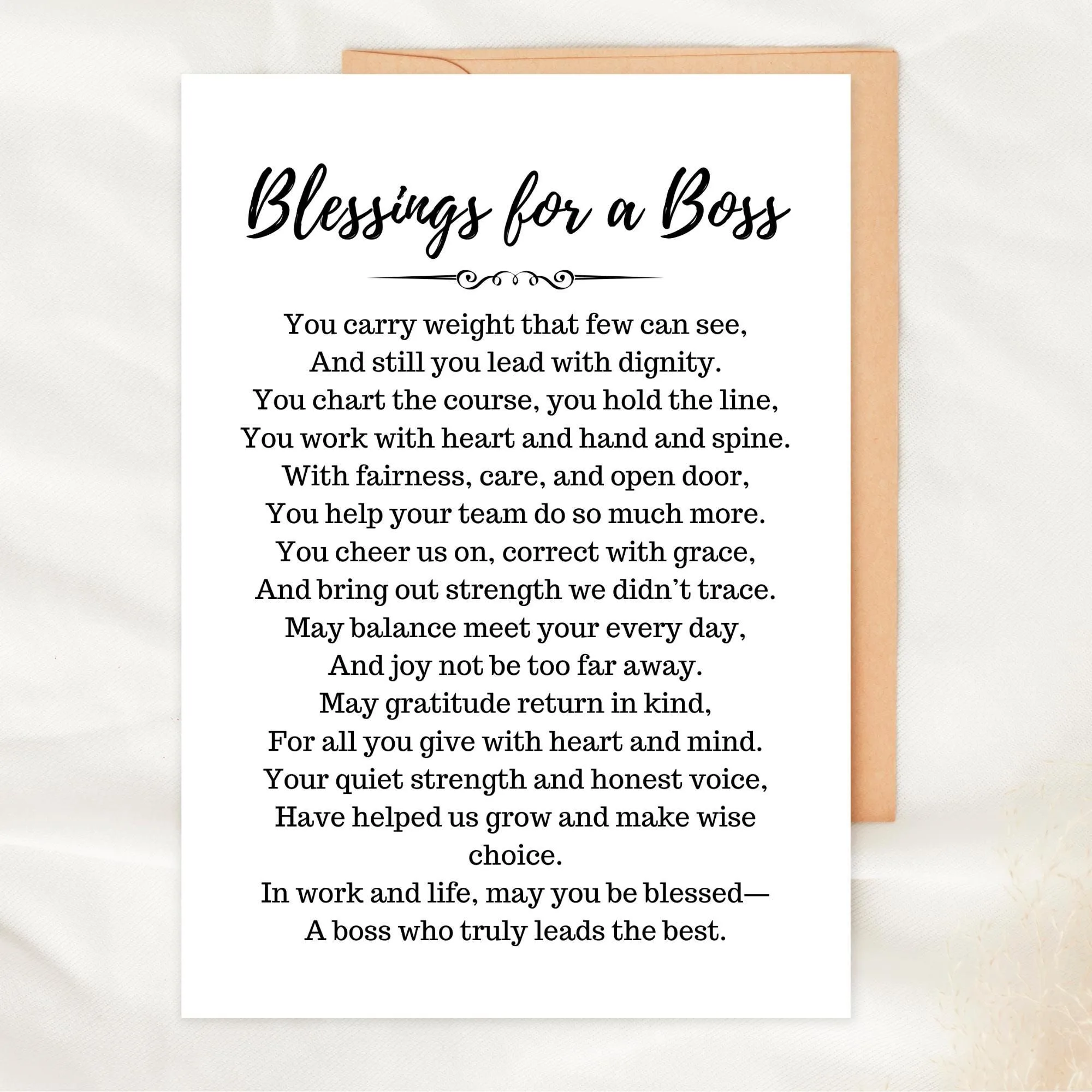
The appreciation letter is one of the highest-leverage documents in management, and also one of the most consistently botched. A thoughtful appreciation letter from a manager builds loyalty, boosts morale across a team, and often gets shared with the employee's family or mentors. A generic one, the kind that reads like a template with the name swapped in, does nothing. The gap between the two is not effort. It is specificity.
A strong appreciation letter names what the employee did, explains why it mattered, and tells them something they did not already know about how their work is perceived. That is all. It is not a performance review. It is not a pep talk. It is a short, sincere piece of professional writing that an employee will keep in a folder labeled "reasons I stay" for years. This guide provides the structure, language, and examples that make appreciation letters actually do work inside an organization.
Why Generic Appreciation Fails
The default pattern in corporate appreciation letters is predictable. The letter thanks the employee for their hard work, mentions positive attitude, and expresses appreciation for being part of the team. Every sentence could apply to any employee on any team at any company. The employee reads it once, thanks the sender, and forgets it by the next day.
Generic appreciation communicates that the manager does not actually know what the employee did. It signals that the letter is a checkbox exercise. Some employees interpret it as performative, which produces the opposite of the intended effect.
Organizational psychologists who study recognition, including Wharton's Adam Grant, have made the point that generic appreciation recognizes a role rather than a specific contribution, and that a letter which could apply to anyone on the team functions more like administration than genuine appreciation.
The difference between an appreciation letter that lands and one that does not is almost always in two places: the specific thing being appreciated, and the specific impact of that thing.
What a Strong Appreciation Letter Does
Research on recognition in the workplace, including work from Gallup and from academics such as Adam Grant, consistently finds that recognition is most effective when it is specific, timely, and connects work to impact. Appreciation letters are one of the most durable forms of recognition because they are written, keepable, and often shareable with people outside the company.
A strong appreciation letter does four things.
It names the specific action. Not "your hard work." The specific project, the specific moment, the specific behavior.
It explains the impact. Not "it really helped." The specific outcome the action produced for the team, the customer, or the business.
It notes what the manager learned or saw. Something the employee may not have realized the manager noticed.
It closes with a forward-looking note. Not a promise, not a dangling hint of promotion, but a sincere word about the manager's ongoing trust or investment.
These four elements turn an appreciation letter from a ceremonial document into a meaningful piece of professional communication.
The Timing Question
Appreciation letters work best when they arrive close to the event they are recognizing. A letter sent three months after a successful project lands softer than one sent two weeks after. The employee has moved on mentally, and the feedback feels like it is being retrieved from a manager's mental backlog rather than delivered with freshness.
| Timing After the Event | Emotional Impact |
|---|---|
| Same day | Can feel rushed, but very high impact if thoughtful |
| 1 to 7 days | Peak impact, feels attentive |
| 1 to 3 weeks | Strong impact, still feels current |
| 1 to 2 months | Moderate impact, begins to feel delayed |
| 3 months or later | Low impact, can feel performative |
| Annual review cycle | Impact absorbed by review noise |
The implication is simple. Appreciation letters should be written close to the event, not batched for quarterly reviews or annual touchpoints. A manager who writes two or three short appreciation letters per month, each tied to a specific recent accomplishment, builds stronger team loyalty than one who writes lengthy letters once per year.
The Four-Paragraph Structure
A strong appreciation letter fits comfortably in four paragraphs and runs 200 to 400 words. Longer letters dilute the specific moments being recognized.
Paragraph 1: Direct statement of appreciation. Name the specific thing. Do not bury the point.
Paragraph 2: The specific action. Walk through what the employee did, in enough detail that the employee can feel you actually paid attention.
Paragraph 3: The impact. Explain what the action meant for the team, the customer, or the business, with specifics.
Paragraph 4: The close. A forward-looking note about trust, continued partnership, or what the manager is grateful for beyond the immediate event.
This structure is simple enough to write in twenty minutes and specific enough to feel personal.
Five Complete Appreciation Letter Examples
Example 1: After a Successful Project Launch
Dear Priya,

I want to take a moment to tell you how much I appreciated the work
you led on the mobile onboarding redesign. It was genuinely one of
the strongest pieces of cross-functional leadership I have seen on
our team this year.

You took a project that had stalled twice under other leaders, rebuilt
the stakeholder map in the first two weeks, and ran a test program
that moved completion rates from 43 percent to 71 percent. The part
that impressed me most was how you handled the disagreement with the
growth team in week three. You reframed their concern as a shared
problem, proposed two options, and let them choose. That is senior
product judgment.

The downstream impact is already showing up in activation metrics.
The CEO referenced your work in the all-hands last Monday, which you
may have noticed. More importantly, the team now has a playbook for
how to run this kind of project, and that is partly because you wrote
the retrospective with such care.

Thank you for the work, and thank you for the way you did it. I am
glad we have you on this team.

With appreciation,
Sarah
Example 2: After Sustained Performance
Dear Marcus,

I have been meaning to put this in writing for a while, and I want
to do it properly rather than in passing. Your work running our data
infrastructure over the last year has been exceptional, and I want
you to know exactly what I have been watching.

You have shipped every quarterly milestone on time, which is already
rare in infrastructure work. What is rarer is that you have done it
while also rebuilding documentation, mentoring two junior engineers
through their first on-call rotations, and handling the vendor
relationship with Snowflake with a patience I do not share. The
migration we completed in September, with zero data loss across 140
million records, is the kind of project that shapes a team's
reputation with the rest of the company.

Two specific things I want to name. First, the way you raised the
rollback concern in week two of the migration prevented what would
have been a production incident. I know you had to push back against
me to do it, and I am grateful you did. Second, the documentation
you wrote is now being used by three other teams as a template. That
is a contribution beyond your team.

I am glad you are here, and I am looking forward to seeing what we
build together in 2026.

Thank you,
Eleanor
Example 3: Brief, Immediate Appreciation
Dear Jordan,

I want to thank you for the way you handled the client escalation
yesterday. The client's tone was harder than it needed to be, and
you responded with clarity, patience, and a concrete plan. The note
the client sent me this morning specifically mentioned you.

You turned what could have been a lost account into a stronger
relationship. That takes judgment, and I saw it.

Thanks,
Michael
Example 4: Appreciation for Cultural Contribution
Dear Amara,

I am writing because I want to name something that does not show up
on any quarterly scorecard but matters to me and to this team: the
way you have shaped our culture this year.

You were the one who started the biweekly learning sessions, which
have now had thirty-one different colleagues present. You were the
first to speak up when a new hire needed onboarding support across
time zones. You were the person who suggested we change the format
of our Monday standups, and the change made the meetings measurably
better. Each of these is small on its own. Together, they are the
reason this team feels like a team.

I want to be careful about this because I know recognition for
cultural work can quietly become an expectation that women and people
of color carry more of this invisible labor. I am not trying to
recruit you into more of it. I am trying to say that I see what you
have built, and that I would fight to protect your time to do your
actual job while you do it.

Thank you for being part of this team.

With appreciation,
David
Example 5: Year-End Appreciation
Dear Jordan,

As the year winds down I want to put on record what this year of
working with you has meant to the team.

You joined in January at a particularly difficult moment for the
department. The two projects you inherited were both behind schedule
and one was politically fraught. Eleven months later, both projects
are delivered, the team you built is one of the strongest in the
division, and the relationships you have developed across finance
and legal are genuinely admired by your peers.

What I appreciate most is the steady, unglamorous consistency of how
you lead. You do not take credit you do not earn. You do not duck
conversations that need to happen. You bring the same calm to a
production incident as to a performance review. That is rare.

I am grateful for your year, and I am grateful to have you on this
team going into 2026.

Thank you,
Eleanor
Each example names a specific action, attaches it to a specific impact, and closes in a way that leaves the employee feeling seen rather than simply praised.
Language Patterns That Land
The language of appreciation matters as much as the content. The following patterns either strengthen or weaken the letter.
| Stronger Phrasing | Weaker Phrasing | Why |
|---|---|---|
| The way you handled the escalation on Tuesday | Your great attitude | Specific event, specific time |
| Moved completion rates from 43 percent to 71 percent | Delivered strong results | Numbers carry weight |
| I noticed that you pushed back in week two | You are a great team player | Named, specific behavior |
| The CEO referenced your work in all-hands | Many people noticed | Named reader, specific occasion |
| I am grateful for the way you did it | Thanks for all you do | Specific, directed gratitude |
| I would fight to protect your time | Keep up the good work | Commitment, stake |
| I want to be careful about this because | Just wanted to say | Self-aware, deliberate |
HR professionals like Liz Ryan have observed that the most powerful moment in an appreciation letter is often when it signals the manager noticed something specific the employee did not realize was seen, and that this kind of genuine observation is what people tend to remember years later.
Recognition Across Remote and Hybrid Teams
Remote and hybrid work has made appreciation letters more important, not less. Without hallway conversations and in-person observations, many employees wonder whether their work is visible. A written appreciation letter closes that gap more effectively than a mention in a video call.
For remote teams, the letter becomes one of the primary tools through which managers make employees feel seen. The productivity systems explored at When Notes Fly include good approaches for managers to track specific moments across the week so appreciation letters draw from actual observations rather than reconstructed generalities.
| Team Context | Appreciation Letter Frequency |
|---|---|
| Fully remote team | 2 to 3 per direct report per year, specific moments |
| Hybrid team | 2 to 3 per direct report per year, plus in-person recognition |
| Fully in-office team | 1 to 2 per direct report per year, supplemented by verbal |
| Distributed across time zones | Higher frequency, shorter letters, same-day when possible |
| Project-based teams | One per major project completion |
Common Mistakes Managers Make
Appreciation letters fail in predictable ways. Knowing the failure patterns helps avoid them.
Writing too many at once. If a manager writes appreciation letters to every direct report in the same week, they feel like a batch job. Space them out based on real moments.
Attaching them to performance reviews. Appreciation absorbed into a formal review loses its independent weight. Keep them separate from any formal HR process.
Using the appreciation letter to soften coming criticism. Employees sense this immediately, and the letter then poisons future appreciation attempts. If criticism is needed, deliver it in a separate conversation.
Copying HR or leadership for visibility. Appreciation that appears staged for upward visibility feels transactional. Send it privately. If broader recognition is appropriate, that is a separate act.
Signing as "the team" or from HR. Appreciation from a specific manager to a specific person carries weight because of the relationship. Appreciation from "the team" or from HR is administrative.
Promising things the letter does not actually guarantee. Avoid hints about promotions, raises, or project assignments unless they are real commitments being made through proper channels.
Workplace advice writers such as Alison Green have argued that recognition works best when it reflects what the person actually did and comes from someone whose opinion they value, while generic recognition from a distant source tends to register as noise.
Formatting and Delivery
Appreciation letters can be delivered in several formats, and the choice signals how much care went into the gesture.
Email. Appropriate for most situations, and the default in most modern workplaces. Write it as a standalone email, not appended to a meeting reminder or mixed into a work thread.
Printed letter. Strong for year-end recognition, major project closeouts, or exceptional circumstances. The physical object has more keepability.
Handwritten note. Reserved for especially meaningful moments. The time investment itself communicates something the email cannot.
Internal recognition platform. Some companies use Bonusly, Kudos, or similar tools. Use these as a supplement to personal letters, not a replacement.
| Delivery Format | When to Use |
|---|---|
| Default for most appreciation | |
| PDF attached to email | For longer year-end letters |
| Printed letter | Major milestones, executive team |
| Handwritten note | Exceptional moments, strong emotional weight |
| Recognition platform | Public team-wide recognition |
| Team meeting mention | In addition to written, not instead of |
The document conversion workflows at File Converter Free handle format swaps when an appreciation letter is written in one format and needs to be saved in another for personnel files or shared with HR.
Appreciation as a Management Habit
The managers who build the strongest teams are almost always managers who send frequent, specific, thoughtful appreciation letters. The practice compounds. Employees who receive specific appreciation behave in ways that generate more specific appreciation, because the specificity of the letter trains both the writer and the reader to pay attention to what actually moved the business.
The cognitive research explored at What's Your IQ suggests that the act of writing about a specific event reinforces the manager's own memory of the event, which in turn strengthens their ability to give developmental feedback later. Appreciation letters are not just a gift to the employee. They are a discipline that improves the manager's observational practice.
Appreciation Letters During Difficult Times
Appreciation letters carry unusual weight during organizational difficulty. Layoffs, restructurings, and project failures all create moments when employees wonder whether their work matters. A well-written appreciation letter during these periods, when it is honest rather than performative, builds the kind of trust that keeps strong employees through hard quarters.
The letter should not pretend things are fine when they are not. It should honor what the employee did despite the circumstances, which is a different and more honest frame.
Dear Priya,

This has been a hard quarter for the team, and I want you to know
that your steadiness through it has mattered. You have not pretended
things are easy. You have also not let the team slip into paralysis.
You shipped the migration on time, kept the documentation current,
and made sure Samir and Lisa felt supported during their first
months. I see all of that, and I am grateful for it.

Thank you for the work you have done this quarter.

Eleanor
Making Appreciation a Professional Craft
Most managers send appreciation letters occasionally and treat them as nice-to-haves. A small number of managers treat appreciation as a core practice, sending specific letters to specific people at specific moments throughout the year. Those managers are the ones whose former direct reports stay in touch for decades, ask them for references years later, and bring them into new roles when they themselves rise.
The craft is not complicated. Name the action. Explain the impact. Note what you saw that they may not have realized you saw. Close with a forward-looking word. Write it close to the event. Send it privately. Repeat, several times a year, for as long as you manage people.
For related guidance, see our articles on how to write a strong letter of recommendation and resignation letter examples.
References
Grant, A. (2013). Give and Take. Viking. https://adamgrant.net
Green, A. (2018). Ask a Manager. Ballantine Books. https://www.askamanager.org
Ryan, L. (2016). Reinvention Roadmap. BenBella Books. https://benbellabooks.com/shop/reinvention-roadmap/
Gallup. Employee Recognition Research. https://www.gallup.com/workplace
Harvard Business Review. How to Give and Receive Feedback. https://hbr.org/
Society for Human Resource Management. Employee Recognition Best Practices. https://www.shrm.org
Deloitte Insights. The Practical Guide to Recognition. https://www2.deloitte.com/insights
Center for Creative Leadership. Giving Effective Feedback. https://www.ccl.org/articles/leading-effectively-articles/
Frequently Asked Questions
How long should an appreciation letter be?
An appreciation letter should run 200 to 400 words and fit in four paragraphs. Longer letters dilute the specific moments being recognized, while shorter letters can feel incomplete unless the occasion is very focused.
When should I send an appreciation letter?
Send it close to the event you are recognizing, ideally within one to three weeks. Letters sent three or more months after the fact lose emotional impact and can feel retrieved from a mental backlog rather than delivered with care.
What makes a generic appreciation letter fail?
Generic letters name no specific action and no specific impact, so they could apply to anyone on any team. Employees read generic appreciation as performative or administrative, and some interpret it as a sign the manager does not actually know what they did.
Should I copy HR or senior leadership on appreciation letters?
Send appreciation privately. Copying leadership can make the gesture feel staged for visibility rather than for the employee. If broader recognition is appropriate, handle it as a separate act through proper channels.
Should appreciation letters be part of performance reviews?
No. Appreciation absorbed into a formal review loses its independent weight. Keep appreciation letters separate from any HR process so the recognition stands on its own rather than being read as review preparation.
How often should a manager send appreciation letters?
Two to three per direct report per year is typical, tied to specific recent accomplishments. Higher frequency works for remote teams where visibility is harder. Batching all appreciation into one week makes it feel like a checkbox exercise.
What format should I use for an appreciation letter?
Email is the default. Printed letters or handwritten notes carry more weight for major milestones or exceptional moments. Internal recognition platforms work as a supplement to personal letters, not a replacement.