
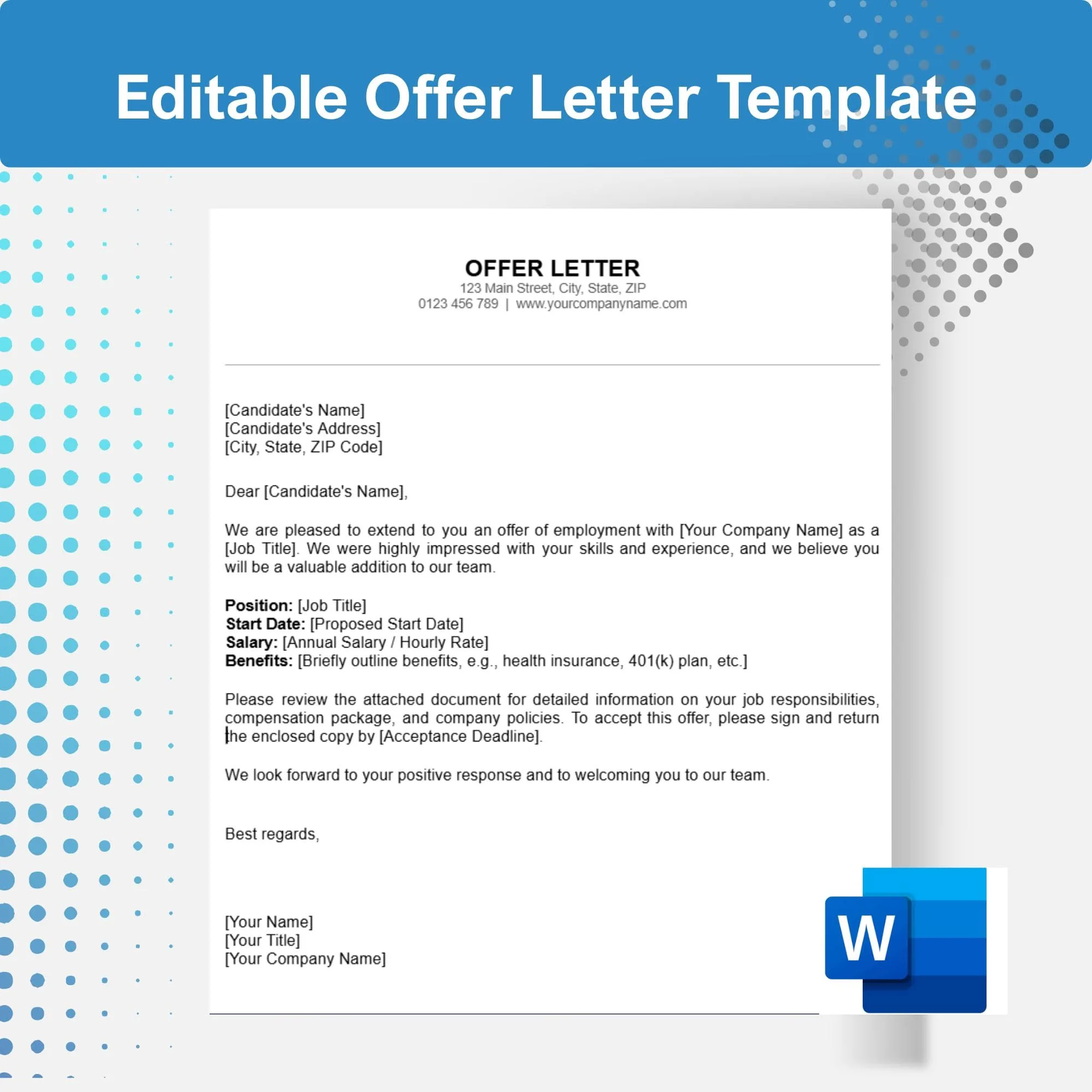
Securing sponsorship funding is one of the most challenging aspects of event planning, nonprofit management, sports team administration, and community organizing. The sponsorship request letter is your first and often only opportunity to capture a potential sponsor's attention and convince them that your opportunity is worth their investment. The Effective Sponsorship Letter Templates below are ready to copy, adapt, and send.
Most sponsorship letters fail because they focus on what the writer needs rather than what the sponsor gains. They read as requests for charity rather than proposals for mutually beneficial partnerships. This guide takes a fundamentally different approach. The 10 templates and strategies presented here are built around the principle that successful sponsorship letters sell a return on investment, not a sob story.
You will learn how to research potential sponsors effectively, craft value propositions that resonate with corporate decision-makers, structure tiered sponsorship packages that give sponsors options, and follow up in ways that convert interest into committed funding.
The Psychology of Sponsorship Decision-Making
Why Companies Sponsor
Understanding why companies allocate money to sponsorships is essential for writing letters that resonate with decision-makers. Corporate sponsorship budgets are marketing expenditures, not charitable donations. The distinction matters enormously. When a company sponsors your event, team, or project, they expect measurable returns in one or more of the following categories:
Brand visibility and awareness. Sponsors want their name, logo, and brand message in front of a defined audience that includes their current or potential customers. The more specific and desirable your audience demographics, the more attractive your opportunity becomes.
Community goodwill and reputation. Companies invest in sponsorships to build positive associations in their local or industry community. This is particularly important for businesses that depend on local customer relationships, such as banks, real estate firms, healthcare providers, and professional services firms.
Lead generation and sales. Some sponsorships offer direct access to potential customers through booths, sampling opportunities, product demonstrations, or attendee contact information.
Employee engagement. Many companies use sponsorships as opportunities for team building, employee volunteering, and demonstrating corporate values to their workforce.
Competitive positioning. Sponsors are often motivated by the desire to be seen as industry leaders or community champions, particularly when their competitors are also vying for sponsorship opportunities in the same space.
Who Makes Sponsorship Decisions
Your letter may be read by a marketing director, a community relations manager, a business development executive, a small business owner, or an executive assistant who screens incoming requests. Understanding who typically makes sponsorship decisions at your target company helps you tailor your language, value proposition, and level of detail appropriately.
At small businesses (under 50 employees), the owner or general manager typically makes sponsorship decisions personally. These decisions are often influenced by personal relationships, community ties, and gut instinct.
At mid-size companies (50 to 500 employees), a marketing director or marketing manager usually evaluates sponsorship opportunities against defined criteria and a fixed annual budget.
At large corporations (500+ employees), sponsorship decisions often involve a formal review process with applications, committees, and evaluation rubrics. Many large companies have dedicated sponsorship or community investment teams.
Researching Potential Sponsors
Identifying the Right Targets
The most common mistake in sponsorship outreach is sending generic letters to every company in the phone book. Targeted, researched outreach to a smaller number of well-matched sponsors produces dramatically better results than mass mailings.
Identify potential sponsors using these criteria:
- Audience alignment: The sponsor's target customers should overlap significantly with your audience demographics.
- Geographic relevance: For local events and projects, prioritize companies with a physical presence in your community.
- Industry fit: The sponsor's products or services should be relevant, or at least not contradictory, to your event or organization's mission.
- Sponsorship history: Companies that have sponsored similar events, teams, or organizations in the past are far more likely to say yes than companies with no history of sponsorship activity.
- Budget capacity: Target companies whose size and revenue suggest they have the capacity for the sponsorship level you are requesting.
Where to Find Sponsorship Intelligence
Before writing your letter, gather as much intelligence as possible about each target company:
- Company website: Look for a community involvement page, press releases about past sponsorships, and the company's stated mission and values.
- Social media accounts: Companies often publicize their sponsorship activities on LinkedIn, Facebook, and Instagram.
- Local business publications: Regional business journals frequently cover sponsorship announcements and community partnerships.
- Event programs from similar events: Check who sponsored events similar to yours in the past.
- Chamber of commerce directories: These can help identify companies actively involved in community engagement.
- Annual reports: Publicly traded companies often detail their community investment and sponsorship activities in annual reports.
Structuring Sponsorship Tiers
Why Tiers Matter
Offering tiered sponsorship packages rather than a single take-it-or-leave-it price point dramatically increases your conversion rate. Tiers give sponsors options that fit their budget, create a sense of exclusivity at higher levels, and establish a natural upsell path for returning sponsors year over year.
A Standard Tier Framework
Title/Presenting Sponsor (1 available): $[Highest Amount]
- Exclusive naming rights ("Event Name presented by [Sponsor]")
- Logo on all promotional materials, signage, and digital assets
- Premium booth or display location
- Speaking opportunity at the event
- [Number] complimentary tickets or registrations
- Social media feature posts (before, during, and after event)
- Inclusion in all press releases and media coverage
- First right of refusal for following year
Gold Sponsor ([Number] available): $[Amount]
- Logo on select promotional materials and signage
- Booth or display space
- [Number] complimentary tickets or registrations
- Social media mentions
- Inclusion in event program
Silver Sponsor ([Number] available): $[Amount]
- Logo in event program and on website
- [Number] complimentary tickets or registrations
- Social media mention
- Recognition from stage during event
Bronze/Community Sponsor (unlimited): $[Amount]
- Name listed in event program and on website
- [Number] complimentary tickets or registrations
Customizing Tiers for Your Audience
Adapt this framework to match the scale and nature of your event or project. A community 5K race will have very different tier pricing and benefits than a national industry conference. The key principle is that each tier should offer clearly increasing value, with the top tier providing genuinely exclusive benefits that cannot be obtained at lower levels.
10 Sponsorship Letter Templates
Template 1 - Event Sponsorship Request Letter
[Organization Name]
[Your Name and Title]
[Address]
[City, State, ZIP Code]
[Phone Number]
[Email Address]
[Date]
[Contact Name]
[Contact Title]
[Company Name]
[Company Address]
[City, State, ZIP Code]
Dear [Contact Name],
I am writing on behalf of [Organization Name] to invite [Company Name] to become a sponsor of our upcoming [Event Name], taking place on [Date(s)] at [Venue, City]. Now in its [Number] year, [Event Name] has become [City/Region]'s premier [type of event] and represents a unique opportunity for [Company Name] to connect with [Number] engaged attendees who match your target customer profile.
About the Event:
[Event Name] is a [brief description: one-day festival, three-day conference, annual gala, charity run, etc.] that brings together [description of audience: families in the greater metro area, industry professionals in the technology sector, fitness enthusiasts aged 25-45, etc.]. Last year's event drew [Number] attendees, generated [Number] social media impressions, and received coverage in [media outlets].
Why [Company Name]:
I noticed that [Company Name] has been actively involved in [specific community initiative, previous sponsorship, or stated corporate value], and I believe our event aligns well with your commitment to [specific area]. Our attendee demographics closely mirror your customer base: [specific demographic data such as age range, income level, geographic location, or professional profile].
What We Offer:
We have developed a sponsorship package specifically designed to maximize your brand visibility and engagement with our audience:
Presenting Sponsor - $[Amount] (1 available)
- Exclusive event naming rights: "[Event Name] presented by [Company Name]"
- Logo placement on all printed and digital materials (estimated reach: [Number] impressions)
- Premium 10x10 booth space in the main event area
- 5-minute speaking slot during the opening program
- [Number] complimentary VIP tickets
- Featured social media posts across our platforms ([Total Followers] combined followers)
- Logo and link on event website (averaging [Number] monthly visitors)
- Mention in all press releases distributed to local media
Gold Sponsor - $[Amount] ([Number] available)
- Logo on event signage and printed program
- Standard booth space
- [Number] complimentary tickets
- Social media mentions (3 posts across platforms)
- Logo on event website
Community Sponsor - $[Amount] (unlimited)
- Name listed in event program and on website
- [Number] complimentary tickets
- Social media thank-you post
The Return on Your Investment:
Based on last year's metrics, our presenting sponsor received an estimated [Number] brand impressions across all channels, direct engagement with [Number] attendees at their booth, and post-event survey data showing [Percentage]% brand recall among attendees. We are committed to providing detailed post-event analytics to every sponsor.
I would welcome the opportunity to discuss how we can tailor a sponsorship package to best meet [Company Name]'s marketing objectives. I will follow up by phone next week, or you can reach me directly at [Phone Number] or [Email].
Thank you for considering this partnership opportunity.
Sincerely,
[Your Name]
[Your Title]
[Organization Name]
Template 2 - Sports Team Sponsorship Request Letter
[Team/Organization Name]
[Your Name and Title]
[Address]
[Date]
[Contact Name]
[Company Name]
[Address]
Dear [Contact Name],
I am the [coach/manager/director] of [Team Name], a [youth/amateur/semi-professional] [sport] team competing in the [League Name] here in [City/Region]. I am reaching out to invite [Company Name] to become our team sponsor for the [Year] season, a partnership that offers consistent, high-visibility brand exposure over a [Number]-month period to an engaged local audience.
About [Team Name]:
[Team Name] has been part of the [City] community since [Year]. Our roster includes [Number] athletes aged [Range], and our games regularly draw [Number] spectators per event across [Number] home games per season. Our families and fans represent the heart of [City]'s [neighborhood/region], and they are loyal supporters of the businesses that invest in our community's youth and athletics.
Sponsorship Opportunity:
Primary Team Sponsor - $[Amount]/season
- Company logo featured prominently on team jerseys (front or back)
- Company name on team banner displayed at all [Number] home games
- Company logo on team website and social media pages
- Recognized as team sponsor during all game-day announcements
- Company banner displayed at [practice facility/home field]
- [Number] season passes for company use (clients, employees, family)
- Feature in team newsletter distributed to [Number] families
- End-of-season appreciation event invitation
Supporting Sponsor - $[Amount]/season
- Company logo on team website
- Company name on game-day program
- Recognition during [Number] home game announcements
- [Number] season passes
Community Supporter - $[Amount]/season
- Company name listed on team website and end-of-season program
- [Number] game passes
Community Impact:
Your sponsorship directly supports [specific use of funds: uniforms and equipment, league registration fees, tournament travel costs, facility rental, coaching staff]. Beyond the marketing benefits, your partnership sends a visible message that [Company Name] invests in the development of young athletes and the vitality of our local community.
I would be happy to meet with you at your convenience to discuss how we can make this partnership work for [Company Name]. I will follow up next week, but please feel free to reach me anytime at [Phone/Email].
With appreciation,
[Your Name]
[Your Title]
[Team Name]
Template 3 - Nonprofit Sponsorship Request Letter
[Nonprofit Name]
[Your Name and Title]
[Address]
[Date]
[Contact Name]
[Contact Title]
[Company Name]
[Address]
Dear [Contact Name],
[Nonprofit Name] is seeking corporate partners for our [Annual Campaign / Capital Project / Program Name], and I am writing to invite [Company Name] to join us as a sponsor. Your company's demonstrated commitment to [specific area aligned with your mission, e.g., "education equity," "environmental sustainability," "community health"] makes this a natural partnership that advances both our mission and your corporate social responsibility objectives.
About [Nonprofit Name]:
Since [Year], [Nonprofit Name] has served the [City/Region] community by [brief description of mission and primary activities]. Last year, we [specific, quantified impact: served 3,000 meals, provided tutoring to 500 students, planted 10,000 trees, housed 200 families]. Our work has been recognized by [awards, media coverage, or endorsements].
The Opportunity:
Our [Campaign/Project/Program] aims to [specific goal with timeline]. To achieve this, we are assembling a coalition of corporate sponsors who share our vision and want to make a measurable difference in our community.
Sponsorship Levels:
Impact Partner - $[Amount]
- Named partner in all campaign materials and press communications
- Logo featured in our annual report (distributed to [Number] donors and stakeholders)
- Speaking opportunity at our annual gala (attended by [Number] community leaders)
- Quarterly impact reports showing exactly how your investment is being used
- Employee volunteer day organized exclusively for your team
- Tax-deductible contribution (our EIN: [Number])
Champion Sponsor - $[Amount]
- Logo on campaign website and printed materials
- Recognition at annual gala
- Semi-annual impact updates
- Tax-deductible contribution
Community Ally - $[Amount]
- Name listed on campaign website
- Recognition in annual report
- Tax-deductible contribution
Measuring Your Impact:
We believe every sponsor deserves to know exactly what their investment accomplished. All sponsors at the Champion level and above receive detailed impact reports documenting the specific outcomes achieved through their funding. Last year, our Impact Partners collectively enabled [specific outcomes], and we shared this data with each partner for use in their own corporate communications and CSR reporting.
Tax Benefits:
[Nonprofit Name] is a registered 501(c)(3) organization (EIN: [Number]). Your sponsorship is tax-deductible to the fullest extent allowed by law.
I would be honored to discuss this opportunity with you in person. May I schedule a brief 20-minute meeting at your office in the coming weeks?
With gratitude,
[Your Name]
[Your Title]
[Nonprofit Name]
Template 4 - Conference Sponsorship Request Letter
[Organization Name]
[Your Name and Title]
[Address]
[Date]
[Contact Name]
[Contact Title]
[Company Name]
[Address]
Dear [Contact Name],
I am pleased to invite [Company Name] to sponsor [Conference Name], the [industry]'s leading annual conference, taking place [Dates] at [Venue, City]. With [Number] expected attendees, [Number] speakers, and extensive media coverage, this event offers unmatched access to [industry] decision-makers and influencers.
Conference Overview:
[Conference Name] has been the flagship event for the [industry] community for [Number] years. Attendees include [describe audience: C-suite executives, IT directors, healthcare administrators, marketing professionals, etc.] from companies ranging from innovative startups to Fortune 500 enterprises. [Percentage]% of attendees report having purchasing authority for [relevant products/services].
2024 Conference Metrics:
- [Number] registered attendees from [Number] countries
- [Number] exhibitor booths (sold out for 3 consecutive years)
- [Number] keynote and breakout sessions
- [Number] media impressions across print, digital, and broadcast
- [Number] social media impressions using event hashtag
- Attendee satisfaction rating: [Percentage]%
Sponsorship Packages:
Platinum Sponsor - $[Amount] (2 available)
- Keynote session naming rights: "[Session Name] presented by [Company]"
- Premium exhibition space (double booth, prime location)
- Full-page advertisement in conference program
- Logo on attendee badges, lanyards, or conference bags
- [Number] full conference registrations
- Pre-conference email to attendees introducing your company (sent to full registration list)
- Access to attendee demographic and contact data (with opt-in consent)
- Post-conference lead report
- VIP reception hosting opportunity
Gold Sponsor - $[Amount] (5 available)
- Breakout session naming rights
- Standard exhibition space
- Half-page advertisement in conference program
- [Number] conference registrations
- Logo on conference website and select printed materials
- Social media promotion (5 posts)
Silver Sponsor - $[Amount] (10 available)
- Exhibition space
- Quarter-page advertisement in conference program
- [Number] conference registrations
- Logo on conference website
- Social media mention (2 posts)
Session Sponsor - $[Amount] (limited)
- Naming rights for one breakout session
- Introduction of the session speaker
- Logo displayed during the session
- [Number] conference registrations
ROI for Sponsors:
Our 2024 post-conference sponsor survey revealed the following results: [Percentage]% of sponsors reported generating qualified leads, [Percentage]% reported strengthened brand awareness, and [Percentage]% renewed their sponsorship for the following year. We are committed to helping every sponsor maximize their investment and provide detailed post-event analytics.
Early commitment offers significant advantages, including priority booth selection and inclusion in early-bird promotional materials. I recommend scheduling a call this week to discuss which package best aligns with [Company Name]'s objectives for [Year].
I look forward to speaking with you.
Best regards,
[Your Name]
[Your Title]
[Organization Name]
Template 5 - Student Sponsorship Request Letter
[Your Name]
[Your Address]
[City, State, ZIP Code]
[Date]
[Contact Name]
[Contact Title]
[Company Name / Foundation Name]
[Address]
Dear [Contact Name],
My name is [Your Name], and I am a [Year, e.g., junior] at [School Name] pursuing a [Degree/Program] in [Field]. I am writing to request sponsorship for [specific purpose: participation in a national competition, study abroad program, research project, academic conference, professional certification, or educational opportunity] that will take place [Date/Duration] in [Location].
About Me:
I have maintained a [GPA] GPA while actively contributing to [School Name] through [specific extracurricular activities, leadership roles, or community service].
I was [selected/invited/accepted] for this [opportunity] based on [specific qualification, e.g., "winning the regional round of the national science competition" or "my research on renewable energy storage, which was published in the university undergraduate journal"]. This opportunity represents a significant milestone in my academic and professional development in [field].
About the Opportunity:
[Detailed description of the event, program, or opportunity, including its prestige, purpose, and expected outcomes. Include information about past participants, the organizing institution, and any selection criteria that demonstrates the competitive nature of the opportunity.]
How Sponsorship Supports Your Company:
I understand that corporate sponsorship is a business decision, and I want to ensure this partnership provides value to [Company Name]:
- Brand association with academic excellence: Your sponsorship will be acknowledged in [specific ways: my presentation, conference materials, social media, university newsletter]
- Talent pipeline development: Supporting students in [field] builds relationships with future professionals in your industry
- Community investment visibility: I will provide a detailed post-event report and am happy to participate in any company communications about the sponsorship
- Tax deduction: If processed through [School Name]'s 501(c)(3) foundation, your contribution is fully tax-deductible
Financial Details:
The total cost of [opportunity] is $[Total Amount], which includes:
- Registration/tuition: $[Amount]
- Travel: $[Amount]
- Accommodation: $[Amount]
- Materials/supplies: $[Amount]
I have secured $[Amount] through [personal savings, partial scholarships, fundraising] and am seeking $[Amount] in sponsorship to cover the remaining cost. Any level of contribution is deeply appreciated.
My Commitment to You:
In return for your support, I will:
- Provide a written report on the experience and outcomes within two weeks of completion
- Acknowledge [Company Name] in any presentations or publications resulting from this opportunity
- Be available to speak at a company event or contribute a guest article about the experience
- Maintain regular communication about my progress
I have attached my resume, a letter of recommendation from [Professor/Advisor Name], and documentation of the opportunity for your reference.
Thank you for considering this request. I would welcome the chance to discuss it with you in person or by phone.
Respectfully,
[Your Name]
Template 6 - Community Project Sponsorship Letter
[Organization Name]
[Your Name and Title]
[Address]
[Date]
[Contact Name]
[Company Name]
[Address]
Dear [Contact Name],
I am reaching out on behalf of [Organization/Group Name] to invite [Company Name] to sponsor [Project Name], a community improvement initiative that will [brief description of the project's purpose and impact] in the [Neighborhood/City/Region] area.
The Project:
[Project Name] will [detailed description of the project: build a community garden, renovate a playground, install a little free library network, organize a neighborhood cleanup, create a public mural, establish a community tool lending library, etc.]. The project is scheduled to begin on [Date] and will be completed by [Date].
This initiative was born from a genuine community need. [Describe the need with specific data: "Our neighborhood has no public green space within a half-mile radius, and 40% of residents live in apartments without yards" or "The playground equipment in Elm Street Park has been rated unsafe by the city parks department and closed since March."]
Community Support:
This project has already received support from:
- [City/County Department] (permits and technical assistance)
- [Number] community volunteers committed to [Number] hours of labor
- [Other supporters: local businesses, churches, schools, civic organizations]
- [Elected official or community leader], who has endorsed the project publicly
Sponsorship Levels:
Lead Community Partner - $[Amount]
- Permanent recognition plaque at the project site naming [Company Name] as lead sponsor
- Feature article in [local newspaper/community newsletter] about the project and your support
- Logo on all project signage during and after construction
- Photo opportunity at ribbon-cutting ceremony
- Social media recognition across all partner channels
- Employee volunteer day invitation (team-building opportunity for your staff)
Supporting Partner - $[Amount]
- Name on project site recognition signage
- Social media recognition
- Invitation to ribbon-cutting ceremony
- Employee volunteer participation welcome
Community Friend - $[Amount] or in-kind donation
- Name listed on project website and completion signage
- Thank-you post on social media
In-Kind Sponsorship:
We also welcome in-kind donations of [specific materials or services needed: lumber, paint, landscaping supplies, tools, professional services, food for volunteer days, etc.]. In-kind sponsors receive the same recognition as monetary sponsors at the corresponding value level.
Why This Matters for [Company Name]:
Community investment is one of the most effective forms of local marketing. Residents remember the businesses that improve their neighborhoods, and that goodwill translates into customer loyalty. A [Year] Nielsen study found that [Percentage]% of consumers prefer to buy from companies that demonstrate community commitment. This project gives [Company Name] a visible, lasting presence in a community that aligns with your customer base.
I would love to walk you through the project plans in person. May I stop by your office next week for a 15-minute conversation?
Warm regards,
[Your Name]
[Your Title]
[Organization Name]
Template 7 - Research Grant Sponsorship Letter
[Institution/Organization Name]
[Your Name, Credentials, and Title]
[Department]
[Address]
[Date]
[Contact Name]
[Contact Title]
[Company/Foundation Name]
[Address]
Dear [Contact Name],
I am a [Title] in the [Department] at [Institution Name], writing to request sponsorship for a research project titled "[Research Project Title]." This project investigates [brief, accessible description of the research question] and has the potential to [specific practical application or impact that is relevant to the sponsor's industry or interests].
Research Overview:
[2-3 paragraph description of the research, written in accessible language that a non-specialist can understand. Explain the problem being investigated, why it matters, and what outcomes are expected. Avoid excessive jargon.]
Relevance to [Company Name]:
This research is directly relevant to [Company Name]'s interests in [specific area] because [specific connection]. The findings could [specific practical application: inform product development, improve manufacturing processes, reduce environmental impact, advance clinical treatment, generate patentable intellectual property, etc.].
Sponsorship Request: $[Amount]
The funds will be allocated as follows:
- Research personnel (graduate assistants): $[Amount]
- Equipment and supplies: $[Amount]
- Data collection and analysis: $[Amount]
- Travel for field research/conferences: $[Amount]
- Publication costs: $[Amount]
What Sponsors Receive:
- Acknowledgment in all publications resulting from this research
- Quarterly progress reports on research findings
- Early access to research results before public publication
- Co-branding opportunity on conference presentations
- Right of first review for any commercializable discoveries (terms negotiable)
- Invitation to serve on the project advisory board
- Annual research summary suitable for your corporate communications
Project Timeline:
- Phase 1 (Months 1-4): [Description]
- Phase 2 (Months 5-8): [Description]
- Phase 3 (Months 9-12): [Description]
- Final report and publication: Month 13
Principal Investigator Qualifications:
[Brief CV summary: degrees, relevant experience, publication record, prior grants, and any industry collaborations.]
I have attached a detailed research proposal, budget justification, and my curriculum vitae for your review. I would welcome the opportunity to present this research to your team in a brief meeting or video call.
Respectfully,
[Your Name]
[Credentials]
[Title]
[Institution]
Template 8 - Arts and Cultural Sponsorship Letter
[Organization Name]
[Your Name and Title]
[Address]
[Date]
[Contact Name]
[Company Name]
[Address]
Dear [Contact Name],
[Organization Name] invites [Company Name] to become a sponsor of [Production/Exhibition/Performance/Season Name], our [upcoming production of / exhibition featuring / performance series of] [description]. As one of [City]'s [most respected / longest-running / most innovative] cultural organizations, we offer sponsors a unique opportunity to align their brand with the arts and engage with an audience that values creativity, culture, and community enrichment.
About [Organization Name]:
Founded in [Year], [Organization Name] has been a cornerstone of [City]'s cultural landscape for [Number] years. We [describe primary activities: produce 6 main-stage theatrical productions annually, present a 40-concert classical music season, curate 12 visual art exhibitions per year, etc.]. Our annual audience exceeds [Number], and our membership base includes [Number] individuals and families.
Audience Profile:
Our audience represents a highly desirable demographic for sponsors:
- Average household income: $[Amount]
- Age range: [Range], with the majority between [Age] and [Age]
- Education: [Percentage]% hold bachelor's degrees or higher
- Geographic distribution: [Description of where your audience lives]
- Engagement: Our audience is highly engaged, with [Percentage]% attending [Number] or more events per year
Sponsorship Opportunities:
Season Sponsor - $[Amount]
- Your company presented as the season sponsor in all materials for the entire [Number]-month season
- Full-page advertisement in every program (total distribution: [Number])
- Logo on all season promotional materials, website, and email communications
- [Number] premium tickets to each production/event in the season
- Exclusive pre-show reception for your clients and employees at [Number] events
- Backstage tour and meet-the-artist opportunity
- Featured in our annual fundraising gala (attended by [Number] community leaders)
Production/Exhibition Sponsor - $[Amount]
- Named sponsor of one [production/exhibition/concert]: "[Title] sponsored by [Company]"
- Full-page advertisement in production program
- Logo on production-specific marketing materials
- [Number] premium tickets
- Pre-show reception hosting opportunity
Supporting Sponsor - $[Amount]
- Half-page advertisement in all programs
- Logo on website sponsor page
- [Number] tickets to [Number] events
- Recognition from stage at sponsored events
Arts Patron - $[Amount]
- Name listed in all programs
- [Number] tickets to one event
The Value of Arts Sponsorship:
Research from Americans for the Arts demonstrates that arts sponsorship generates exceptional brand affinity. Audiences at cultural events are receptive, attentive, and predisposed to view sponsors favorably because they associate the sponsor with the positive experience of the performance. This creates a qualitatively different brand impression than traditional advertising.
I would be delighted to arrange a personal tour of our [venue/gallery/theater] and discuss how we can create a sponsorship package tailored to [Company Name]'s objectives.
With appreciation,
[Your Name]
[Your Title]
[Organization Name]
Template 9 - Visa Sponsorship Request Letter
[Your Name]
[Your Address]
[City, State, ZIP Code]
[Date]
[Hiring Manager's Name]
[Company Name]
[Company Address]
[City, State, ZIP Code]
Dear [Hiring Manager's Name],
I am writing to formally request that [Company Name] consider sponsoring my [H-1B / O-1 / L-1 / other visa type] visa application. I am currently authorized to work in the United States under [current visa status, e.g., "my F-1 OPT authorization, which expires on Date"] and am seeking an employer willing to petition for a longer-term work visa that would allow me to continue contributing to [Company Name / your industry] without interruption.
My Value to [Company Name]:
[If you are already employed at the company:] Since joining [Company Name] in [Date], I have [specific, quantified contributions: led the development of a product feature that increased revenue by X%, reduced processing time by X%, managed a team that delivered X project under budget, etc.].
My performance reviews have consistently reflected [positive assessment language], and I believe my contributions demonstrate the kind of specialized value that justifies the company's investment in visa sponsorship.
[If you are applying from outside:] My background includes [relevant experience, education, and qualifications that make you uniquely qualified]. I hold a [Degree] in [Field] from [University] and have [Number] years of experience in [specific area]. My skills in [specific skills] are directly relevant to [Company Name]'s needs in [department/area].
Understanding the Sponsorship Process:
I understand that visa sponsorship involves a commitment of time and resources from the employer. To provide transparency about what is involved:
- H-1B visa: Requires the employer to file a Labor Condition Application and Form I-129. Attorney fees and filing costs typically range from $[Amount] to $[Amount]. The annual cap means applications are filed in March/April for an October start date.
- Processing timeline: Standard processing takes [Number] months. Premium processing is available for an additional $[Amount] and guarantees a response within 15 business days.
- Employer obligations: The employer must pay the prevailing wage for the position and cannot pass filing costs to the employee.
What I Am Asking:
I am requesting that [Company Name] agree to sponsor my [visa type] petition and cover the associated filing costs. I am committed to a long-term career with [Company Name] and view this sponsorship as a mutual investment in a productive, ongoing employment relationship.
I have consulted with an immigration attorney who has confirmed that my qualifications meet the requirements for [visa type] classification, and I am prepared to share this assessment and provide any documentation needed for the company's review.
I appreciate your consideration and would welcome the opportunity to discuss this request in person.
Sincerely,
[Your Name]
Template 10 - Scholarship Sponsorship Request Letter
[Your Name]
[Your Address]
[City, State, ZIP Code]
[Date]
[Contact Name]
[Contact Title]
[Company/Foundation/Organization Name]
[Address]
Dear [Contact Name],
I am writing to request consideration for a scholarship sponsorship to support my [education level: undergraduate, graduate, doctoral] studies in [Field] at [University Name] for the [Academic Year] academic year.
Academic Profile:
- Current GPA: [Number]
- Major/Program: [Field]
- Expected Graduation: [Date]
- Relevant Honors: [List academic distinctions, dean's list, awards]
- Relevant Activities: [List leadership roles, research, internships, community service]
Why I Need Sponsorship:
[Provide honest, specific context about your financial situation without being melodramatic. Focus on facts:]
The total cost of attendance at [University Name] for the [Year] academic year is $[Amount], which includes tuition ($[Amount]), housing ($[Amount]), books and supplies ($[Amount]), and living expenses ($[Amount]). My current financial aid package covers $[Amount] through [federal aid, institutional grants, existing scholarships], leaving a gap of $[Amount].
[If applicable:] I am the first in my family to attend college, and my family's financial resources are limited. I work [Number] hours per week at [job] to contribute to my expenses, but I have reached the maximum hours I can work without compromising my academic performance.
How Your Investment Will Be Used:
Your sponsorship will be applied directly to [tuition, housing, books, or other specific expenses]. This support will allow me to [specific impact: reduce my work hours to focus on academics, participate in an unpaid research opportunity, attend a required clinical rotation, avoid taking on additional student loan debt].
My Goals and Your Return:
I am pursuing [Field] because [genuine, specific motivation]. After graduation, I plan to [career goal that connects to the sponsor's industry or community]. I believe that professionals in [field] can [specific impact].
For [Company/Foundation Name], sponsoring my education represents an investment in [the local workforce, the next generation of professionals in your industry, community development, etc.]. I am committed to maintaining the academic excellence your sponsorship represents and will:
- Provide academic transcripts at the end of each semester
- Write a personal update letter detailing my progress and experiences
- Acknowledge [Sponsor Name] in my senior thesis/capstone project
- Participate in any mentorship or community service opportunities your organization offers to scholarship recipients
- Represent [Sponsor Name] with integrity and gratitude throughout my academic and professional career
Supporting Materials Enclosed:
- Official academic transcript
- Resume/CV
- Letter of recommendation from [Professor/Advisor Name]
- Financial aid summary from [University Name]
Thank you for investing in students and in the future of our community. I would be honored to meet with you to discuss my background and goals in person.
With sincere gratitude,
[Your Name]
The Follow-Up Strategy That Converts Interest into Funding
Timing Your Follow-Up
The period between sending your sponsorship letter and receiving a response is critical, and most sponsorship seekers handle it poorly. The most common mistakes are following up too aggressively (daily emails or calls) or not following up at all (assuming silence means no).
The optimal follow-up cadence is:
Day 1: Send the sponsorship letter via your chosen delivery method.
Day 7-10: Make your first follow-up contact, ideally by phone. Reference the letter briefly, ask if they had a chance to review it, and offer to answer any questions. Keep the call under 5 minutes.
Day 14-17: If you have not connected by phone, send a brief follow-up email.
Add a piece of new information or value, such as an updated attendee count, a new media partnership, or a recently confirmed keynote speaker. Day 21-24: Make a final follow-up attempt. If you have received no response after three contacts, move on and focus your energy on other prospects.
What to Say in Follow-Up Calls
Follow-up calls should be brief, professional, and value-focused. A strong script looks like this:
"Good morning, [Name]. This is [Your Name] from [Organization]. I sent you a sponsorship proposal for [Event/Project] about a week ago and wanted to check in to see if you had any questions. We have just confirmed [new development that adds value], and I thought that might be relevant to your consideration. Do you have a few minutes to discuss the opportunity, or is there a better time I could call back?"
Handling Objections
Common objections and effective responses:
"We have already allocated our sponsorship budget for this year." Response: "I completely understand. Would it be appropriate for me to reach out again in [Month] when you are planning next year's budget? I would love to make sure [Event/Project] is on your radar for [next year]."
"This does not fit our current marketing priorities." Response: "I appreciate your candor. Could you share what types of sponsorship opportunities are most relevant to [Company Name]? I want to make sure that if we approach you in the future, we are offering something that aligns with your goals."
"The sponsorship levels are above our budget." Response: "We are flexible and want to find a level that works for you. Would a custom package at $[lower amount] be more appropriate? We can adjust the benefits accordingly."
Measuring and Reporting Sponsorship ROI
Why Post-Event Reporting Matters
Providing detailed post-event reports to sponsors is not just good practice; it is the single most effective strategy for securing repeat sponsorships. Sponsors who receive concrete evidence of their return on investment are dramatically more likely to renew and increase their commitment the following year.
What to Include in a Sponsor Report
A comprehensive post-event sponsor report should include:
- Total attendance figures and demographic breakdown
- Media coverage summary with clips or links
- Social media metrics: impressions, engagements, mentions, and hashtag performance
- Photographs of sponsor branding and logo placement
- Website traffic data during the promotional period
- Survey results related to sponsor brand awareness and recall
- Direct outcomes such as leads generated, samples distributed, or booth traffic
- Comparison to the previous year's metrics, if applicable
- A thank-you message and an invitation to discuss next year's sponsorship
Deliver this report within 30 days of the event and request a brief meeting to review the results together. This meeting is your natural opportunity to begin the conversation about next year's sponsorship.
Final Thoughts on Sponsorship Success
Securing sponsorship is fundamentally a sales process, and the sponsorship letter is your opening pitch. The organizations that consistently attract funding are those that treat sponsors as partners rather than donors, that invest in research and relationship-building before making the ask, and that deliver measurable value that justifies the investment year after year.
Use the templates in this guide as starting points, but always customize them with specific details about your audience, your metrics, and the genuine connection between your opportunity and the sponsor's business objectives. The difference between a sponsorship letter that gets filed in the trash and one that gets funded is almost always the difference between a generic request and a tailored, evidence-based proposal.
Frequently Asked Questions
How far in advance should you send a sponsorship request letter?
The ideal timeline for sending sponsorship request letters depends on the size of the sponsorship and the type of organization you are approaching. For major corporate sponsorships involving five figures or more, begin outreach 6 to 12 months before your event or project start date.
Large companies have annual marketing budgets that are typically allocated in the fourth quarter for the following year, so timing your request to align with their budget cycle dramatically increases your chances.
For mid-level sponsorships from regional businesses, 3 to 6 months of lead time is generally sufficient.
For smaller local sponsorships, 6 to 12 weeks is usually adequate. Sending requests too late is one of the most common reasons for rejection, as even interested sponsors cannot contribute funds that have already been allocated elsewhere. Early outreach also gives you time for follow-up conversations and negotiation of sponsorship terms.
What makes a sponsorship letter stand out from the hundreds that companies receive?
The single most effective differentiator is demonstrating that you have researched the specific company and can articulate a clear, mutual benefit rather than sending a generic request. Companies receive hundreds of sponsorship requests annually, and the vast majority read identically: a brief description of the event followed by a request for money.
Letters that stand out open with a specific connection between the company’s stated goals, target audience, or community involvement history and the sponsorship opportunity being presented. Include concrete metrics such as expected attendance figures, demographic data about your audience, media coverage history, and social media reach.
Propose specific, tiered sponsorship packages rather than open-ended requests for funding. Most importantly, frame the letter around what the sponsor gains, not what you need. The shift from asking for help to offering a marketing partnership is the fundamental difference between letters that get funded and letters that get discarded.
Should you follow up after sending a sponsorship letter and how?
Absolutely. Following up is not optional; it is an essential part of the sponsorship acquisition process. Studies in nonprofit fundraising consistently show that the majority of sponsorship commitments happen after follow-up contact rather than in response to the initial letter.
Wait 7 to 10 business days after sending your letter before making the first follow-up contact.
A brief, professional phone call is more effective than an email follow-up because it creates a personal connection and allows for real-time conversation about the opportunity. If you reach voicemail, leave a concise message referencing your letter and offering to answer any questions.
If you cannot reach anyone by phone after two attempts, send a follow-up email that adds new information or value rather than simply asking whether they received your original letter. Plan for a maximum of three follow-up contacts spaced 7 to 10 days apart before accepting a non-response as a decline.