Spanish grammar and vocabulary explained: guides, references, and examples for learners at every level.
Master ser vs estar with 30+ contrasting examples, complete usage tables, and memory tricks. The definitive guide to Spanish's most challenging grammar concept.
Complete Spanish pronunciation guide: all 27 letters, vowel sounds, tricky consonants (j, rr, n), Spain vs Latin America differences, stress rules and accent marks.
Master Spanish grammar from scratch: sentence structure, noun gender, articles, adjective agreement, and verb infinitives with 20+ examples and comparison tables.

Master Spanish past tense: preterite vs imperfect with complete conjugation tables, 30+ contrasting examples, trigger words, and a clear memory framework for choosing correctly.
Complete guide to Spanish present tense conjugation: -AR/-ER/-IR endings, irregular verbs (ser, estar, ir, tener), stem-changing verbs, and reflexive verbs with full tables.
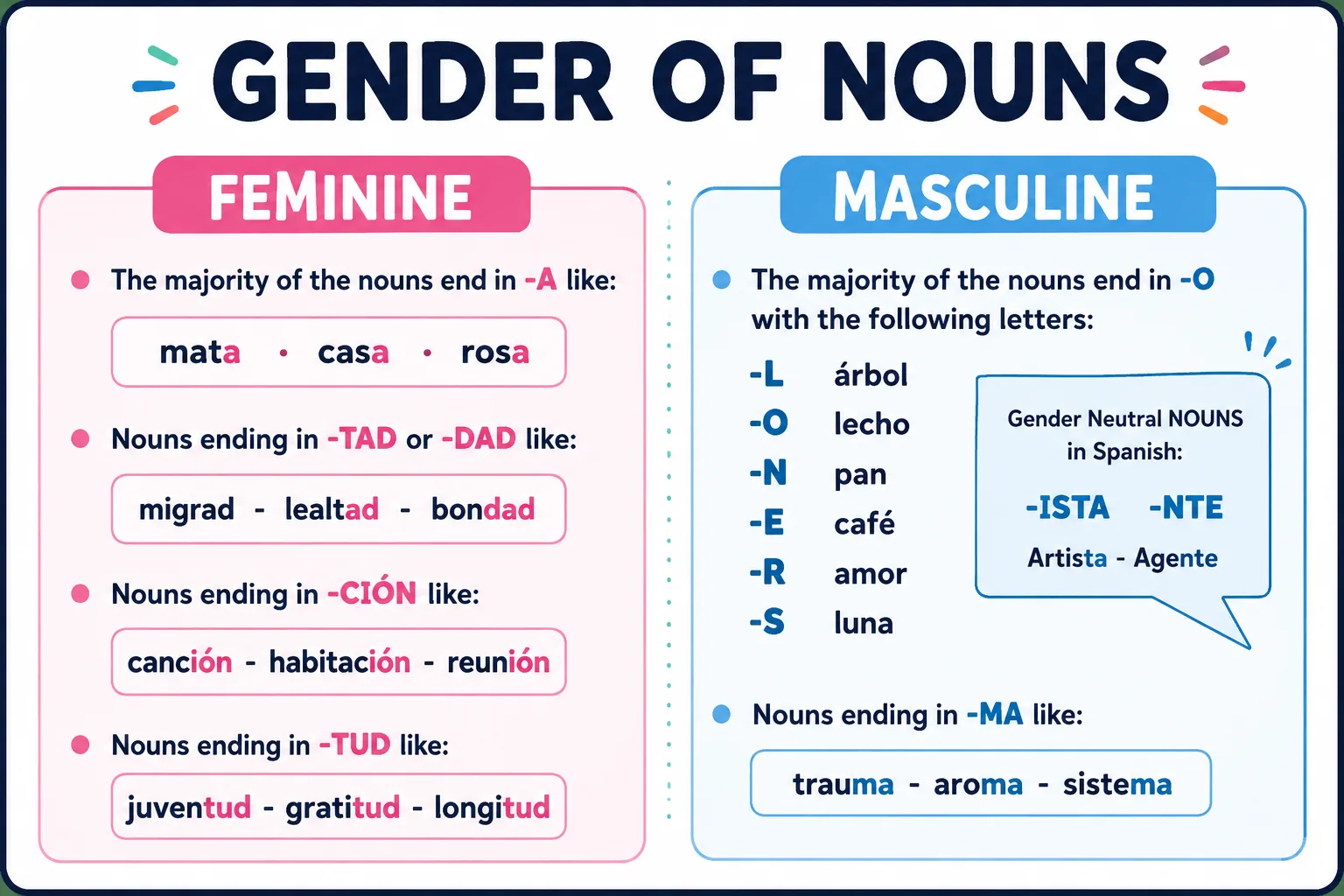
Complete reference for Spanish noun gender: rules for -o, -a, -cion, -dad, -ma endings; exceptions like el dia, la mano; adjective agreement and el agua.
Complete reference for the Spanish prepositions por and para: every use case, contrasting examples, fixed expressions, and a quick-decision test for learners.
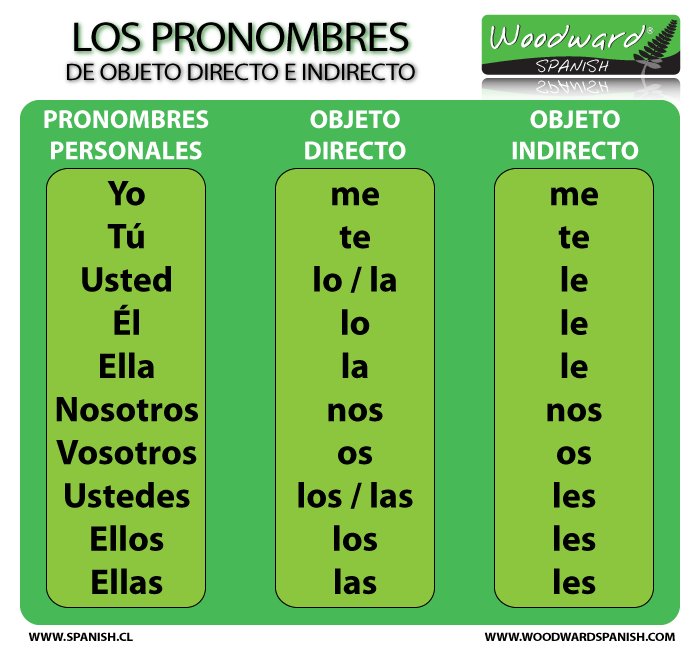
Complete Spanish pronoun reference: subject, direct object, indirect object, reflexive. Pronoun order (RID), placement rules, and the le to se change rule.
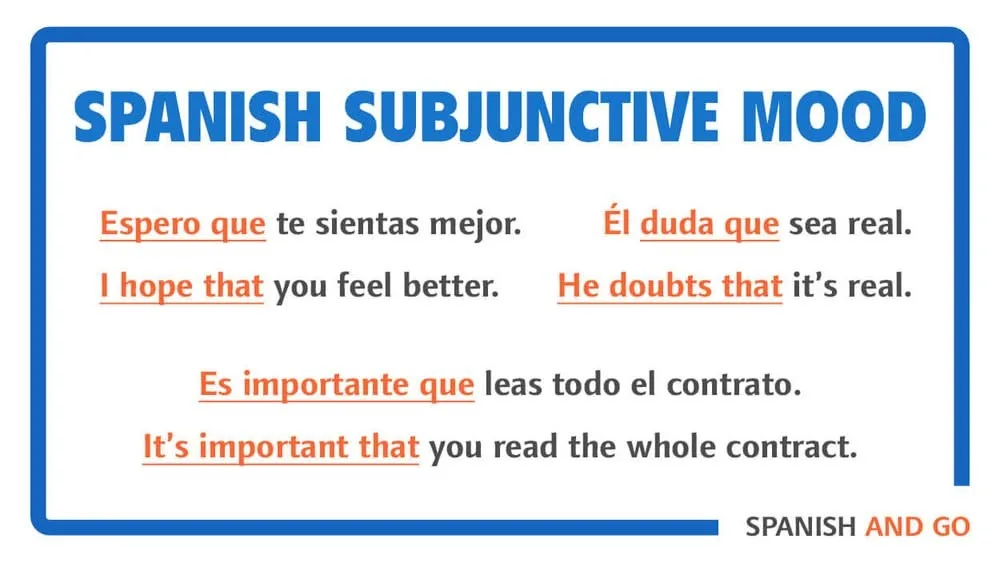
Complete Spanish subjunctive reference: present and imperfect forms, WEIRDO and ESCAPA triggers, indicative vs subjunctive contrasts, and sequence of tenses.
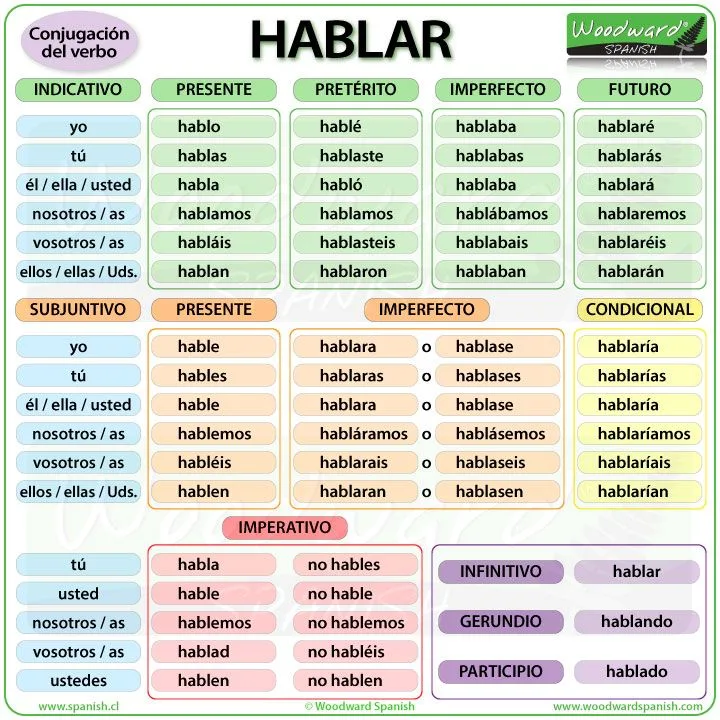
Complete Spanish verb conjugation reference: -AR, -ER, -IR classes fully conjugated across all 14 tenses and moods, with stem-change patterns and key irregulars.

Spanish body parts, symptoms, and medical vocabulary: me duele la cabeza, doctor and pharmacy phrases, illnesses, emergencies, pain description.

Spanish colors and adjectives: gender/number agreement (roja/rojos), invariant colors (rosa, naranja), position rules, and common descriptive vocabulary.
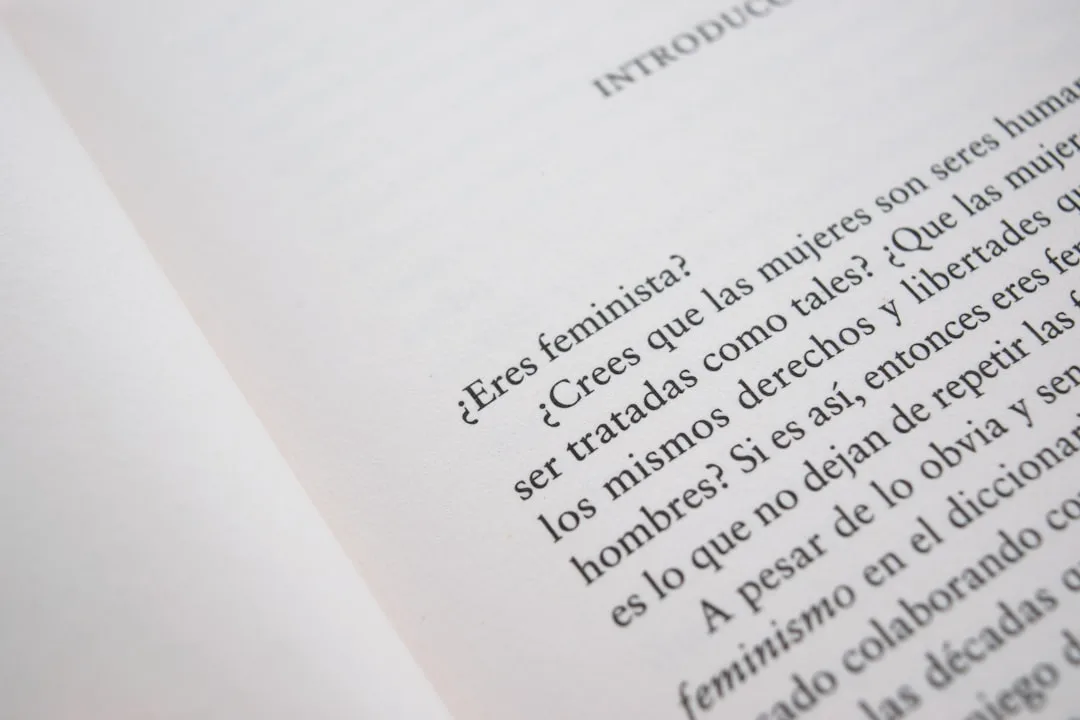
100 essential Spanish phrases for daily conversation: greetings, courtesy, shopping, directions, time, weather, and emergencies with English translations.
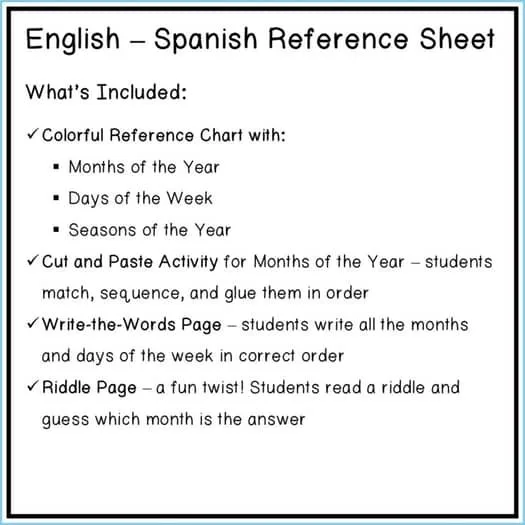
Spanish days, months, seasons, telling time (es la una/son las dos), parts of the day, 24-hour clock, and temporal adverbs with common examples and rules.

Spanish family vocabulary: immediate, extended, in-laws, stepfamily, godparents. Includes diminutives like abuelita, Hispanic family culture, and naming rules.
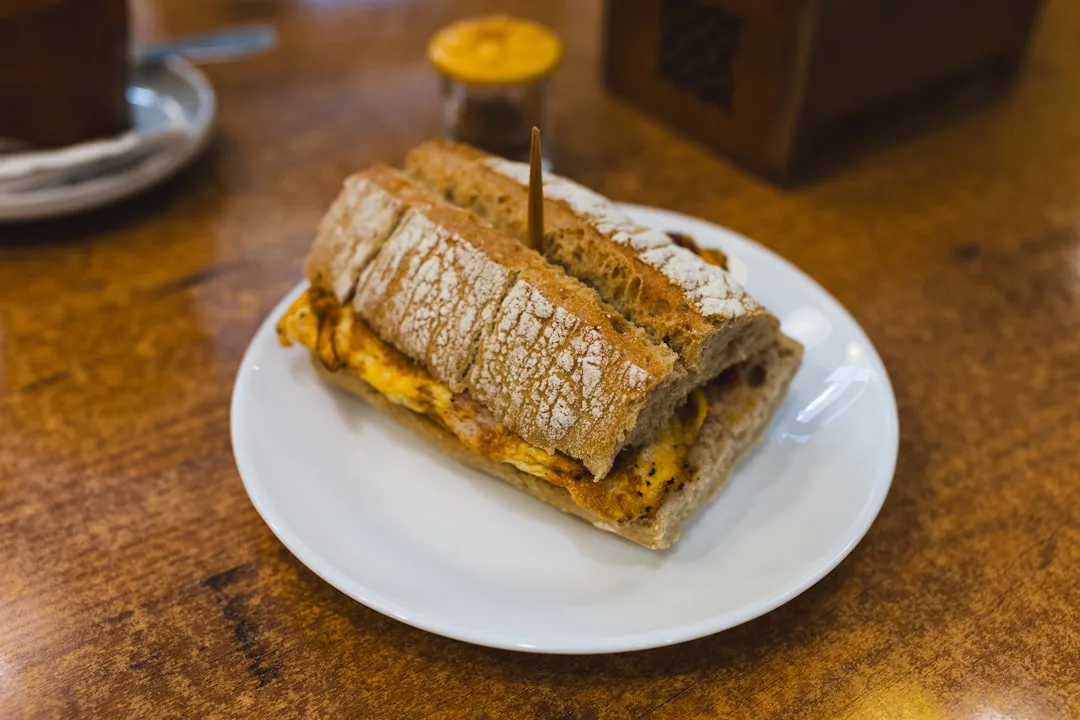
Complete Spanish food vocabulary: meals, proteins, fruits, vegetables, drinks, iconic dishes, restaurant phrases, cooking verbs, plus regional variants.
Spanish negation rules: double negatives, placement of no, nunca, nada, nadie, ninguno, tampoco, ni...ni. How Spanish differs from English negation logic.

Top 100 most frequent Spanish verbs with full present-tense conjugations for the top 20. Regular and irregular patterns, stem changes, and usage notes.

Spanish travel phrases: airport, hotel, taxi, metro, directions, car rental, sightseeing, emergencies. Spain vs Latin America vocabulary differences included.

Spanish weather vocabulary and grammar: hace calor, hace frio, llueve, nieva, esta nublado. Seasons, climate across Spanish-speaking world, landscape terms.
Both translate as to be. Ser describes permanent or defining qualities: identity, origin, profession, and time. Estar describes temporary states and locations: mood, condition, and where something is. The same adjective can change meaning depending on which verb you pair it with.
The subjunctive is a mood, not a tense. It marks how the speaker views an action: as doubtful, desired, hypothetical, or emotionally coloured rather than as a plain fact. It appears most often in subordinate clauses after expressions of wish, doubt, emotion, or necessity.
Largely yes. Spanish spelling maps closely to sound, so once you learn the five vowel sounds and a handful of consonant rules you can pronounce almost any written word. This makes Spanish notably easier to read aloud than English or French.