
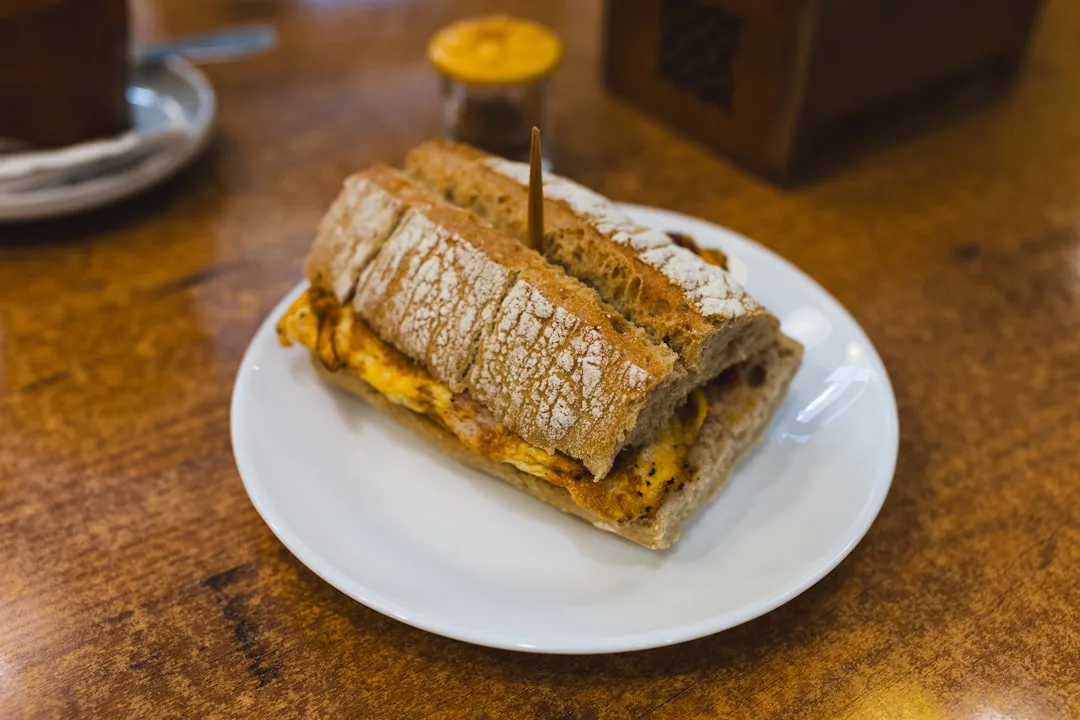
Food vocabulary is among the most rewarding parts of learning Spanish because the Spanish-speaking world includes two of the great culinary traditions - Spain's tapas, jamon, paella, and gazpacho, and the Latin American continuum from Mexican tacos and mole through Peruvian ceviche to Argentine asado.
A learner armed with the core food lexicon can read menus across twenty countries, cook from Spanish recipes, shop in markets anywhere from Madrid to Mexico City, and understand the cultural weight food carries in Hispanic life. This reference assembles the essential vocabulary by category, with regional variants marked and restaurant phrases included.
Spanish food vocabulary is shaped by centuries of culinary cross-pollination. Arabic speakers of medieval Iberia left words like aceite (oil) and azucar (sugar). The Columbian exchange delivered tomate, papa, chocolate, and maiz from the Americas into Spanish, and Spanish carried them onwards to the rest of the world.
Latin American varieties preserve many indigenous words: Nahuatl gave Mexican Spanish tomate, aguacate, and chocolate; Quechua gave papa (potato, called patata in Spain); Taino gave maiz. These are not interchangeable trivia but living vocabulary that varies by country. For the grammar behind verbs like comer and beber, see the Spanish verb conjugation system reference. For ordering phrases, see the Spanish common phrases reference.
Meals of the Day
Table 1. Meals and their typical times.
| Spanish | English | Typical time (Spain) | Typical time (Latin America) |
|---|---|---|---|
| El desayuno | Breakfast | 07:00-10:00 | 06:00-09:00 |
| La comida | Lunch / main meal (Spain) | 14:00-16:00 | varies |
| El almuerzo | Lunch (most Latin America) | n/a | 12:00-14:00 |
| La merienda | Afternoon snack | 17:00-19:00 | 16:00-18:00 |
| La cena | Dinner | 21:00-23:00 | 19:00-21:00 |
| El aperitivo | Pre-dinner drink / snack | before lunch | less common |
| La sobremesa | After-meal chat at the table | any meal | any meal |
| El tentempie | Quick snack | any time | any time |
La sobremesa has no English equivalent and is central to Hispanic dining culture. It refers to the extended conversation that follows a meal, sometimes lasting longer than the meal itself, during which coffee, a liqueur, and slow talk form the real point of eating together.
In Spain, the main meal of the day is la comida, eaten around 14:30 and often lasting an hour or more. Dinner is lighter and late. In most of Latin America, el almuerzo is the main midday meal, and dinner is earlier. Never use the Peninsular la comida for "food" in Mexico - use la comida there to mean lunch.
Bread, Grains, and Staples
Table 2. Bread, grain, and staple foods.
| Spanish | English | Notes |
|---|---|---|
| El pan | Bread | Universal |
| El arroz | Rice | |
| La pasta | Pasta | |
| Los fideos | Noodles / thin pasta | |
| El maiz | Corn | Also elote (Mexico), choclo (Andes) |
| La harina | Flour | |
| El trigo | Wheat | |
| La avena | Oats | |
| La tortilla | Tortilla | Corn/flour flatbread (LatAm); omelet (Spain) |
| La arepa | Arepa | Venezuela, Colombia |
| La empanada | Empanada | Stuffed pastry, continent-wide |
La tortilla is a famous false friend between regions. In Spain, la tortilla almost always means an omelet, especially tortilla espanola (potato omelet). In Mexico and most of Latin America, la tortilla is the flatbread. If you want a potato omelet in Mexico, ask for tortilla espanola specifically.
Proteins
Table 3. Meats, fish, and protein sources.
| Spanish | English | Notes |
|---|---|---|
| La carne | Meat | Generic |
| La carne de res | Beef | Latin America |
| La ternera | Beef / veal | Spain |
| El pollo | Chicken | |
| El cerdo / el puerco | Pork | |
| El cordero | Lamb | |
| El pavo | Turkey | |
| El pescado | Fish (as food) | |
| El pez | Fish (live) | |
| El atun | Tuna | |
| El salmon | Salmon | |
| Los mariscos | Seafood / shellfish | |
| El camaron | Shrimp | Latin America |
| La gamba | Prawn | Spain |
| El huevo | Egg | |
| El jamon | Ham | Spain's jamon is iconic |
| La salchicha | Sausage | |
| El chorizo | Chorizo | Cured sausage |
The Spain-Latin America divide on shrimp (gamba vs camaron) is strict. Ordering gambas in Mexico produces confusion; ordering camarones in Spain works but sounds foreign.
Fruits and Vegetables
Table 4. Common fruits.
| Spanish | English | Regional notes |
|---|---|---|
| La manzana | Apple | |
| La naranja | Orange | |
| El platano | Banana | Spain |
| La banana / el banano | Banana | Latin America |
| La fresa | Strawberry | |
| La frutilla | Strawberry | Argentina, Chile |
| La uva | Grape | |
| La pera | Pear | |
| El melocoton | Peach | Spain |
| El durazno | Peach | Latin America |
| La pina | Pineapple | Latin America, Spain |
| El ananas | Pineapple | Argentina (rare) |
| La sandia | Watermelon | |
| El melon | Melon | |
| La papaya | Papaya | |
| El mango | Mango | |
| El aguacate | Avocado | |
| La palta | Avocado | Andean countries |
| El limon | Lemon / lime | Context dependent |
| La lima | Lime | Spain |
Table 5. Common vegetables.
| Spanish | English | Regional notes |
|---|---|---|
| La verdura | Vegetable | Generic |
| La hortaliza | Produce / vegetable | Formal |
| La patata | Potato | Spain |
| La papa | Potato | Latin America |
| El tomate | Tomato | |
| La cebolla | Onion | |
| El ajo | Garlic | |
| La zanahoria | Carrot | |
| La lechuga | Lettuce | |
| El pepino | Cucumber | |
| El pimiento | Bell pepper | |
| El chile / el aji | Chili pepper | Mexico / South America |
| La calabaza | Pumpkin / squash | |
| La espinaca | Spinach | |
| El brocoli | Broccoli | |
| La coliflor | Cauliflower | |
| El champinon / el hongo | Mushroom | |
| El frijol / la judia / la habichuela | Bean | Mexico / Spain / Caribbean |
The word for "bean" is famously unstable: frijol in Mexico and Central America, judia or alubia in Spain, habichuela in the Caribbean, poroto in the Southern Cone. All refer to the same legume.
Drinks
Table 6. Beverages.
| Spanish | English |
|---|---|
| El agua | Water |
| El agua con gas | Sparkling water |
| El agua sin gas | Still water |
| El zumo / el jugo | Juice (Spain / Latin America) |
| La leche | Milk |
| El cafe | Coffee |
| El cafe con leche | Coffee with milk |
| El cortado | Espresso with a splash of milk |
| El te | Tea |
| El chocolate caliente | Hot chocolate |
| El refresco / la gaseosa | Soft drink |
| La cerveza | Beer |
| El vino | Wine |
| El vino tinto | Red wine |
| El vino blanco | White wine |
| El mezcal / el tequila / el pisco / el ron | Regional spirits |
Note el agua: the noun is feminine (las aguas in the plural), but takes the masculine article in the singular because of the stressed initial a. See the Spanish gender of nouns reference for the rule.
Iconic Dishes of the Spanish-Speaking World
Table 7. Signature dishes by country.
| Dish | Origin | Description |
|---|---|---|
| Paella | Valencia, Spain | Saffron rice with seafood or meat |
| Tapas | Spain | Small shared plates |
| Tortilla espanola | Spain | Potato and egg omelet |
| Gazpacho | Andalusia, Spain | Cold tomato soup |
| Jamon iberico | Spain | Cured ham from black pigs |
| Churros | Spain | Fried dough sticks |
| Tacos | Mexico | Filled corn tortillas |
| Tamales | Mesoamerica | Masa steamed in leaves |
| Mole | Mexico | Complex chocolate-chile sauce |
| Guacamole | Mexico | Avocado dip |
| Enchiladas | Mexico | Rolled filled tortillas in sauce |
| Ceviche | Peru | Raw fish cured in citrus |
| Arroz con pollo | Pan-Hispanic | Chicken and rice |
| Arepas | Venezuela, Colombia | Maize cakes |
| Empanadas | Argentina and elsewhere | Filled pastries |
| Asado | Argentina | Barbecue |
| Chimichurri | Argentina | Herb-oil sauce |
| Pupusas | El Salvador | Stuffed masa cakes |
| Ropa vieja | Cuba | Shredded braised beef |
| Sancocho | Caribbean, Andes | Hearty stew |
Arroz con pollo is one of the few dishes with versions in almost every Spanish-speaking country, each with its own twist. Cuban arroz con pollo is yellow with saffron; Peruvian arroz con pollo is green with cilantro. The name is the same; the dish varies by a thousand miles.
At the Restaurant
Table 8. Restaurant phrases.
| Spanish | English |
|---|---|
| Una mesa para dos, por favor | A table for two, please |
| ¿Tiene reservacion? | Do you have a reservation? |
| ¿Podemos ver el menu? | May we see the menu? |
| ¿Que recomienda? | What do you recommend? |
| ¿Cual es el plato del dia? | What's the dish of the day? |
| Quisiera pedir | I would like to order |
| Para empezar | To start |
| De primer plato | As a first course |
| De segundo plato | As a main course |
| De postre | For dessert |
| Para beber | To drink |
| La cuenta, por favor | The check, please |
| ¿Aceptan tarjeta? | Do you take cards? |
| ¿Incluye la propina? | Is the tip included? |
| Esta delicioso | It's delicious |
| Soy vegetariano / vegana | I'm vegetarian / vegan |
| Soy alergico al mani / al cacahuate | I'm allergic to peanuts |
| Sin gluten | Gluten-free |
| Sin lactosa | Lactose-free |
Cooking Verbs and the Kitchen
Table 9. Cooking verbs.
| Spanish | English |
|---|---|
| Cocinar | To cook |
| Cocer | To boil / simmer |
| Hervir | To boil |
| Freir | To fry |
| Asar | To roast |
| Hornear | To bake |
| Parrillar / asar a la parrilla | To grill |
| Saltear | To saute |
| Picar | To chop |
| Cortar | To cut |
| Pelar | To peel |
| Rallar | To grate |
| Mezclar | To mix |
| Batir | To beat / whisk |
| Amasar | To knead |
| Sazonar / condimentar | To season |
| Probar | To taste |
| Servir | To serve |
Table 10. Kitchen items.
| Spanish | English |
|---|---|
| La cocina | Kitchen / stove |
| La estufa | Stove (Latin America) |
| El horno | Oven |
| El microondas | Microwave |
| El refrigerador / la nevera | Refrigerator |
| El congelador | Freezer |
| La sarten | Frying pan |
| La olla | Pot |
| La cacerola | Saucepan |
| El cuchillo | Knife |
| El tenedor | Fork |
| La cuchara | Spoon |
| El plato | Plate |
| El vaso | Glass |
| La taza | Cup |
| La servilleta | Napkin |
| El mantel | Tablecloth |
Seasonings, Flavors, and Textures
Table 11. Flavors and descriptors.
| Spanish | English |
|---|---|
| La sal | Salt |
| La pimienta | Pepper |
| El azucar | Sugar |
| El aceite | Oil |
| El aceite de oliva | Olive oil |
| El vinagre | Vinegar |
| La mostaza | Mustard |
| El ajo | Garlic |
| Las hierbas | Herbs |
| Las especias | Spices |
| Dulce | Sweet |
| Salado | Salty |
| Amargo | Bitter |
| Acido | Sour |
| Picante | Spicy |
| Rico | Tasty |
| Sabroso | Flavorful |
| Soso | Bland |
Picante is for hot-from-chili-pepper spice. Caliente is only for temperature. A salsa can be muy picante pero fria (very spicy but cold).
Regional Variants at a Glance
Table 12. Key regional food vocabulary differences.
| Spain | Mexico / Latin America | English |
|---|---|---|
| patata | papa | potato |
| zumo | jugo | juice |
| ordenador (not food) | computadora | computer |
| tortilla (omelet) | tortilla (flatbread) | depends |
| gamba | camaron | shrimp |
| maiz | maiz / elote / choclo | corn |
| cacahuete | cacahuate / mani | peanut |
| melocoton | durazno | peach |
| fresa | fresa / frutilla | strawberry |
| aguacate | aguacate / palta | avocado |
Common Mistakes
- Saying tortilla in Spain and expecting a flatbread. You will receive a Spanish omelet.
- Asking for gambas in Mexico. Use camarones; most Mexican menus will not list gambas.
- Using picante for hot temperature. Use caliente for heat, picante only for chili heat.
- Mixing zumo and jugo. Use zumo only in Spain, jugo everywhere else.
- Assuming la comida means food in Spain. In Spain it specifically means the main midday meal; food in general is la comida only in context.
- Ordering el limon expecting lemon in Mexico. In Mexico, limon is usually lime (the fruit we call lemon is sometimes lima).
- Forgetting el agua takes feminine adjectives (el agua fria, not el agua frio). The article is masculine for phonetic reasons but the noun is feminine.
Quick Reference Cheat Sheet
Core food words every learner must know: pan, arroz, leche, carne, pollo, pescado, huevo, tomate, cebolla, ajo, sal, azucar, aceite, agua, vino, cafe. Add one iconic dish per Spanish-speaking country you might visit (paella for Spain, tacos for Mexico, ceviche for Peru, asado for Argentina, ropa vieja for Cuba) and you can navigate most menus.
Restaurant survival phrases: Una mesa para dos, ¿Que recomienda?, La cuenta por favor, Soy alergico a..., Esta delicioso.
Cooking core verbs: cocinar, freir, hornear, picar, mezclar, probar, servir.
FAQ
What's the difference between desayuno, comida, and cena?
Desayuno is breakfast, comida is the midday main meal in Spain (around 14:30), and cena is dinner, eaten late, often after 21:00. In Latin America, the midday meal is usually called almuerzo instead of comida, and dinner is earlier.
Is it papa or patata for potato?
Both are correct. Papa is used throughout Latin America and derives from Quechua. Patata is the standard word in Spain and reached European Spanish through the Columbian exchange via Italian. Neither is wrong; they simply signal region.
What does sobremesa mean?
La sobremesa is the leisurely conversation at the table after a meal, often lasting longer than the meal itself. It is a cultural institution in Spain and most of Latin America and has no direct English translation. "Lingering over coffee" captures the idea.
How do I order politely in a Spanish restaurant?
Use Quisiera (I would like) rather than Quiero (I want). Add por favor at the end: "Quisiera la paella, por favor." To call the waiter, say Disculpe or Perdone - never hiss or raise a hand.
What's the difference between picante and caliente?
Picante is "spicy" in the chili-pepper sense. Caliente is "hot" in the temperature sense. A dish can be picante y frio (spicy and cold). Do not use caliente to mean chili-hot, and never use it to describe yourself in isolation (Estoy caliente has a sexual meaning).
What are tapas?
Tapas are small shared plates, a Spanish tradition in which drinks come with a small bite of food - olives, jamon, tortilla, bread with tomato. Going "de tapas" means moving from bar to bar eating small plates rather than sitting down for one meal.
How do I say I'm vegetarian in Spanish?
Soy vegetariano (male) or Soy vegetariana (female). Vegan is vegano/vegana. To ask for a vegetarian option, say ¿Tiene algo vegetariano? Spanish menus may still include fish in dishes listed as vegetarian, so confirm: ¿Lleva pescado? (does it have fish?).
See Also
- Spanish common phrases for daily conversation
- Spanish verb conjugation system -AR -ER -IR reference
- Spanish gender of nouns rules and exceptions
- Spanish alphabet pronunciation guide
- Ser vs estar complete guide with examples
- Spanish grammar rules complete beginners guide
- Spanish por vs para complete usage reference
Frequently Asked Questions
What's the difference between desayuno, comida, and cena?
Desayuno is breakfast, comida is the midday main meal in Spain (around 14:30), and cena is dinner, often after 21:00. In Latin America the midday meal is usually called almuerzo, and dinner is earlier.
Is it papa or patata for potato?
Both are correct. Papa is used throughout Latin America and comes from Quechua. Patata is standard in Spain. Neither is wrong; they signal region.
What does sobremesa mean?
The leisurely conversation at the table after a meal, often lasting longer than the meal itself. A cultural institution in Spain and most of Latin America, with no direct English equivalent.
How do I order politely in a Spanish restaurant?
Use Quisiera (I would like) instead of Quiero (I want), and end with por favor. To call the waiter, say Disculpe or Perdone.
What's the difference between picante and caliente?
Picante is spicy in the chili-pepper sense. Caliente is hot in the temperature sense. A dish can be picante y frio at once.
What are tapas?
Small shared plates, a Spanish tradition in which drinks are accompanied by a small bite - olives, jamon, tortilla, bread with tomato. Going de tapas means bar-hopping with small plates.
How do I say I'm vegetarian in Spanish?
Soy vegetariano (m) or Soy vegetariana (f). Vegan is vegano/vegana. Spanish menus may still include fish in dishes called vegetarian, so confirm by asking Lleva pescado?