Urdu grammar and vocabulary explained: guides, references, and examples for learners at every level.
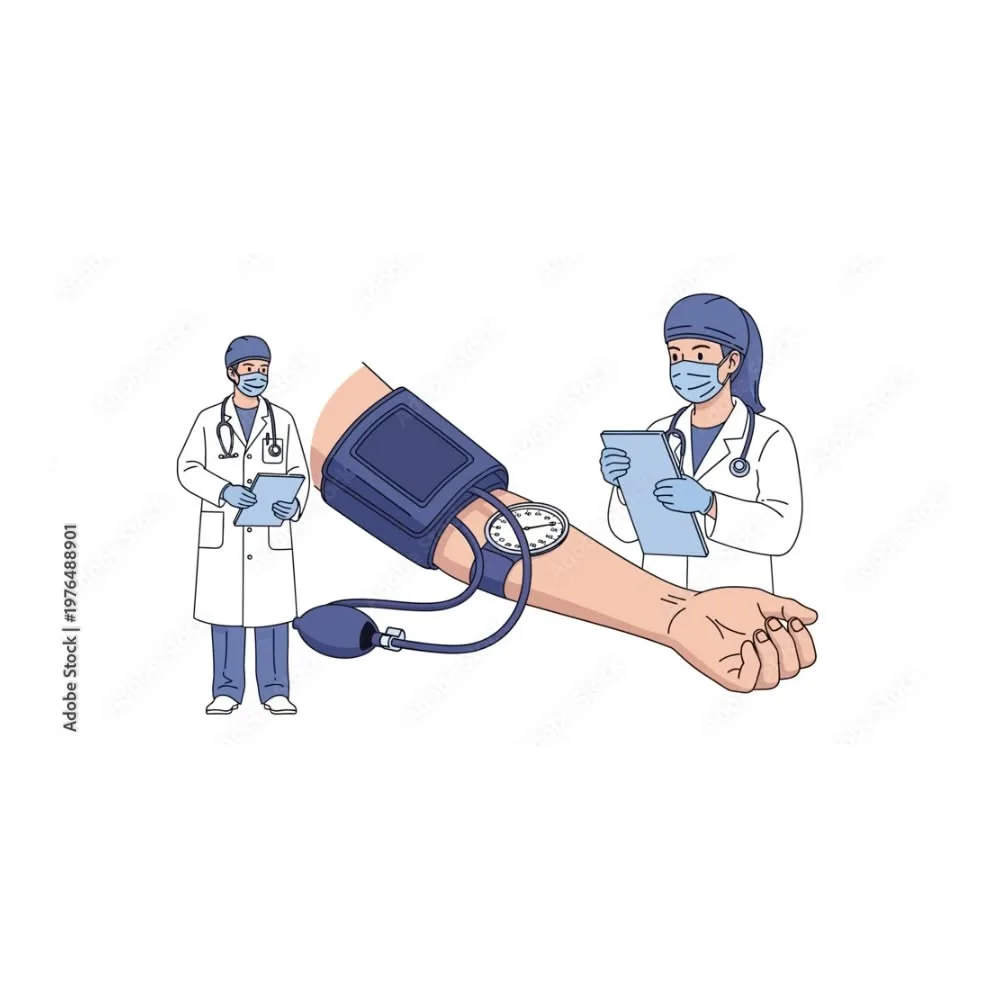
Comprehensive Urdu body parts and medical vocabulary including symptoms, hospital phrases, pharmacy interactions, Unani tibb, and Pakistani healthcare context.
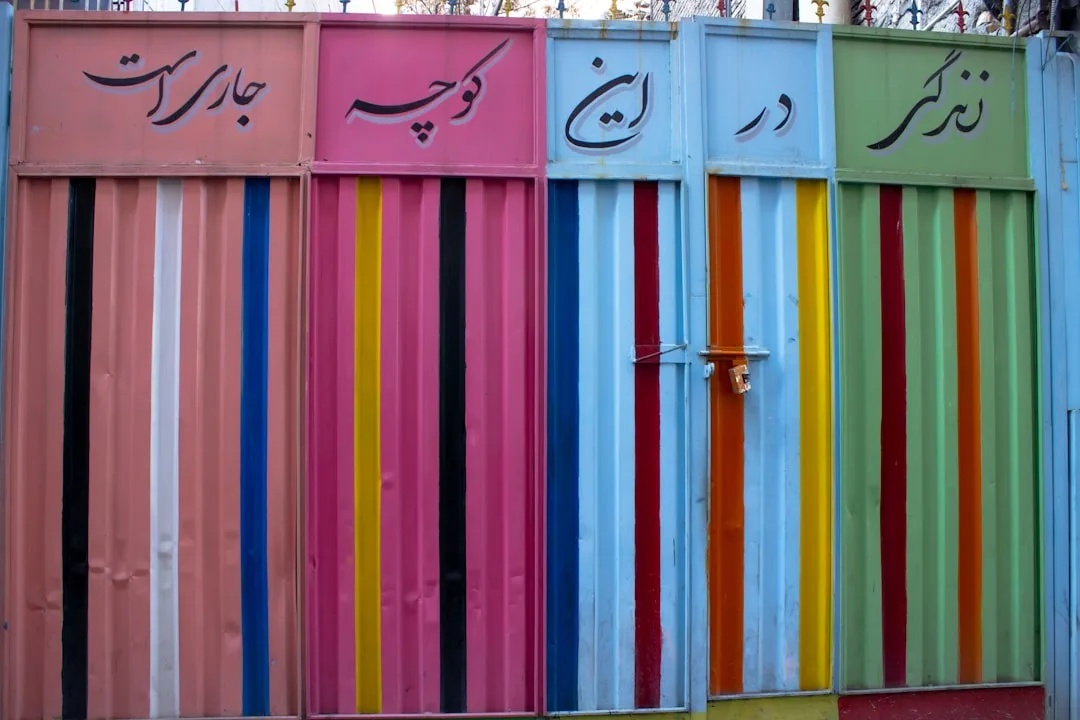
Comprehensive Urdu color and adjective vocabulary covering Persian and Indic registers, gender-number agreement rules, and over 200 descriptive terms.
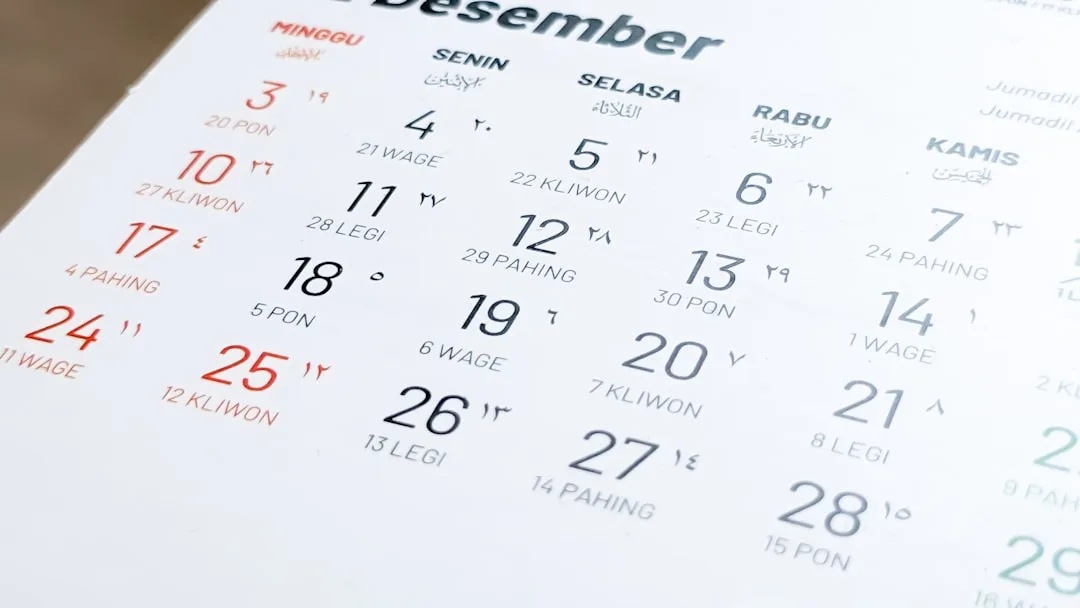
Complete Urdu time vocabulary covering days of week, Hijri Islamic and Gregorian months, telling time, and the kal-yesterday-tomorrow context-dependent system.
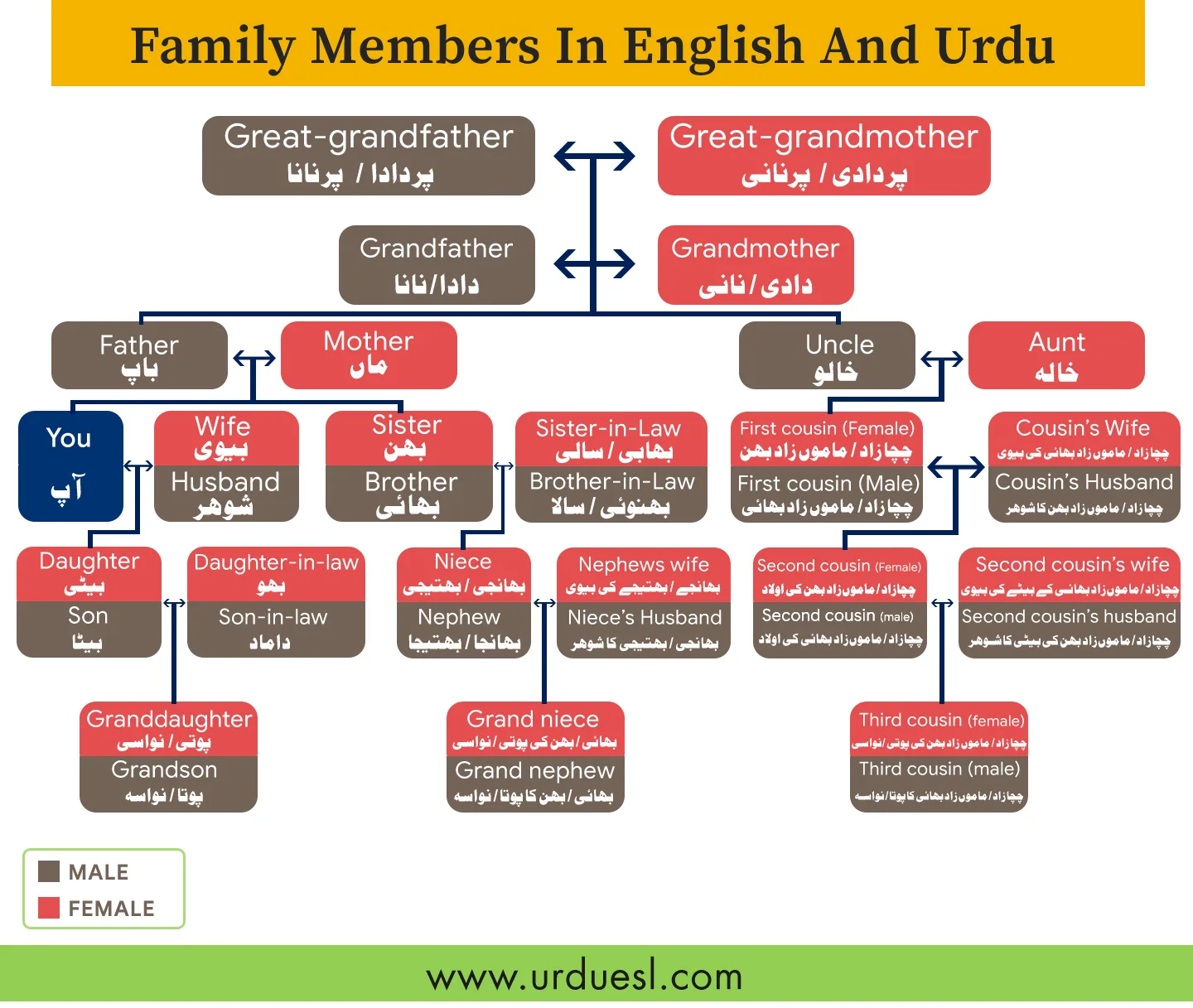
Complete Urdu kinship vocabulary covering paternal and maternal grandparents, cousins by uncle/aunt, in-laws, and Islamic family culture with cultural context.

Comprehensive Urdu food vocabulary covering Pakistani cuisine, Mughlai dishes, halal Islamic dietary terms, restaurant phrases, and cooking methods.
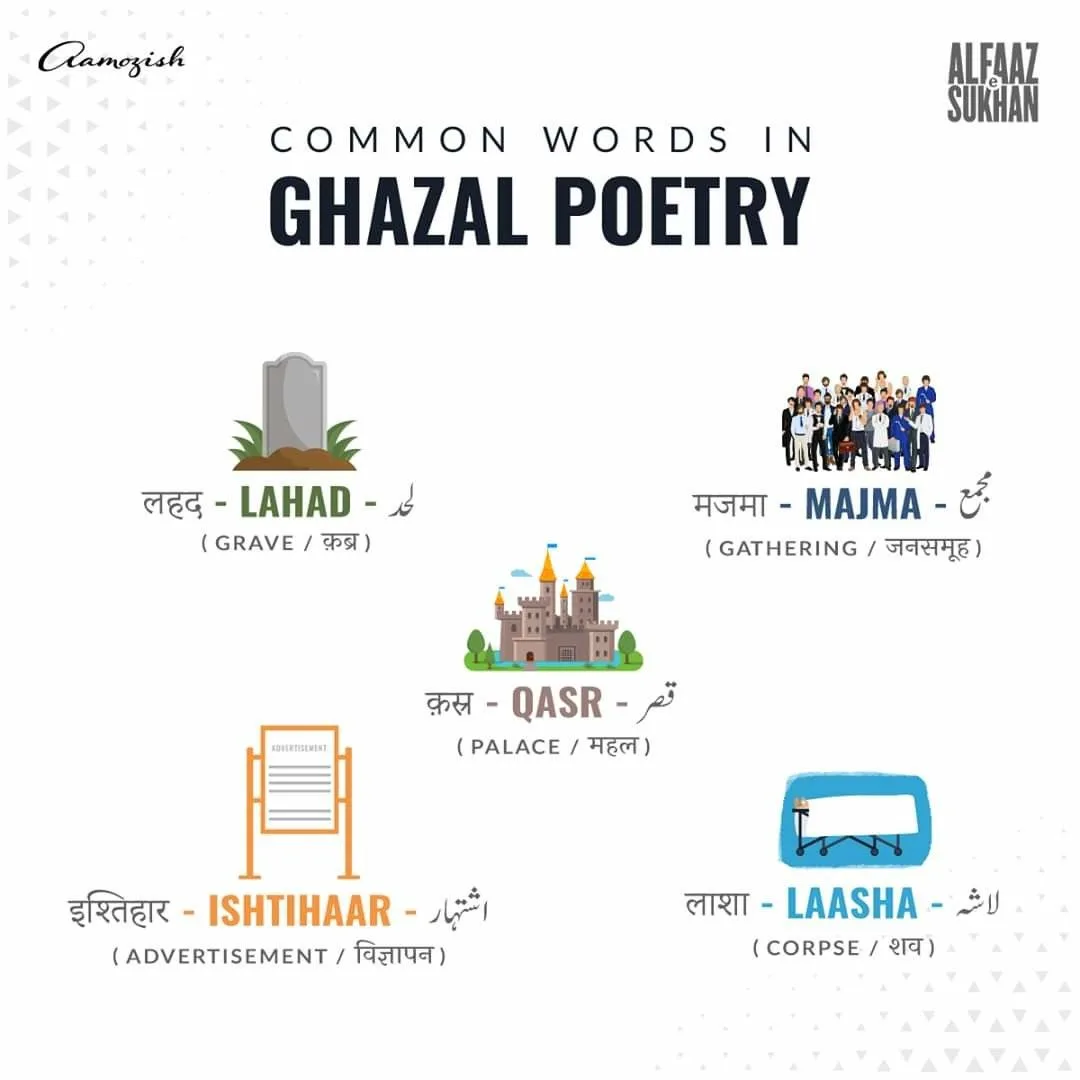
100+ essential Urdu poetry vocabulary words for ghazal readers, covering love, beloved, separation, sorrow, mystic imagery, and beauty across the ghazal tradition.
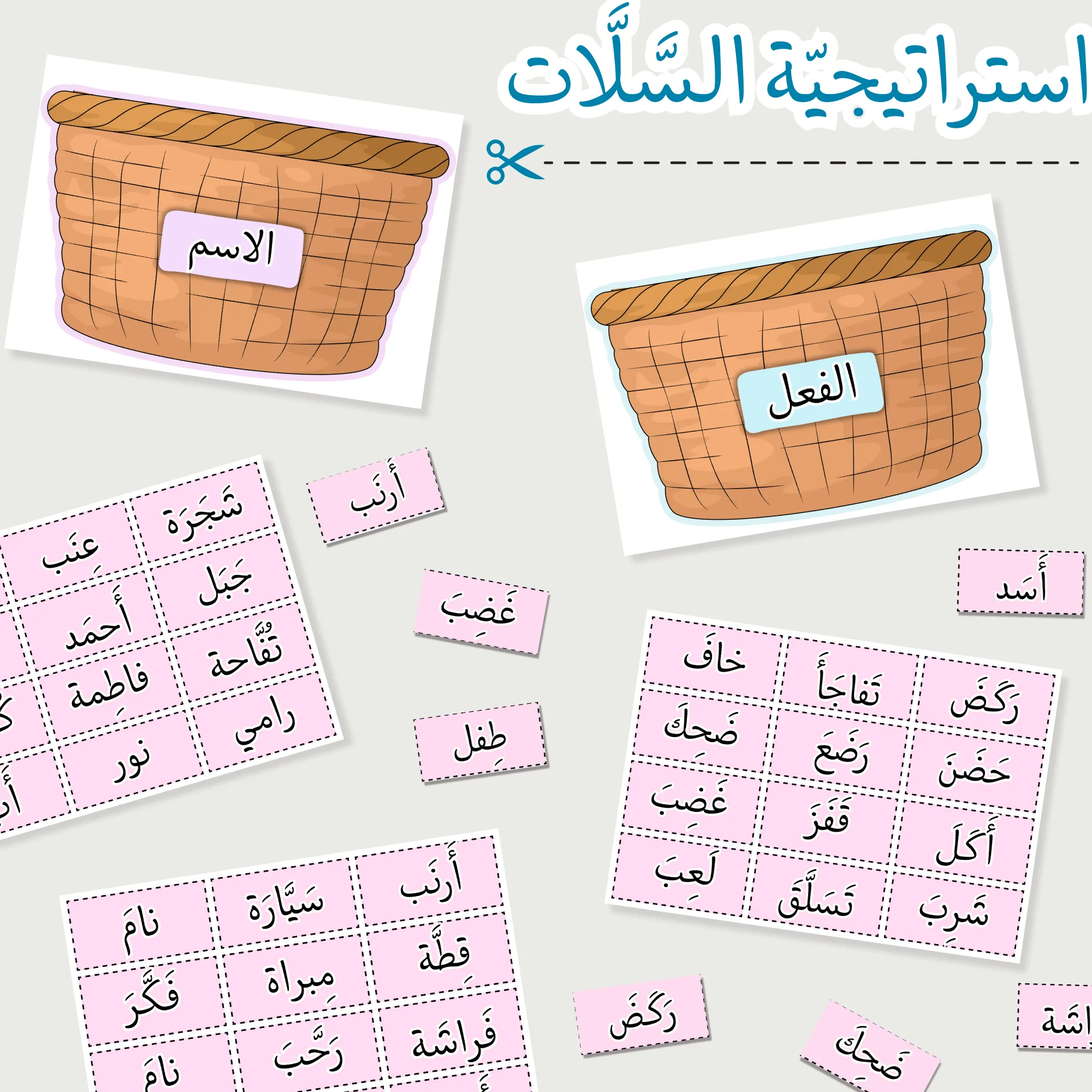
The 100 most common Urdu verbs with conjugations, aspect markers, compound verb patterns, and sample sentences across all major tenses.
Complete guide to the 39-letter Urdu alphabet: retroflex, aspirated and Persian letters, four positional forms, Nasta'liq vs Naskh, and diacritics.
Essential Urdu phrases for greetings, thanks, apologies, shopping, directions, and emergencies, with script, transliteration, and register guidance.
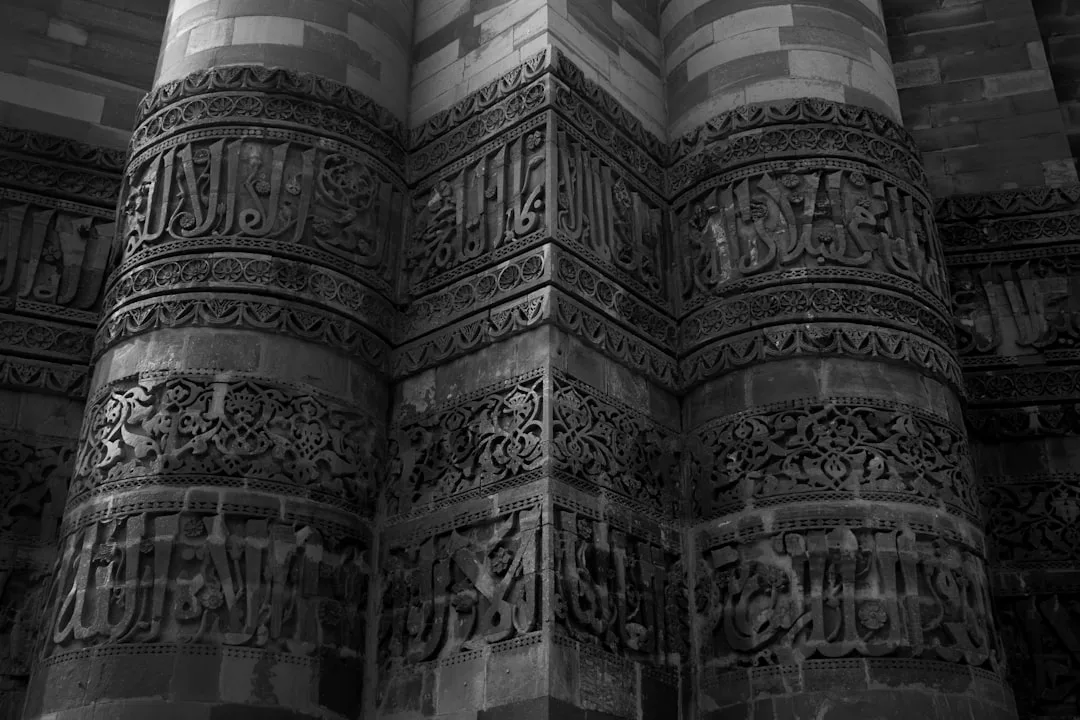
Essential Urdu travel phrases for Pakistan: airports, hotels, rickshaws, Lahore, Karachi, Islamabad, Hunza, Skardu, emergencies, with Pakistani vs Indian usage notes.
Complete reference to Urdu grammar: masculine and feminine gender, direct and oblique case, postpositions, genitive agreement, and the ne ergative construction.

Comprehensive Urdu weather and nature vocabulary covering seasons, monsoon, terrain, plants, animals, Pakistani regional climate, and weather in Urdu poetry.
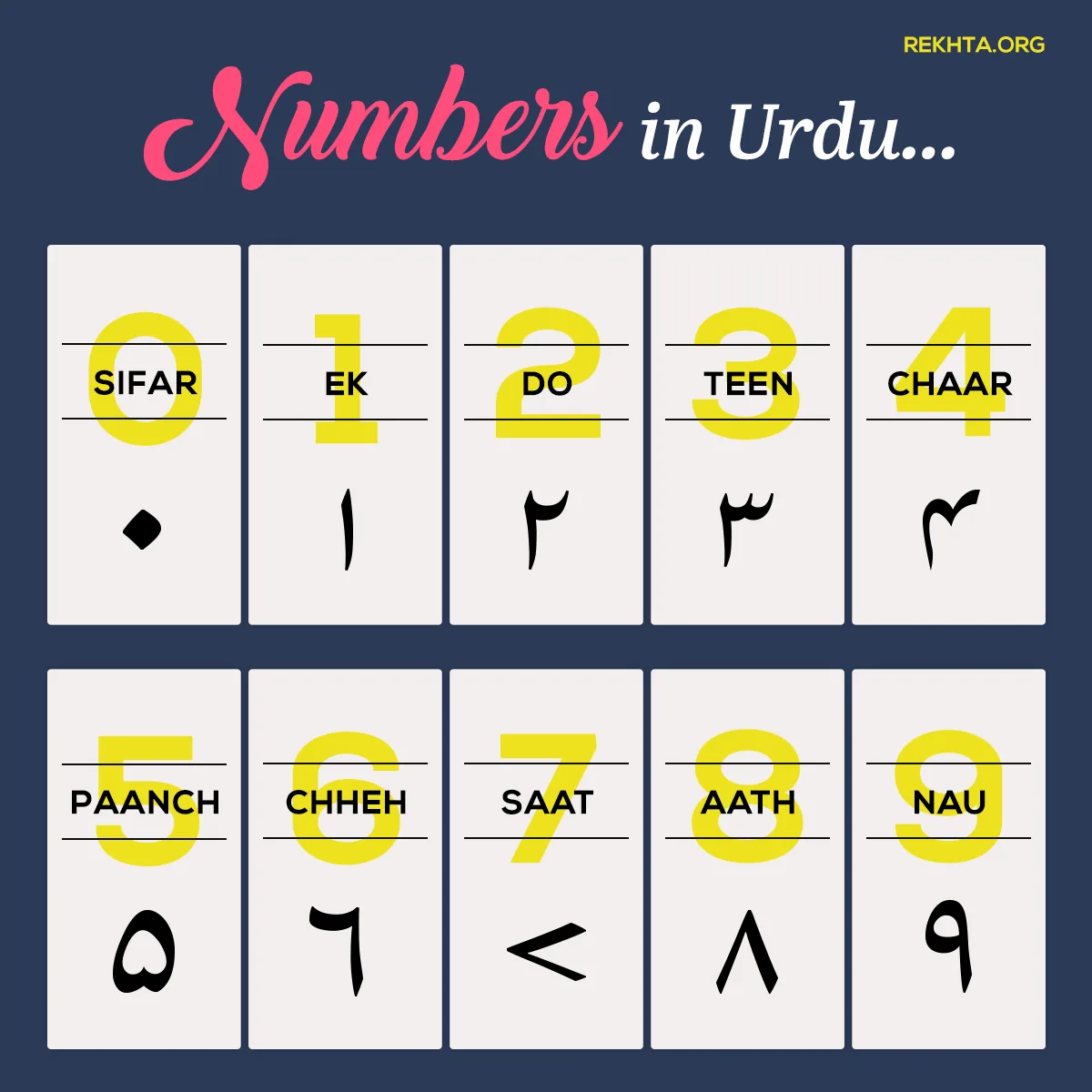
Complete Urdu number reference: digits, 1 to 100, hundreds, thousands, lakh crore system, fractions, ordinals, telling time and money, all with script and Roman.
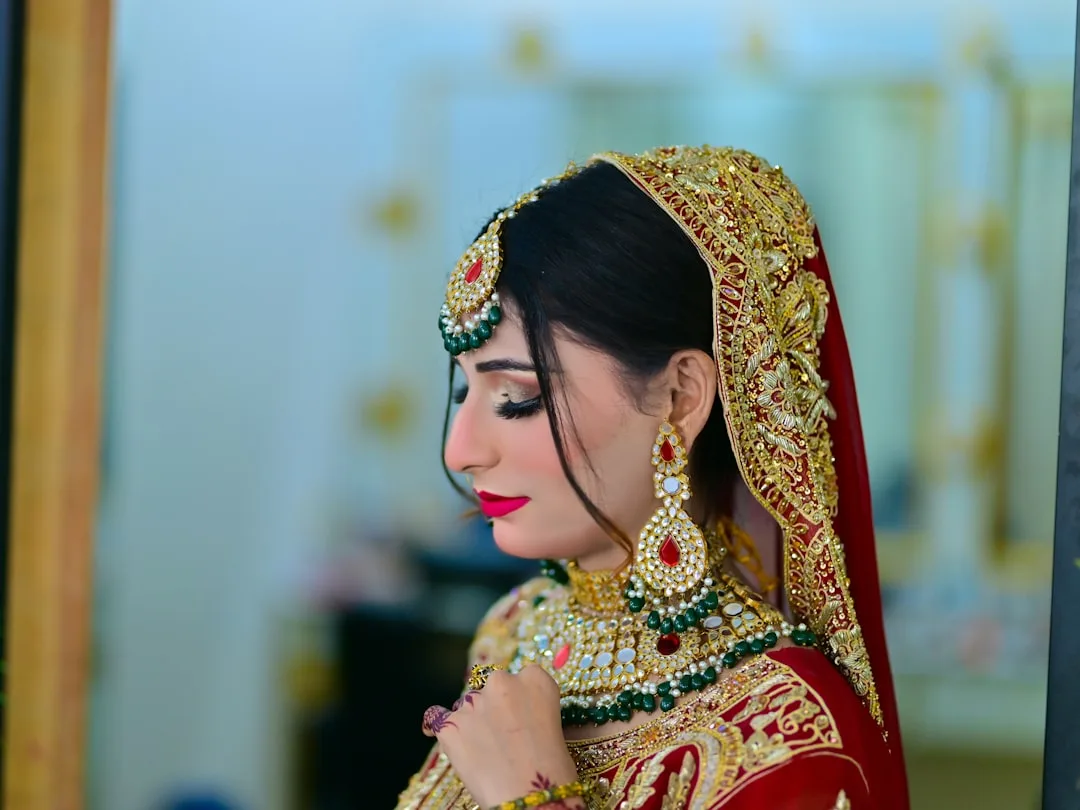
Urdu as Pakistan's national language, Indian minority language, UK Gulf and North American diaspora, Lucknawi and Deccani varieties, and Bollywood's role.
Layered Urdu vocabulary: Indic base, Persian prestige, Arabic religious, Turkish, and English layers. Prefixes, suffixes, broken plurals, and register choice.
Complete guide to Urdu poetry: ghazal structure, matla, maqta, radif, qafia, meters, stock images, and vocabulary of Ghalib, Iqbal, and Faiz.
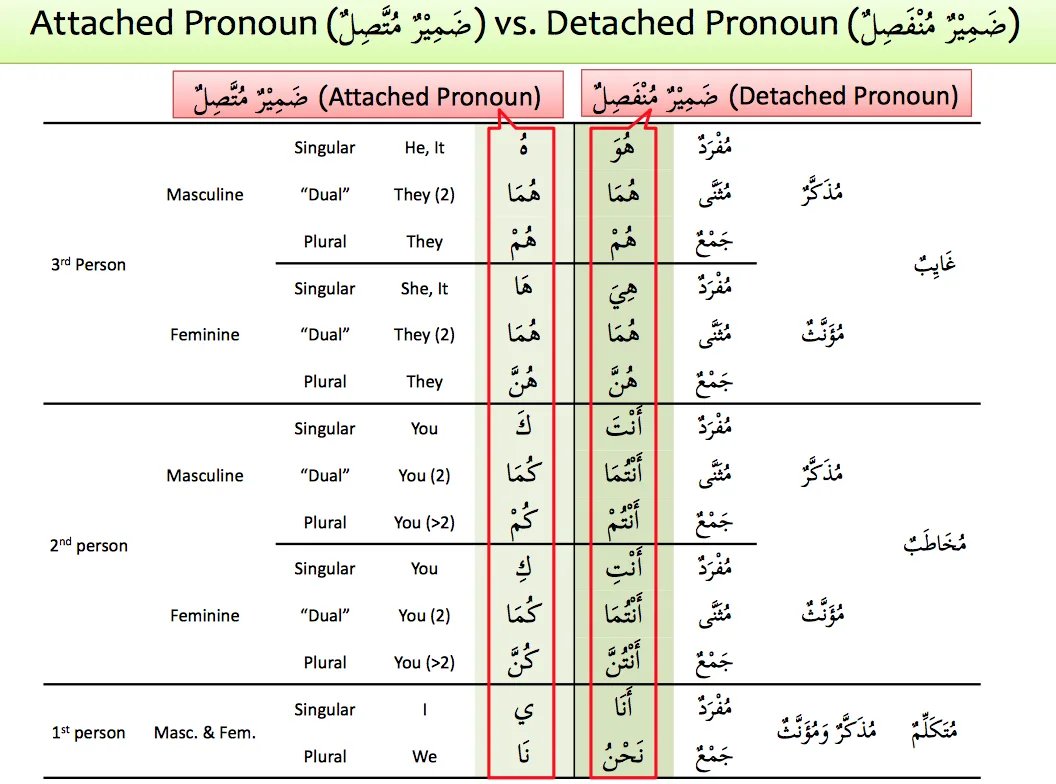
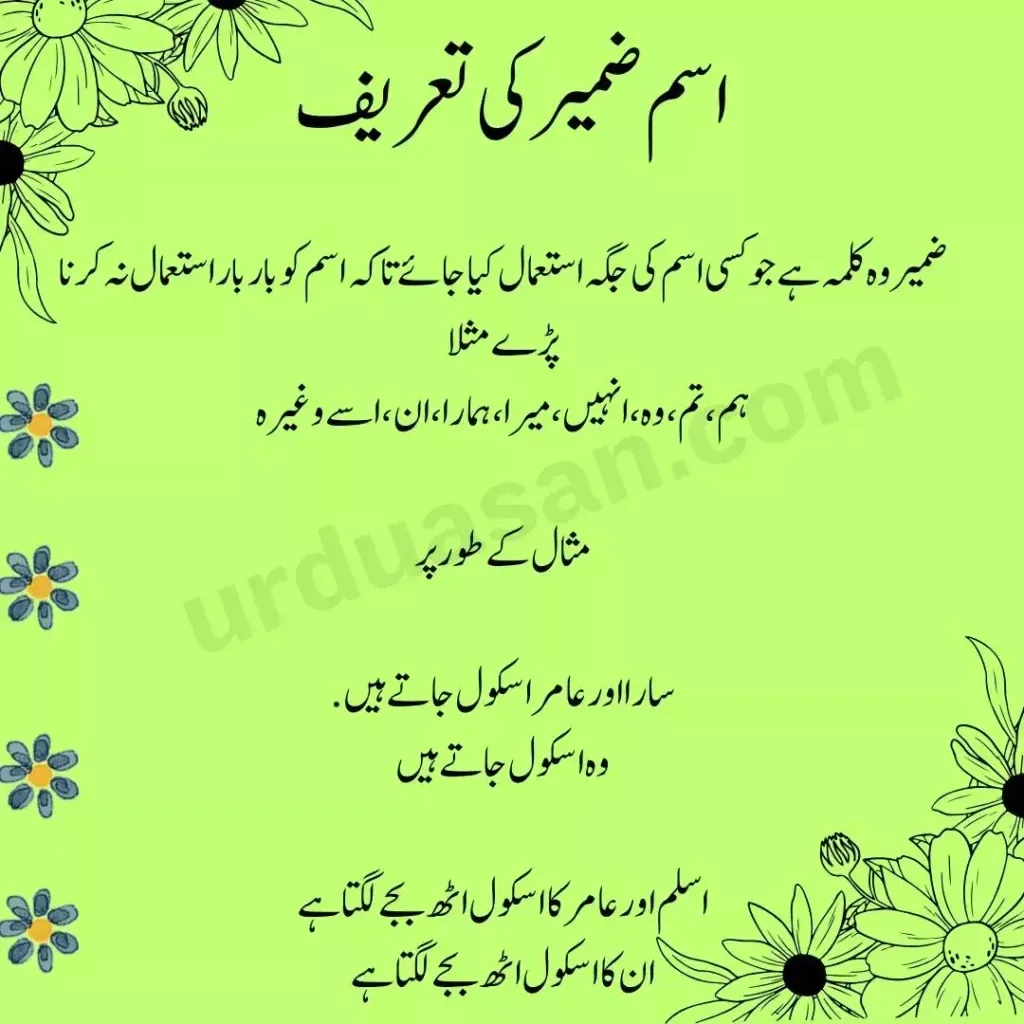
Urdu pronoun system with three levels of you: tu, tum, aap. Personal pronouns, possessives, oblique forms, reflexive apna, and social register guide.
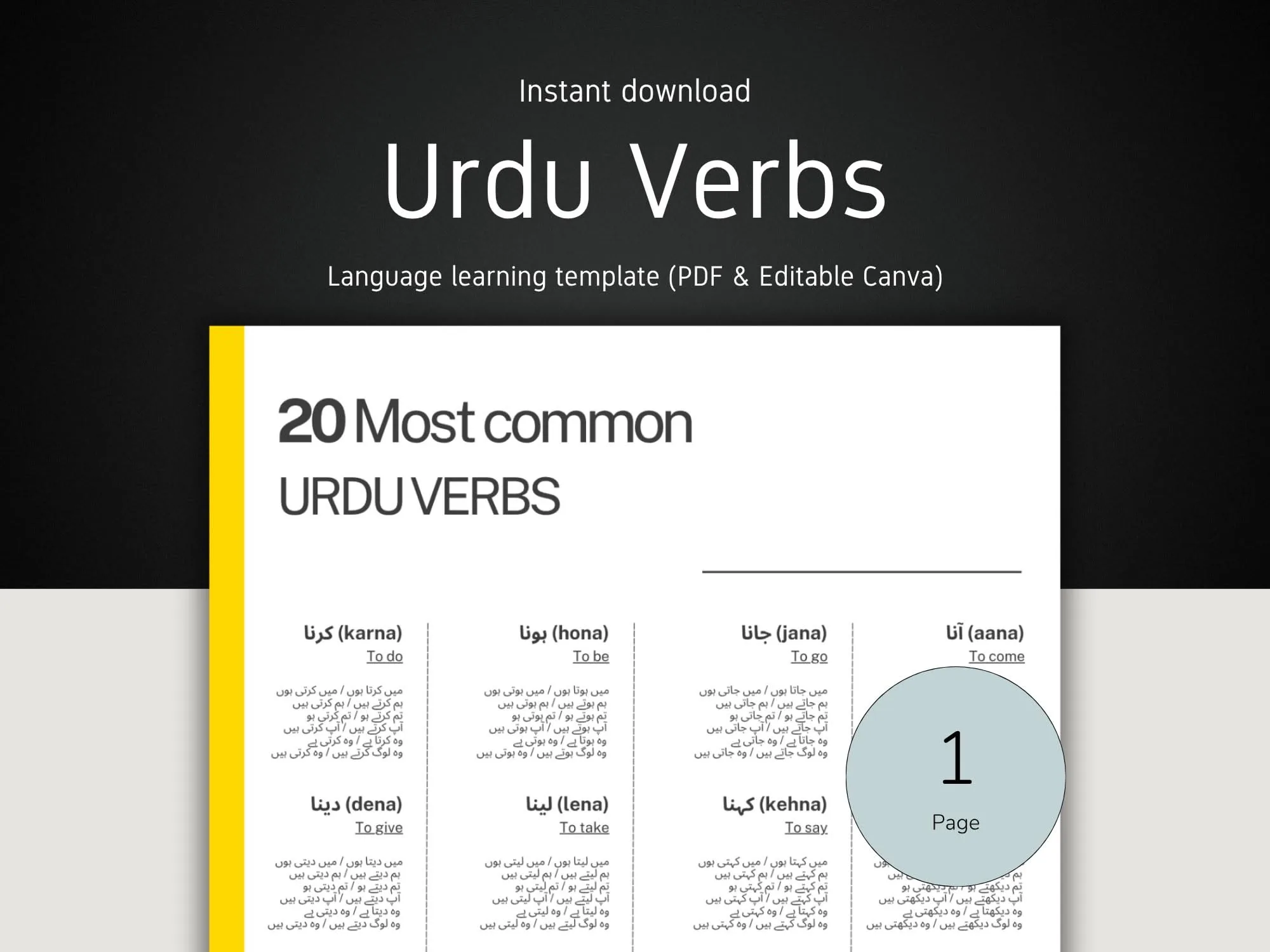
Complete Urdu verb system: habitual, progressive, perfective participles, present past future tenses, imperative, subjunctive, passive, and causatives.
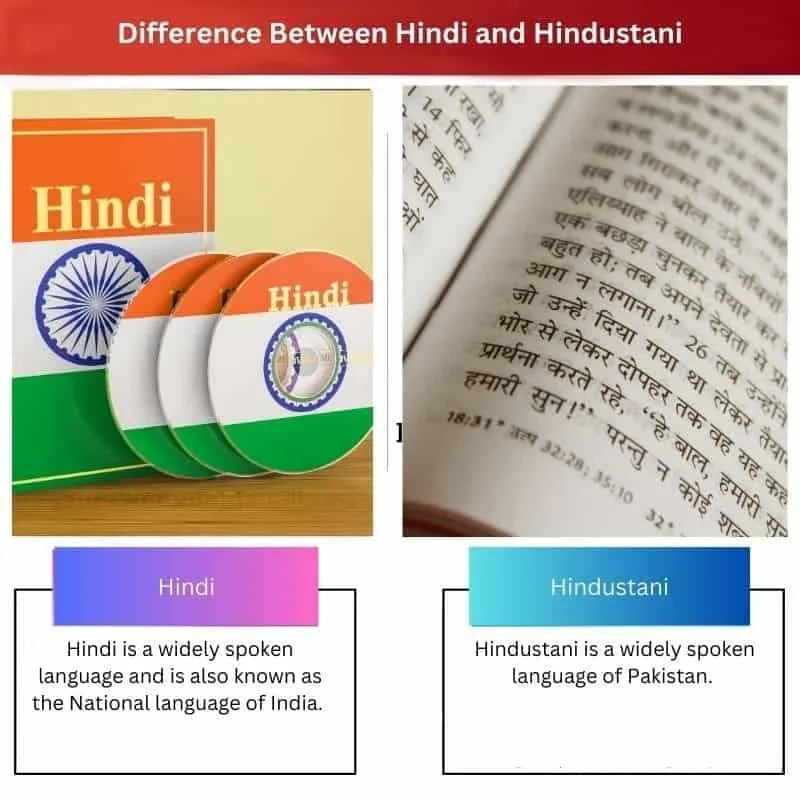
Urdu and Hindi share Hindustani grammar and vocabulary but use different scripts and registers. Explore where they converge, diverge, and the cultural context.
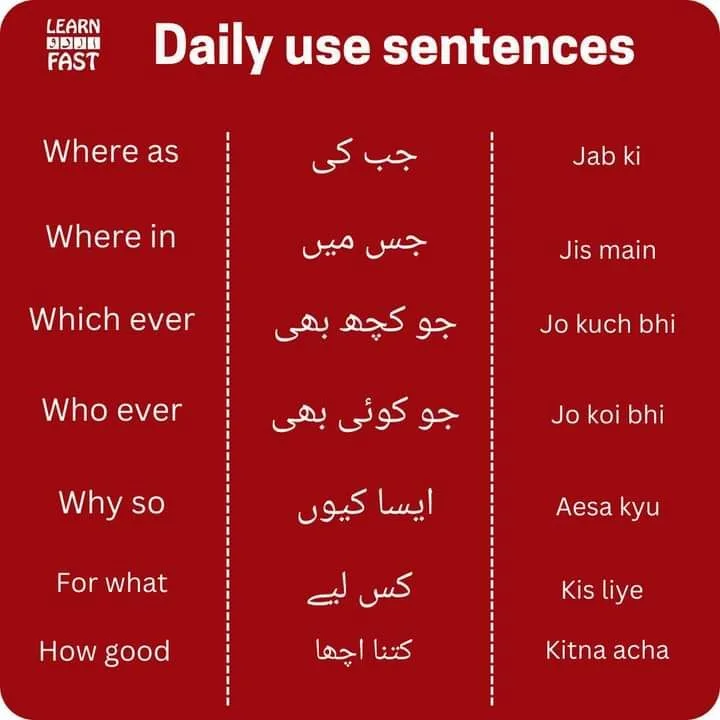
Over 100 essential Urdu phrases for greetings, shopping, transport, food, and emergencies with Pakistani vs Indian Urdu differences and register notes.
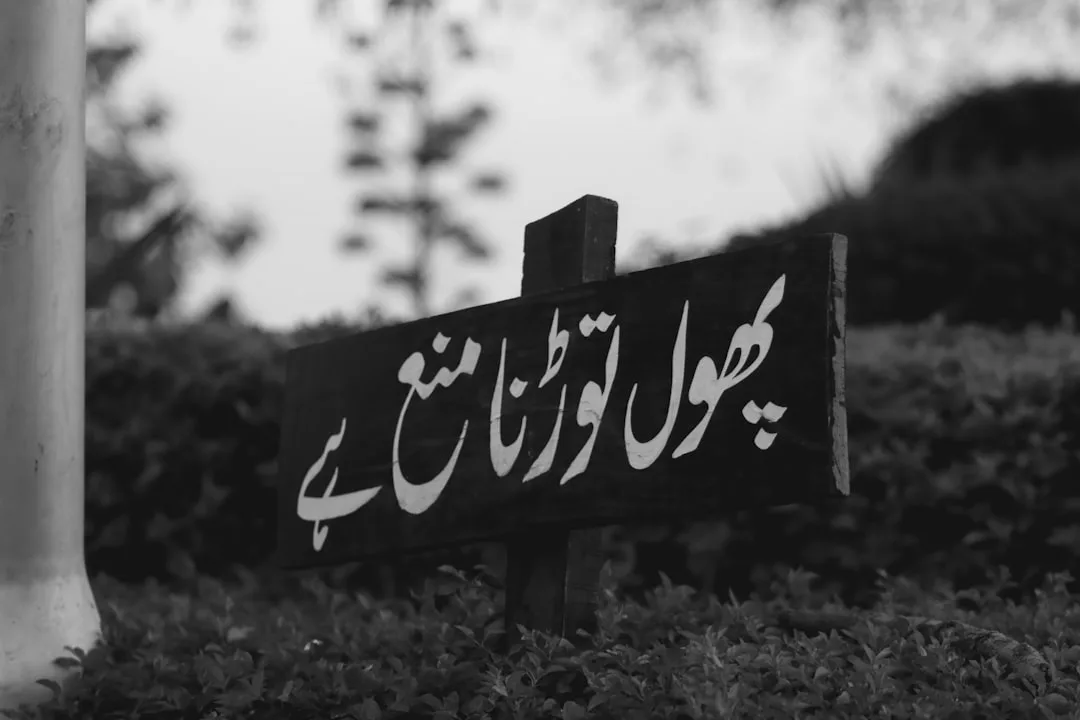
Urdu uses the Nastaliq style of the Perso-Arabic script, written right to left. Nastaliq slopes diagonally down the line, which distinguishes it from the Naskh style used for Arabic. The same letter changes shape depending on its position in a word.
In everyday speech they are largely mutually intelligible, sharing grammar and core vocabulary, which is why speakers of one usually follow the other without study. They diverge in script and in formal register: Urdu draws advanced vocabulary from Persian and Arabic while Hindi draws from Sanskrit. The written forms are entirely different and must be learned separately.
Yes. Every noun is masculine or feminine, and adjectives and verbs must agree with it, so the gender affects the whole sentence rather than just the noun. Gender is not always predictable from meaning or ending, which is why nouns are best learned together with their gender from the very start.