
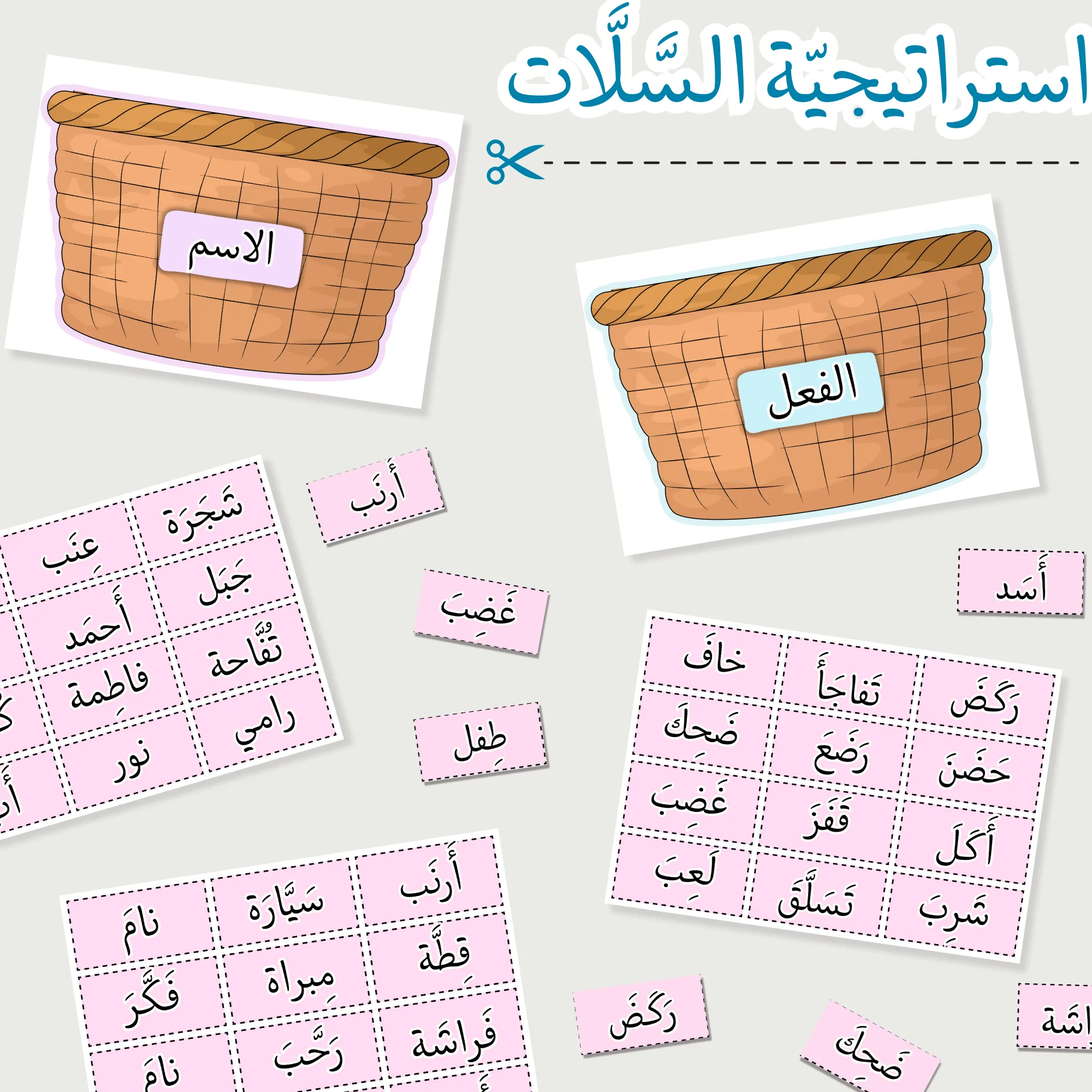
Urdu verbs are the engine of every sentence, and a solid grasp of the hundred most common verbs unlocks roughly 80 per cent of everyday Urdu communication. This is not an exaggeration: corpus studies of spoken Urdu and Hindi consistently show that the auxiliaries hona (to be), karna (to do), and a small set of motion and ingestion verbs (jana to go, ana to come, khana to eat, peena to drink) appear in nearly every utterance.
Master these, and you can construct meaningful sentences across most domains. Master another fifty (kehna to say, dekhna to see, sunna to hear, parhna to read, likhna to write, sona to sleep, uthna to rise, baithna to sit), and you have functional fluency. The remaining frequent verbs round out specialised but common situations.
This reference catalogues 100 of the most-used Urdu verbs with their root form, infinitive, sample conjugations across present, past, and future tenses, and notes on aspect markers (raha, raha tha, chukka, etc.). Each entry appears in Urdu script (Perso-Arabic, written right to left), Roman Urdu transliteration, and English explanation.
For the full grammatical treatment of tense and aspect, see Urdu Verb Conjugation: Tense and Aspect. For the case system that determines verb-subject agreement (especially the ergative -ne construction in past tenses), see Urdu Grammar: Cases, Gender and Ergative.
Urdu verbs are built from a root (the bare stem) plus tense-aspect-mood markers. The root karna ("to do") gives kar (root), karta (imperfective participle), kiya (perfective participle), karoon (subjunctive), karega (future). Each ending changes for gender and number agreement.
The pattern is regular for most verbs but contains a small but high-frequency set of irregular verbs (hona, jana, dena, lena) that learners must memorise. The list below organises the hundred verbs by frequency, gives their root and key forms, and provides sample sentences.
For pronouns and respect levels that affect verb forms, see Urdu Pronouns and Levels of Respect. For the script and pronunciation, see the Urdu Alphabet and Nasta'liq Script Complete Guide.
The Most Essential Verbs (Top 10)
These ten verbs power most Urdu speech. Memorise their conjugations cold.
| Urdu | Roman Urdu | English | Frequency |
|---|---|---|---|
| ہونا | Hona | To be / to become | Highest |
| کرنا | Karna | To do / to make | Highest |
| جانا | Jana | To go | Highest |
| آنا | Ana | To come | Very high |
| دینا | Dena | To give | Very high |
| لینا | Lena | To take | Very high |
| کہنا | Kehna | To say | Very high |
| دیکھنا | Dekhna | To see | Very high |
| سننا | Sunna | To hear / to listen | Very high |
| کھانا | Khana | To eat | Very high |
Hona (to be / to become): Sample Conjugation
Hona is irregular and serves as both copula (he is a doctor) and full verb (to become). Its forms are essential.
| Tense | First Singular | Second (tum) | Third Singular |
|---|---|---|---|
| Present | Main hoon (ہوں) | Tum ho (ہو) | Woh hai (ہے) |
| Past | Main tha/thi (تھا/تھی) | Tum the/thi | Woh tha/thi |
| Future | Main hoon ga/gi | Tum ho ge/gi | Woh ho ga/gi |
| Subjunctive | Main hoon | Tum ho | Woh ho |
Examples:
- Main doctor hoon (میں ڈاکٹر ہوں, I am a doctor)
- Woh khush tha (وہ خوش تھا, he was happy)
- Main jaldi ho jaaoonga (میں جلدی ہو جاؤں گا, I will become quick)
Karna (to do / to make): Sample Conjugation
| Tense | First Singular | Third Singular |
|---|---|---|
| Present habitual | Main karta hoon (m) / Karti hoon (f) | Woh karta hai (m) / Karti hai (f) |
| Present continuous | Main kar raha hoon | Woh kar raha hai |
| Past simple | Maine kiya | Usne kiya |
| Past continuous | Main kar raha tha | Woh kar raha tha |
| Future | Main karoonga (m) / Karoongi (f) | Woh karega (m) / Karegi (f) |
| Imperative (tum) | Karo | - |
| Imperative (aap) | Karein | - |
"Karna is the most productive verb in Urdu, combining with hundreds of nouns to form compound verbs: kaam karna (to work), pyaar karna (to love), shaadi karna (to marry), khatam karna (to finish). When you don't know the verb for an action, try noun + karna. It usually works."
Jana (to go): Irregular Past
Jana is irregular in the past tense (gaya, not the expected jaaya). It is the second most common motion verb after ana.
| Form | Roman | Example |
|---|---|---|
| Main jata hoon | Main jaata hoon | I go (m, habitual) |
| Main ja raha hoon | Main ja raha hoon | I am going (m) |
| Main gaya | Main gaya | I went (m) |
| Main gayi | Main gayi | I went (f) |
| Main jaaoonga | Main jaaoonga | I will go (m) |
Verbs of Motion and Position
| Urdu | Roman Urdu | English | Past Tense |
|---|---|---|---|
| جانا | Jana | To go | Gaya / Gayi |
| آنا | Ana | To come | Aaya / Aayi |
| چلنا | Chalna | To walk / to move | Chala / Chali |
| دوڑنا | Daudna | To run | Daudaa / Daudi |
| اٹھنا | Uthna | To rise / to get up | Uthaa / Uthi |
| بیٹھنا | Baithna | To sit | Baithaa / Baithi |
| لیٹنا | Letna | To lie down | Leta / Leti |
| سونا | Sona | To sleep | Soya / Soyi |
| کھڑا ہونا | Khada hona | To stand | Khada hua |
| رکنا | Rukna | To stop | Ruka / Ruki |
| پہنچنا | Pohanchna | To arrive | Pohanchaa / Pohanchi |
| نکلنا | Nikalna | To exit / to come out | Nikla / Nikli |
| لوٹنا | Lautna | To return | Lauta / Lauti |
| واپس آنا | Waapas ana | To come back | Waapas aaya |
Verbs of Speaking and Communication
| Urdu | Roman Urdu | English |
|---|---|---|
| کہنا | Kehna | To say |
| بولنا | Bolna | To speak |
| بات کرنا | Baat karna | To converse |
| پوچھنا | Poochhna | To ask |
| جواب دینا | Jawaab dena | To answer |
| بتانا | Batana | To tell / inform |
| سمجھنا | Samajhna | To understand |
| سمجھانا | Samjhana | To explain |
| فون کرنا | Phone karna | To call (phone) |
| میسج کرنا | Message karna | To text message |
| لکھنا | Likhna | To write |
| پڑھنا | Parhna | To read / to study |
| سکھانا | Sikhana | To teach |
| سیکھنا | Seekhna | To learn |
| ترجمہ کرنا | Tarjuma karna | To translate |
| یاد کرنا | Yaad karna | To remember / memorise |
| بھولنا | Bhoolna | To forget |
"The verb pair sikhana (to teach) and seekhna (to learn) shows Urdu's causative pattern. Many verbs have a causative pair: dekhna (to see) versus dikhana (to show); sunna (to hear) versus sunaana (to make hear, to recite); khana (to eat) versus khilana (to feed). Recognising the pattern lets a learner derive new verbs from familiar roots."
Verbs of Sensing and Cognition
| Urdu | Roman Urdu | English |
|---|---|---|
| دیکھنا | Dekhna | To see / to look |
| سننا | Sunna | To hear / to listen |
| سونگھنا | Soonghna | To smell |
| چکھنا | Chakhna | To taste |
| چھونا | Chhoona | To touch |
| محسوس کرنا | Mehsoos karna | To feel (sense) |
| سوچنا | Sochna | To think |
| سمجھنا | Samajhna | To understand |
| یاد رکھنا | Yaad rakhna | To keep in memory |
| یاد آنا | Yaad ana | To recall (something comes to mind) |
| پہچاننا | Pehchaanna | To recognise |
| ماننا | Maanna | To accept / to believe |
| یقین کرنا | Yaqeen karna | To believe / trust |
| شک کرنا | Shak karna | To doubt / suspect |
| توجہ دینا | Tawajjuh dena | To pay attention |
| غور کرنا | Ghaur karna | To consider |
| فیصلہ کرنا | Faisla karna | To decide |
Verbs of Eating, Drinking, and Daily Activity
| Urdu | Roman Urdu | English |
|---|---|---|
| کھانا | Khana | To eat |
| پینا | Peena | To drink |
| پکانا | Pakana | To cook |
| نہانا | Nahana | To bathe |
| دھونا | Dhona | To wash |
| پہننا | Pehnna | To wear |
| اتارنا | Utarna | To take off |
| سونا | Sona | To sleep |
| جاگنا | Jaagna | To wake / be awake |
| اٹھنا | Uthna | To rise / wake up |
| نماز پڑھنا | Namaz parhna | To pray (salat) |
| روزہ رکھنا | Roza rakhna | To fast |
| کام کرنا | Kaam karna | To work |
| آرام کرنا | Aaraam karna | To rest |
| کھیلنا | Khelna | To play |
| ہنسنا | Hansna | To laugh |
| رونا | Rona | To cry |
| مسکرانا | Muskurana | To smile |
Verbs of Giving, Taking, and Possessing
| Urdu | Roman Urdu | English |
|---|---|---|
| دینا | Dena | To give |
| لینا | Lena | To take |
| رکھنا | Rakhna | To keep / to place |
| چھوڑنا | Chhodna | To leave / to release |
| لگانا | Lagana | To apply / to attach |
| اٹھانا | Uthana | To pick up / lift |
| گرنا | Girna | To fall |
| توڑنا | Todna | To break |
| بنانا | Banana | To make |
| خریدنا | Khareedna | To buy |
| بیچنا | Bechna | To sell |
| دکھانا | Dikhana | To show |
| ملنا | Milna | To meet / to receive |
| ڈھونڈنا | Dhoondna | To search / to look for |
| پانا | Paana | To find / to obtain |
| کھونا | Khona | To lose |
| بدلنا | Badalna | To change |
| استعمال کرنا | Istemaal karna | To use |
The verb dena and lena form many of Urdu's compound verbs that nuance an action's direction or completion. Kar dena (to do for someone, completed action), kar lena (to do for oneself, completed). The pattern V + dena/lena is essential intermediate Urdu and adds aspect/direction to bare verbs.
Verbs of Emotion and State
| Urdu | Roman Urdu | English |
|---|---|---|
| پسند کرنا | Pasand karna | To like |
| پیار کرنا | Pyaar karna | To love |
| نفرت کرنا | Nafrat karna | To hate |
| ڈرنا | Darna | To fear |
| غصہ آنا | Gussa ana | To get angry |
| خوش ہونا | Khush hona | To be happy |
| اداس ہونا | Udaas hona | To be sad |
| پریشان ہونا | Pareshaan hona | To be worried |
| محسوس کرنا | Mehsoos karna | To feel |
| امید کرنا | Umeed karna | To hope |
| یقین کرنا | Yaqeen karna | To believe |
| شکر کرنا | Shukr karna | To thank, be grateful |
| معاف کرنا | Maaf karna | To forgive |
| انتظار کرنا | Intezaar karna | To wait |
| چاہنا | Chahna | To want / to wish |
| ضرورت ہونا | Zaroorat hona | To need |
| پسند آنا | Pasand ana | To be liked (passive sense) |
The Urdu construction pasand ana (literally "to come as liked") differs grammatically from pasand karna (to like). Mujhe yeh kitaab pasand aayi (this book came liked to me, that is, I liked this book) makes the experiencer dative and is the more idiomatic way to express liking. Native speakers prefer pasand ana for genuine preference; pasand karna for active selection.
Verbs of Existence and Change
| Urdu | Roman Urdu | English |
|---|---|---|
| ہونا | Hona | To be |
| بننا | Banna | To become |
| ہو جانا | Ho jana | To become (intensive) |
| بدلنا | Badalna | To change |
| بڑھنا | Barhna | To grow / to increase |
| گھٹنا | Ghatna | To decrease |
| شروع کرنا | Shuru karna | To start |
| ختم کرنا | Khatam karna | To finish |
| ٹوٹنا | Tootna | To break (intransitive) |
| توڑنا | Todna | To break (transitive) |
| کھلنا | Khulna | To open (intrans) |
| کھولنا | Kholna | To open (trans) |
| بند ہونا | Band hona | To be closed |
| بند کرنا | Band karna | To close |
| ملنا | Milna | To meet / be found |
| ملانا | Milana | To mix / introduce |
| رکنا | Rukna | To stop (intrans) |
| روکنا | Rokna | To stop (trans) |
"Notice the systematic intransitive-transitive pairs: tootna (to break, intrans) versus todna (to break, trans), khulna (to open, intrans) versus kholna (to open, trans), milna (to be found, intrans) versus milana (to introduce, trans). This pattern is regular and productive. Learning a verb often means learning its pair."
Sample Conjugations: Top 5 Verbs
The conjugation of these top verbs covers most of what learners need.
Khana (to eat)
| Tense | Main (m) | Tum | Woh (m sg) |
|---|---|---|---|
| Present habitual | Main khaata hoon | Tum khaate ho | Woh khaata hai |
| Present continuous | Main kha raha hoon | Tum kha rahe ho | Woh kha raha hai |
| Past simple | Maine khaaya | Tumne khaaya | Usne khaaya |
| Past continuous | Main kha raha tha | Tum kha rahe the | Woh kha raha tha |
| Future | Main khaaoonga | Tum khaao ge | Woh khaayega |
| Imperative | - | Khaao | - |
Peena (to drink)
| Tense | Main (m) | Tum | Woh (m sg) |
|---|---|---|---|
| Present habitual | Main peeta hoon | Tum peete ho | Woh peeta hai |
| Present continuous | Main pee raha hoon | Tum pee rahe ho | Woh pee raha hai |
| Past simple | Maine piya | Tumne piya | Usne piya |
| Future | Main piyoonga | Tum pio ge | Woh piyega |
Likhna (to write)
| Tense | Main (m) | Past | Future |
|---|---|---|---|
| Habitual | Main likhta hoon | Maine likha | Main likhoonga |
| Continuous | Main likh raha hoon | Main likh raha tha | Main likh raha hoonga |
Aspect Markers: A Quick Note
Urdu verbs combine root with aspect markers to specify whether an action is ongoing, habitual, perfective, or in stages of completion.
| Marker | Function | Example |
|---|---|---|
| -ta hoon | Habitual present | Main karta hoon (I do regularly) |
| -ta tha | Habitual past | Main karta tha (I used to do) |
| raha hoon | Continuous present | Main kar raha hoon (I am doing) |
| raha tha | Continuous past | Main kar raha tha (I was doing) |
| chukka hoon | Perfective present (already done) | Main kar chukka hoon (I have already done) |
| -unga | Future | Main karoonga (I will do) |
| -un | Subjunctive | Main karoon (let me do) |
This is a simplification of the full system. For detailed treatment see Urdu Verb Conjugation: Tense and Aspect.
Compound Verbs: A Critical Pattern
Many of the most common Urdu verbs in this list are actually noun + karna or noun + hona compounds. The pattern is so productive that you can construct dozens of verbs by combining a noun with karna.
| Noun | + karna | Resulting verb |
|---|---|---|
| کام (kaam, work) | Kaam karna | To work |
| پیار (pyaar, love) | Pyaar karna | To love |
| فون (phone) | Phone karna | To call |
| یاد (yaad, memory) | Yaad karna | To remember |
| شکر (shukr, thanks) | Shukr karna | To be grateful |
| ضرورت (zaroorat, need) | Zaroorat hona | To need |
| غصہ (gussa, anger) | Gussa ana | To get angry |
| نیند (neend, sleep) | Neend ana | To feel sleepy |
Nearly any English verb can be Urdu-ised by finding the equivalent noun and adding karna or hona. Internet karna is "to use the internet"; Whatsapp karna is "to message on WhatsApp". The pattern accommodates new technology smoothly.
Common Mistakes
Forgetting ergative -ne in past tense: Transitive verbs in past tense take subject -ne: Maine kaam kiya (I did work) versus Main soya (I slept, intransitive, no -ne). This is one of Urdu's harder rules. See Urdu Grammar: Cases, Gender and Ergative.
Dropping gender agreement on verb participles: Maine kha liya works for masculine speaker but female speaker says Maine kha liya. Wait, the past participle khaaya/khaayi changes for object gender, not subject. Kitaab parhi (book read, feminine object), khaana khaaya (food eaten, masculine object). Object gender governs.
Using karna where dena would be idiomatic: Maine kaha (I said) is correct; Maine batana (I told) follows a different pattern with dena: Maine bata diya (I have told). The aspectual nuance matters.
Confusing intransitive-transitive pairs: Darwaza khula (the door opened, intransitive) versus Maine darwaza khola (I opened the door, transitive). Using the wrong pair changes the sentence's meaning.
Mis-applying causative: Bachche ko khilao (feed the child, causative of khana) versus Bachche ko khila do (cause to eat, give him to eat). Pakistani parents distinguish carefully.
Forgetting jana's irregular past gaya: Jana past should be jaaya by regular rule, but the actual form is gaya (or gayi for feminine). This is a memorisation point; native speakers accept no other form.
Quick Reference Card
| English | Urdu Infinitive |
|---|---|
| To be | Hona |
| To do | Karna |
| To go | Jana |
| To come | Ana |
| To give | Dena |
| To take | Lena |
| To say | Kehna |
| To see | Dekhna |
| To hear | Sunna |
| To eat | Khana |
| To drink | Peena |
| To read | Parhna |
| To write | Likhna |
| To speak | Bolna |
| To sit | Baithna |
| To get up | Uthna |
| To sleep | Sona |
| To wake | Jaagna |
| To work | Kaam karna |
| To love | Pyaar karna |
| To remember | Yaad karna |
| To forget | Bhoolna |
| To want | Chahna |
| To buy | Khareedna |
| To make | Banana |
Frequently Asked Questions
How many Urdu verbs do I really need to know? About 100 cover 80 to 90 per cent of everyday speech. The top 30 cover roughly 60 per cent. Master hona, karna, jana, ana, dena, lena, kehna, dekhna, sunna, and khana first; everything else is less critical.
Why are some Urdu verbs irregular? Mostly the highest-frequency verbs (hona, jana, dena, lena) preserve archaic forms because they are spoken too often to be standardised away by language change. This pattern is universal: English's most irregular verbs (be, go, do, have) are also among its most common.
What is a compound verb in Urdu? A construction where a noun (or adjective) combines with a light verb (karna, hona, dena, lena) to form a verbal expression. Pyaar karna (love + do, to love) is structurally a compound verb. Most modern English imports come into Urdu this way: download karna, message karna, click karna.
How does ergative -ne work? In past tense with transitive verbs, the subject takes -ne and the verb agrees with the object's gender and number rather than the subject. Maine kitaab parhi (I read a book, kitaab feminine, so parhi). With intransitive past verbs (sona, jana), no -ne and verb agrees with subject. This is one of the harder rules of Urdu grammar.
Are Hindi verbs the same as Urdu verbs? At the colloquial level, almost identical. The word karna means "to do" in both Urdu and Hindi with the same conjugation. High-register Hindi may prefer Sanskrit verbs (karyaachit karna instead of karna in formal speech), and high-register Urdu uses Persian verbs (mulaqaat karna for "to meet"), but the core verb system is shared.
What is the difference between karna and karwana? Karna is to do something oneself; karwana is to have someone else do it (causative-causative). Maine kaam kiya (I did the work) versus Maine kaam karwaya (I had the work done by someone). This is a productive pattern.
Why does the verb agree with the object in past tense? Because Urdu (like Hindi, Punjabi, Sindhi) preserves the ergative-absolutive pattern in past tenses. The transitive subject is marked oblique with -ne, and the verb syntactically agrees with the absolutive (object). This is a feature inherited from Old Indo-Aryan and is one of the language's distinctive grammatical signatures.
See Also
- Urdu Verb Conjugation: Tense and Aspect
- Urdu Grammar: Cases, Gender and Ergative
- Urdu Pronouns and Levels of Respect
- Urdu Common Phrases and Daily Conversation Reference
- Urdu Alphabet and Nasta'liq Script Complete Guide
- Urdu vs Hindi: Same Language, Different Scripts
- Urdu Conversations and Daily Phrases by Register
Author: Kalenux Team
Frequently Asked Questions
How many Urdu verbs do I really need to know?
About 100 cover 80 to 90 per cent of everyday speech. The top 30 cover roughly 60 per cent. Master hona, karna, jana, ana, dena, lena, kehna, dekhna, sunna, and khana first.
Why are some Urdu verbs irregular?
The highest-frequency verbs (hona, jana, dena, lena) preserve archaic forms because they are spoken too often to be standardised. This pattern is universal across languages.
What is a compound verb in Urdu?
A construction where a noun combines with a light verb like karna or hona to form a verbal expression. Pyaar karna (love + do) is a compound verb. Most modern imports use this: download karna, message karna.
How does ergative -ne work?
In past tense with transitive verbs, subject takes -ne and the verb agrees with the object’s gender and number. Maine kitaab parhi (kitaab feminine, so parhi). Intransitive past verbs do not take -ne.
Are Hindi verbs the same as Urdu verbs?
At colloquial level, almost identical. Karna means to do in both with the same conjugation. High-register Hindi prefers Sanskrit verbs; high-register Urdu uses Persian verbs.
What is the difference between karna and karwana?
Karna is to do something oneself; karwana is causative, to have someone else do it. Maine kaam kiya versus maine kaam karwaya. This is a productive pattern.
Why does the verb agree with the object in past tense?
Urdu preserves the ergative-absolutive pattern in past tenses. The transitive subject is marked oblique with -ne and the verb agrees with the absolutive (object). Inherited from Old Indo-Aryan.