
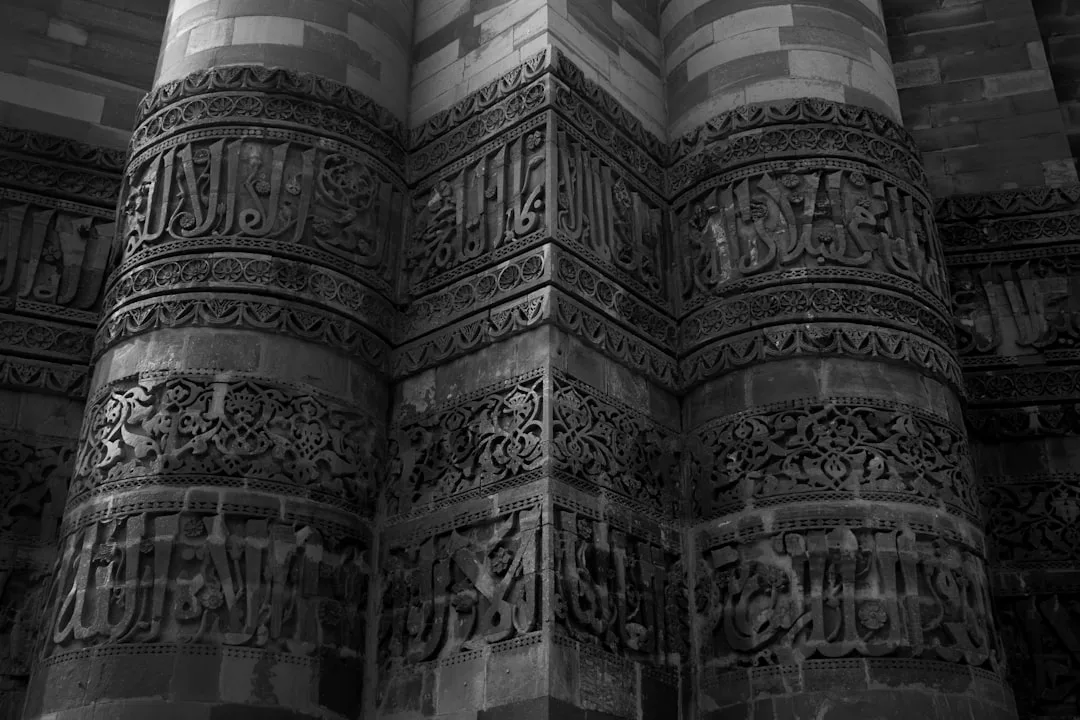
Travelling in Pakistan rewards Urdu fluency at every step. From the moment you clear immigration at Allama Iqbal International Airport in Lahore or Jinnah International in Karachi, Urdu becomes the lingua franca that connects you to taxi drivers, hotel staff, market vendors, train conductors, and the Hunza shepherd who points the way to a better viewpoint.
While English is widely understood in elite urban settings, anything off the four-star track demands working Urdu, and even when locals speak English they appreciate the gesture of a few correctly-pronounced phrases.
This reference assembles more than two hundred Urdu travel phrases organised by situation: airports, hotels, ground transport, navigation, sightseeing, emergencies, and the specific vocabularies of Pakistan's three megacities (Lahore, Karachi, Islamabad) and its tourist Northern Areas (Hunza, Skardu, Gilgit, Murree).
Each phrase appears in Urdu script (Perso-Arabic, written right to left), Roman Urdu transliteration as widely used in Pakistani text messaging, and English gloss. Where regional vocabulary diverges (Sindhi-influenced Karachi, Punjabi-influenced Lahore, Pashto-influenced Peshawar), brief notes flag the alternatives. Pakistani Urdu is the default; Indian Urdu speakers will recognise nearly every phrase but should expect occasional lexical surprises in Northern Indian usage.
Pakistan's tourism scene has expanded rapidly in the past decade, with the Karakoram Highway, Hunza Valley, Skardu, Naran-Kaghan, and the Swat Valley drawing both domestic and international visitors. Rural areas in Gilgit-Baltistan often speak local languages (Burushaski, Shina, Balti, Wakhi) at home but use Urdu as the lingua franca with outsiders. A working Urdu vocabulary opens these regions in ways that English alone cannot.
For background on the script, see the Urdu Alphabet and Nasta'liq Script Complete Guide. For the broader phrasebook, see Urdu Common Phrases and Daily Conversation Reference. For the registers of formality, see Urdu Pronouns and Levels of Respect.
At the Airport
Pakistani airports run primarily in English and Urdu, with signage in both. Customs and immigration officers speak English well, but ground staff, porters, and taxi touts default to Urdu. A foreigner who initiates contact in Urdu often gets a warmer reception and fairer pricing.
| Urdu | Roman Urdu | English |
|---|---|---|
| ہوائی اڈا | Hawai adda | Airport |
| پرواز | Parwaaz | Flight |
| ٹکٹ | Ticket | Ticket |
| پاسپورٹ | Passport | Passport |
| ویزا | Visa | Visa |
| امیگریشن | Immigration | Immigration |
| کسٹمز | Customs | Customs |
| سامان | Saamaan | Luggage, baggage |
| میرا سامان کہاں ہے؟ | Mera saamaan kahan hai? | Where is my luggage? |
| میرا سامان گم ہو گیا | Mera saamaan gum ho gaya | My luggage is lost |
| پروازوں کا گیٹ نمبر | Parwaazon ka gate number | Flight gate number |
| تاخیر ہے | Taakhir hai | There is a delay |
| منسوخ | Mansookh | Cancelled |
| بورڈنگ پاس | Boarding pass | Boarding pass |
| بین الاقوامی | Bain-ul-Aqwami | International |
| اندرون ملک | Andaroon-e-mulk | Domestic |
| ٹیکسی کہاں ہے؟ | Taxi kahan hai? | Where is the taxi? |
"Lahore's Allama Iqbal International, Karachi's Jinnah International, and Islamabad International are Pakistan's three primary entry points. Each has a distinct character: Lahore tilts cultural-Punjabi, Karachi commercial-Sindhi, and Islamabad bureaucratic-northern. Urdu functions identically across all three but you may notice regional accents in ground staff."
Hotel and Accommodation
| Urdu | Roman Urdu | English |
|---|---|---|
| ہوٹل | Hotel | Hotel |
| کمرہ | Kamra | Room |
| سنگل کمرہ | Single kamra | Single room |
| ڈبل کمرہ | Double kamra | Double room |
| میں نے بکنگ کرائی ہے | Maine booking karaayi hai | I have a reservation |
| کمرہ خالی ہے؟ | Kamra khaali hai? | Is a room available? |
| ایک رات کا کرایہ کیا ہے؟ | Ek raat ka kiraaya kya hai? | What is the rate per night? |
| ناشتہ شامل ہے؟ | Nashta shaamil hai? | Is breakfast included? |
| وائی فائی | Wi-Fi | Wi-Fi |
| پاسورڈ کیا ہے؟ | Password kya hai? | What is the password? |
| اے سی | A.C. | Air conditioning |
| گرم پانی | Garm paani | Hot water |
| تولیہ | Tauliya | Towel |
| صابن | Saaboon | Soap |
| چابی | Chaabi | Key |
| میری چابی گم ہو گئی | Meri chaabi gum ho gayi | I lost my key |
| لفٹ | Lift | Elevator |
| ریسپشن | Reception | Reception |
| روم سروس | Room service | Room service |
| چیک آؤٹ | Check out | Check out |
Rickshaws, Taxis, and Ride-Hailing
Auto-rickshaws (آٹو رکشا) dominate Pakistani urban transport for short distances. Negotiating fare before boarding is standard at non-metered rickshaws; demand the meter (میٹر چلاؤ, meter chalao) where one is fitted. Careem (Pakistani-founded ride-hailing) and Uber operate in Karachi, Lahore, and Islamabad with app-based pricing that removes negotiation entirely.
| Urdu | Roman Urdu | English |
|---|---|---|
| رکشا | Rickshaw | Auto-rickshaw |
| ٹیکسی | Taxi | Taxi |
| اوبر / کریم | Uber / Careem | Ride-hailing apps |
| رکشا والے بھائی | Rickshaw wale bhai | Brother rickshaw driver |
| کہاں جاؤ گے؟ | Kahan jao ge? | Where will you take me? |
| کتنے پیسے لو گے؟ | Kitne paise lo ge? | How much will you charge? |
| میٹر چلاؤ | Meter chalao | Turn on the meter |
| یہ بہت زیادہ ہے | Yeh bahut zyada hai | That is too much |
| تھوڑا کم کرو | Thoda kam karo | Make it less |
| ٹھیک ہے، چلو | Theek hai, chalo | Okay, let's go |
| یہاں رک جاؤ | Yahan ruk jao | Stop here |
| تھوڑا آگے | Thoda aage | A bit forward |
| پیچھے کرو | Peechhe karo | Reverse, go back |
| بائیں طرف | Baayen taraf | To the left |
| دائیں طرف | Daayen taraf | To the right |
| سیدھا جاؤ | Seedha jao | Go straight |
| یوٹرن لو | U-turn lo | Take a U-turn |
| ٹریفک سگنل | Traffic signal | Traffic signal |
| ٹریفک جام | Traffic jam | Traffic jam |
"Rickshaw bargaining etiquette: a starting offer of half the asking fare is standard, with a settling at 60 to 70 per cent. Drivers know which fares are tourist-inflated and respect a customer who pushes back. Walking away is the sharpest negotiation tool; the driver will usually call you back at your price."
Buses and Trains
| Urdu | Roman Urdu | English |
|---|---|---|
| بس | Bus | Bus |
| بس اڈا | Bus adda | Bus stand |
| ٹرین | Train | Train |
| ریل | Rail | Train (alternative) |
| ریلوے سٹیشن | Railway station | Railway station |
| ٹکٹ کہاں سے ملے گا؟ | Ticket kahan se milega? | Where do I buy a ticket? |
| لاہور تک کا ٹکٹ | Lahore tak ka ticket | Ticket to Lahore |
| اگلی بس کب ہے؟ | Agli bus kab hai? | When is the next bus? |
| یہ بس کراچی جاتی ہے؟ | Yeh bus Karachi jaati hai? | Does this bus go to Karachi? |
| پلیٹ فارم نمبر | Platform number | Platform number |
| اے سی بس | A.C. bus | Air-conditioned bus |
| سلیپر کلاس | Sleeper class | Sleeper class |
| اکانومی کلاس | Economy class | Economy class |
| فرسٹ کلاس | First class | First class |
| روانگی | Rawaangi | Departure |
| آمد | Aamad | Arrival |
| سیٹ نمبر | Seat number | Seat number |
| کھڑکی والی سیٹ | Khirki waali seat | Window seat |
Asking for Directions
| Urdu | Roman Urdu | English |
|---|---|---|
| یہ کہاں ہے؟ | Yeh kahan hai? | Where is this? |
| میں راستہ بھول گیا | Main raasta bhool gaya | I forgot the way (m) |
| میں راستہ بھول گئی | Main raasta bhool gayi | I forgot the way (f) |
| مجھے گوگل میپ پر دکھائیں | Mujhe Google Map par dikhaaein | Show me on Google Maps |
| کتنی دور ہے؟ | Kitni door hai? | How far is it? |
| پیدل جا سکتا ہوں؟ | Paidal ja sakta hoon? | Can I walk? |
| رکشا لینا پڑے گا | Rickshaw lena parhega | You will need to take a rickshaw |
| پتہ کیا ہے؟ | Pata kya hai? | What is the address? |
| یہ پتہ کہاں ہے؟ | Yeh pata kahan hai? | Where is this address? |
| نزدیک | Nazdeek | Near |
| دور | Door | Far |
| سامنے | Saamne | In front, opposite |
| پیچھے | Peechhe | Behind |
| اوپر | Oopar | Above, up |
| نیچے | Neeche | Below, down |
| اندر | Andar | Inside |
| باہر | Baahar | Outside |
Lahore: Cultural Capital Vocabulary
Lahore (لاہور), the cultural heart of Pakistan, demands its own micro-vocabulary. The walled old city (اندرون شہر, Andaroon Shehr), Mughal monuments, the Wagah Border, and Lahore's distinctive Punjabi-inflected Urdu all merit specific phrases.
| Urdu | Roman Urdu | English |
|---|---|---|
| بادشاہی مسجد | Badshahi Masjid | Badshahi Mosque |
| لاہور قلعہ | Lahore Qila | Lahore Fort |
| شالامار باغ | Shalamar Bagh | Shalamar Gardens |
| مینار پاکستان | Minar-e-Pakistan | Minar-e-Pakistan |
| واہگہ بارڈر | Wagah Border | Wagah Border crossing |
| اندرون شہر | Andaroon Shehr | Walled inner city |
| انارکلی بازار | Anarkali Bazaar | Anarkali Market |
| لبرٹی مارکیٹ | Liberty Market | Liberty shopping district |
| ایم ایم عالم روڈ | M.M. Alam Road | Restaurant strip |
| داتا دربار | Data Darbar | Sufi shrine |
| قذافی سٹیڈیم | Qadhafi Stadium | Cricket stadium |
"Lahoris are famous for their hospitality and food obsession. The saying Jine Lahore nahi vekheya, oh jameya nahi (Punjabi: he who has not seen Lahore has not been born) is a tourism slogan but also a Lahori boast. Expect to be invited to tea, to a meal, to your host's family event, often within hours of meeting."
Karachi: Megacity Vocabulary
Karachi (کراچی), Pakistan's largest city and economic capital, is megacity-scale chaotic with a more cosmopolitan, less ethnically homogenous population than Lahore. Sea views, Mohajir-influenced Urdu, and a 24-hour food culture distinguish it.
| Urdu | Roman Urdu | English |
|---|---|---|
| سی ویو | Sea View | Sea View beach road |
| کلفٹن | Clifton | Clifton beach district |
| دیفنس | Defence | Defence Housing Authority |
| طارق روڈ | Tariq Road | Shopping street |
| صدر | Saddar | Saddar central district |
| امپریس مارکیٹ | Empress Market | Empress Market |
| کوئین کا مزار | Quaid ka Mazaar | Jinnah's Mausoleum |
| پورٹ | Port | Karachi Port |
| ائیرپورٹ سے سی ویو تک | Airport se Sea View tak | Airport to Sea View |
| دو گھنٹے لگیں گے | Do ghante lagenge | It will take two hours |
| ٹریفک بہت ہے | Traffic bahut hai | The traffic is heavy |
Islamabad: Capital City Vocabulary
Islamabad (اسلام آباد) is Pakistan's planned capital, organised in a grid of named sectors (F-6, G-9, etc.). The city is calmer, greener, and more orderly than Karachi or Lahore, with the Margalla Hills providing a hiking backdrop.
| Urdu | Roman Urdu | English |
|---|---|---|
| فیصل مسجد | Faisal Masjid | Faisal Mosque |
| مارگلہ پہاڑیاں | Margalla Pahaaiyan | Margalla Hills |
| دامن کوہ | Daman-e-Koh | Hilltop viewpoint |
| پاکستان مونومنٹ | Pakistan Monument | Pakistan Monument |
| سیکٹر ایف-6 | Sector F-6 | Sector F-6 |
| سیکٹر بلیو ایریا | Blue Area | Central business district |
| راول ڈیم | Rawal Dam | Rawal Lake |
| ساتویں ایونیو | Saatween Avenue | Seventh Avenue |
| اسلام آباد سے راولپنڈی | Islamabad se Rawalpindi | Islamabad to Rawalpindi |
Northern Areas: Hunza, Skardu, Gilgit
The Northern Areas (now Gilgit-Baltistan) are Pakistan's premier tourist destination: Karakoram peaks, Hunza Valley, Skardu's lakes, and Gilgit's caravan-route history. Travel up the Karakoram Highway (KKH) is a primary tourist itinerary.
| Urdu | Roman Urdu | English |
|---|---|---|
| شمالی علاقے | Shumaali ilaaqe | Northern Areas |
| پہاڑ | Pahaad | Mountain |
| وادی | Vaadi | Valley |
| ہنزہ | Hunza | Hunza Valley |
| سکردو | Skardu | Skardu |
| گلگت | Gilgit | Gilgit |
| اٹابد جھیل | Attabad Lake | Attabad Lake |
| پاسو کونز | Passu Cones | Passu Cones peaks |
| خنجراب پاس | Khunjerab Pass | China border pass |
| مری | Murree | Murree hill station |
| ناران | Naran | Naran (Kaghan Valley) |
| کاغان | Kaghan | Kaghan |
| سوات | Swat | Swat Valley |
| قراقرم ہائی وے | Karakoram Highway | KKH |
| یہ راستہ بند ہے | Yeh raasta band hai | This road is closed |
| لینڈ سلائڈ | Land slide | Landslide |
| موسم خراب ہے | Mausam kharaab hai | The weather is bad |
| ٹھنڈ بہت ہے | Thand bahut hai | It is very cold |
| اونچائی | Oonchaayi | Altitude |
| سانس کم آ رہی ہے | Saans kam aa rahi hai | I am short of breath |
"The Karakoram Highway, opened in 1979 after twenty years of Sino-Pakistani construction, climbs from sea-level Karachi-area heat to the 4,693-metre Khunjerab Pass on the Chinese border. Travellers experience altitude effects above 3,000 metres. Phrases like saans kam aa rahi hai and chakkar aa rahe hain (I feel dizzy) are the basic altitude-sickness vocabulary."
Money and Bargaining
| Urdu | Roman Urdu | English |
|---|---|---|
| پیسے | Paise | Money |
| روپیہ | Rupiya | Rupee |
| ہزار | Hazaar | Thousand |
| لاکھ | Laakh | One hundred thousand |
| نقد | Naqd | Cash |
| کارڈ | Card | Card |
| اے ٹی ایم | ATM | ATM |
| بینک | Bank | Bank |
| پیسے بدلنا ہیں | Paise badalne hain | I need to exchange money |
| کرنسی ایکسچینج | Currency exchange | Currency exchange |
| کتنا ہے؟ | Kitna hai? | How much? |
| بہت مہنگا ہے | Bahut mahanga hai | It is very expensive |
| سستا کریں | Sasta karein | Make it cheaper |
| آخری قیمت | Aakhri qeemat | Final price |
| ٹھیک ہے، لے لیتا ہوں | Theek hai, le leta hoon | Okay, I will take it (m) |
| چھوٹے نوٹ ہیں؟ | Chhote note hain? | Do you have small notes? |
| باقی پیسے دیں | Baaqi paise dein | Give me the change |
Emergencies and Health
Pakistani emergency services: Rescue 1122 (fire, ambulance, disasters), 15 (police), 130 (highway police), 1166 (Edhi ambulance). Save 1122 in your phone before travel.
| Urdu | Roman Urdu | English |
|---|---|---|
| مدد! | Madad! | Help! |
| پولیس کو بلاؤ | Police ko bulao | Call the police |
| ایمبولینس | Ambulance | Ambulance |
| ڈاکٹر | Doctor | Doctor |
| ہسپتال | Hospital | Hospital |
| میں بیمار ہوں | Main beemaar hoon | I am sick |
| درد ہو رہا ہے | Dard ho raha hai | I am in pain |
| بخار ہے | Bukhar hai | I have a fever |
| الٹی آ رہی ہے | Ulti aa rahi hai | I am vomiting |
| دوائی | Dawai | Medicine |
| فارمیسی | Pharmacy | Pharmacy |
| میرا پاسپورٹ گم ہو گیا | Mera passport gum ho gaya | My passport is lost |
| میرا فون چوری ہو گیا | Mera phone chori ho gaya | My phone was stolen |
| ایمبیسی | Embassy | Embassy |
| میں اپنے ایمبیسی کو فون کرنا چاہتا ہوں | Main apne embassy ko phone karna chahta hoon | I want to call my embassy |
Common Mistakes
Not specifying destination clearly with rickshaws: Stating only the area (Saddar, Defence) without a landmark can leave drivers confused. Always pair area with monument, intersection, or landmark (Defence Phase 5, Bukhari market). Urdu addresses are landmark-based, not numeric.
Forgetting the bargaining ritual: Walking up to a tourist-area rickshaw and accepting the first price marks you as a foreigner who will overpay. Always counter with thoda kam karo and walk away if the driver does not budge.
Using English-only at off-track destinations: In Hunza, Skardu, or rural Sindh, English-only attempts can fail. Learn at least the directions vocabulary (baayen, daayen, seedha, ruko) for back-country navigation.
Ignoring religious-time impact on tourism: During Ramadan, daytime food service is restricted in Pakistan; many restaurants are closed until iftar. Plan accordingly. Friday afternoons see road and shop closures around midday Jumma prayer.
Mis-pronouncing place names: Hunza is pronounced "Hoon-zah", not "Hun-zah". Skardu is "Skar-doo", not "Skar-dyoo". Mispronunciation can cause genuine misunderstanding when buying tickets.
Bringing alcohol into Pakistan: Pakistan is a Muslim-majority country and alcohol is sharply restricted (sold only at non-Muslim permit shops, hotel bars to foreigners). Carrying alcohol publicly can attract police attention. Consume only at licensed venues.
Quick Reference Card
| Situation | Phrase |
|---|---|
| Hello at airport | Assalam alaikum |
| Where is the taxi? | Taxi kahan hai? |
| To Lahore please | Lahore tak |
| Turn on meter | Meter chalao |
| Stop here | Yahan ruk jao |
| Left | Baayen |
| Right | Daayen |
| Straight | Seedha |
| How much? | Kitna hai? |
| Too expensive | Bahut mahanga hai |
| Help! | Madad! |
| I am lost | Main raasta bhool gaya |
| My passport is lost | Mera passport gum ho gaya |
| I am sick | Main beemaar hoon |
| Bring water | Paani dein |
Frequently Asked Questions
Is it safe to travel in Pakistan as a foreigner? Pakistan's tourism-area security has improved dramatically since the late 2010s. Hunza, Skardu, Lahore, Islamabad, and Karachi tourist areas are routinely visited without incident. Rural Khyber Pakhtunkhwa and Balochistan remain higher-risk and require official permission. Female solo travellers face additional cultural friction but report generally safe experiences in major cities.
Do I need Urdu to travel in Pakistan? For four-star hotels, package tours, and English-medium establishments in Karachi, Lahore, and Islamabad: no. For everything else: yes. Even basic Urdu (greetings, numbers, directions, prices) transforms your experience and ensures fairer pricing.
What is the best Urdu phrase for bargaining in markets? Bahut mahanga hai (it is very expensive) signals you are negotiating. Thoda kam karo (make it a little less) is the standard counter. Aakhri kya lo ge? (what is your final price?) closes the negotiation. Walking away is the strongest move; the seller often calls you back at your price.
Do I need to cover my hair in Pakistan? Foreign women are not required to cover their hair in Pakistani urban areas. In rural or religiously-conservative areas (parts of KPK, Balochistan, mosques, shrines) a loose dupatta over the head is appreciated. Modest dress (long sleeves, ankle-length pants, loose tops) is more important than hair covering.
Can I drive in Pakistan as a foreigner? With an International Driving Permit yes, but Pakistani urban driving is chaotic and not recommended for foreigners. Hire a driver (driver wala) instead; rates are reasonable and the driver doubles as a guide and translator. Self-drive on the Karakoram Highway is for experienced mountain drivers only.
What is the best time to visit Northern Areas? May to October for Hunza, Skardu, and Gilgit. Roads are typically open, weather is mild, and tourist services are active. November to April brings snow closures of higher passes (Khunjerab, Babusar). Summer monsoon (July-August) can trigger landslides on the Karakoram Highway.
How do I greet rural villagers in Pakistan? Assalam alaikum is universal and appropriate everywhere in Pakistan, regardless of region or language. In Punjabi-speaking villages, follow with sasriakal (Punjabi greeting) only if your hosts are Sikh; otherwise stick to Urdu. Adaab is a neutral fallback in mixed-religious settings.
See Also
- Urdu Common Phrases and Daily Conversation Reference
- Urdu Numbers and Counting 1 to 1000
- Urdu Pronouns and Levels of Respect
- Urdu Alphabet and Nasta'liq Script Complete Guide
- Urdu Conversations and Daily Phrases by Register
- Urdu in Pakistan, India and the Diaspora
- Urdu Persian and Arabic Loanwords
Author: Kalenux Team
Frequently Asked Questions
Is it safe to travel in Pakistan as a foreigner?
Tourism-area security has improved dramatically since the late 2010s. Hunza, Skardu, Lahore, Islamabad, and Karachi are routinely visited without incident. Rural KPK and Balochistan remain higher-risk and require permission.
Do I need Urdu to travel in Pakistan?
For four-star hotels and package tours, no. For everything else, yes. Even basic Urdu transforms your experience and ensures fairer pricing.
What is the best Urdu phrase for bargaining?
Bahut mahanga hai signals negotiation. Thoda kam karo is the counter. Aakhri kya lo ge closes the negotiation. Walking away is the strongest move.
Do I need to cover my hair in Pakistan?
Foreign women are not required to cover their hair in urban areas. In rural or religious areas a loose dupatta is appreciated. Modest dress is more important than hair covering.
Can I drive in Pakistan as a foreigner?
With an International Driving Permit yes, but urban driving is chaotic and not recommended. Hire a driver instead; the driver doubles as guide and translator.
When is the best time to visit Northern Areas?
May to October for Hunza, Skardu, Gilgit. Roads open, weather mild. November to April brings snow closures. Monsoon July to August can trigger landslides.
How do I greet rural villagers in Pakistan?
Assalam alaikum is universal everywhere. Adaab is a neutral fallback in mixed-religious settings. Avoid Namaste in Pakistan.