
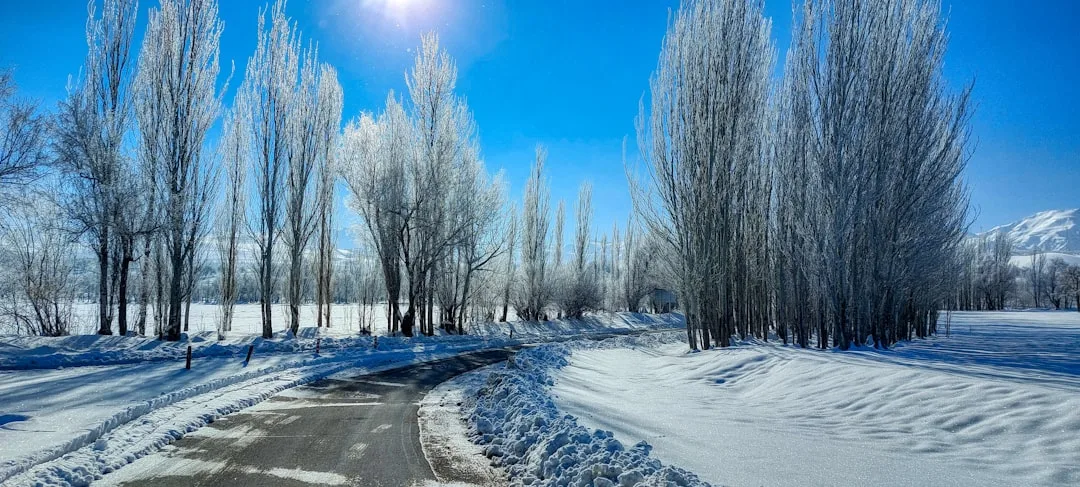
Urdu weather and nature vocabulary is shaped by Pakistan's extraordinary climatic diversity and by a thousand-year poetic tradition that elevated rain, monsoon clouds, and seasonal change into central metaphors of love and longing.
The same Urdu speaker who describes Karachi's coastal humidity (humsi) in the morning may discuss Hunza's snow (barf) by evening, drawing on a vocabulary that distinguishes drizzle (phuwaar) from monsoon downpour (musaldhaar baarish), and that names the four seasons (mausam) with both Indic-everyday and Persian-literary terms.
For a learner, weather vocabulary is an unusually rewarding domain because it doubles as a key to Urdu poetry: to read Mir or Ghalib on the rain is to understand both the meteorological description and the cultural symbolism it invokes.
This reference catalogues more than two hundred Urdu terms for weather conditions, seasons, sky and atmosphere, water bodies, terrain, plants and trees, and animals, alongside notes on Pakistan's regional climate variation and the role of weather imagery in Urdu poetry.
Each entry appears in Urdu script (Perso-Arabic, written right to left), Roman Urdu transliteration, and English explanation. Where Pakistani Urdu and Indian Urdu diverge in regional weather terminology, brief notes flag the differences.
Pakistan's climate is extraordinarily varied. Coastal Karachi has a tropical-arid climate with monsoon, mild winter, and oppressive summer humidity. Punjab plains have hot summers (45+ Celsius), cold winters, and a defined monsoon. Islamabad and the Pothohar plateau enjoy four distinct seasons.
The Northern Areas (Gilgit-Baltistan) have alpine and high-altitude desert climates with long snow-bound winters. Balochistan is mostly arid plateau with cold winter highs. The same Urdu vocabulary describes all of these, with regional emphases on different terms.
For the broader phrasebook, see Urdu Common Phrases and Daily Conversation Reference. For the script and pronunciation, see the Urdu Alphabet and Nasta'liq Script Complete Guide. For Urdu's poetic tradition that built on weather imagery, see Urdu Poetry: Ghazal and Shayari Vocabulary.
The Four Seasons (Mausam)
Pakistani Urdu names four primary seasons, with autumn (khazaan, pat-jhar) sometimes named as a fifth. The seasonal vocabulary doubles between everyday Indic terms and elevated Persian alternatives.
| Urdu | Roman Urdu | English | Period |
|---|---|---|---|
| موسم | Mausam | Season, weather | General |
| موسم گرما | Mausam-e-garma | Hot season (formal) | May-September |
| گرمی | Garmi | Summer, heat | May-September |
| موسم سرما | Mausam-e-sarma | Cold season (formal) | December-February |
| سردی | Sardi | Winter, cold | December-February |
| برسات | Barsaat | Monsoon | July-September |
| ساون | Saawan | Monsoon (Hindi-Urdu literary) | July-August |
| بہار | Bahaar | Spring | February-April |
| خزاں | Khazaan | Autumn (formal) | October-November |
| پت جھڑ | Pat jhar | Autumn (literally leaves-falling) | October-November |
The Persian-origin pair mausam-e-garma and mausam-e-sarma sits in formal writing, weather forecasts, and elevated literary register. The Indic forms garmi and sardi dominate everyday speech. A Pakistani news headline might say Mausam-e-sarma ki amad (the arrival of winter), while the family conversation says Sardi shuru ho gayi hai (winter has started).
"Bahaar (spring) carries enormous poetic weight in Urdu literature. The arrival of bahaar marks blooming flowers, the cuckoo's call, and the renewal of love. The phrase Bahaar aayi (spring has come) is the title of countless ghazals and a stock metaphor for joy returning to a bereaved heart. Mir Taqi Mir's bahaar imagery and Iqbal's springtime philosophical poems both rest on this association."
Daily Weather Conditions
| Urdu | Roman Urdu | English |
|---|---|---|
| آج موسم کیسا ہے؟ | Aaj mausam kaisa hai? | How is the weather today? |
| موسم اچھا ہے | Mausam achha hai | The weather is nice |
| موسم خراب ہے | Mausam kharaab hai | The weather is bad |
| گرم | Garm | Hot |
| ٹھنڈا | Thanda | Cold |
| گرم ہے | Garm hai | It is hot |
| ٹھنڈ ہے | Thand hai | It is cold |
| سخت سردی | Sakht sardi | Severe cold |
| شدید گرمی | Shadeed garmi | Intense heat |
| لو | Loo | Hot summer wind |
| شبنم | Shabnam | Dew |
| دھوپ | Dhoop | Sunshine |
| چھاؤں | Chhaaon | Shade |
| موسم خوشگوار ہے | Mausam khushgawaar hai | The weather is pleasant |
| Urdu | Roman Urdu | English |
|---|---|---|
| دھوپ | Dhoop | Sunshine, sunlight |
| سورج نکلا ہے | Sooraj nikla hai | The sun is out |
| بادل | Baadal | Cloud |
| بادل چھائے ہیں | Baadal chhaaye hain | The clouds have gathered |
| گھنا کہرا | Ghanaa kohra | Thick fog |
| دھند | Dhund | Mist, haze |
| سموگ | Smog | Smog (English loan) |
| ہوا | Hawa | Wind, air |
| تیز ہوا | Tez hawa | Strong wind |
| طوفان | Toofaan | Storm |
| آندھی | Aandhi | Dust storm |
| طوفانی بارش | Toofaani baarish | Torrential rain |
Rain Vocabulary (Baarish)
Rain occupies a category by itself in Urdu vocabulary, with multiple terms distinguishing intensity and timing. Monsoon rain is so culturally important that Urdu poetry has whole sub-genres devoted to it.
| Urdu | Roman Urdu | English |
|---|---|---|
| بارش | Baarish | Rain |
| بارش ہو رہی ہے | Baarish ho rahi hai | It is raining |
| پھوار | Phuwaar | Light drizzle, mist-rain |
| ٹپ ٹپ | Tip tip | Pattering rain (onomatopoeic) |
| بوندا باندی | Boonda baandi | Light scattered rain |
| موسلادھار | Musaldhaar | Heavy downpour |
| طوفانی بارش | Toofaani baarish | Storm-level rain |
| ساون کی بارش | Saawan ki baarish | Monsoon rain (literary) |
| گرج | Garaj | Thunder |
| بجلی | Bijli | Lightning, electricity |
| چمک | Chamak | Flash, gleam |
| رینگ بازی | Renghbaazi | Rainbow display |
| قوس قزح | Qaus-e-quzah | Rainbow (formal) |
| دھنک | Dhanuk | Rainbow (Hindi-Urdu) |
| اولا | Ola | Hailstone |
| اولے گرے | Ole gire | Hail fell |
| سیلاب | Sailaab | Flood |
"The Pakistani monsoon, called barsaat or saawan, runs from late June through September and brings heavy rainfall to the eastern half of the country. Lahore receives roughly 600mm of monsoon rain in a typical season, Karachi much less. Urdu poetry from Mir Taqi Mir through Iqbal builds entire emotional vocabularies on the saawan barsaat: the lover separated during the rains, the ground drinking after summer's parch, the cuckoo's call announcing the storm."
Sky, Atmosphere, and Celestial
| Urdu | Roman Urdu | English |
|---|---|---|
| آسمان | Aasmaan | Sky |
| آسمان صاف ہے | Aasmaan saaf hai | The sky is clear |
| سورج | Sooraj | Sun |
| چاند | Chaand | Moon |
| ستارہ | Sitaara | Star |
| ستارے | Sitaare | Stars |
| کہکشاں | Kahkashaan | Galaxy, Milky Way |
| سحر | Sahar | Dawn |
| طلوع | Tuloo | Sunrise |
| غروب | Ghuroob | Sunset |
| فلک | Falak | Heaven, sky (literary) |
| سپہر | Sipehr | Sphere, sky (literary) |
| روشنی | Roshni | Light |
| اندھیرا | Andhera | Darkness |
| سایہ | Saaya | Shadow |
| پورا چاند | Poora chaand | Full moon |
| نیا چاند | Naya chaand | New moon |
| چاندنی | Chaandni | Moonlight |
| رات کا سکوت | Raat ka sukoot | Night's silence |
The sighting of the new moon (chaand dekhna) is a religiously significant event in Pakistan, especially marking the start and end of Ramadan. Pakistan has a Central Ruet-e-Hilal Committee whose declaration of new-moon sighting determines official Eid dates. The phrase Chaand raat (moon night, the night of new-moon sighting before Eid) is a major celebration with markets staying open through the night.
Water Bodies and Terrain
| Urdu | Roman Urdu | English |
|---|---|---|
| دریا | Darya | River |
| ندی | Nadi | Stream, small river |
| نہر | Nahar | Canal |
| سمندر | Samandar | Sea, ocean |
| ساحل | Saahil | Beach, shore |
| جزیرہ | Jazeera | Island |
| جھیل | Jheel | Lake |
| تالاب | Talaab | Pond |
| کنواں | Kuaan | Well |
| چشمہ | Chashma | Spring (water) |
| آبشار | Aabshaar | Waterfall |
| پہاڑ | Pahaad | Mountain |
| پہاڑیاں | Pahaariyaan | Hills |
| وادی | Vaadi | Valley |
| میدان | Maidaan | Plain, ground |
| صحرا | Sahra | Desert |
| ریگستان | Registaan | Sandy desert |
| جنگل | Jangal | Forest, jungle |
| بیابان | Biyaaban | Wilderness, wasteland |
| چٹان | Chataan | Rock, cliff |
| غار | Ghaar | Cave |
Pakistan's geography contains all of these in dramatic abundance: the Arabian Sea (Bahar-e-Arab) along the south, the Indus River (Darya-e-Sindh) flowing the entire length of the country, the Thar Desert (Cholistan) in the southeast, the Karakoram mountains (Karakoram pahaad) in the north, and the alluvial plains (maidaan) of Punjab where most Pakistanis live.
Trees and Plants
| Urdu | Roman Urdu | English |
|---|---|---|
| درخت | Darakht | Tree |
| پودا | Poda | Plant |
| پھول | Phool | Flower |
| پتہ | Patta | Leaf |
| ٹہنی | Tehni | Branch |
| جڑ | Jadh | Root |
| تنا | Tana | Trunk |
| بیج | Beej | Seed |
| پھل | Phal | Fruit |
| سبزی | Sabzi | Vegetable |
| گھاس | Ghaas | Grass |
| باغ | Baagh | Garden |
| باغبان | Baaghbaan | Gardener |
| آم کا درخت | Aam ka darakht | Mango tree |
| نیم | Neem | Neem tree |
| پیپل | Peepal | Peepal tree |
| بنیان | Banyan | Banyan tree |
| چنار | Chinaar | Plane tree (Kashmiri symbol) |
| دیودار | Devdaar | Cedar tree |
| گلاب | Gulaab | Rose |
| چمیلی | Chameli | Jasmine |
| موتیا | Motiya | Pearly jasmine |
| سورج مکھی | Sooraj mukhi | Sunflower |
| کنول | Kanwal | Lotus |
The chinaar tree (چنار, plane tree) is a powerful Kashmiri symbol invoked in both Indian and Pakistani Kashmir poetry. The motiya (موتیا, jasmine) is associated with Lahori summer evenings and bridal hair garlands.
Animals (Janwar)
| Urdu | Roman Urdu | English |
|---|---|---|
| جانور | Janwar | Animal |
| پرندہ | Parinda | Bird |
| مچھلی | Machhli | Fish |
| کیڑا | Keera | Insect, worm |
| کتا | Kutta | Dog |
| بلی | Billi | Cat |
| گائے | Gaaye | Cow |
| بکری | Bakri | Goat |
| بھیڑ | Bheer | Sheep |
| بکرا | Bakra | He-goat |
| بھینس | Bhains | Buffalo |
| اونٹ | Oont | Camel |
| گھوڑا | Ghora | Horse |
| گدھا | Gadha | Donkey |
| ہاتھی | Haathi | Elephant |
| شیر | Sher | Lion, tiger |
| چیتا | Cheeta | Cheetah, leopard |
| بھیڑیا | Bhediya | Wolf |
| لومڑی | Lomri | Fox |
| خرگوش | Khargosh | Rabbit |
| چوہا | Chooha | Mouse, rat |
| کبوتر | Kabootar | Pigeon |
| کوا | Kawwa | Crow |
| طوطا | Tota | Parrot |
| مور | Mor | Peacock |
| الو | Ulloo | Owl (also "fool" slang) |
| سانپ | Saanp | Snake |
| مگرمچھ | Magarmach | Crocodile |
| مکڑی | Makdi | Spider |
"Pakistan has a rich biodiversity captured in this vocabulary. The markhor (مارخور, screw-horned goat) is the national animal. The Indus dolphin (Indus ki dolphin) inhabits the Indus River. Snow leopards roam the Karakoram (barfaani cheeta). Black bears, ibex, and the rare Tibetan wolf are among the species the Urdu animal vocabulary names. A child memorising these terms learns ecology alongside language."
Pakistan's Regional Climate
| Region | Urdu Description | Climate |
|---|---|---|
| Karachi | Saahili (coastal) | Tropical-arid, humid summer |
| Lahore | Punjabi maidaani | Hot summer, cool winter |
| Islamabad | Pothohar | Four-season, mild |
| Quetta | Pahaadhi (mountainous) | Cold winter, mild summer |
| Hunza | Aalpaai (alpine) | Long snowy winter |
| Skardu | Buland (high altitude) | Cold, rocky-arid |
| Cholistan | Registaani (desert) | Hot, dry, dust storms |
| Murree | Hill station | Snowy winter, cool summer |
The vocabulary above lets a Pakistani speaker describe their city's weather with regional nuance. Karachi residents complain about humsi (humidity) more than garmi (heat); Lahoris dread sakht garmi (severe heat) and the loo (hot summer wind); Islamabadis appreciate khushgawaar mausam (pleasant weather); Skardu locals describe sakht sardi and barf (snow).
Weather in Urdu Poetry
The Urdu poetic tradition gives weather a metaphorical density unmatched in most languages. A short list of ghazal-vocabulary essentials:
| Urdu | Roman Urdu | Poetic Use |
|---|---|---|
| ساون | Saawan | Monsoon, longing during separation |
| بہار | Bahaar | Spring, return of joy |
| خزاں | Khazaan | Autumn, decline, melancholy |
| باد صبا | Baad-e-saba | Morning breeze, messenger of love |
| بادل | Baadal | Cloud, often messenger of rain/news |
| بجلی | Bijli | Lightning, beloved's flashing eye |
| طوفان | Toofaan | Storm, life's upheaval |
| سحر | Sahar | Dawn, hope |
| شام | Shaam | Evening, melancholy time |
| رات | Raat | Night, time of separation/yearning |
| چاندنی | Chaandni | Moonlight, pure beauty |
| دھوپ | Dhoop | Sunshine, harshness |
| سایہ | Saaya | Shadow, refuge |
"The conventional rainy-season ghazal opens with a lover separated from the beloved during the saawan rains. The baad-e-saba (morning breeze) carries messages, the baadal (cloud) represents tears, and the bijli (lightning) flashes like the beloved's eye. Mir Taqi Mir's saawan ghazals, Ghalib's monsoon couplets, and Faiz Ahmed Faiz's modern reworking of these tropes all rest on a stable lexicon of weather metaphors that any literate Urdu speaker recognises."
Common Mistakes
Confusing barf and barsaat: Barf (برف) is snow or ice. Barsaat (برسات) is the monsoon season or rain in general. They both relate to falling precipitation but are different phenomena.
Mixing saawan and barsaat: Both refer to monsoon but saawan is the literary-romantic name (the Hindi calendar month, July-August) and barsaat is the everyday word. Pakistani news uses barsaat; Pakistani poetry uses saawan.
Saying garm hai for "I am hot": The construction Mujhe garm hai (literally "to me hot is") is wrong; correct is Mujhe garmi lag rahi hai (I am feeling heat) or Garmi hai (it is hot). Garm is an adjective for the temperature, not the bodily sensation.
Mis-pronouncing baadal: Baadal (cloud) is two syllables baad-al, not baa-dal. Stress pattern matters in Urdu prosody.
Using Hindi summer mausam-garmi spelling: The Persian construct mausam-e-garma uses the ezafe (Persian compound marker) and is the formal Urdu pattern; mausam-garmi is Hindi-influenced. Pakistani Urdu prefers mausam-e-garma in formal writing.
Confusing dhoop and roshni: Dhoop is sunshine specifically (the warmth and light of sun rays). Roshni is light in general (lamp, sunlight, electrical, metaphorical). A poet might invoke roshni philosophically but means dhoop when describing actual sunshine.
Quick Reference Card
| Concept | Urdu |
|---|---|
| Weather | Mausam |
| Hot | Garm |
| Cold | Thanda |
| Rain | Baarish |
| Monsoon | Barsaat / Saawan |
| Snow | Barf |
| Sun | Sooraj |
| Cloud | Baadal |
| Wind | Hawa |
| Storm | Toofaan |
| Spring | Bahaar |
| Summer | Garmi |
| Autumn | Khazaan |
| Winter | Sardi |
| Mountain | Pahaad |
| River | Darya |
| Sea | Samandar |
| Tree | Darakht |
| Flower | Phool |
| Bird | Parinda |
Frequently Asked Questions
What is the rainy season in Pakistan called? Barsaat (برسات), or in literary register saawan (ساون, after the Hindi calendar month). The Pakistani monsoon runs roughly from late June to September with peak rainfall in July and August. Eastern Punjab, especially Lahore, gets the heaviest rain; Karachi is much drier.
Why does Urdu poetry talk so much about rain? The South Asian monsoon ends a long, parching summer with relief and renewal, making it culturally central. Hindi-Urdu poetic tradition built on this association: rain means lover's reunion, parted lover's tears, the cuckoo's call, peacocks dancing, and the green return of life. The metaphors are stable across centuries of poets.
What is the difference between aandhi and toofaan? Aandhi (آندھی) is a dust storm, characteristic of Pakistani Punjab summers when hot wind picks up dust. Toofaan (طوفان) is a general storm or tempest, often with rain. Aandhi specifically suggests dry-dusty wind; toofaan is broader and more dramatic.
What is loo and is it dangerous? Loo (لو) is the hot summer wind that blows across Pakistani Punjab and Sindh in May and June, with temperatures sometimes above 45 Celsius. It is dangerous: heat strokes (loo lagna, "to be struck by loo") cause hospitalisations every summer. Pakistani parents tell children to stay inside during loo hours.
Are Urdu poetic weather words used in everyday speech? Some yes (mausam, baarish, sooraj, chaand are universal). Some no (saawan, baad-e-saba, falak are literary). A Pakistani news report uses everyday vocabulary; a wedding song or ghazal uses poetic vocabulary. The two registers coexist and a literate speaker switches as appropriate.
What is the Pakistani national tree? The deodar (دیودار, Cedrus deodara), the Himalayan cedar that grows in the northern mountains. The national flower is the chameli (jasmine). The national animal is the markhor (مارخور, screw-horned goat). National vocabulary is part of Pakistani educational basics.
How do Pakistanis describe humid coastal weather? Humsi (حبسی) is the specific Karachi-coastal word for sticky humidity that makes summer oppressive even at moderate temperatures. The phrase Bahut humsi hai (there is much humsi) captures the sensation. Lahore and Islamabad rarely use humsi because they have dry summer heat without the sea-air component.
See Also
- Urdu Poetry: Ghazal and Shayari Vocabulary
- Urdu Common Phrases and Daily Conversation Reference
- Urdu Travel Phrases and Tourist Guide Reference
- Urdu Persian and Arabic Loanwords
- Urdu Alphabet and Nasta'liq Script Complete Guide
- Urdu in Pakistan, India and the Diaspora
- Urdu Conversations and Daily Phrases by Register
Author: Kalenux Team
Frequently Asked Questions
What is the rainy season in Pakistan called?
Barsaat or in literary register saawan. The Pakistani monsoon runs from late June to September with peak rainfall in July and August. Eastern Punjab gets the heaviest rain.
Why does Urdu poetry talk so much about rain?
The South Asian monsoon ends a long, parching summer with relief and renewal. Hindi-Urdu tradition built on this: rain means lover’s reunion, parted lover’s tears, the cuckoo’s call, peacocks dancing, and green renewal.
What is the difference between aandhi and toofaan?
Aandhi is a dust storm, characteristic of Pakistani Punjab summers. Toofaan is a general storm or tempest, often with rain. Aandhi specifically suggests dry-dusty wind.
What is loo and is it dangerous?
Loo is the hot summer wind that blows across Punjab and Sindh in May and June, with temperatures above 45 Celsius. Heat strokes called loo lagna cause hospitalisations every summer.
Are Urdu poetic weather words used in everyday speech?
Some yes (mausam, baarish, sooraj). Some no (saawan, baad-e-saba, falak are literary). News uses everyday vocabulary; ghazals use poetic vocabulary.
What is the Pakistani national tree?
The deodar, the Himalayan cedar. The national flower is chameli (jasmine). The national animal is the markhor, the screw-horned goat.
How do Pakistanis describe humid coastal weather?
Humsi is the specific Karachi-coastal word for sticky humidity. Lahore and Islamabad rarely use humsi because they have dry summer heat without the sea-air component.