Arabic grammar and vocabulary explained: guides, references, and examples for learners at every level.

Complete Arabic body parts and medical vocabulary: head, limbs, internal organs, symptoms, doctor and hospital terms, medications, and pharmacy phrases.
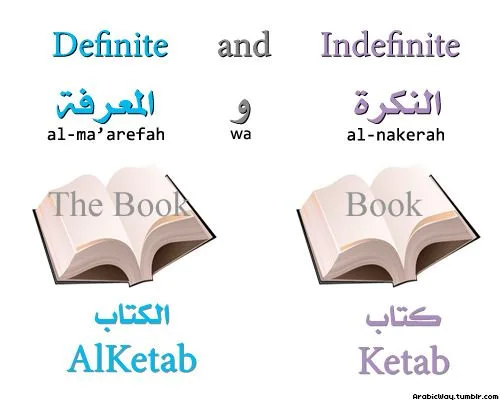
Complete reference for the Arabic definite article al-: 14 sun letters (assimilation) vs 14 moon letters (no assimilation), pronunciation rules, and usage.
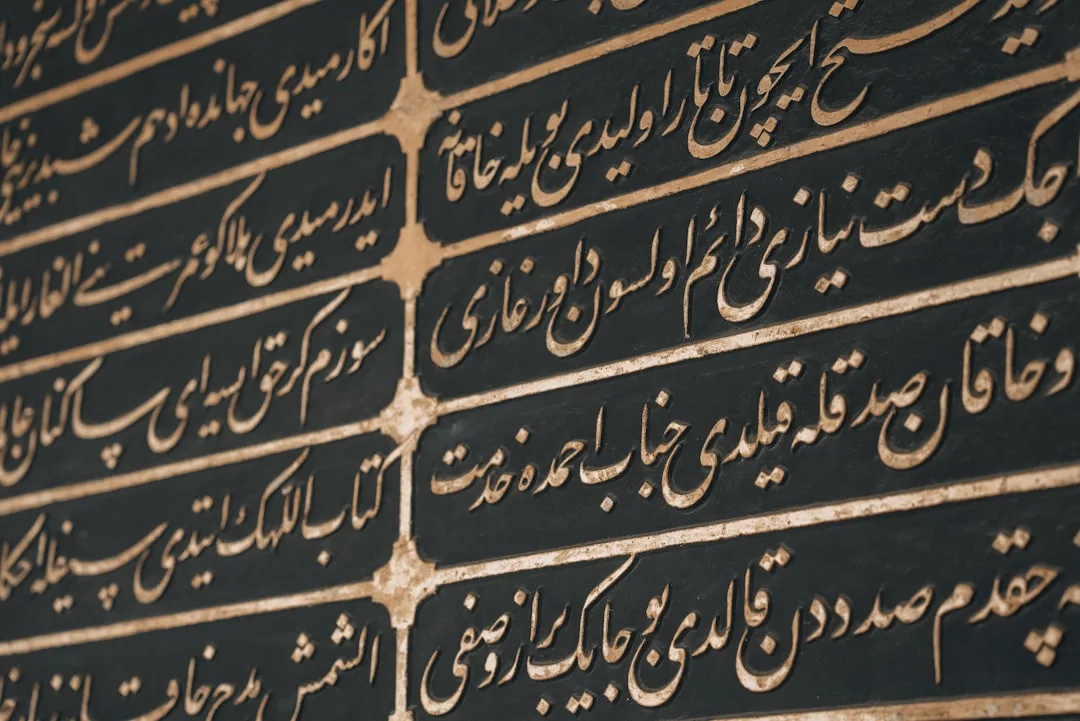
Learn all 28 Arabic letters with all 4 positional forms, unique Arabic sounds (ayn, ha, emphatics), harakat short vowels, sun and moon letters, and reading practice.

Master Arabic grammar fundamentals: VSO word order, masculine and feminine gender, broken plurals, definite article al-, dual form, and the root system with 30+ examples.
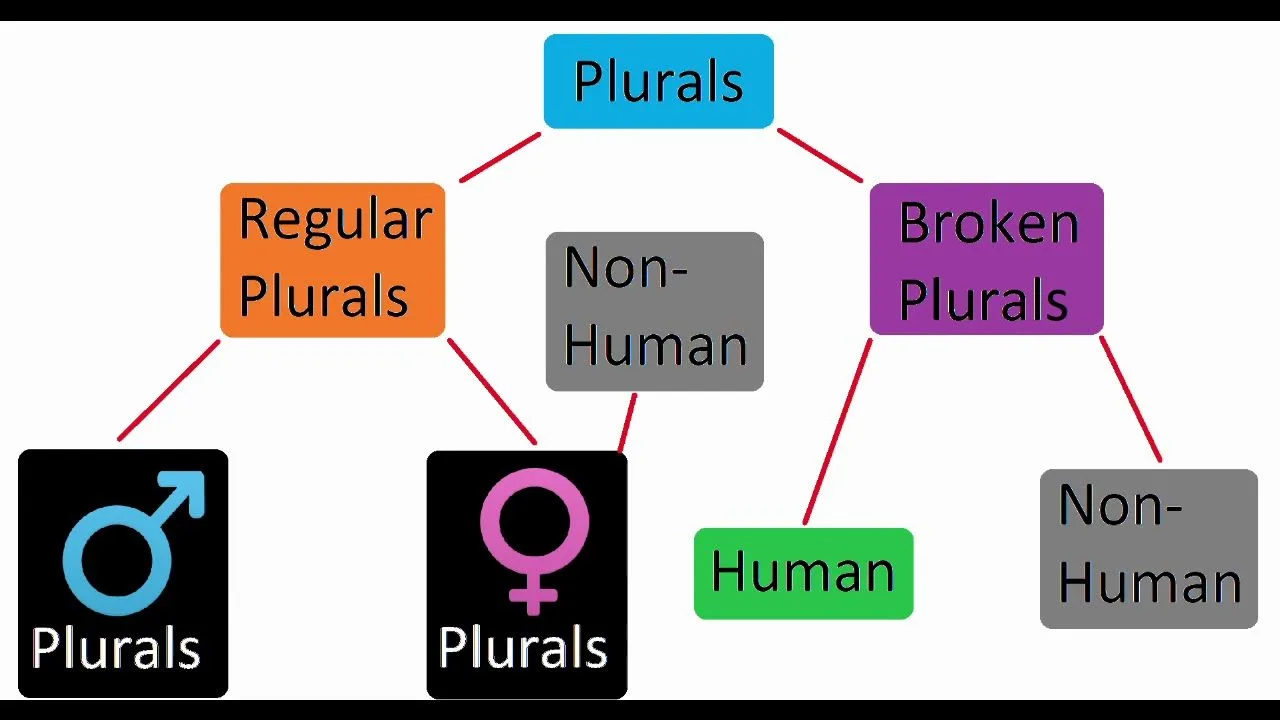
Complete reference for Arabic broken plurals (جمع التكسير): 30+ patterns including فُعُول، أَفْعَال، فِعَال، فُعَلَاء، with examples and rules for predicting plural shapes.

Complete reference for the Arabic iḍāfa construction: possession and 'of' relationships, muḍāf and muḍāf ilayh rules, case endings, and adjective placement.

Master Arabic numbers: Arabic-Indic numerals, number words 1-1000, the reverse gender agreement rule for 3-10, ordinal numbers, telling time - with Arabic script and transliteration.
Complete Arabic pronoun reference: detached (انا, انت, هو) and attached (ـي, ـك, ـه) pronouns with full tables for verbs, nouns, prepositions, and reflexives.

Complete Arabic color and adjective reference: the afʿal/faʿlā' color pattern, common descriptive adjectives, and full agreement rules (gender, number, definiteness, case).
Master Arabic pronunciation: emphatic consonants (sad, dad, ta, dha), pharyngeal ayn and ha, uvulars ghayn kha qaf, long and short vowels, shadda gemination - 30+ examples.
Over 100 essential Arabic phrases for daily conversation in Modern Standard Arabic with notes on Egyptian, Levantine, and Gulf dialect variations, transliteration, and usage.
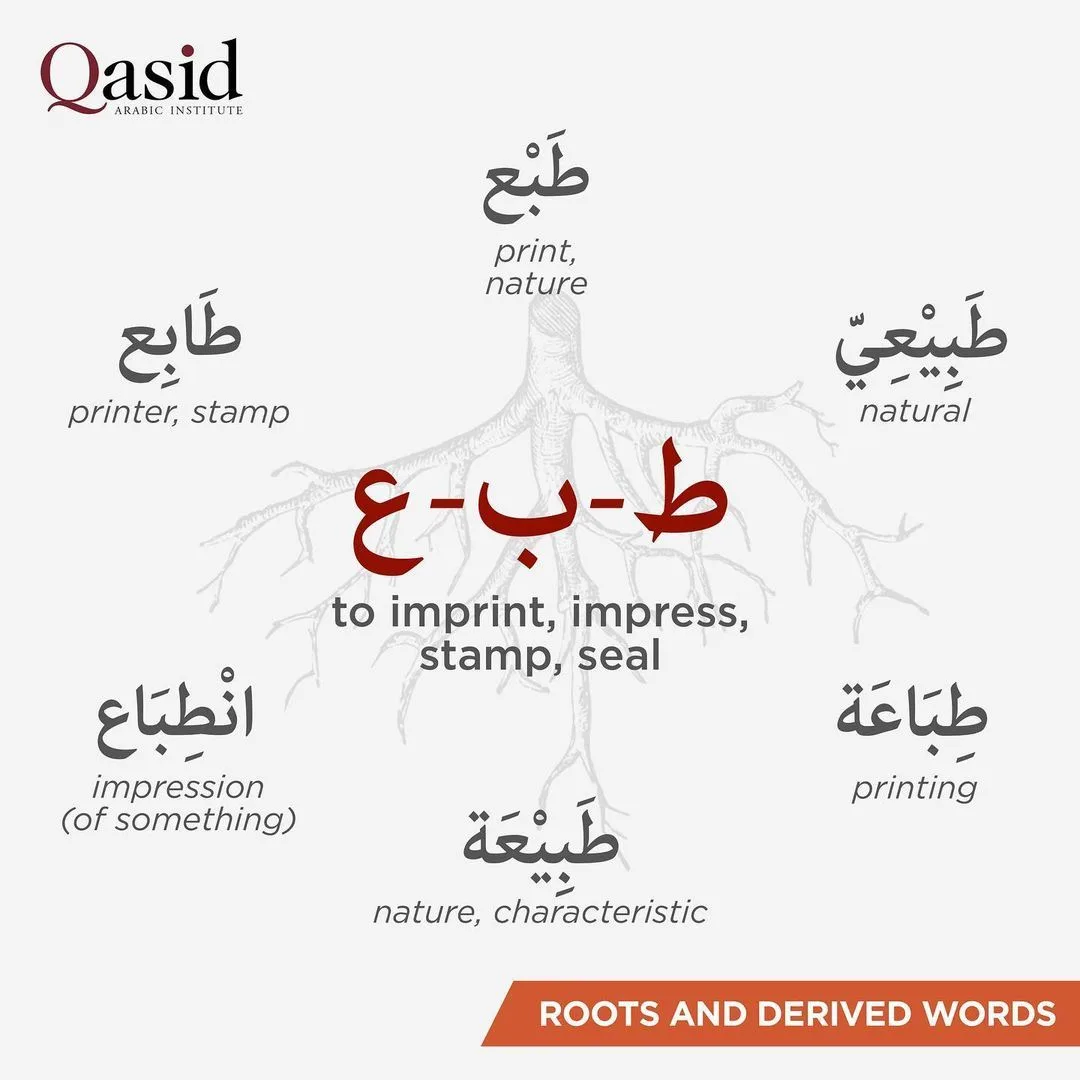
Complete reference to the Arabic root-pattern system: how trilateral roots generate families of words, k-t-b and s-l-m families, weak roots, and quadriliterals.

Complete Arabic time reference: days of the week (number-based), Islamic Hijri and Gregorian calendars, telling time, today/tomorrow/yesterday, and prayer time vocabulary.
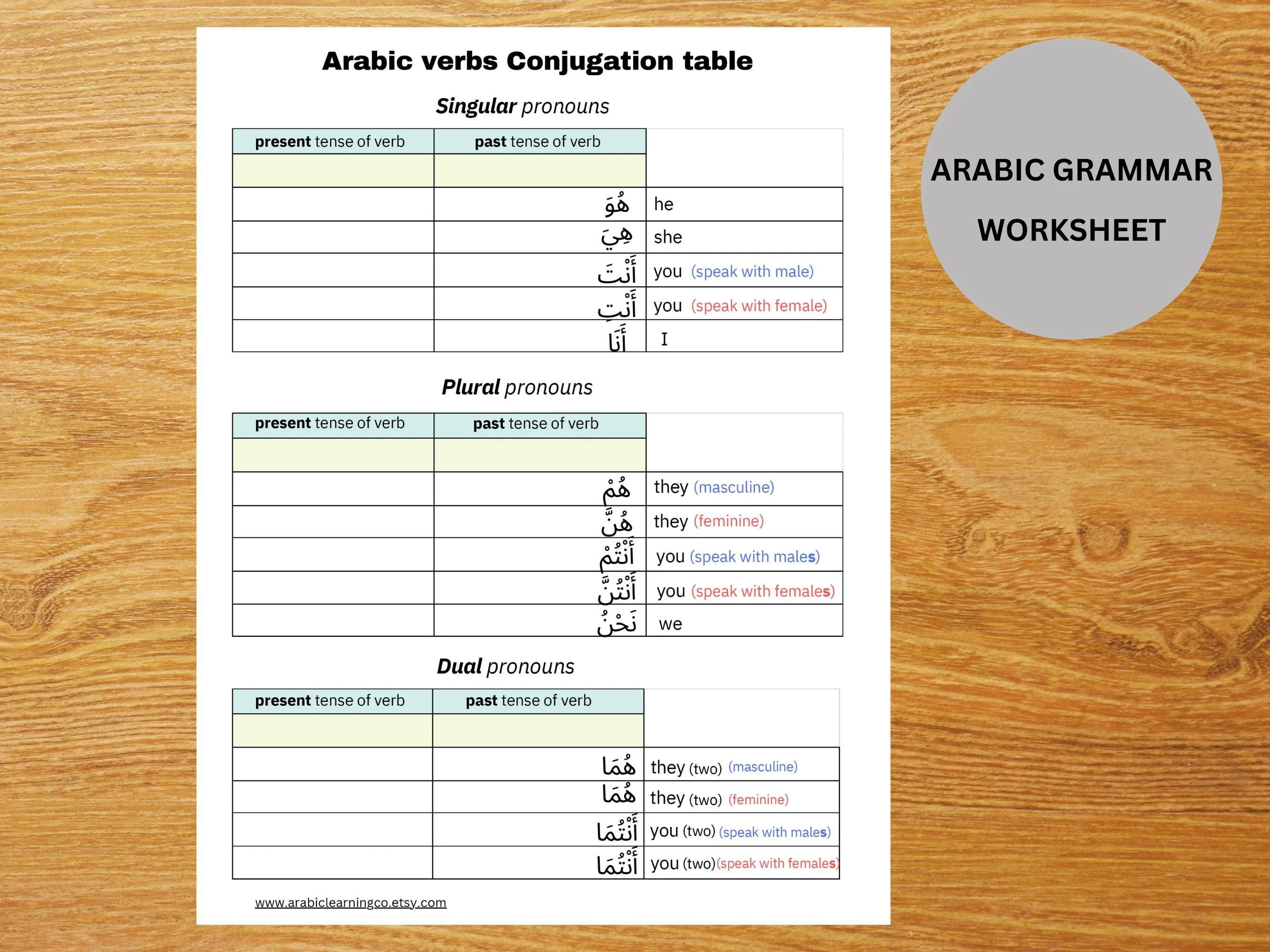
Learn Arabic verb conjugation: all 13 forms for past and present tense, root-and-pattern system, hollow and defective verbs, negation - with Arabic script and transliteration.
Complete reference to the 10 Arabic verb forms (awzan): patterns, semantic shifts, past and present stems, verbal nouns, and examples for each form.

Complete Arabic family vocabulary: immediate and extended kin, cousin distinctions (ابن عم vs ابن خال), in-laws, and the cultural logic of Arab kinship terms.

Complete Arabic food vocabulary: staple ingredients, meals, Middle Eastern dishes (hummus, falafel, kabsa, shawarma, mansaf), restaurant phrases, and halal terminology.

The 100 most common Arabic verbs organized by triliteral root: كان، قال، ذهب، جاء، رأى، أكل، شرب، كتب، قرأ and more, with past and present conjugation samples.

Essential Arabic travel phrases for tourists: airport, hotel, taxi, directions, signs, and regional dialect variations across Egyptian, Gulf, and Levantine Arabic.

Complete Arabic weather and nature vocabulary: seasons, temperatures, natural phenomena, geography across Arab climates (desert, Mediterranean, mountain), and ecological terms.
Most Arabic words are built from a three-consonant root that carries a core meaning. Vowels and affixes are layered onto that root in fixed patterns to produce related words. Knowing the root and the pattern lets you recognise and predict vocabulary you have never seen before.
Modern Standard Arabic is the shared formal register used in writing, news, and education across the Arab world. Dialects are the spoken varieties that differ by region and are what people actually use day to day. Learners typically study Modern Standard Arabic first, then add a dialect.
Broken plurals reshape the internal vowels of a word rather than adding a suffix. Classical grammarians counted between 27 and 40 such patterns. The system reflects Arabic's preference for templatic morphology, where meaning is carried by patterns rather than by endings.