
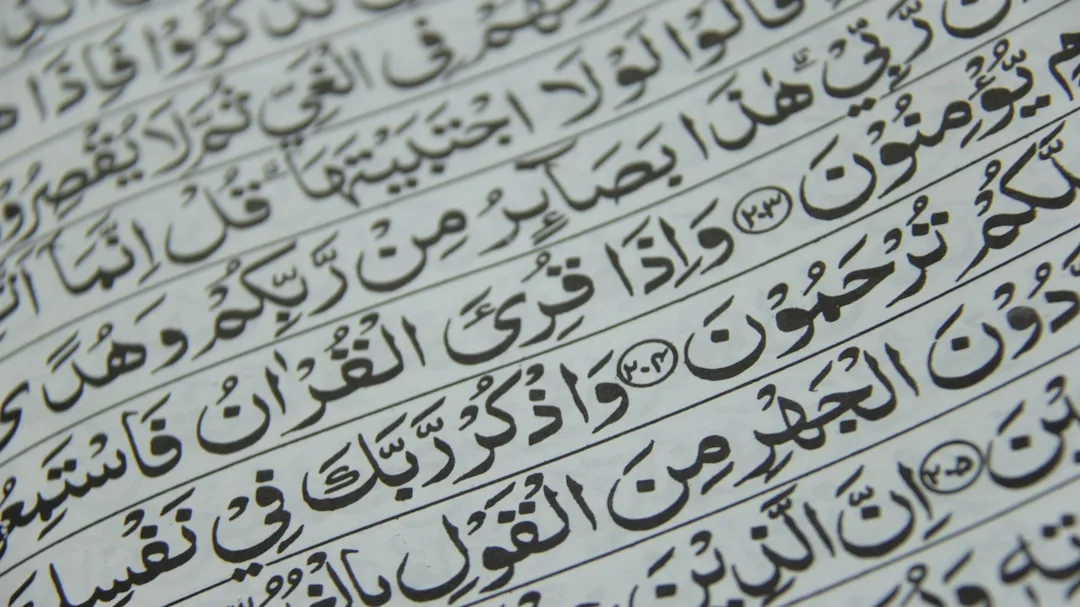
Arabic pronunciation is the aspect of the language that most intimidates English-speaking beginners, and for good reason: Arabic contains sounds that do not exist in English and that require physical articulatory adjustments that English speakers have never needed to make. This guide explains Arabic Pronunciation Guide with clear rules and worked examples.
At the same time, Arabic pronunciation is far more regular than English - there are no silent letters, no arbitrarily irregular pronunciations, and the relationship between written script (with vowel markers) and pronunciation is nearly one-to-one. Once you know how a sound is made, it is always made that way.
The sounds that require the most work fall into clear categories: the emphatic consonants (ص ض ط ظ), the pharyngeal consonants (ع ح), the uvular sounds (غ خ ق), and the glottal hamza (ء). These 9 sounds are what give Arabic its characteristic acoustic quality to foreign ears.
English speakers can hear them clearly in native speech but struggle to produce them because the articulatory gestures required - tightening the throat, raising the back of the tongue, maintaining emphasis through a full syllable - are not part of the English phonological repertoire.
Understanding the anatomy of these sounds - where in the mouth and throat they are produced - is more useful than listening to descriptions alone. This guide describes each sound's articulation mechanism, provides the closest English approximations, and gives practice words organized by sound to build systematic familiarity.
Beyond the unusual sounds, Arabic's vowel system and prosodic features (stress patterns, gemination, and long vs. short vowel distinction) all deserve careful study. Mispronouncing vowel length changes word meaning; stress placed on the wrong syllable can make speech unintelligible to native listeners even when the consonants are correct.
The Arabic Sound Inventory: Overview
| Category | Letters | English Has Equivalent? |
|---|---|---|
| Stops | ب د ت ك | Yes |
| Fricatives | ف و س ش ز ه | Yes (mostly) |
| Emphatic consonants | ص ض ط ظ | No |
| Pharyngeal fricatives | ع ح | No |
| Uvular sounds | غ خ ق | No (partial: خ like German ch) |
| Glottal stop | ء (hamza) | Partial (English uses it but doesn't spell it) |
| Nasal | م ن | Yes |
| Lateral | ل | Yes |
| Trill/flap | ر | Partial (like Spanish r) |
| Semi-vowels | و ي | Yes (w, y) |
Sounds Arabic Shares with English
Before addressing the difficult sounds, note that most Arabic consonants have clear English equivalents:
| Arabic Letter | Transliteration | English Equivalent | Example Word |
|---|---|---|---|
| ب | b | "b" in "book" | بَيْت (bayt) - house |
| ت | t | "t" in "time" | تَمْر (tamr) - dates (fruit) |
| ث | th | "th" in "think" | ثَلَاثَة (thalaatha) - three |
| ج | j | "j" in "jump" | جَبَل (jabal) - mountain |
| د | d | "d" in "door" | دَرْس (dars) - lesson |
| ذ | dh | "th" in "this" | ذَهَب (dhahab) - gold |
| ر | r | Spanish "r" in "pero" | رَجُل (rajul) - man |
| ز | z | "z" in "zero" | زَيْت (zayt) - oil |
| س | s | "s" in "sun" | سَمَاء (samaa') - sky |
| ش | sh | "sh" in "ship" | شَمْس (shams) - sun |
| ف | f | "f" in "food" | فِيل (fiil) - elephant |
| ك | k | "k" in "king" | كَلِمَة (kalima) - word |
| ل | l | "l" in "lamp" | لَيْل (layl) - night |
| م | m | "m" in "moon" | مَاء (maa') - water |
| ن | n | "n" in "night" | نَهْر (nahr) - river |
| ه | h | "h" in "hot" | هَوَاء (hawaa') - air |
| و | w | "w" in "water" | وَرَقَة (waraqa) - leaf |
| ي | y | "y" in "yes" | يَوْم (yawm) - day |
The Emphatic Consonants: ص ض ط ظ
The four emphatic consonants are the defining phonetic feature of Arabic among Semitic languages and the primary challenge for English learners. They are called "emphatic" or "pharyngealized" because they are produced while simultaneously raising the back of the tongue toward the pharynx (the back of the throat) and rounding the lips slightly. This secondary articulation darkens the quality of both the consonant and surrounding vowels.
ص (sad) - Emphatic S
- Plain s: سَلَام (salaam) - peace
- Emphatic S: صَلَاة (salaah) - prayer
To produce ص, begin to say the regular Arabic s sound, then simultaneously raise the back of your tongue toward your soft palate and slightly tighten your throat. The resulting sound is deeper and more resonant than plain س. The vowels surrounding ص sound darker too - "a" becomes more like the "a" in "caught" rather than the "a" in "cat."
Practice pair: سَانَ (saana - incorrect word to illustrate) vs صَانَ (saana - he preserved)
ض (dad) - Emphatic D
Arabic linguists historically called Arabic "the language of the dad" (لُغَةُ الضَّاد) because ض is considered the sound most unique to Arabic. It has historically been described as the rarest consonant in any human language. It is an emphatic lateral d, combining a d-stop with lateral release and pharyngealization.
In modern pronunciation, ض is often produced as an emphatic dh sound. It is the partner of ط in the emphatic system.
Practice word: رَمَضَان (Ramadaan) - the famous month name demonstrates this sound
ط (ta emphatic) - Emphatic T
- Plain t: تِين (tiin) - figs
- Emphatic T: طِين (tiin) - mud
The identical spelling of "figs" (تِين) and "mud" (طِين) in unvowelized text shows how crucial the distinction is: only the emphatic vs. non-emphatic quality of the t separates them. With full vowel marks, the difference is visible; without them, context and phonological awareness distinguish the words.
Practice: طَبِيب (tabiib) - doctor; طَالِب (taalib) - student; طَعَام (ta'aam) - food
ظ (dha emphatic) - Emphatic Dh
The emphatic counterpart of ذ (dh). This sound is produced the same way as ذ (tongue between teeth, as in English "this"), but with the additional pharyngeal raising that characterizes all emphatica.
Practice word: ظَهْر (Dhahrr) - back/noon
The Pharyngeal Sounds: ع ح
The pharyngeals are produced in the pharynx - the passage between the back of the mouth and the esophagus. These sounds require muscular control in a part of the vocal tract that English speakers almost never consciously use.
ع (ayn) - Voiced Pharyngeal Fricative
Ayn is the sound that most strikingly marks native Arabic speech to English ears. There is no English equivalent. To produce it:
- Open your mouth wide.
- Say "ah."
- While saying "ah," tighten the pharynx - squeeze the back of the throat as if about to gargle, but maintain voice.
- The resulting strained, pressured vowel sound is the beginning of ayn.
Ayn also acts as a consonant that can appear before and after vowels. The word عَرَبِيَّة (arabiyya - Arabic language) begins with ayn before the "a" vowel.
Learning tip: Record yourself saying words with ayn, then compare your recording to native Arabic audio of the same word. The contrast will be immediately apparent. Your throat may feel briefly uncomfortable when first practicing ayn - this is normal. The muscle control develops with practice, as with any physical skill.
Practice words with ayn:
- عَيْن (ayn) - eye
- عَرَبِيَّة (arabiyya) - Arabic
- عَمَل (amal) - work
- عَلِيم (aliim) - all-knowing
ح (ha) - Voiceless Pharyngeal Fricative
The voiceless counterpart of ayn. While ayn involves voiced constriction of the pharynx, ح involves the same pharyngeal constriction but without voice - only the sound of air passing through the tight passage.
To distinguish it from the regular ه (h):
- ه (h) is made in the glottis, at the larynx level - like a normal English "h"
- ح (H) is made higher up in the pharynx, creating a more intense, more articulated airflow with a raspier quality
Practice words:
- حُبّ (hubb) - love
- حَيَاة (hayaat) - life
- صَحِيح (sahiih) - correct/true
- بَحْر (bahr) - sea
Uvular and Posterior Sounds: غ خ ق
These three sounds are made at or near the uvula - the small hanging structure at the very back of the roof of the mouth.
غ (ghayn) - Voiced Uvular Fricative
Ghayn is the closest Arabic has to a French "r" (as in "Paris"). To produce it, raise the back of your tongue toward the uvula - not quite touching it - and let air flow over the contact point while voicing. The result is a raspy, gargling quality.
Practice words:
- غُرْفَة (ghurfa) - room
- غَرِيب (ghariib) - strange/foreign
- لُغَة (lugha) - language
- صَغِير (saghiir) - small
خ (kha) - Voiceless Uvular Fricative
The voiceless counterpart of غ. This is the sound of the German "ch" in "Bach," the Scottish "ch" in "loch," or the Spanish "j" in "Juan." Raise the back of the tongue toward the uvula and let air flow through, but without voice.
Practice words:
- خُبْز (khubz) - bread
- خَبَر (khabar) - news
- أَخ (akh) - brother
- خَيْر (khayr) - good/better
ق (qaf) - Voiceless Uvular Stop
While ك (k) is a velar stop (tongue touches the soft palate), ق (q) is a uvular stop - the tongue contacts the uvula itself for a complete closure, then releases. The sound is deeper and further back than k, with a resonant, throaty quality. There is no true English equivalent, but Arabic learners often describe it as a "deep k."
Practice words:
- قَلْب (qalb) - heart
- قُرْآن (qur'aan) - the Quran
- طَرِيق (tariiq) - road/path
- قَمَر (qamar) - moon
The Hamza: ء
Hamza represents the glottal stop - a complete closure of the vocal cords followed by release. English speakers actually produce this sound constantly, but never write it or think of it as a distinct sound. It is the stop at the beginning of "uh-oh" or the catch in a cockney pronunciation of "butter" (bu-er). In Arabic, it is a full phoneme that changes word meaning.
Hamza can appear: on its own (ء), over or under alif (أ or إ), over waw (ؤ), or over ya without dots (ئ). The carrier letter changes based on the surrounding vowels, but the sound is always the same glottal stop.
Practice words:
- أَكَلَ (akala) - he ate
- سُؤَال (su'aal) - question
- مَسْأَلَة (mas'ala) - matter/issue
The Vowel System: Short, Long, and Diphthongs
Short Vowels
Arabic has three short vowels:
- Fatha (a): a short "a" similar to "a" in "cat" but slightly shorter
- Kasra (i): a short "i" similar to "i" in "bit"
- Damma (u): a short "u" similar to "u" in "put"
Long Vowels
Each short vowel has a long counterpart, written with a following letter:
- Long aa (alif): like "a" in "father" held twice as long
- Long ii (ya): like "ee" in "see"
- Long uu (waw): like "oo" in "moon"
| Short | Example | Long | Example |
|---|---|---|---|
| a (kataba) | كَتَبَ | aa (kitaab) | كِتَاب |
| i (min) | مِن | ii (fiil) | فِيل |
| u (kutub) | كُتُب | uu (nuur) | نُور |
The long/short distinction is phonemic: كِتَاب (kitaab - book) vs. كَتَبَ (kataba - he wrote) differ partly because of the long vowel.
Diphthongs
Arabic has two diphthongs:
- ay (as in كَيْف kayfa - how): glides from a to y
- aw (as in يَوْم yawm - day): glides from a to w
Gemination: Shadda and Double Consonants
Shadda (ّ) indicates that a consonant is doubled - held for twice the duration. This is gemination. Every Arabic consonant can be geminated, and the distinction carries meaning.
| Without gemination | Transliteration | Meaning |
|---|---|---|
| دَرَسَ | darasa | he studied |
| دَرَّسَ | darrasa | he taught (caused to study) |
| Without gemination | Transliteration | Meaning |
|---|---|---|
| كَتَبَ | kataba | he wrote |
| كَتَّبَ | kattaba | he made (someone) write |
In pronunciation, hold the doubled consonant for a perceptible extra duration. The shadda on a letter means: arrive at the consonant position, stay there briefly, then release.
Stress Patterns in Arabic
Arabic stress follows predictable rules based on syllable weight:
- A long vowel or a vowel followed by two consonants creates a "heavy syllable." Stress falls on the last heavy syllable in the word.
- If no heavy syllables exist, stress falls on the first syllable.
Examples:
- كِتَاب (ki-TAAB) - stress on taab (long vowel)
- مَدْرَسَة (MAD-ra-sa) - first syllable (no heavy syllables beyond the first)
- مُتَرْجِم (mu-TAR-jim) - second syllable (tar is heavy: vowel + two consonants)
Comparison Table: Arabic Sounds vs. English Approximations
| Arabic Sound | Transliteration | English Approximation | Quality |
|---|---|---|---|
| ص (sad) | S | "s" but with raised back tongue | Emphatic |
| ض (dad) | D | "d" with lateral emphasis | Emphatic (unique) |
| ط (ta emph.) | T | "t" but with raised back tongue | Emphatic |
| ظ (dha emph.) | Dh | "th" in "this" but emphatic | Emphatic |
| ع (ayn) | ' | No equivalent - strained vowel | Pharyngeal |
| ح (ha) | H | Forceful h from throat | Pharyngeal |
| غ (ghayn) | gh | French "r", soft gargle | Uvular |
| خ (kha) | kh | German "Bach", Scottish "loch" | Uvular |
| ق (qaf) | q | Deep "k" from back of throat | Uvular |
| ء (hamza) | ' | "uh-oh" catch sound | Glottal |
| ر (ra) | r | Spanish "r" in "pero" | Trill/flap |
30+ Pronunciation Practice Words
Organized by the sound being practiced:
Emphatic consonants:
- صَبَاح (sabaah) - morning
- صَدِيق (sadiiq) - friend
- طَبِيب (tabiib) - doctor
- طَعَام (ta'aam) - food
- ضَوْء (daw') - light
- ظَلَام (Dalaam) - darkness
Pharyngeal sounds: 7. عَيْن (ayn) - eye 8. عَالَم (aalam) - world 9. حُبّ (hubb) - love 10. حَيَاة (hayaat) - life 11. حُرُوف (huruuf) - letters
Uvular sounds: 12. قَلْب (qalb) - heart 13. قَرِيب (qariib) - near/relative 14. خُبْز (khubz) - bread 15. خَيْر (khayr) - good 16. غُرْفَة (ghurfa) - room 17. غَالِي (ghaalii) - expensive
Words with hamza: 18. أَكَلَ (akala) - he ate 19. أُمّ (umm) - mother 20. سُؤَال (su'aal) - question
Long vowels: 21. كِتَاب (kitaab) - book 22. نُور (nuur) - light 23. فِيل (fiil) - elephant 24. بَاب (baab) - door
Gemination (shadda): 25. مُدَرِّس (mudarris) - teacher 26. عَبَّاس (abbaas) - Abbas (name) 27. قِصَّة (qissa) - story 28. حَقّ (haqq) - truth/right
Minimal pairs (sound distinctions that change meaning): 29. سَاعَة (saaaa) - hour vs. صَاعٍ (saain) - measure unit 30. حَلَّ (halla) - solved vs. خَلَّ (khalla) - left/let 31. قَالَ (qaala) - said vs. كَالَ (kaala) - measured
Common Pronunciation Mistakes
Replacing ع with a simple "a" vowel. The word عَرَبِيَّة sounds distinctly different from "arabiyya" without the ayn. Native speakers hear this immediately.
Using regular "s" for ص and regular "d" for ض. The minimal pairs above show that these substitutions change the meaning. In any word with an emphatic consonant, the surrounding vowels sound darker - failing to produce this quality makes the word sound unnatural.
Pronouncing ق as regular "k." The deep uvular q is acoustically quite different from the velar k. Many loanwords in English use "k" where Arabic has q (e.g., "Koran" for قُرْآن), which reinforces the substitution habit.
Treating short and long vowels as the same length. Arabic vowel length is linguistically distinctive. كِتَاب and the stem كَتَبَ look similar but the long aa in kitaab is clearly different. Rushing past long vowels makes speech sound telegraphic and can cause misunderstanding.
Quick Reference: Points of Articulation
From front to back of mouth:
- Lips: ب (b), م (m), و (w)
- Teeth/lip: ف (f)
- Dental: ت (t), ط (T-emphatic), ث (th), ذ (dh), ظ (Dh-emphatic), ن (n), ل (l), ر (r)
- Alveolar: د (d), ض (D-emphatic), ز (z), س (s), ص (S-emphatic), ش (sh)
- Velar: ك (k)
- Uvular: ق (q), غ (gh), خ (kh)
- Pharyngeal: ع (ayn), ح (H)
- Glottal: ء (hamza), ه (h)
Frequently Asked Questions
Can I speak functional Arabic without mastering ayn and the emphatics? You can be understood, but your accent will be very strong and native speakers will consistently have to adjust to your speech. For long-term fluency, these sounds must be practiced. The good news is that they improve steadily with listening and mimicking practice.
How long does it take to pronounce Arabic accurately? Basic accurate pronunciation of familiar sounds takes weeks. The pharyngeal and emphatic sounds take months of focused practice. True native-like pronunciation, including prosody and rhythm, takes years of immersive exposure.
What is the best way to learn Arabic pronunciation? Intensive listening to native speakers - news broadcasts, audiobooks, podcasts in Arabic - before and alongside speaking practice. Imitation is more effective than rule-following for sounds that have no English equivalent. Working with a native speaker or professional tutor for feedback is highly valuable.
Is Egyptian Arabic pronunciation different from Modern Standard Arabic? Significantly different in some sounds. Egyptian Arabic pronounces ق as a glottal stop (hamza) in many words. Levantine Arabic has different realizations of some vowels. Learning MSA pronunciation first provides a reference point for understanding dialect variations.
Does correct pronunciation really change meaning in Arabic? Yes, repeatedly. Emphatic vs. non-emphatic consonants distinguish words. Long vs. short vowels distinguish words. Gemination (shadda) changes both grammar and meaning. Arabic is a language where pronunciation precision directly affects comprehension.
Conclusion and Next Steps
Arabic pronunciation, while initially challenging, is systematic and learnable. The sounds that do not exist in English require patient physical practice - building new articulatory habits takes time. The sounds that parallel English equivalents are immediately accessible. Starting with the familiar sounds, then working systematically on the pharyngeals, emphatica, and uvulars, is the practical path to clear and accurate Arabic pronunciation.
Effective steps for continuing pronunciation work:
- Use a phonetics-focused Arabic beginner resource that includes audio for every letter
- Record yourself reading Arabic text weekly and compare to native recordings
- Work on minimal pairs that distinguish between similar sounds
- Listen to Arabic radio, podcasts, and TV daily - passive exposure calibrates the ear
- Learn the Arabic root patterns while attending to their pronunciation - vocabulary and phonetics reinforce each other
Every hour invested in Arabic pronunciation at the beginner stage is an investment that compounds throughout the learning journey.
Frequently Asked Questions
Can I speak functional Arabic without mastering ayn and the emphatics?
You can be understood, but your accent will be very strong and native speakers will consistently have to adjust to your speech. For long-term fluency, these sounds must be practiced. They improve steadily with listening and mimicking practice.
How long does it take to pronounce Arabic accurately?
Basic accurate pronunciation of familiar sounds takes weeks. The pharyngeal and emphatic sounds take months of focused practice. True native-like pronunciation, including prosody and rhythm, takes years of immersive exposure.
What is the best way to learn Arabic pronunciation?
Intensive listening to native speakers before and alongside speaking practice. Imitation is more effective than rule-following for sounds without English equivalents. Working with a native speaker for feedback is highly valuable.
Is Egyptian Arabic pronunciation different from Modern Standard Arabic?
Significantly different in some sounds. Egyptian Arabic pronounces qaf as a glottal stop in many words. Levantine Arabic has different vowel realizations. Learning MSA pronunciation first provides a reference point for understanding dialect variations.
Does correct pronunciation really change meaning in Arabic?
Yes. Emphatic vs. non-emphatic consonants distinguish words. Long vs. short vowels distinguish words. Gemination (shadda) changes both grammar and meaning. Arabic is a language where pronunciation precision directly affects comprehension.