
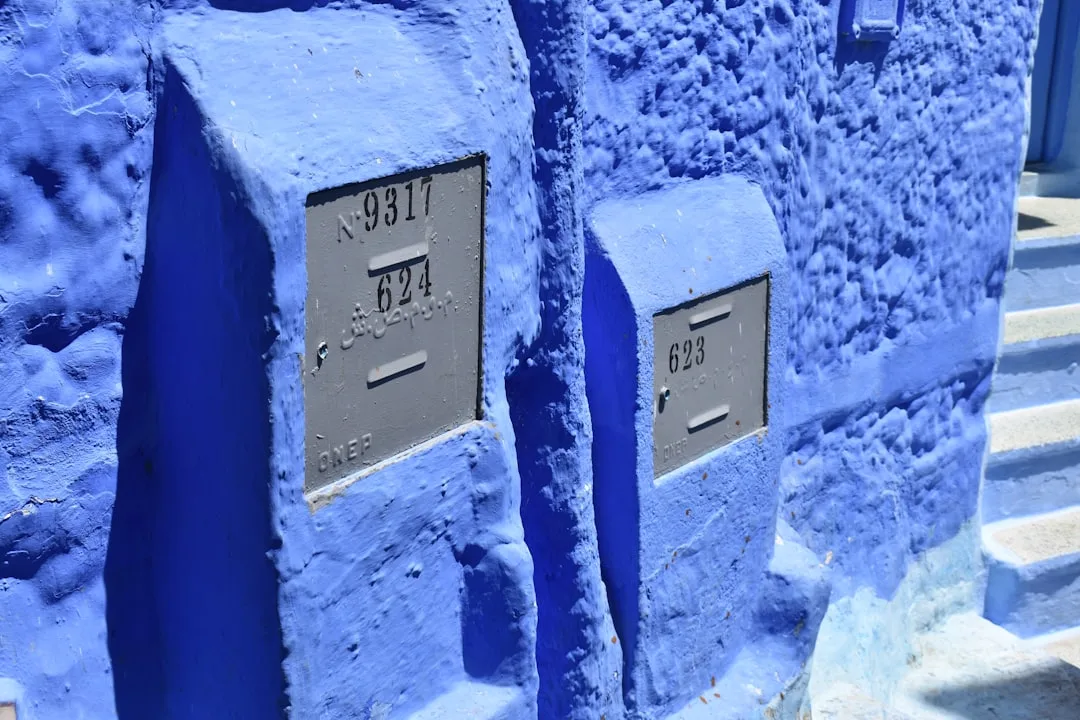
Numbers in Arabic present a surprisingly rich challenge even for learners who have mastered the basics of Arabic grammar. There are two numeral systems in use (the Arabic-Indic numerals used in the Arab world and the Western Arabic numerals used everywhere else), the number words involve one of the most counterintuitive grammatical rules in the entire language (reverse gender agreement), and the larger number system has its own vocabulary and structural patterns.
The numerals that the rest of the world calls "Arabic numerals" - the 0, 1, 2, 3, 4, 5, 6, 7, 8, 9 used in English and most international contexts - are actually derived from the Arabic-Indic numeral system but differ in shape from the numerals used in most Arab countries today.
The Arabic world predominantly uses Arabic-Indic numerals (٠١٢٣٤٥٦٧٨٩), which look different from the Western symbols. Both sets of symbols are taught and used in the Arab world, with Arabic-Indic numerals predominating in handwriting and in many printed Arabic texts from the Middle East.
Beyond the numeral symbols, the number words themselves (one through one thousand and beyond) are essential vocabulary for daily life: shopping, telling time, giving dates, stating ages, discussing quantities. These number words are where the true grammatical complexity lies, particularly in how numbers from three to ten behave contrary to every other part of Arabic grammar when it comes to gender agreement.
Arabic-Indic Numerals vs. Western Arabic Numerals
| Western | Arabic-Indic | Name in Arabic | Transliteration |
|---|---|---|---|
| 0 | ٠ | صِفْر | sifr |
| 1 | ١ | وَاحِد | waahid |
| 2 | ٢ | اثنان | ithnaani |
| 3 | ٣ | ثَلَاثَة | thalaatha |
| 4 | ٤ | أَرْبَعَة | arba'a |
| 5 | ٥ | خَمْسَة | khamsa |
| 6 | ٦ | سِتَّة | sitta |
| 7 | ٧ | سَبْعَة | sab'a |
| 8 | ٨ | ثَمَانِيَة | thamaaniya |
| 9 | ٩ | تِسْعَة | tis'a |
| 10 | ١٠ | عَشَرَة | ashara |
The Arabic-Indic numerals are written left-to-right within the right-to-left flow of Arabic text. Numbers in Arabic texts read in the direction of the numerals (left-to-right for the number itself), embedded within right-to-left sentences.
Note that the word for zero, صِفْر (sifr), is the origin of the English word "cipher" and the root of Italian "zero." Arabic mathematical contributions to the world - including the numeral system and the concept of zero - are reflected in vocabulary borrowed by European languages.
Arabic Number Words 1-10
The first critical fact about Arabic numbers: the numbers 3 through 10 use reverse gender agreement. This is called the rule of gender polarity or gender reversal.
In normal Arabic grammar, a masculine noun takes a masculine adjective. With numbers 3-10, the rule is the opposite: when counting masculine nouns, use the feminine form of the number (the form ending in ة); when counting feminine nouns, use the masculine form (without ة).
| Number | Masculine form | Feminine form | Notes |
|---|---|---|---|
| 1 | وَاحِد (waahid) | وَاحِدَة (waahida) | Regular agreement (1 agrees normally) |
| 2 | اثنان (ithnaani) | اثنتان (ithnataan) | Regular agreement (2 agrees normally) |
| 3 | ثَلَاثَة (thalaatha) | ثَلَاث (thalaath) | REVERSE: ثَلَاثَة with masc., ثَلَاث with fem. |
| 4 | أَرْبَعَة (arba'a) | أَرْبَع (arba') | REVERSE gender rule |
| 5 | خَمْسَة (khamsa) | خَمْس (khams) | REVERSE gender rule |
| 6 | سِتَّة (sitta) | سِتّ (sitt) | REVERSE gender rule |
| 7 | سَبْعَة (sab'a) | سَبْع (sab') | REVERSE gender rule |
| 8 | ثَمَانِيَة (thamaaniya) | ثَمَانِ (thamaani) | REVERSE gender rule |
| 9 | تِسْعَة (tis'a) | تِسْع (tis') | REVERSE gender rule |
| 10 | عَشَرَة (ashara) | عَشْر (ashr) | REVERSE gender rule |
Reverse Gender Rule in Practice
To count masculine nouns (e.g., كِتَاب - kitaab - book, masculine): use the form with ة
- ثَلَاثَةُ كُتُب (thalaathatu kutub) - three books
To count feminine nouns (e.g., مَدْرَسَة - madrasa - school, feminine): use the form WITHOUT ة
- ثَلَاثُ مَدَارِس (thalaathu madaaris) - three schools
More examples:
| Arabic | Transliteration | English |
|---|---|---|
| ثَلَاثَةُ رِجَال | thalaathatu rijaal | three men (men = masculine) |
| ثَلَاثُ نِسَاء | thalaathu nisaa' | three women (women = feminine) |
| خَمْسَةُ كُتُب | khamsatu kutub | five books (books = masculine) |
| خَمْسُ سَيَّارَات | khamsu sayyaaraat | five cars (cars = feminine) |
| سَبْعَةُ أَيَّام | sab'atu ayyaam | seven days (days = masculine) |
| عَشْرُ سَنَوَات | ashru sanawaat | ten years (years = feminine) |
Learning tip: The reverse gender rule is the single most counterintuitive feature of Arabic grammar. The mnemonic that many learners use: "Numbers 3-10 are contrarian - they agree opposite to what you expect." When you see a number followed by a masculine noun, the number has the feminine ة marker. When you see it followed by a feminine noun, the number has no ة. Accept the rule as-is and practice it with examples rather than trying to find logical justification.
Numbers 11-19
Numbers 11-19 have their own special forms and rules. The teens are compounds of the unit number and ten.
| Number | Arabic | Transliteration |
|---|---|---|
| 11 | أَحَدَ عَشَرَ | ahada ashara |
| 12 | اثنا عَشَرَ | ithnaa ashara |
| 13 | ثَلَاثَةَ عَشَرَ | thalaathata ashara |
| 14 | أَرْبَعَةَ عَشَرَ | arba'ata ashara |
| 15 | خَمْسَةَ عَشَرَ | khamsata ashara |
| 16 | سِتَّةَ عَشَرَ | sittata ashara |
| 17 | سَبْعَةَ عَشَرَ | sab'ata ashara |
| 18 | ثَمَانِيَةَ عَشَرَ | thamaaniyata ashara |
| 19 | تِسْعَةَ عَشَرَ | tis'ata ashara |
Important: Numbers 11 and 12 still show gender agreement (ahad ashara for masculine, ihdaa ashra for feminine in 11; ithnaani ashar / ithnataa ashrata for 12). Numbers 13-19 show the same gender reversal pattern as 3-10 for the unit part, but the عَشَرَ (ashara - ten) component also inflects.
The noun after numbers 11-99 appears in the singular accusative form (with tanwin fath if indefinite), unlike 3-10 which use the plural.
Numbers 20-1000
| Number | Arabic | Transliteration |
|---|---|---|
| 20 | عِشْرُون | ishruun |
| 21 | وَاحِدٌ وَعِشْرُون | waahidun wa-ishruun |
| 30 | ثَلَاثُون | thalaathuun |
| 40 | أَرْبَعُون | arba'uun |
| 50 | خَمْسُون | khamsuun |
| 60 | سِتُّون | sittuun |
| 70 | سَبْعُون | sab'uun |
| 80 | ثَمَانُون | thamaanuun |
| 90 | تِسْعُون | tis'uun |
| 100 | مِئَة | mi'a |
| 200 | مِئَتَان | mi'ataan |
| 300 | ثَلَاثُمِئَة | thalaathu mi'a |
| 400 | أَرْبَعُمِئَة | arba'u mi'a |
| 500 | خَمْسُمِئَة | khamsu mi'a |
| 1000 | أَلْف | alf |
| 2000 | أَلْفَان | alfaan |
| 3000 | ثَلَاثَةُ آلَاف | thalaathatu aalaaf |
Compound numbers (21, 35, 47, etc.) connect the units and tens with وَ (wa - and):
- وَاحِدٌ وَعِشْرُون (waahidun wa-ishruun) - twenty-one (literally "one and twenty")
- خَمْسَةٌ وَأَرْبَعُون (khamsatun wa-arba'uun) - forty-five
Note: Arabic counts from small to large in compound numbers below 100 - the unit comes before the decade, connected with "and." This is the opposite of English for numbers like 21 (one-and-twenty rather than twenty-one).
Ordinal Numbers
Ordinal numbers (first, second, third...) use a different pattern:
| Ordinal (Masc.) | Arabic | Ordinal (Fem.) | Arabic | English |
|---|---|---|---|---|
| أَوَّل | awwal | أُولَى | uulaa | first |
| ثَانٍ | thaanin | ثَانِيَة | thaaniya | second |
| ثَالِث | thaalith | ثَالِثَة | thaалitha | third |
| رَابِع | raabi' | رَابِعَة | raabi'a | fourth |
| خَامِس | khaamis | خَامِسَة | khaamisa | fifth |
| سَادِس | saadis | سَادِسَة | saadisa | sixth |
| سَابِع | saabi' | سَابِعَة | saabi'a | seventh |
| ثَامِن | thaamin | ثَامِنَة | thaamina | eighth |
| تَاسِع | taasi' | تَاسِعَة | taasi'a | ninth |
| عَاشِر | aashir | عَاشِرَة | aashira | tenth |
Example sentences:
- هَذِهِ الْمَرَّةُ الْأُولَى - hadhihi al-marratu al-uulaa - This is the first time.
- فِي الدَّوْرِ الثَّالِث - fii ad-dawr ath-thaalith - On the third floor.
- هُوَ الطَّالِبُ الْأَوَّل - huwa at-taalib al-awwal - He is the first student.
Telling Time in Arabic
Arabic time expressions use number vocabulary combined with the words for hour (سَاعَة - saaaa), minute (دَقِيقَة - daqiiqa), and half (نِصْف - nisf).
Hours
| Time | Arabic | Transliteration |
|---|---|---|
| 1:00 | السَّاعَةُ الْوَاحِدَة | as-saaatu al-waahida |
| 2:00 | السَّاعَةُ الثَّانِيَة | as-saaatu ath-thaaniya |
| 3:00 | السَّاعَةُ الثَّالِثَة | as-saaatu ath-thaalitha |
| 6:00 | السَّاعَةُ السَّادِسَة | as-saaatu as-saadisa |
| 12:00 | السَّاعَةُ الثَّانِيَةَ عَشَرَة | as-saaatu ath-thaaniyata ashara |
Time expressions use ordinal numbers for the hour (not cardinal numbers). The saaaa (hour/clock) is feminine, so the ordinals use feminine forms.
Minutes Past and To
- Past the hour: ...وَ (wa) + minutes
- السَّاعَةُ الثَّانِيَة وَعَشْر دَقَائِق - it is 2:10 (the second hour and ten minutes)
- Half past: ...وَنِصْف (wa-nisf)
- السَّاعَةُ الثَّالِثَة وَنِصْف - 3:30
- Quarter past: ...وَرُبْع (wa-rub')
- السَّاعَةُ الرَّابِعَة وَرُبْع - 4:15
- Quarter to: إِلَّا رُبْعاً (illaa rub'an) - literally "except a quarter"
- السَّاعَةُ الْخَامِسَة إِلَّا رُبْعاً - 4:45 (the fifth hour except a quarter)
Example Sentences with Numbers
| Arabic | Transliteration | English |
|---|---|---|
| عِنْدِي ثَلَاثَةُ كُتُب | indii thalaathatu kutub | I have three books. |
| اشتريت خَمْسَ تُفَّاحَات | ishtaraytu khamsa tuffaahaat | I bought five apples. |
| فِي الشَّارِعِ عَشَرَةُ بُيُوت | fii ash-shaari' asharu buyuut | There are ten houses on the street. |
| لَدَيَّ مِئَةُ دُولَار | ladayya mi'atu dulaar | I have one hundred dollars. |
| عُمْرُهُ ثَلَاثُون سَنَة | umruhu thalaathuun sana | He is thirty years old. |
| يَسْكُنُ فِي الطَّابِقِ الثَّالِث | yaskunu fii at-taabiq ath-thaalith | He lives on the third floor. |
| الرِّحْلَةُ سَاعَتَانِ | ar-rihla saaataan | The trip is two hours. |
| حَضَرَ مِئَةُ شَخْص | hadara mi'atu shakhs | One hundred people attended. |
| ثَمَنُهُ خَمْسَةَ عَشَرَ دِينَاراً | thamanuhu khamsata ashara dinaaran | Its price is fifteen dinars. |
| الِامْتِحَانُ فِي السَّاعَةِ التَّاسِعَة | al-imtihaan fii as-saaati at-taasi'a | The exam is at 9 o'clock. |
| اشْتَرَيْتُ سِتَّةَ عَشَرَ قَلَماً | ishtaraytu sittata ashara qalaman | I bought sixteen pens. |
| اجتمع أَرْبَعُون طَالِباً | ijtamaa arba'uun taaliban | Forty students gathered. |
Common Mistakes with Arabic Numbers
Applying normal gender agreement to numbers 3-10. This is the most common error, even among intermediate learners. The reverse rule is so counterintuitive that it requires active conscious attention for a long time. Seeing or hearing three-books as "thalaatha kutub" (without ة on the number, because kutub is masculine plural) is wrong - it must be "thalaathatu kutub" (with ة despite the masculine noun).
Using plural nouns after all numbers. Numbers 3-10 require plural nouns. Numbers 11 and above require singular nouns. Saying "khamsa tullaabin" (five students) uses tullaabin (plural) correctly for 5; but saying "khamsat ashara tullaabin" (fifteen students) is wrong - it should be "taaliban" (singular accusative).
Confusing Arabic-Indic and Western numerals. When reading Arabic texts, Arabic-Indic numerals (٣, ٧, ٨) look different from Western numerals (3, 7, 8) and can cause misreading. The most commonly confused: Arabic ٤ (4) looks like a backwards 3; Arabic ٥ (5) looks like a circle with a circle; Arabic ٦ (6) looks like a 7.
Stating time using cardinal instead of ordinal numbers. "It is 3 o'clock" uses the ordinal (ath-thaalitha - the third) not the cardinal (thalaatha - three). Saying "as-saaatu thalaatha" instead of "as-saaatu ath-thaalitha" is a clear grammatical error.
Quick Reference: Numbers Cheat Sheet
Arabic-Indic numerals: ٠ ١ ٢ ٣ ٤ ٥ ٦ ٧ ٨ ٩ (used in most Arab countries)
Reverse gender rule (3-10): masculine noun gets feminine-form number (with ة); feminine noun gets masculine-form number (without ة)
1 and 2: normal gender agreement
Compound numbers (21, 35...): units + وَ (and) + decades (one-and-twenty)
Ordinal numbers: use for clock time and rankings; agree in gender with the noun
Plural vs. singular: 3-10 take plural noun; 11+ take singular accusative noun
Frequently Asked Questions
Why do Arabic numbers 3-10 have reverse gender agreement? The reverse gender rule is a feature of ancient Semitic grammar preserved in Arabic. Historical linguists believe it reflects an original system where the ة ending marked a different grammatical category than feminine gender - but in modern Arabic, it functions as a notable exception to the general gender agreement rules. There is no simple logical justification; it must be memorized.
Which numeral system should I learn first? Both are necessary. For reading Arabic texts from the Middle East, Arabic-Indic numerals are essential. For international contexts and Western publications about Arabic, Western Arabic numerals are used. Learn to recognize and read Arabic-Indic numerals as soon as you start reading Arabic text.
How does Arabic handle very large numbers? Beyond one thousand (أَلْف - alf), Arabic uses مِلْيُون (milyuun - million) and مِلْيَار (milyaar - billion). These are modern borrowings. Traditional large numbers include أَلْف (1,000), عَشَرَة آلَاف (10,000), مِئَة أَلْف (100,000), and مِلْيُون (1,000,000).
Are the gender rules for numbers consistent across all Arabic dialects? The rules described here are for Modern Standard Arabic. In colloquial Arabic dialects, the reverse gender rule for numbers is often simplified or inconsistently applied. For formal Arabic literacy, the full rule system applies.
What is the easiest way to memorize the reverse gender rule? Practice with concrete noun pairs. Choose ten common masculine nouns and ten common feminine nouns, then drill "three [noun]" for each, always checking whether the noun's gender requires the form with or without ة. Seeing the rule in action with real vocabulary is more effective than studying the rule in the abstract.
Conclusion and Next Steps
Arabic numbers combine vocabulary learning with some of the most grammatically interesting rules in the language. The reverse gender agreement for numbers 3-10, the different noun case requirements for different number ranges, and the dual numeral systems all make Arabic numbers a topic that deserves dedicated study rather than quick memorization.
After mastering the material in this guide, continue with:
- Fractions in Arabic (nisf - half, thulth - third, rub' - quarter) and their grammar
- Mathematical expressions and operations in Arabic
- Dates using the Islamic (Hijri) calendar alongside the Gregorian calendar
- Prices and shopping vocabulary, which combine number grammar with practical contexts
- Large quantities and collective nouns, which interact with the number system
Numbers are essential for virtually every real-world interaction in Arabic - from shopping and making appointments to reading news about statistics and historical dates. Every hour spent drilling Arabic number forms directly improves practical language ability.
Frequently Asked Questions
Why do Arabic numbers 3-10 have reverse gender agreement?
The reverse gender rule is a feature of ancient Semitic grammar preserved in Arabic. It reflects an original grammatical system that differs from standard gender agreement. There is no simple logical justification; it must be memorized and practiced with real noun examples.
Which numeral system should I learn first?
Both are necessary. For reading Arabic texts from the Middle East, Arabic-Indic numerals are essential. For international contexts, Western Arabic numerals are used. Learn to recognize Arabic-Indic numerals as soon as you start reading Arabic text.
How does Arabic handle very large numbers?
Beyond one thousand (alf), Arabic uses milyuun (million) and milyaar (billion). Traditional large numbers include alf (1000), asharat aalaaf (10,000), mi’at alf (100,000), and milyuun (1,000,000).
Are the gender rules for numbers consistent across all Arabic dialects?
The rules described here are for Modern Standard Arabic. In colloquial Arabic dialects, the reverse gender rule for numbers is often simplified or inconsistently applied. For formal Arabic literacy, the full rule system applies.
What is the easiest way to memorize the reverse gender rule?
Practice with concrete noun pairs. Choose ten common masculine nouns and ten common feminine nouns, then drill counting three of each, always checking whether the noun’s gender requires the number form with or without ta marbuta.