Bengali grammar and vocabulary explained: guides, references, and examples for learners at every level.

Bengali body parts (matha, hat, pa, chokh, mukh), medical vocabulary (ḍakṭar, hashpatal, oshudh, jwôr), symptoms, pharmacy phrases, and emergency expressions.

Bengali dialect reference: Bangladesh vs West Bengal varieties, cholit vs shadhu bhasha, Sylheti and Chittagonian, Hindu and Muslim vocabulary.

Essential Bengali phrases: Nomoshkar and Salam greetings, Ki khobor, Dhonnobad, directions, shopping, food vocabulary with script and transliteration.

Bengali colors (lal, nil, shôbuj, hôlud, kalo, shada) and descriptive adjectives without gender agreement, plus comparatives, definiteness, and cultural color meanings.
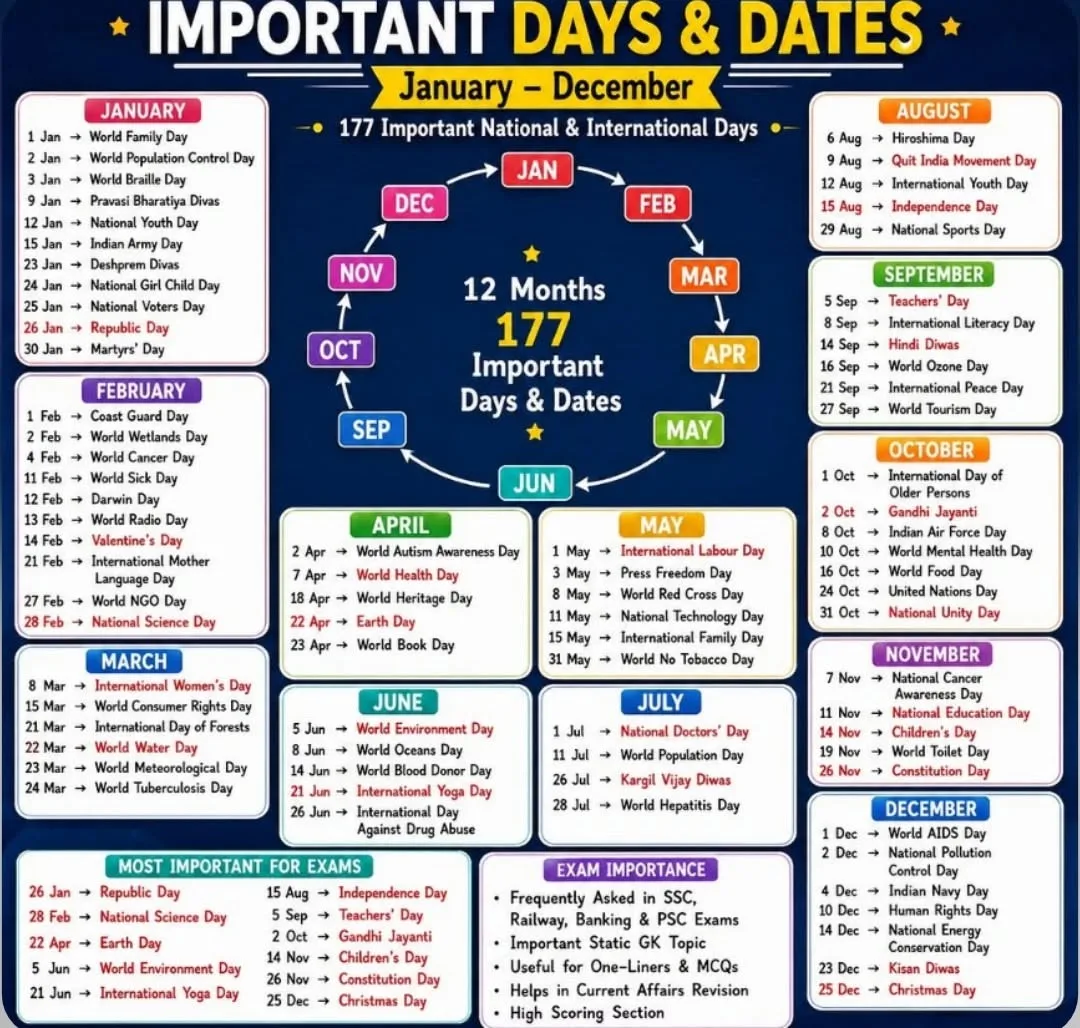
Bengali days of the week, Gregorian and traditional Bengali calendar months (Boishakh, Ashaṛh, Poush), Pohela Boishakh New Year, and time expressions including the kal puzzle.

Master Bengali honorifics: the three politeness levels tui, tumi, and apni with matching verb endings, when to use each, and cultural context.

Complete Bengali kinship vocabulary: paternal vs maternal grandparents, uncles, aunts, cousins, in-laws (shwoshur, shashuri), with respect levels and forms of address.

Complete Bengali numbers guide: 0 to 1000, Bengali numeral script, lakh and crore system, compound numbers, ordinals, and fractional expressions.

Master Bengali postpositions: case suffixes te, er, ke, theke, diye placed after nouns, with comparison to English prepositions and full usage examples.

Comprehensive Bengali food vocabulary: rice, fish, lentils, sweets, restaurant phrases, cooking verbs, and West Bengal vs Bangladesh culinary differences.

Bengali poetic vocabulary including Rabindra Sangeet (Tagore's 2,232 songs), Nazrul Geeti, prem maya akash surjo, Vaishnava tradition, and the language of Bengali poetry.

Complete Bengali pronoun reference: personal pronouns at three honorific levels, possessives, reflexives, demonstratives, and relative pronouns.
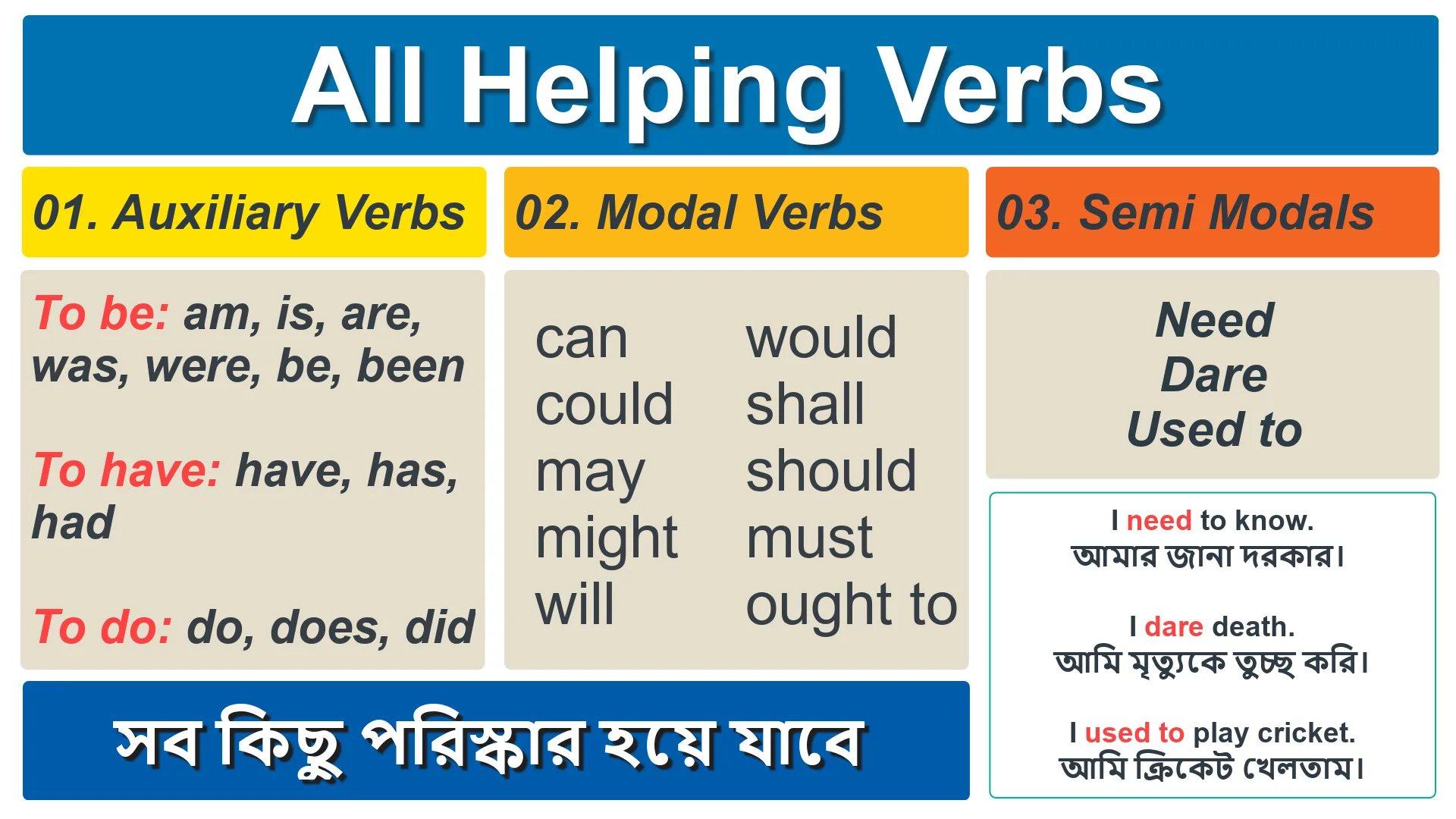
Bengali most common verbs (hôwa, kôra, jaowa, asha, khaowa, bôla, dêkha) with present, past, future conjugations across three honorific levels and sample sentences.

Master Bengali pronunciation: the inherent vowel ô, schwa deletion, retroflex vs dental consonants, aspiration, and the missing v and z sounds.

Master the Bengali alphabet (Eastern Nagari) with all 11 vowels, 39 consonants, conjunct letters, matra rules, and distinctive features versus Devanagari.

Essential Bengali travel phrases for airports, hotels, rickshaws, Kolkata, Dhaka, Sundarbans tourism, and emergencies, with script and transliteration.

Bengali literature reference: Rabindranath Tagore's 1913 Nobel Prize, Bankim Chandra, Nazrul Islam, Rabindra sangeet vocabulary, and poetic tradition.

Bengali six seasons (grishmo, bôrsha, shôrôt, hemônto, shit, bôshonto), weather vocabulary, monsoon culture, flowers, animals, and rivers with cultural context.
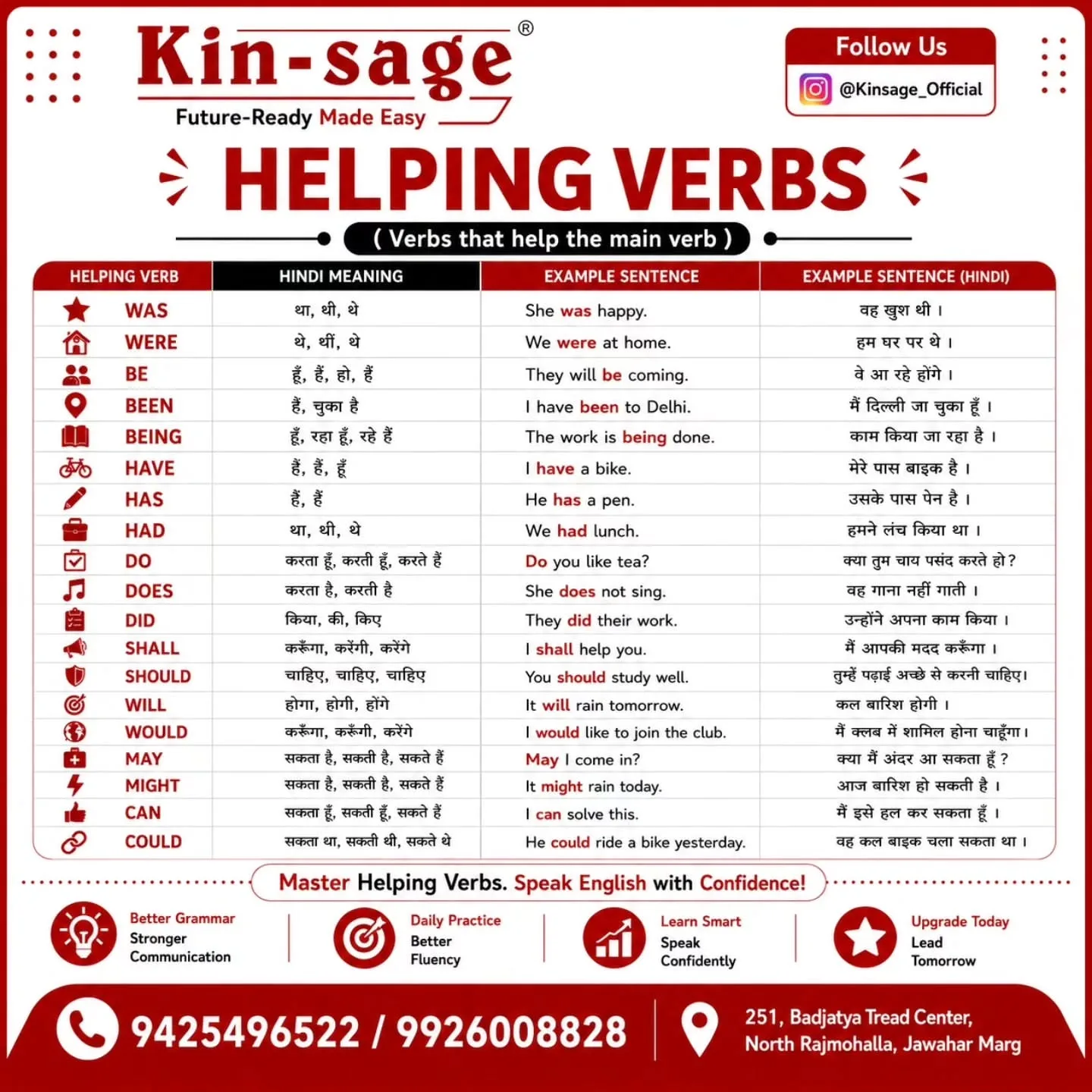
Complete Bengali verb conjugation guide: present, past, future, conditional, continuous, and perfect tenses with honorific-level agreement patterns.
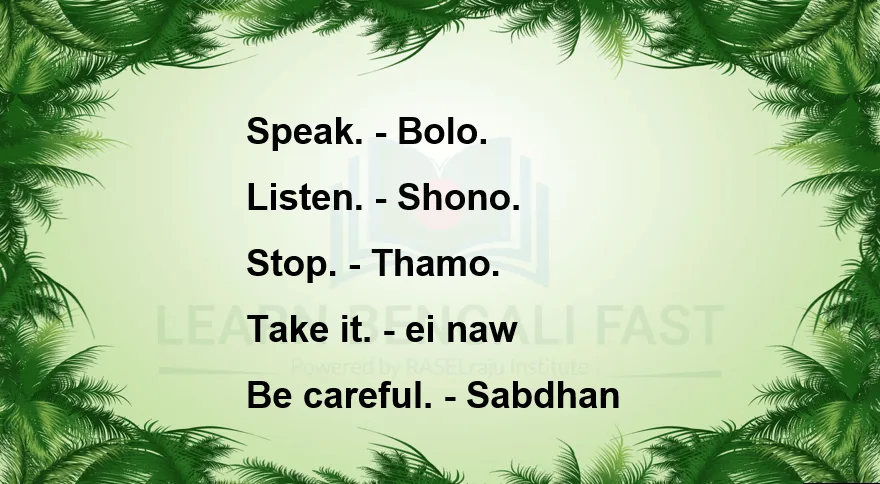
Over 100 essential Bengali phrases with script and transliteration: greetings, politeness, shopping, food, emergencies, and farewells for travelers and learners.
Bengali is written in the Eastern Nagari script, shared with Assamese. It runs left to right and hangs letters from a horizontal headstroke called the matra. The script is a syllabic alphabet: each consonant carries an inherent vowel that is modified by diacritics placed above, below, before, or after the letter.
Bengali distinguishes three levels of politeness in its pronouns and verb endings: intimate, familiar, and formal. The level you choose changes both the pronoun and the verb conjugation, so it is grammatical rather than optional. Getting the level right matters more in Bengali than tone of voice does in English.
The two share a written standard but differ in everyday speech. Bangladeshi Bengali uses more Perso-Arabic vocabulary and distinct pronunciation, while West Bengal Bengali draws more on Sanskrit-derived words. Speakers understand each other without difficulty; the differences are comparable to British and American English.