
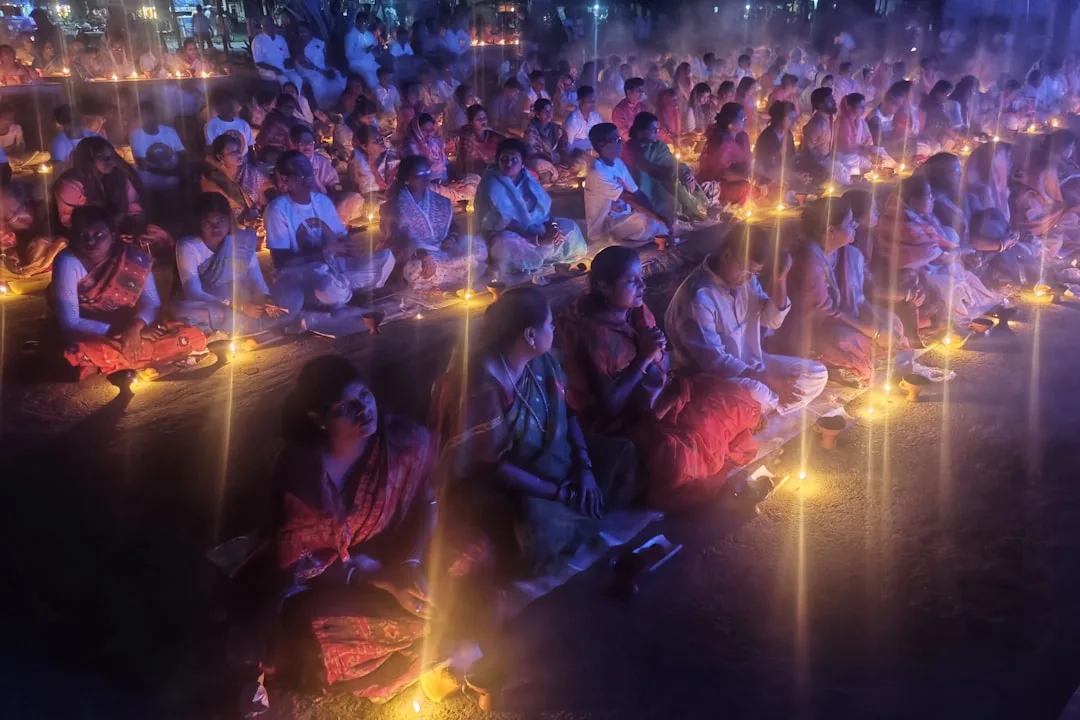
Travel through the Bengali-speaking regions of South Asia, encompassing the Indian state of West Bengal and the sovereign nation of Bangladesh, presents a rich linguistic challenge to the visitor.
The two regions together host roughly 270 million native speakers of বাংলা Bangla, a single Indo-Aryan language whose written and standard spoken forms are essentially unified across the international border.
A traveler equipped with a working set of phrases can navigate Kolkata's Howrah railway terminal, negotiate fare with a Dhaka rickshaw puller, board a launch into the Sundarbans mangrove forests, and handle medical or police emergencies without dependence on English-speaking intermediaries.
This reference assembles travel-specific Bengali vocabulary in the order in which a typical journey unfolds: arrival, transport, accommodation, navigation, sightseeing, and emergencies.
The phrases below are presented in three columns: Bengali script (বাংলা হরফ Bangla hôroph), a Romanized transliteration reflecting modern pronunciation, and an English translation. Where regional differences exist, both the West Bengal and Bangladesh forms are noted.
Travel phrases tend to use the আপনি apni respectful register because they overwhelmingly involve interaction with strangers, service workers, and officials. For deeper background on this register and on the three-level Bengali politeness system, see the Bengali Honorifics reference.
A practical note before beginning. Both Kolkata and Dhaka are cities where English is widely understood by educated speakers, taxi dispatchers at airport counters, mid-range and upscale hotel staff, and most tourist-facing personnel.
Outside these urban cores, especially in rural West Bengal, in eastern Bangladesh, and in the Sundarbans region, English fluency drops sharply and Bengali becomes essential. The phrases here are calibrated for the latter context, where the traveler genuinely needs to operate in the local language.
Airport Arrival and Immigration
Both major Bengali-speaking cities have busy international airports: Netaji Subhas Chandra Bose International in Kolkata and Hazrat Shahjalal International in Dhaka. Immigration and customs formalities are conducted in English at both, but the moment a traveler steps outside the secure zone, Bengali becomes useful.
Pre-paid taxi counters, ride-share pickup zones, and local information desks operate in a mix of Bengali and English, with Bengali dominating the further out from the terminal one moves.
| Bengali | Transliteration | English |
|---|---|---|
| বিমানবন্দর | Bimanbôndor | Airport |
| বহির্গমন | Bôhirgôman | Departure |
| আগমন | Agômon | Arrival |
| অভিবাসন | Ôbhibashôn | Immigration |
| পাসপোর্ট | Paspôrṭ | Passport |
| ভিসা | Bhisa | Visa |
| ব্যাগেজ ক্লেইম | Bêgej kleim | Baggage claim |
| ট্যাক্সি কোথায়? | Ṭêksi kothay? | Where is the taxi? |
| প্রিপেইড ট্যাক্সি | Prepeid ṭêksi | Prepaid taxi |
| টোকেন কোথায় পাব? | Ṭoken kothay pabo? | Where do I get the token? |
| শহরে যেতে কত সময়? | Shôhôre jete kôto shômôy? | How long to the city? |
| লাগেজ হারিয়ে গেছে | Lagej hariye gechhe | The luggage is lost |
| এই ব্যাগ আমার | Ei bêg amar | This bag is mine |
| বিনিময় কেন্দ্র | Binimôy kendro | Currency exchange |
| এটিএম কোথায়? | Êṭiem kothay? | Where is the ATM? |
| সিম কার্ড কোথায় কিনব? | Sim karḍ kothay kinbo? | Where to buy a SIM card? |
Both airports have prepaid taxi booths where travelers pay a fixed fare for a known destination, eliminating the haggling that would otherwise occur. In Kolkata, the yellow Ambassador taxis and the newer fleet of metered hatchbacks both serve airport pickup. In Dhaka, the airport taxi system is supplemented by ride-share apps including Pathao and Uber, which both operate in Bengali-language interfaces.
Hotels and Accommodation
The accommodation vocabulary is largely shared between West Bengal and Bangladesh. Hotels in both regions range from luxury international chains to modest neighborhood lodges (লজ lôj) and guesthouses (অতিথিভবন ôtithibhôbon). Traditional pilgrim hostels (ধর্মশালা dhôrmoshala) still exist near religious sites and are a budget option for travelers comfortable with shared facilities.
| Bengali | Transliteration | English |
|---|---|---|
| হোটেল | Hoṭel | Hotel |
| লজ | Lôj | Lodge |
| গেস্ট হাউস | Gesṭ haus | Guest house |
| রিসেপশন | Risepshôn | Reception |
| একটি ঘর চাই | Êkṭi ghôr chai | I want one room |
| একদিনের জন্য | Êkdiner jônno | For one day |
| তিন রাতের জন্য | Tin rater jônno | For three nights |
| একক বিছানা | Êkok bichhana | Single bed |
| ডবল বিছানা | Ḍôbol bichhana | Double bed |
| শীতাতপ নিয়ন্ত্রিত | Shitatôp niyontrito | Air-conditioned |
| ভাড়া কত? | Bhaṛa kôto? | What is the rent? |
| ওয়াইফাই আছে? | Wai-phai achhe? | Is there Wi-Fi? |
| গরম জল | Gôrom jôl | Hot water |
| তোয়ালে দিন | Ṭowale din | Give a towel please |
| চাবি | Chabi | Key |
| চেক ইন | Chek in | Check in |
| চেক আউট | Chek auṭ | Check out |
| বিল | Bil | Bill |
A peculiarity of Bangladeshi hotel registration is that foreigners are typically required to fill out a Form C with passport and visa details, which is then sent to local police. This is administrative routine, not suspicion. In West Bengal, Indian hotels register foreigners through Form C as well, with the same procedure.
Bengali landlords and hotel staff often inquire warmly about the traveler's family, country, and impressions of the country. These questions are not interrogation but cultural hospitality. A short, friendly response opens doors that strict transactional behavior closes.
Rickshaws, Autos, Taxis, and Buses
Urban transport in Bengali-speaking cities involves a layered ecosystem. Hand-pulled rickshaws (টানা রিকশা ṭana riksha) still operate in central Kolkata, the only major city in the world where this is true, though they are being phased out. Cycle rickshaws (সাইকেল রিকশা saikel riksha) dominate small-town streets. Auto rickshaws (অটো oṭo) handle short urban hops. Taxis, app-based ride-shares, and the public bus systems of both cities round out the options.
| Bengali | Transliteration | English |
|---|---|---|
| রিকশা | Riksha | Rickshaw |
| অটো | Oṭo | Auto rickshaw |
| ট্যাক্সি | Ṭêksi | Taxi |
| বাস | Bash | Bus |
| ট্রেন | Ṭren | Train |
| মেট্রো | Meṭro | Metro |
| লঞ্চ | Lônch | Launch / river boat |
| কোথায় যাবেন? | Kothay jaben? | Where will you go? (driver) |
| আমি ... যাব | Ami ... jabo | I will go to ... |
| ভাড়া কত? | Bhaṛa kôto? | What is the fare? |
| মিটারে যাবেন? | Miṭare jaben? | Will you go by meter? |
| একটু দাঁড়ান | Êkṭu daṛan | Wait a moment |
| বামে যান | Bame jan | Turn left |
| ডানে যান | Ḍane jan | Turn right |
| সোজা যান | Shoja jan | Go straight |
| এখানে থামুন | Êkhane thamun | Stop here |
| কত দূর? | Kôto dur? | How far? |
| টিকিট কোথায় পাব? | Ṭikiṭ kothay pabo? | Where do I get a ticket? |
| পরের স্টপ কোথায়? | Pôrer sṭôp kothay? | Where is the next stop? |
In Kolkata, the metro system uses Bengali as its primary signage language alongside English and Hindi, and station announcements are bilingual. The Howrah, Sealdah, and the newer Kolkata Metro East-West line connect the major districts. In Dhaka, the metro network has expanded recently, with Line 6 operational and additional lines under construction, and signage is in Bengali and English.
Navigating Kolkata
Kolkata, the cultural capital of Bengali civilization, is a city of distinct neighborhoods (পাড়া paṛa), each with its own character. The vocabulary of urban navigation is straightforward, but the city's geographic structure rewards a few specific terms.
| Bengali | Transliteration | English |
|---|---|---|
| ধর্মতলা | Dhôrmotôla | Esplanade central area |
| পার্ক স্ট্রিট | Park sṭriṭ | Park Street |
| হাওড়া স্টেশন | Haoṛa steshôn | Howrah railway station |
| শিয়ালদহ | Shialdaho | Sealdah railway station |
| কালীঘাট | Kalighaṭ | Kalighat temple |
| ভিক্টোরিয়া | Bhikṭoria | Victoria Memorial |
| বিধান সরণি | Bidhan shôroni | College Street area |
| গড়িয়াহাট | Gôriahaṭ | Gariahat market |
| নিউ মার্কেট | Niu markeṭ | New Market |
| পাড়া | Paṛa | Neighborhood |
| বাজার | Bajar | Market |
| গলি | Gôli | Lane |
| মোড় | Moṛ | Crossing, intersection |
The expression কোন পাড়া? Kon paṛa? (Which neighborhood?) is one of the first questions a Kolkata resident will ask a stranger, and the answer carries social and cultural weight. Park Street and Camac Street suggest Anglo-Bengali sophistication; North Kolkata neighborhoods like Shobhabazar suggest Bengali-traditional roots; Salt Lake suggests middle-class modernity.
Navigating Dhaka
Dhaka, the capital of Bangladesh, is geographically larger and traffically denser than Kolkata. Its district structure was shaped by Mughal-era origins in Old Dhaka (পুরান ঢাকা Puran Ḍhaka), British-era colonial development in Ramna and Dhanmondi, and post-independence expansion in Gulshan, Banani, and Uttara.
| Bengali | Transliteration | English |
|---|---|---|
| পুরান ঢাকা | Puran Ḍhaka | Old Dhaka |
| গুলশান | Gulshan | Gulshan diplomatic enclave |
| বনানী | Banani | Banani neighborhood |
| ধানমন্ডি | Dhanmonḍi | Dhanmondi |
| উত্তরা | Uttôra | Uttara |
| লালবাগ কেল্লা | Lalbag kella | Lalbagh Fort |
| সদরঘাট | Sôdorghaṭ | Sadarghat river port |
| কমলাপুর | Kômlapur | Kamalapur railway station |
| শাহবাগ | Shahbag | Shahbagh intersection |
| জাতীয় সংসদ | Jatiyo shôngshôd | National Parliament |
| সংসদ ভবন | Shôngshôd bhôbon | Parliament building |
| বঙ্গবন্ধু সেতু | Bôngobôndhu shetu | Jamuna Bridge |
Sadarghat, the river port on the Buriganga, is the embarkation point for the iconic overnight launches (লঞ্চ lônch) that ferry passengers to Barisal and other delta cities. Boarding a launch and watching Dhaka recede in the dusk is a quintessential Bangladeshi travel experience and uses a vocabulary of port, ticket, deck class, and cabin that is worth a separate study.
Sundarbans and Eco-Tourism
The Sundarbans (সুন্দরবন Shundôrbôn), the world's largest contiguous mangrove forest, straddles the West Bengal-Bangladesh border at the mouth of the Ganges-Brahmaputra delta. Both countries operate national parks within their share of the forest, and both run guided launch tours into the wildlife zones. Sundarbans tourism vocabulary includes specific terms for the ecosystem.
| Bengali | Transliteration | English |
|---|---|---|
| সুন্দরবন | Shundôrbôn | Sundarbans |
| ম্যানগ্রোভ | Mêngrôbh | Mangrove |
| বাঘ | Bagh | Tiger |
| রয়েল বেঙ্গল টাইগার | Rôyel benggôl ṭaigar | Royal Bengal Tiger |
| কুমির | Kumir | Crocodile |
| হরিণ | Hôrin | Deer |
| পাখি | Pakhi | Bird |
| লঞ্চ ভ্রমণ | Lônch bhrômôn | Launch tour |
| গাইড | Gaiḍ | Guide |
| অনুমতিপত্র | Ônumotipôtro | Permit |
| বনরক্ষী | Bônôrokkhi | Forest guard |
| জলপথ | Jôlpôth | Waterway |
| জোয়ার | Joar | Tide (high) |
| ভাটা | Bhaṭa | Tide (low) |
| নদী | Nôdi | River |
| বনে ঢুকতে অনুমতি | Bône ḍhukte ônumoti | Permission to enter forest |
Visitors should know that Sundarbans entry requires a permit obtained either through the West Bengal Forest Department (for Sajnekhali, Sudhanyakhali, and other Indian-side zones) or the Bangladesh Forest Department (for Karamjal, Hiron Point, Katka). Independent entry without a registered guide is forbidden and dangerous; the tigers are real and the swamps tidal.
The Sundarbans tigers swim. Unlike the more familiar inland tiger populations of central India, these animals routinely cross channels and are documented to attack boats. The forest guards' vocabulary of warning is pragmatic, and tourist boats keep close to mangrove banks during morning and evening movements.
Money, Bargaining, and Markets
Bargaining (দামাদামি damadami) is normal in markets, with rickshaw drivers, and at street stalls. It is not normal in fixed-price stores, supermarkets, or upscale restaurants. The line is usually clear, but if uncertain, a polite inquiry about whether the price is fixed (দাম ফিক্সড? Dam phiksḍ?) clarifies.
| Bengali | Transliteration | English |
|---|---|---|
| টাকা | Ṭaka | Rupee / taka |
| দাম কত? | Dam kôto? | What is the price? |
| খুব বেশি | Khub beshi | Too much |
| একটু কম করুন | Êkṭu kôm korun | Reduce a little please |
| শেষ দাম কত? | Shesh dam kôto? | What is the final price? |
| বেশি দিতে পারব না | Beshi dite parbo na | I cannot give more |
| ঠিক আছে | Ṭhik achhe | Alright |
| এটা দিন | Êṭa din | Give this one |
| ভাঙতি আছে? | Bhangti achhe? | Do you have change? |
| খুচরো | Khuchro | Coins, small change |
| নোট | Noṭ | Banknote |
| ক্যাশ | Kêsh | Cash |
| কার্ড চলবে? | Karḍ chôlbe? | Does card work here? |
In West Bengal, Indian Rupees are the currency. In Bangladesh, the Bangladeshi Taka (টাকা ṭaka) is used. The Bengali word টাকা ṭaka serves for both currencies in conversational use, although technically in West Bengal one might say রুপি rupi for the Indian Rupee. Cards are accepted in upscale venues but cash dominates in markets, transport, and street food.
Emergencies, Police, and Medical
A traveler may go years without needing emergency vocabulary, but the day it is needed it must be available immediately. The following set is the absolute priority.
| Bengali | Transliteration | English |
|---|---|---|
| সাহায্য করুন! | Shahajjo korun! | Please help! |
| বাঁচান! | Banchan! | Save me! |
| পুলিশ ডাকুন | Pulish ḍakun | Call the police |
| অ্যাম্বুলেন্স | Êmbulens | Ambulance |
| হাসপাতাল কোথায়? | Hashpatal kothay? | Where is the hospital? |
| ডাক্তার | Ḍakṭar | Doctor |
| জরুরি | Jôruri | Urgent |
| আমি অসুস্থ | Ami ôshushtho | I am ill |
| ব্যথা হচ্ছে | Bêtha hôchchhe | It is hurting |
| চুরি হয়েছে | Churi hôyechhe | There has been a theft |
| পাসপোর্ট হারিয়েছে | Paspôrṭ hariyechhe | The passport is lost |
| দূতাবাস | Dutabash | Embassy |
| কনসাল | Kônshal | Consulate |
| আমি ইংরেজি জানি | Ami ingreji jani | I know English |
| ইংরেজি জানা কেউ আছে? | Ingreji jana keu achhe? | Is there someone who knows English? |
| আগুন! | Agun! | Fire! |
| সাবধান! | Shabdhan! | Watch out! |
For detailed medical vocabulary including symptoms, body parts, and pharmacy interactions, see the Bengali Body Parts and Medical Vocabulary reference. The Indian emergency number is 112; the Bangladeshi is 999. Both work for police, fire, and ambulance.
Sightseeing and Cultural Phrases
Bengal's cultural landscape includes ancient temples, colonial-era architecture, Mughal palaces, riverine fort complexes, and modern museums. Sightseeing vocabulary includes terms for the categories of sites and the actions of visiting.
| Bengali | Transliteration | English |
|---|---|---|
| মন্দির | Môndir | Temple |
| মসজিদ | Môsjid | Mosque |
| গির্জা | Girja | Church |
| জাদুঘর | Jadughôr | Museum |
| গ্যালারি | Gêlari | Gallery |
| প্রাসাদ | Prashad | Palace |
| দুর্গ | Durgô | Fort |
| পার্ক | Park | Park |
| টিকিট | Ṭikiṭ | Ticket |
| প্রবেশ মূল্য | Prôbesh mullo | Entry fee |
| ছবি তুলতে পারি? | Chhôbi tulte pari? | May I take a photo? |
| কখন বন্ধ হয়? | Kôkhon bôndho hôy? | When does it close? |
| কখন খোলে? | Kôkhon khole? | When does it open? |
| গাইড পাওয়া যায়? | Gaiḍ paowa jay? | Are guides available? |
| মানচিত্র | Manchitro | Map |
Photography rules at religious sites vary. Most Hindu temples permit exterior photography but forbid it inside the sanctum (গর্ভগৃহ gôrbhogriho). Mosques commonly forbid photography during prayer hours. Asking permission with ছবি তুলতে পারি? Chhôbi tulte pari? is the universal courtesy.
Common Mistakes English Speakers Make
Calling every two-wheeler a rickshaw. The vocabulary is specific: রিকশা riksha is the cycle or hand-pulled three-wheeler with a pulled passenger seat; অটো oṭo is the motorized auto rickshaw; স্কুটার skuṭar is a private moped. Asking a moped driver for a rickshaw ride confuses the transaction.
Confusing the West Bengal and Bangladesh fare expectations. Kolkata fares for autos and metered taxis are mostly fixed by tariff, with surge multiplied evening rates. Dhaka rickshaw fares are nearly always negotiated. Approaching Kolkata transport with Dhaka-style bargaining frustrates drivers; approaching Dhaka transport assuming a meter overpays.
Not learning the difference between launch (লঞ্চ lônch) and boat (নৌকা nouka). A launch is a multi-deck passenger ferry running scheduled routes between cities; a nouka is a small wooden boat for short crossings. The two cannot be substituted in conversation.
Failing to specify the destination clearly. Bengali drivers often ask কোথায় যাবেন? Kothay jaben? in a rapid clipped form, and a vague gestural reply produces a vague drive. Naming the specific neighborhood (পাড়া paṛa) and a known landmark within it is the standard format.
Overusing English in tourist Bengal. While English is widely spoken, defaulting to it in markets, with rickshaw drivers, and in small towns can either reduce the local-rate price advantage available to visible Bengali speakers or simply produce blank confusion in non-English-speaking neighborhoods.
Asking "can you speak English" rather than "is there someone who knows English." The phrase ইংরেজি জানা কেউ আছে? Ingreji jana keu achhe? (Is there someone who knows English?) is more useful in a multi-person context like a shop or office, where it locates the English-speaker without putting the addressed person on the spot.
Skipping permits for the Sundarbans. Both Indian and Bangladeshi sides require advance permits, registered guides, and group bookings through licensed operators. Trying to enter without these is illegal, dangerous, and not worth the risk.
Quick Reference
The travel-essential phrase set: কোথায় kothay (where), কত kôto (how much), যাব jabo (will go), দাম dam (price), টিকিট ṭikiṭ (ticket), হোটেল hoṭel (hotel), ঘর ghôr (room), সাহায্য shahajjo (help), হাসপাতাল hashpatal (hospital), পুলিশ pulish (police), পাসপোর্ট paspôrṭ (passport), and the verbs যাওয়া jaowa (to go), আসা asha (to come), দেখা dêkha (to see), and কেনা kena (to buy).
Defaults: bargain in markets and with rickshaw drivers, not in supermarkets or restaurants. Use prepaid taxi counters at airports. Carry small change for autos and rickshaws. Dress modestly at religious sites. Ask permission before photographing people. Save 112 (India) or 999 (Bangladesh) as emergency contact. Use জল jôl in West Bengal and পানি pani in Bangladesh.
Frequently Asked Questions
Is it safe to travel as a solo woman in Bengali-speaking regions?
Both Kolkata and Dhaka are reasonably safe by South Asian standards for solo women travelers exercising standard precautions: dressing modestly, avoiding empty streets at night, using ride-share apps rather than flagging random taxis. Rural West Bengal and rural Bangladesh require greater caution, ideally with a local contact or guided tour.
Do I need to bargain everywhere?
No. Bargaining is normal in vegetable markets, with rickshaw and auto drivers, at street stalls and at non-fixed-price clothing markets. It is not normal in supermarkets, malls, fixed-price retail, restaurants, or hotels. When in doubt, ask দাম ফিক্সড? Dam phiksḍ? (Is the price fixed?) and proceed accordingly.
How does Sundarbans tourism work?
Visitors must enter through licensed operators with registered guides; independent entry is illegal. The Indian side is accessed via Godkhali jetty near Canning; the Bangladeshi side via Mongla port. Tours typically run two to three days on guided launches with stops at watchtowers and visitor centers. Tigers are sighted only by lucky travelers, but crocodiles, deer, and birds are routinely visible.
Should I tip in Bengali-speaking regions?
Tip ten percent in upscale Kolkata and Dhaka restaurants if no service charge is included. Round up rickshaw and auto fares as a courtesy. Tip hotel porters small amounts. Street food vendors generally do not expect tips. Sundarbans guides and launch crews appreciate tips at the end of multi-day tours.
What is the best time to visit?
October through March is the cool dry season, by far the best for travel. April and May are pre-monsoon hot. June through September is monsoon, with heavy rainfall, lush landscapes, and disrupted transport. The famous Bengal monsoon culture is best experienced from a fixed base rather than during multi-city travel.
Can I drink the tap water?
In Kolkata and Dhaka, no. Bottled water is universal in tourist contexts, and urban Bengali residents themselves rarely drink unfiltered tap water. Filtered water served in homes and restaurants is generally safe. Outside cities, stick to bottled or properly boiled water.
Is the Bengali traveler experience different from generic Indian or South Asian travel?
Yes. Bengali culture's emphasis on hospitality, conversation, food, and literary reference produces a travel experience richer in social interaction than is typical elsewhere in South Asia. Expect lengthy chats with hotel staff, unsolicited recommendations from strangers, and probing but warm questions about your origins and family. Bengalis treat visitors as guests in a deep cultural sense.
See Also
- Bengali Common Phrases for Daily Conversation
- Bengali Greetings and Phrases for Daily Conversation
- Bengali Numbers and Counting 1 to 1000
- Bengali Body Parts and Medical Vocabulary
- Bengali Honorifics: Three Levels of Politeness
- Bengali Dialects: Bangladesh vs West Bengal
- Bengali Postpositions, Not Prepositions
- Bengali Food Vocabulary and Cuisine Reference
Author: Kalenux Team
Frequently Asked Questions
Is it safe to travel as a solo woman in Bengali-speaking regions?
Both Kolkata and Dhaka are reasonably safe by South Asian standards for solo women exercising standard precautions: dressing modestly, avoiding empty streets at night, using ride-share apps rather than random taxis. Rural areas require greater caution, ideally with a local contact or guided tour.
Do I need to bargain everywhere?
No. Bargaining is normal in vegetable markets, with rickshaw and auto drivers, and at street stalls. It is not normal in supermarkets, malls, fixed-price retail, restaurants, or hotels. When in doubt, ask দাম ফিক্সড? Dam phiksḍ? (Is the price fixed?).
How does Sundarbans tourism work?
Visitors enter through licensed operators with registered guides; independent entry is illegal. The Indian side is accessed via Godkhali jetty; the Bangladeshi side via Mongla port. Tours run two to three days on guided launches with stops at watchtowers.
Should I tip in Bengali-speaking regions?
Tip ten percent in upscale restaurants if no service charge is included. Round up rickshaw and auto fares as courtesy. Tip hotel porters small amounts. Street food vendors generally do not expect tips. Sundarbans guides appreciate tips at tour end.
What is the best time to visit?
October through March is the cool dry season, by far the best for travel. April and May are pre-monsoon hot. June through September is monsoon with heavy rainfall, lush landscapes, and disrupted transport.
Can I drink the tap water?
In Kolkata and Dhaka, no. Bottled water is universal in tourist contexts. Filtered water served in homes and restaurants is generally safe. Outside cities, stick to bottled or properly boiled water.
Is the Bengali traveler experience different from generic Indian travel?
Yes. Bengali culture’s emphasis on hospitality, conversation, food, and literary reference produces a travel experience richer in social interaction than typical elsewhere in South Asia. Expect lengthy chats, unsolicited recommendations, and warm questions about your origins.