
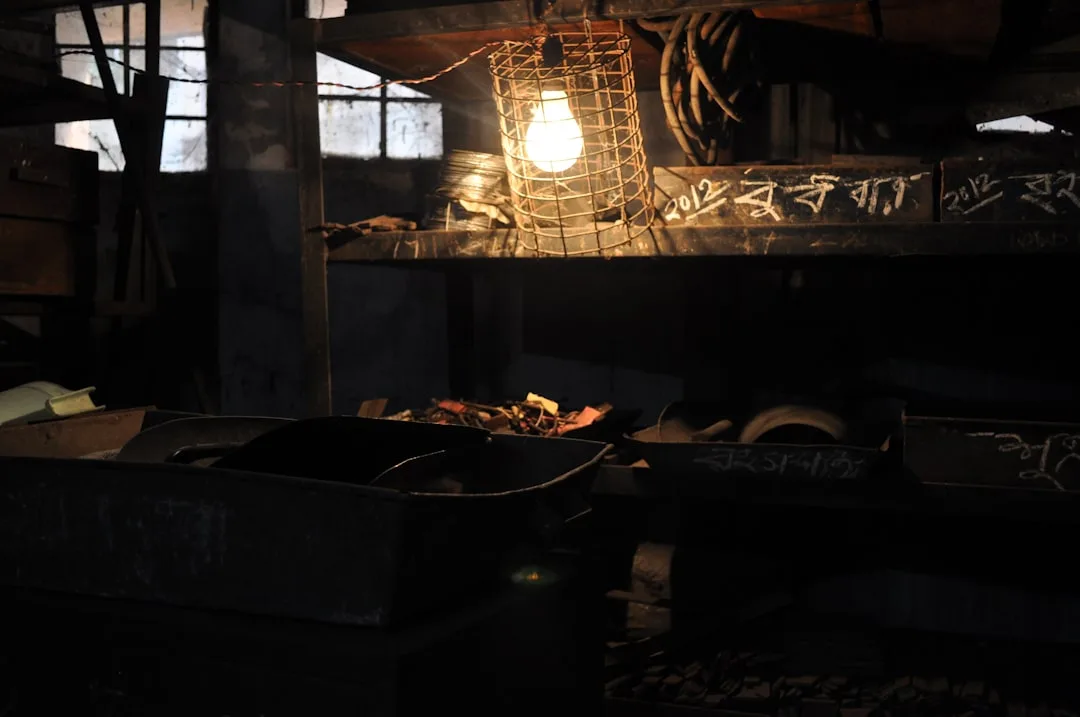
Bengali (বাংলা Bangla) is written in the Eastern Nagari script, also called the Bengali-Assamese script. With roughly 270 million speakers across Bangladesh and the Indian states of West Bengal, Tripura, and southern Assam, Bengali is among the seven most widely spoken languages in the world, and its script is the sixth most used writing system on the planet.
For the English-speaking learner, the script is the first hurdle, but also the first major reward. Once the shapes click, everything from street signs in Kolkata to the lyrics of Rabindra sangeet becomes legible.
This guide covers every letter in the traditional Bengali alphabet: the 11 vowels (স্বরবর্ণ shôrobôrno), the 39 consonants (ব্যঞ্জনবর্ণ bênjonbôrno), the vowel marks (matra forms) that attach to consonants, the core conjunct consonants (যুক্তাক্ষর juktakkhor), the distinctive features that separate Bengali from the related Devanagari script, and memorization strategies that work for adult learners.
Bengali script evolved from the Siddham script around the 11th century CE, branching off from the same Brahmi ancestor that produced Devanagari, Gujarati, Tamil, and the scripts of mainland Southeast Asia.
By the 16th century, the script had taken close to its modern form, though standardization proceeded through the 19th century under the influence of printers and grammarians such as Ishwar Chandra Vidyasagar, who regularized orthography and reduced variant letter forms. Today, Unicode block U+0980 to U+09FF encodes the Bengali script in digital systems.
The visual signature of Bengali is its headline: a horizontal bar called matra (মাত্রা) that runs along the top of most letters and connects them within a word. This gives Bengali text a distinctive ribbon-like appearance. The matra is not purely decorative. Its presence or absence is part of the letter's identity, and learners who forget it in handwriting produce immediately recognizable errors.
The Vowels (স্বরবর্ণ shôrobôrno)
Bengali has 11 vowel letters in its traditional alphabet, though modern spoken Bengali distinguishes only 7 vowel sounds. The historical distinctions between long and short vowels (short i vs long i, short u vs long u) have merged, but the spelling still reflects Sanskrit etymology.
| Letter | Transliteration | Approximate Sound | Example Word |
|---|---|---|---|
| অ | ô / o | vowel in British "cot" | অনেক ônek (many) |
| আ | a | "a" in "father" | আম am (mango) |
| ই | i | "i" in "machine" (short) | ইট it (brick) |
| ঈ | i | "i" in "machine" (long, merged) | ঈগল igol (eagle) |
| উ | u | "oo" in "book" (short) | উট ut (camel) |
| ঊ | u | "oo" in "food" (long, merged) | ঊষা usha (dawn) |
| ঋ | ri | "ri" in "rich" | ঋতু ritu (season) |
| এ | e | "e" in "bed" | এক êk (one) |
| ঐ | oi | "oy" in "boy" | ঐরাবত oirabot (mythical elephant) |
| ও | o | "o" in "go" | ওষুধ oshudh (medicine) |
| ঔ | ou | "ow" in "now" | ঔষধ oushodh (medicine, formal) |
The first vowel অ is the inherent vowel, often transliterated ô to distinguish it from the long a sound written with আ. This inherent vowel is present by default in every consonant letter and is pronounced somewhere between the vowels in English "bought" and "boat." Mastering this single sound is the key to reading Bengali aloud correctly, and it is covered in depth in the companion pronunciation guide.
Each vowel has two written forms. The standalone form (shown above) appears at the start of a word. When a vowel follows a consonant, it takes a dependent form called a vowel sign or matra. These dependent forms attach to, above, below, or around the consonant they modify.
| Vowel | Standalone | Dependent | Attached to ক (k) |
|---|---|---|---|
| অ ô | অ | (inherent, no mark) | ক = kô |
| আ a | আ | া | কা = ka |
| ই i | ই | ি | কি = ki |
| ঈ i | ঈ | ী | কী = ki |
| উ u | উ | ু | কু = ku |
| ঊ u | ঊ | ূ | কূ = ku |
| ঋ ri | ঋ | ৃ | কৃ = kri |
| এ e | এ | ে | কে = ke |
| ঐ oi | ঐ | ৈ | কৈ = koi |
| ও o | ও | ো | কো = ko |
| ঔ ou | ঔ | ৌ | কৌ = kou |
Three placement patterns deserve special note. The vowel sign for ই (short i) is written before the consonant on the page, even though it is pronounced after. The same applies to এ and ঐ. The সই marker for ও and ঔ wraps around the consonant, with one part before and one part after. These visual quirks are inherited from the script's Brahmi ancestor and are shared with many Indic scripts.
The Consonants (ব্যঞ্জনবর্ণ bênjonbôrno)
The 39 consonants of Bengali are organized according to Sanskrit phonetic principles, grouped by place of articulation (where the sound is made in the mouth) and manner of articulation (how the airstream is controlled). This organization is not arbitrary. Children in Bangladesh and West Bengal memorize the alphabet in this order, and learners who respect it find pronunciation patterns easier to internalize.
Velars (Back of Mouth)
| Letter | Transliteration | Description |
|---|---|---|
| ক | kô | unaspirated k |
| খ | khô | aspirated kh |
| গ | gô | unaspirated g |
| ঘ | ghô | aspirated gh (voiced) |
| ঙ | ngô | nasal ng as in "sing" |
Palatals (Middle of Mouth)
| Letter | Transliteration | Description |
|---|---|---|
| চ | chô | unaspirated ch |
| ছ | chhô | aspirated chh |
| জ | jô | unaspirated j |
| ঝ | jhô | aspirated jh (voiced) |
| ঞ | nyô | nasal ny as in Spanish "ñ" |
Retroflex (Tongue Curled Back)
| Letter | Transliteration | Description |
|---|---|---|
| ট | Tô | retroflex t (tongue curled) |
| ঠ | Thô | aspirated retroflex Th |
| ড | Dô | retroflex d |
| ঢ | Dhô | aspirated retroflex Dh |
| ণ | Nô | retroflex n (in spelling only) |
Dentals (Tongue at Teeth)
| Letter | Transliteration | Description |
|---|---|---|
| ত | tô | dental t (softer than English t) |
| থ | thô | aspirated th |
| দ | dô | dental d |
| ধ | dhô | aspirated dh |
| ন | nô | dental n |
Labials (Lips)
| Letter | Transliteration | Description |
|---|---|---|
| প | pô | unaspirated p |
| ফ | phô / fô | aspirated ph, often pronounced f |
| ব | bô | b (also historically v) |
| ভ | bhô | aspirated bh |
| ম | mô | m |
Semivowels, Sibilants, and Others
| Letter | Transliteration | Description |
|---|---|---|
| য | yô / jô | historically y, now pronounced like j |
| র | rô | rolled or tapped r |
| ল | lô | l |
| শ | shô | sh |
| ষ | shô | retroflex sh (in spelling only, pronounced sh) |
| স | shô / sô | dental s, often pronounced sh |
| হ | hô | h |
| য় | yô | intervocalic y |
| ড় | rô (retroflex) | tapped retroflex r |
| ঢ় | rhô | aspirated tapped retroflex r |
| ৎ | khônDô tô | final t without inherent vowel |
| ং | ônushshôr | velar nasal ng |
| ঃ | bishôrgo | voiceless h-like aspiration |
| ঁ | chôndrobindu | nasalization mark |
The last four items (য়, ড়, ঢ়, ৎ) are technically derived forms, and the final three (ং, ঃ, ঁ) are diacritics rather than consonants in the strict sense, but all are taught as part of the alphabet and must be recognized on sight.
The Matra: Bengali's Headline
The horizontal bar along the top of most letters is called মাত্রা matra. It is one of the most visually distinctive features of Bengali script and the first thing that marks a text as Bengali rather than, say, Devanagari or Gurmukhi, which use similar but not identical bars.
Letters divide into three matra categories:
Full matra letters have a complete horizontal bar: ক খ গ ত থ দ ন প ফ ব ম ল শ স হ and most others. This is the default.
Half-matra letters have a bar only on one side or a partial bar: ঙ ঞ ট ঠ ড ঢ ণ are examples where the headline does not extend fully across.
No-matra letters have no headline at all: ঋ এ ঐ ও ঔ among vowels, and ং ঃ as diacritics.
In connected handwriting and typed text, the matra of adjacent letters joins to form a continuous ribbon along the top of the word. Word boundaries are marked by gaps in this ribbon. This is why Bengali texts can feel dense at first glance: the matra visually groups letters into words far more strongly than English's letter-by-letter separation.
Conjunct Consonants (যুক্তাক্ষর juktakkhor)
When two or more consonants come together without an intervening vowel, they form a conjunct. Bengali has hundreds of conjunct forms, some predictable and transparent, others arbitrary and memorized one by one. The Unicode encoding uses a special character called the hasanta or virama (্) between consonants to force a conjunct form.
Transparent Conjuncts
These follow clear visual logic: the first consonant is reduced or joined to the second.
| Conjunct | Components | Transliteration | Example |
|---|---|---|---|
| স্ত | স + ত | st | স্তম্ভ stômbho (pillar) |
| স্ক | স + ক | sk | স্কুল skul (school) |
| ন্ত | ন + ত | nt | অন্ত ônto (end) |
| ন্দ | ন + দ | nd | আনন্দ anondo (joy) |
| ম্প | ম + প | mp | কম্প kômpo (tremor) |
| প্র | প + র | pr | প্রথম prothom (first) |
| গ্র | গ + র | gr | গ্রাম gram (village) |
Opaque Conjuncts
These have historical letter forms that do not visually resemble their components and must be memorized.
| Conjunct | Components | Transliteration | Example |
|---|---|---|---|
| ক্ষ | ক + ষ | kkho | ক্ষমা khôma (forgiveness) |
| জ্ঞ | জ + ঞ | ggo | জ্ঞান ggên (knowledge) |
| হ্ম | হ + ম | hmo | ব্রাহ্মণ brahmôn (brahmin) |
| ঞ্চ | ঞ + চ | nchô | পঞ্চ pôncho (five) |
| ক্ত | ক + ত | kto | রক্ত rôkto (blood) |
| ষ্ণ | ষ + ণ | shno | কৃষ্ণ krishno (Krishna) |
| ত্ত | ত + ত | tto | উত্তর uttor (answer) |
When র (r) is the first element of a conjunct, it becomes a small hook written above the following letter, called the reph: র্ক = rk as in কর্ম kôrmo (action). When র is the second element, it becomes a slanted line under the first letter: ক্র = kro as in ক্রয় kroy (purchase).
Learners are often advised to begin with the 30 or so most common conjuncts and absorb the rest through reading. Trying to memorize all several hundred before reading real text is both impractical and unnecessary.
Bengali Script vs Devanagari: Key Differences
Both scripts descend from Brahmi and share the same underlying logic of consonants with inherent vowels and dependent vowel marks. But the visual and structural differences are substantial, and a reader fluent in Hindi Devanagari cannot automatically read Bengali without specific study.
| Feature | Bengali | Devanagari |
|---|---|---|
| Headline | Present (matra) | Present (shirorekha) |
| Vertical stem in letters | Absent | Common (most consonants) |
| Inherent vowel sound | ô (between o and a) | a (as in "cut") |
| Letter count | 50 traditional | 47 traditional |
| Retroflex t (T) | ট | ट |
| Dental t (t) | ত | त |
| Letter ya | য (pronounced like j) | य (pronounced y) |
| Letter v/ba | ব (b only) | व (v or w) |
| Distinctive letters | ঋ ঞ ণ ষ | ऋ ञ ण ष (similar roles, different shapes) |
Bengali letters tend to have more rounded, curvilinear shapes. Devanagari letters are more angular with prominent vertical strokes. This is an aesthetic difference rooted in centuries of separate scribal traditions, not a functional one. Importantly, the sound ô (inherent vowel) differs between the two languages even when the written letter looks similar. A Hindi speaker reading Bengali aloud without adjustment will consistently mispronounce the inherent vowel.
Example Sentences
These sentences show the script in action, with transliteration and English translation.
আমি বাংলা শিখছি। Ami bangla shikhchhi. I am learning Bengali.
তুমি কোথায় যাচ্ছ? Tumi kothay jachcho? Where are you going?
এটি একটি বই। Eti êkTi boi. This is a book.
আজ আবহাওয়া ভাল। Aj abohawa bhalo. Today the weather is good.
কলকাতা পশ্চিমবঙ্গের রাজধানী। Kolkata poschim-bônger rajdhani. Kolkata is the capital of West Bengal.
Common Mistakes English Speakers Make
Forgetting the matra in handwriting. Native readers perceive this as writing English without the tops of letters. The error is jarring even when letter shapes are otherwise correct. Practice the matra as part of the letter itself from day one.
Pronouncing অ as "a" like in "cat." The inherent vowel is closer to the vowel in British "cot" or American "bought." Many transliteration systems write it as "a," which reinforces the wrong sound. Writers who use the ô notation (as this guide does) are trying to help learners avoid this trap.
Confusing retroflex and dental consonants. ট/ত, ঠ/থ, ড/দ, ঢ/ধ, ণ/ন look different but the pronunciation difference is subtle to English ears. Retroflex sounds are made with the tongue curled back toward the roof of the mouth. Dentals are made with the tongue at or just behind the upper teeth. Getting this wrong makes words harder to recognize.
Treating the three sibilants as interchangeable. শ, ষ, and স are all usually pronounced the same in modern Bengali (a sh sound), but they are spelled differently in different words based on etymology. Using the wrong one is a spelling error comparable to mixing "their" and "there" in English.
Reading the vowel sign for ই as being pronounced before the consonant. The sign ি is written to the left of the consonant, but it is pronounced after. বি is read "bi," not "ib." This word-versus-sound-order mismatch trips up almost every beginner.
Skipping conjunct practice. Learners sometimes focus exclusively on the 50-letter alphabet and assume they will figure out conjuncts from context. Conjuncts appear in nearly every sentence of real text. Deliberate study of the 30 most common conjuncts pays off immediately.
Quick Reference
The Bengali alphabet has 11 vowels and 39 consonants, totaling 50 letters in the traditional count. Modern pronunciation reduces vowels to 7 distinct sounds. Every consonant carries an inherent vowel ô unless marked otherwise. Vowel signs (matra forms) attach to consonants in specific positions: left, right, above, below, or wrapping around.
The horizontal headline (matra) connects letters within a word and is part of each letter's identity. Conjunct consonants (juktakkhor) combine two or more consonants without the inherent vowel; there are hundreds in use. The script is written left to right and has no capital and lowercase distinction. Bengali is one of several languages using the Eastern Nagari script, most notably alongside Assamese.
Frequently Asked Questions
How many letters are in the Bengali alphabet?
The traditional Bengali alphabet contains 50 letters: 11 vowels (shôrobôrno) and 39 consonants (bênjonbôrno). Modern usage reduces vowels to about 7 distinct sounds because historical long and short pairs have merged in pronunciation.
Is Bengali script the same as Hindi Devanagari?
No. Bengali uses the Eastern Nagari script, which is related to but visually and structurally distinct from Devanagari. Both descend from Brahmi, but Bengali has its own letter shapes, lacks the vertical strokes Devanagari uses, and features a horizontal headline called matra that connects letters within a word.
What is a juktakkhor or conjunct consonant?
A juktakkhor is a cluster where two or more consonants combine into a single written form without the inherent vowel between them. Bengali has hundreds of conjunct forms, some transparent like স্ত (s+t = st) and others opaque like ক্ষ (k+sh = kkho).
How long does it take to learn the Bengali script?
Most learners achieve reliable recognition of the basic alphabet within 3 to 4 weeks of daily practice. Conjunct consonants require an additional 2 to 3 months of exposure. Full reading fluency including natural word-shape recognition typically develops over 6 to 12 months.
Why do some letters look nearly identical?
Bengali contains several near-homophone letter pairs that are spelled differently for etymological reasons from Sanskrit. Examples include ন and ণ (both pronounced n), শ ষ and স (all pronounced sh or s in most contexts), and ই and ঈ (both pronounced i). Spelling follows etymology, not current pronunciation.
Does Bengali have capital and lowercase letters?
No. Like most Indic scripts, Bengali has only one case. Proper nouns, sentence beginnings, and acronyms are all written in the same letter forms. Emphasis is conveyed through word choice or, in digital text, through bold or italic formatting.
Is Bengali script used for any languages besides Bengali?
Yes. The Eastern Nagari script is also used for Assamese (with two extra letters, ৰ and ৱ), Meitei (though the indigenous Meetei Mayek script is regaining ground), and several tribal languages of northeastern India. Manipuri Bishnupriya and Kokborok writers also use it.
See Also
- Writing Systems and Alphabets Comparison Reference
- Bengali Pronunciation and Phonology Reference
- Bengali Verb Conjugation Complete Tense System Reference
- Bengali Honorifics Three Levels Reference
- Bengali Numbers and Counting Reference
- Bengali Pronouns Three Levels and Demonstratives Reference
- Language Difficulty for English Speakers Reference
- Pronunciation and Phonology Comparison for English Speakers
Author: Kalenux Team
Frequently Asked Questions
How many letters are in the Bengali alphabet?
The traditional Bengali alphabet contains 50 letters: 11 vowels (স্বরবর্ণ shôrobôrno) and 39 consonants (ব্যঞ্জনবর্ণ bênjonbôrno). Modern usage reduces vowels to about 7 distinct sounds because historical long and short pairs have merged in pronunciation.
Is Bengali script the same as Hindi Devanagari?
No. Bengali uses the Eastern Nagari script, which is related to but visually and structurally distinct from Devanagari. Both descend from Brahmi, but Bengali has its own letter shapes, lacks the vertical strokes Devanagari uses, and features a horizontal headline called matra that connects letters within a word.
What is a juktakkhor or conjunct consonant?
A juktakkhor (যুক্তাক্ষর) is a cluster where two or more consonants combine into a single written form without the inherent vowel between them. Bengali has hundreds of conjunct forms, some transparent like স্ত (s+t = st) and others opaque like ক্ষ (k+sh = kkho).
How long does it take to learn the Bengali script?
Most learners achieve reliable recognition of the basic alphabet within 3 to 4 weeks of daily practice. Conjunct consonants require an additional 2 to 3 months of exposure. Full reading fluency including natural word-shape recognition typically develops over 6 to 12 months.
Why do some letters look nearly identical?
Bengali contains several near-homophone letter pairs that are spelled differently for etymological reasons from Sanskrit. Examples include ন and ণ (both pronounced n), শ ষ and স (all pronounced sh or s in most contexts), and ই and ঈ (both pronounced i). Spelling follows etymology, not current pronunciation.
Does Bengali have capital and lowercase letters?
No. Like most Indic scripts, Bengali has only one case. Proper nouns, sentence beginnings, and acronyms are all written in the same letter forms. Emphasis is conveyed through word choice or, in digital text, through bold or italic formatting.
Is Bengali script used for any languages besides Bengali?
Yes. The Eastern Nagari script is also used for Assamese (with two extra letters, ৰ and ৱ), Meitei (though the indigenous Meetei Mayek script is regaining ground), and several tribal languages of northeastern India. Manipuri Bishnupriya and Kokborok writers also use it.