
The Bengali year is traditionally divided into six seasons, not the four familiar to temperate-zone English speakers. The classical Sanskrit-derived classification of ষড়ঋতু shôṛritu (six seasons) survives in Bengali poetry, religious observance, agricultural calendars, and everyday conversation. The Bengali Weather vocabulary below is grouped by theme with transliteration and examples.
Each season has its weather pattern, its food associations, its festivals, its characteristic literary mood, and its place in the rhythm of village and city life. The monsoon (বর্ষা bôrsha) in particular occupies a cultural position in Bengal that no temperate climate can match: it is celebrated, feared, longed for, sung about, and structurally embedded in the agricultural and emotional life of the region.
This reference assembles the weather, season, and nature vocabulary needed by anyone communicating in Bengali about the natural world. Each entry is presented in Bengali script, in Romanized transliteration, and with English translation. Where regional differences between West Bengal and Bangladesh exist, both forms are noted.
The seasonal vocabulary is largely uniform, although microclimatic variation between the dry western parts of West Bengal and the wetter Bangladeshi delta produces some differences in seasonal character. Beyond pure vocabulary, the reference describes the cultural weight of each season and the natural-world references that saturate Bengali literature and music.
A note on cultural context. Bengali nature vocabulary is poetic to a degree unusual among world languages. The monsoon-season month আষাঢ় Ashaṛh occasions an entire genre of poetic and musical composition called বর্ষামঙ্গল bôrshamôngol; the autumn month কার্তিক Kartik is associated with the goddess Lakshmi and the harvest moon; the spring month ফাল্গুন Phalgun is the season of the Holi festival and of the language martyrs commemoration in Bangladesh.
Vocabulary in this domain is not separable from the cultural-emotional weight the words carry. For deeper background on the calendrical framework, see the Bengali Days, Months, and Time Expressions reference.
The Six Bengali Seasons
The six-season classification organizes the year into pairs of two-month periods, each named after its dominant climatic character. The Bengali calendar months align with these seasons.
| Bengali | Transliteration | English | Bengali Months | Approximate Gregorian |
|---|---|---|---|---|
| গ্রীষ্ম | Grishmo | Summer | বৈশাখ, জ্যৈষ্ঠ | mid-April to mid-June |
| বর্ষা | Bôrsha | Monsoon, rainy | আষাঢ়, শ্রাবণ | mid-June to mid-August |
| শরৎ | Shôrôt | Autumn (early) | ভাদ্র, আশ্বিন | mid-August to mid-October |
| হেমন্ত | Hemônto | Late autumn, harvest | কার্তিক, অগ্রহায়ণ | mid-October to mid-December |
| শীত | Shit | Winter | পৌষ, মাঘ | mid-December to mid-February |
| বসন্ত | Bôshonto | Spring | ফাল্গুন, চৈত্র | mid-February to mid-April |
The six-season scheme is more than a meteorological convenience;
it embeds a complete cultural calendar. গ্রীষ্ম grishmo is the season of mangoes and lychees, of dust storms and pre-monsoon nor'westers (কালবৈশাখী kalboishakhi). বর্ষা bôrsha is the monsoon, with its torrential rain, swollen rivers, planted rice, and the cultural complex of monsoon poetry and song. শরৎ shôrôt is the early autumn of cooling air, blue skies, white kash flower (কাশফুল kashphul) along riverbanks, and the buildup to Durga Puja.
হেমন্ত hemônto is late autumn, the harvest season, with golden paddies and harvest-festival meals. শীত shit is the cool dry winter of fog, fairs, and date-palm jaggery (নলেন গুড় nôlen guṛ). বসন্ত bôshonto is spring, with red palash flowers (পলাশ palash), the festival of colors (Holi), and the cultural triumph of warm weather returning.
The four-season Western model maps poorly onto Bengali experience. There is no temperate "spring" of mild fresh weather; the Bengali বসন্ত bôshonto is brief and quickly hot. There is no temperate "fall" of cooling change; the Bengali transition from monsoon to winter passes through two distinct autumns (শরৎ and হেমন্ত), each with its own character. The six-season scheme genuinely fits the climate.
Weather Vocabulary
The weather vocabulary covers temperature, precipitation, sky conditions, and atmospheric phenomena. Many terms are shared with broader North Indian Indo-Aryan vocabulary, although Bengali pronunciation produces distinctive forms.
| Bengali | Transliteration | English |
|---|---|---|
| আবহাওয়া | Abôhaowa | Weather |
| আবহাওয়া কেমন? | Abôhaowa kêmôn? | How is the weather? |
| গরম | Gôrom | Hot |
| ঠান্ডা | Ṭhanḍa | Cold |
| উষ্ণ | Ushno | Warm |
| শীতল | Shitôl | Cool |
| আর্দ্র | Ardrô | Humid |
| শুষ্ক | Shushko | Dry |
| বৃষ্টি | Brishṭi | Rain |
| বৃষ্টি হচ্ছে | Brishṭi hôchchhe | It is raining |
| ভারী বৃষ্টি | Bhari brishṭi | Heavy rain |
| ঝিরঝিরে বৃষ্টি | Jhirjhire brishṭi | Drizzle |
| রোদ | Rod | Sunshine, sunlight |
| ছায়া | Chhaya | Shade |
| মেঘ | Megh | Cloud |
| মেঘলা | Meghla | Cloudy |
| বজ্রপাত | Bôjrôpat | Lightning, thunder |
| ঝড় | Jhôṛ | Storm |
| বন্যা | Bônna | Flood |
| বাতাস | Batash | Wind, air |
| হাওয়া | Haowa | Breeze, air |
| কুয়াশা | Kuasha | Fog |
| তুষার | Tushar | Snow (rare in Bengal) |
| শিলাবৃষ্টি | Shilabrishṭi | Hail |
The phrase বৃষ্টি হচ্ছে brishṭi hôchchhe (rain is happening, it is raining) uses the present continuous of হওয়া hôwa (to happen). The construction is highly productive: রোদ হচ্ছে rod hôchchhe (it is sunny), বাতাস হচ্ছে batash hôchchhe (it is windy), গরম হচ্ছে gôrom hôchchhe (it is getting hot).
A specific Bengali phenomenon is the কালবৈশাখী kalboishakhi, the violent pre-monsoon thunderstorm of late spring. The name combines কাল kal (dark) and বৈশাখ Boishakh (the first Bengali month), naming the season of these storms. Kalboishakhis can produce damaging winds and hail and are a regular feature of April-May Bengali weather.
Monsoon Culture
The monsoon (বর্ষা bôrsha) deserves dedicated treatment because of its outsized cultural weight. The Bengali monsoon is the subject of an entire literary and musical tradition, with Tagore alone writing dozens of monsoon songs collected as বর্ষামঙ্গল Bôrshamôngol.
| Bengali | Transliteration | English |
|---|---|---|
| বর্ষা | Bôrsha | Monsoon |
| বর্ষাকাল | Bôrshakal | Monsoon season |
| মৌসুমি বায়ু | Môushumi bayu | Monsoon wind |
| ঝমঝম বৃষ্টি | Jhômjhôm brishṭi | Heavy drumming rain |
| টিপ টিপ বৃষ্টি | Ṭip ṭip brishṭi | Drip-drip rain |
| বৃষ্টির পানি | Brishṭir pani | Rainwater |
| জলাবদ্ধতা | Jôlabôddhota | Waterlogging |
| বন্যা | Bônna | Flood |
| বাঁধ | Banḍh | Embankment, dam |
| মেঘের ডাক | Megher ḍak | Thunder (literally cloud's call) |
| বিজলি / বিদ্যুৎ | Bijli / Bidyut | Lightning |
| বর্ষাতি | Bôrshati | Raincoat |
| ছাতা | Chhata | Umbrella |
| গামবুট | Gamabuṭ | Rubber boot |
| পদ্ম ফুল | Pôddo phul | Lotus flower |
| কদম ফুল | Kôdom phul | Kadamba flower (monsoon-blooming) |
The কদম ফুল kôdom phul, the kadamba tree's distinctive yellow-orange spherical flower, is the iconic monsoon flower of Bengal and appears constantly in monsoon poetry. The flower blooms with the first heavy rains and represents the season's arrival. In Hindu mythology, the kadamba is associated with Krishna, and Tagore's monsoon songs often invoke it.
Monsoon culture in Bengal includes specific food associations. ভুনা খিচুড়ি bhuna khichuṛi (slow-fried rice and lentil porridge), served with ইলিশ ভাজা ilish bhaja (fried hilsa) and বেগুন ভাজা begun bhaja (fried eggplant), is the canonical monsoon meal. Hot tea (গরম চা gôrom cha), often with ginger, accompanies the rain. The pleasure of eating khichuṛi while watching monsoon rain through the window is a cultural touchstone.
Sky, Sun, Moon, and Stars
The sky and celestial vocabulary is rich, supplied by both Sanskrit-derived poetic forms and everyday colloquial words.
| Bengali | Transliteration | English |
|---|---|---|
| আকাশ | Akash | Sky |
| সূর্য | Shurjo | Sun |
| চাঁদ | Chand | Moon |
| তারা | Tara | Star |
| গ্রহ | Grôho | Planet |
| ছায়াপথ | Chhayapôth | Galaxy (Milky Way) |
| পূর্ণিমা | Purnima | Full moon |
| অমাবস্যা | Amabôshya | New moon (no moon) |
| চন্দ্রগ্রহণ | Chôndrôgrôhôn | Lunar eclipse |
| সূর্যগ্রহণ | Shurjogrôhôn | Solar eclipse |
| ভোর | Bhor | Dawn, daybreak |
| সূর্যোদয় | Shurjodôy | Sunrise |
| সূর্যাস্ত | Shurjasto | Sunset |
| গোধূলি | Godhuli | Twilight (literally cow-dust) |
| উল্কা | Ulka | Meteor |
| ধূমকেতু | Dhumketu | Comet |
The word গোধূলি godhuli (twilight) is etymologically beautiful: it literally means "cow-dust" and refers to the time when cows return from grazing and stir up dust in the village. The poetic naming reflects an agricultural-village origin and survives in literary register even where the underlying reality has urbanized. পূর্ণিমা purnima (full moon) carries religious weight, with specific full moons of the year named for the season (শরৎ পূর্ণিমা Shôrôt purnima, কোজাগরী পূর্ণিমা Kojagori purnima).
Trees, Plants, and Flowers
Bengal's natural environment is dominated by tropical and subtropical vegetation. The vocabulary covers common trees, agricultural plants, and the flowers that recur in poetry and religious offering.
| Bengali | Transliteration | English |
|---|---|---|
| গাছ | Gachh | Tree |
| পাতা | Pata | Leaf |
| ফুল | Phul | Flower |
| ফল | Phôl | Fruit |
| শিকড় | Shikôṛ | Root |
| ডাল | Ḍal | Branch |
| ঘাস | Ghash | Grass |
| বাঁশ | Bansh | Bamboo |
| তাল | Tal | Palmyra palm |
| নারকেল | Narkel | Coconut |
| কলা | Kôla | Banana |
| আম | Am | Mango |
| আম গাছ | Am gachh | Mango tree |
| লিচু | Lichu | Lychee |
| কাঁঠাল | Kanṭhal | Jackfruit |
| পেয়ারা | Peyara | Guava |
| শাপলা | Shapla | Water lily (national flower of Bangladesh) |
| পদ্ম | Pôddô | Lotus |
| গোলাপ | Golap | Rose |
| জুঁই | Juni | Jasmine |
| বেলি | Beli | Arabian jasmine |
| কাশফুল | Kashphul | Kash flower |
| পলাশ | Palash | Flame of the forest |
| শিউলি | Shiuli | Night-flowering jasmine |
| কৃষ্ণচূড়া | Krishnochuṛa | Royal poinciana |
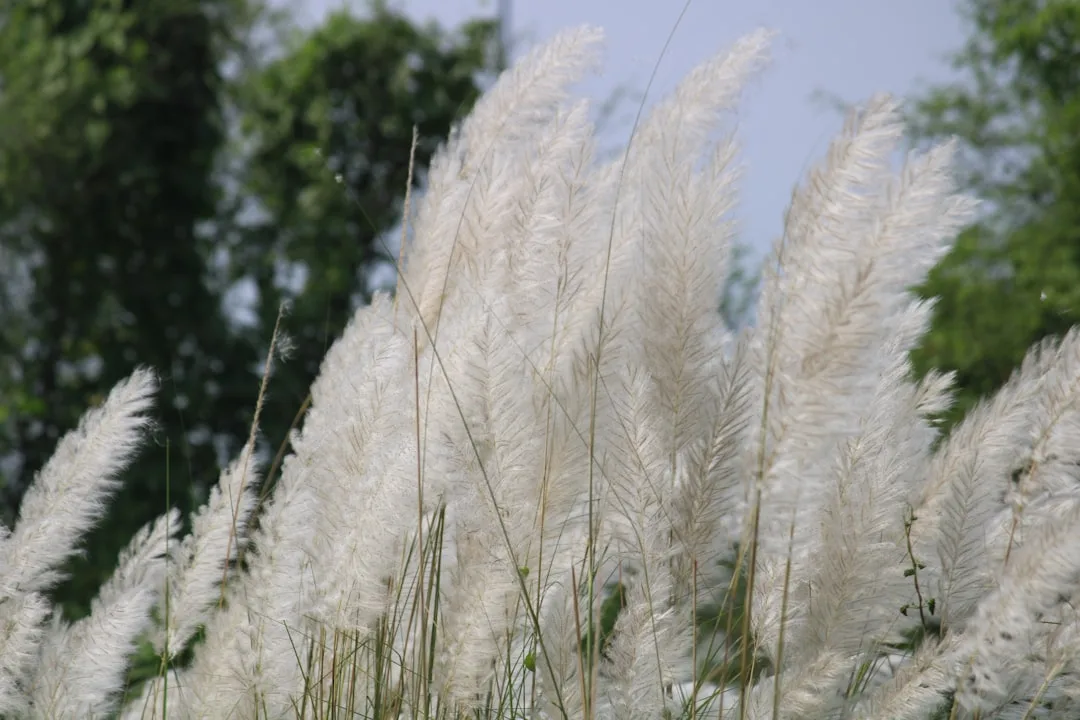
The কাশফুল kashphul (kash flower, white plumes of grass) is the iconic flower of শরৎ shôrôt (early autumn).
Kash plants line riverbanks and roadsides in September-October, and their white waving plumes against the deep blue post-monsoon sky form one of the most photographed and most poeticized scenes in Bengali culture. শিউলি shiuli (night-flowering jasmine) drops its small white-and-orange flowers each morning and is the flower of Durga Puja, used in religious offering. কৃষ্ণচূড়া krishnochuṛa (royal poinciana, "Krishna's crest") flames in red across summer streets.
Animals and Wildlife
The animal vocabulary covers domestic animals, wild animals, birds, and aquatic species. Much of this vocabulary surfaces in folk tales, children's rhymes (ছড়া chhôṛa), and animal-imagery in poetry.
| Bengali | Transliteration | English |
|---|---|---|
| পশু | Pôshu | Animal (mammal) |
| পাখি | Pakhi | Bird |
| মাছ | Machh | Fish |
| সাপ | Shap | Snake |
| ব্যাঙ | Bêng | Frog |
| গরু | Gôru | Cow |
| মহিষ | Môhish | Buffalo |
| ছাগল | Chhagol | Goat |
| ভেড়া | Bheṛa | Sheep |
| কুকুর | Kukur | Dog |
| বিড়াল | Biṛal | Cat |
| ঘোড়া | Ghôṛa | Horse |
| হাতি | Hati | Elephant |
| বাঘ | Bagh | Tiger |
| সিংহ | Shingho | Lion |
| বানর | Banôr | Monkey |
| শিয়াল | Shial | Jackal |
| হরিণ | Hôrin | Deer |
| কুমির | Kumir | Crocodile |
| কাক | Kak | Crow |
| কোকিল | Kokil | Cuckoo |
| ময়ূর | Môyur | Peacock |
| পেঁচা | Pêncha | Owl |
| টিয়া | Ṭiya | Parrot |
| চড়াই | Chôṛai | Sparrow |
The Royal Bengal Tiger (রয়েল বেঙ্গল টাইগার rôyel benggôl ṭaigar, or simply বাঘ bagh in Bengali) is the national animal of Bangladesh and the iconic species of the Sundarbans. The কোকিল kokil (cuckoo) is the bird of spring poetry; its call signals the arrival of বসন্ত bôshonto, and kokil-imagery saturates Bengali love poetry. The কাক kak (crow) is ubiquitous in urban Bengal and figures in folklore as a clever trickster.
Rivers, Water, and Geographical Features
The Ganges-Brahmaputra delta defines Bengali geography. The vocabulary of rivers, water bodies, and land features reflects the riverine character of the region.
| Bengali | Transliteration | English |
|---|---|---|
| নদী | Nôdi | River |
| গঙ্গা | Gôngga | Ganges |
| পদ্মা | Pôddô | Padma (Bangladeshi name for lower Ganges) |
| ব্রহ্মপুত্র | Brôhmôputrô | Brahmaputra |
| যমুনা | Jômuna | Jamuna (Bangladeshi name for Brahmaputra) |
| মেঘনা | Meghna | Meghna |
| খাল | Khal | Canal |
| হ্রদ | Hrôd | Lake |
| পুকুর | Pukur | Pond |
| সমুদ্র | Shômudro | Sea, ocean |
| বে / উপসাগর | Be / Upôshagor | Bay |
| পাহাড় | Pahaṛ | Hill, mountain |
| সমভূমি | Shômôbhumi | Plain |
| জঙ্গল | Jôngôl | Forest |
| মাঠ | Maṭh | Field |
| গ্রাম | Gram | Village |
| শহর | Shôhôr | City |
| রাস্তা | Rasta | Road |
| পথ | Pôth | Path, way |
The river পদ্মা Pôddô (Padma) is the Bangladeshi name for the lower course of the Ganges as it enters Bangladesh; on the Indian side it remains গঙ্গা Gôngga. Similarly the upper Brahmaputra is ব্রহ্মপুত্র Brôhmôputrô; its lower course in Bangladesh is the যমুনা Jômuna. The vast meeting of these rivers in the south of Bangladesh forms the Sundarbans delta.
Common Mistakes English Speakers Make
Mapping four seasons onto Bengali. The six-season classification is real and operational; saying বসন্তে bôshonte (in spring) when you mean late summer or saying শরতে shôrôte (in autumn) when you mean winter mismatches the actual climate. Learn the six and use them properly.
Translating "monsoon" as "rainy season" too generically. বর্ষা bôrsha is a culturally specific phenomenon, not just a meteorological category. The associations with food, music, mood, and agriculture are part of the word's meaning.
Confusing গরম gôrom (hot weather/temperature) with ঝাল jhal (chili-pepper hot food). Both can be translated "hot" but they are not interchangeable. গরম is for weather, water, oil, and generally physical temperature; ঝাল is exclusively for spicy heat in food.
Using বাতাস batash and হাওয়া haowa interchangeably. Both translate "wind" or "air," but বাতাস batash leans toward "wind" (movement of air) while হাওয়া haowa leans toward "air" (general atmosphere) or "breeze." Saying হাওয়া আসছে haowa ashchhe (air is coming, breeze is coming) versus বাতাস বইছে batash bôichhe (wind is blowing) tracks this distinction.
Mistranslating ঝড় jhôṛ as merely "storm." A ঝড় can be anything from a strong wind to a violent thunderstorm; কালবৈশাখী kalboishakhi is the specific severe pre-monsoon storm. Adding the qualifier (বৃষ্টিঝড় brishṭijhôṛ rainstorm, ঝড়োবাতাস jhôṛobatash gusty wind) clarifies severity.
Forgetting that কাশফুল kashphul, শিউলি shiuli, and পলাশ palash are season-specific. Each flower has a defined blooming season and cultural association: kash for early autumn, shiuli for autumn (Durga Puja), palash for spring (Holi). Mentioning the wrong flower for the season sounds odd.
Treating সূর্য shurjo and রোদ rod as the same word. সূর্য shurjo is the sun itself as a celestial body; রোদ rod is sunlight or sunshine. রোদ পাচ্ছি rod pachhi means "I am getting sunlight"; সূর্য দেখছি shurjo dêkhchhi means "I am looking at the sun."
Saying just "tree" for আম গাছ am gachh (mango tree) and similar compound forms. Bengali typically specifies the tree by its product (আম গাছ am gachh, কাঁঠাল গাছ kanṭhal gachh, নারকেল গাছ narkel gachh). Saying just গাছ when meaning a specific kind of tree is too general.
Quick Reference
The weather priority set: গরম gôrom (hot), ঠান্ডা ṭhanḍa (cold), বৃষ্টি brishṭi (rain), রোদ rod (sunshine), মেঘ megh (cloud), বাতাস batash (wind), আকাশ akash (sky), সূর্য shurjo (sun), চাঁদ chand (moon), and the question আবহাওয়া কেমন? Abôhaowa kêmôn? (How is the weather?).
The six seasons in order: গ্রীষ্ম grishmo (summer), বর্ষা bôrsha (monsoon), শরৎ shôrôt (early autumn), হেমন্ত hemônto (late autumn), শীত shit (winter), বসন্ত bôshonto (spring). Memorize the pairs of Bengali calendar months that go with each.
Key cultural icons: কদম ফুল kôdom phul (monsoon flower), কাশফুল kashphul (early autumn flower), শিউলি shiuli (Durga Puja flower), পলাশ palash (spring flower), কালবৈশাখী kalboishakhi (pre-monsoon storm), ভুনা খিচুড়ি ilish (monsoon meal), নলেন গুড় nôlen guṛ (winter sweet).
Frequently Asked Questions
Why does Bengal have six seasons instead of four?
The six-season scheme reflects the actual climatic experience of the Indo-Gangetic plain better than the temperate four-season model. The Bengali year passes through distinct phases that do not collapse into spring-summer-fall-winter: pre-monsoon hot dry, monsoon wet, two post-monsoon autumns of different character, dry winter, and brief warm spring. The Sanskrit-origin classification has structured Indian thinking about seasons for over two millennia.
What is কালবৈশাখী kalboishakhi?
A violent pre-monsoon thunderstorm of April-May, characterized by sudden onset, strong winds, lightning, and brief but intense rain. The name combines কাল kal (dark) and বৈশাখ Boishakh (the Bengali calendar month). Kalboishakhis can damage trees, roofs, and fishing boats; their arrival is closely tracked in weather reporting.
Why is the monsoon so culturally important?
It governs the agricultural cycle (rice planting, the staple crop), the literary calendar (an entire genre of monsoon poetry), the music repertoire (Tagore alone wrote dozens of monsoon songs), the food traditions (khichuri, hilsa, fritters), and the emotional landscape of Bengali life. The arrival of the rains after pre-monsoon heat is genuinely one of the great pleasures of the year, and the cultural celebration reflects this.
What is the difference between শরৎ shôrôt and হেমন্ত hemônto?
শরৎ shôrôt is the early autumn (September-October), the season of cooling weather, kash flowers, blue skies after monsoon, and the buildup to Durga Puja. হেমন্ত hemônto is the late autumn (November-December), the harvest season, with golden paddies, harvest festivals, and the transition to winter. The temperate "fall" combines both but their character differs sharply.
What is the kadamba flower's significance?
কদম kôdom (kadamba) is the iconic monsoon flower, with a distinctive spherical orange-yellow blossom and a sweet fragrance. It blooms with the first heavy rains and represents monsoon's arrival. In Hindu mythology, Krishna is associated with the kadamba tree, and Bengali monsoon poetry constantly invokes kadamba blossoms as an image of monsoon love and longing.
Does it ever snow in Bengal?
Effectively no in the plains. The Bengal plain stays warm enough year-round that snow is not a feature of the climate. Tushar (তুষার) means "snow" in literary Bengali but the word is hardly used in conversation about local weather. In the hills of north Bengal (Darjeeling) and the Bangladeshi Chittagong Hill Tracts, light frost is possible in winter, but actual snow is rare even there.
Why are flowers so culturally specific to seasons?
Bengali culture, like much of South Asian culture, ties flowers to religious offerings, seasonal markers, and poetic imagery. Each flower's blooming season makes it the appropriate offering at certain festivals (shiuli for Durga Puja, palash for Holi) and the appropriate poetic subject for that season. Disrespecting these associations (offering an out-of-season flower at a festival, for example) is rare in practice.
See Also
- Bengali Days, Months, and Time Expressions
- Bengali Tagore Literature and Language Reference
- Bengali Common Phrases for Daily Conversation
- Bengali Travel Phrases and Tourist Guide
- Bengali Colors, Adjectives, and Descriptions
- Bengali Food Vocabulary and Cuisine Reference
- Bengali Top 100 Common Verbs Reference
- Bengali Rabindra Sangeet and Poetry Vocabulary
Author: Kalenux Team
Frequently Asked Questions
Why does Bengal have six seasons instead of four?
The six-season scheme reflects the actual climatic experience of the Indo-Gangetic plain better than the temperate four-season model. The Bengali year passes through pre-monsoon hot dry, monsoon wet, two post-monsoon autumns, dry winter, and brief warm spring. The Sanskrit-origin classification has structured Indian thinking for over two millennia.
What is কালবৈশাখী kalboishakhi?
A violent pre-monsoon thunderstorm of April-May, characterized by sudden onset, strong winds, lightning, and brief but intense rain. The name combines কাল kal (dark) and বৈশাখ Boishakh. Kalboishakhis can damage trees, roofs, and fishing boats.
Why is the monsoon so culturally important?
It governs the agricultural cycle, the literary calendar (a genre of monsoon poetry), the music repertoire (Tagore wrote dozens of monsoon songs), the food traditions (khichuri, hilsa, fritters), and the emotional landscape. The arrival of rains after pre-monsoon heat is one of the great pleasures of the year.
What is the difference between শরৎ shôrôt and হেমন্ত hemônto?
শরৎ shôrôt is early autumn (September-October), the season of cooling weather, kash flowers, blue skies, and Durga Puja buildup. হেমন্ত hemônto is late autumn (November-December), the harvest season with golden paddies and harvest festivals.
What is the kadamba flower's significance?
কদম kôdom (kadamba) is the iconic monsoon flower with a distinctive spherical orange-yellow blossom and sweet fragrance. It blooms with the first heavy rains. In Hindu mythology, Krishna is associated with the kadamba tree, and Bengali monsoon poetry constantly invokes kadamba blossoms.
Does it ever snow in Bengal?
Effectively no in the plains. The Bengal plain stays warm enough that snow is not a feature of the climate. তুষার means snow in literary Bengali but is hardly used in conversation about local weather. In the hills of Darjeeling and Chittagong Hill Tracts, light frost is possible but actual snow is rare.
Why are flowers so culturally specific to seasons?
Bengali culture ties flowers to religious offerings, seasonal markers, and poetic imagery. Each flower’s blooming season makes it the appropriate offering at certain festivals (shiuli for Durga Puja, palash for Holi) and the proper poetic subject for that season.