Compare guides and examples: practical, expert-written references you can apply straight away.
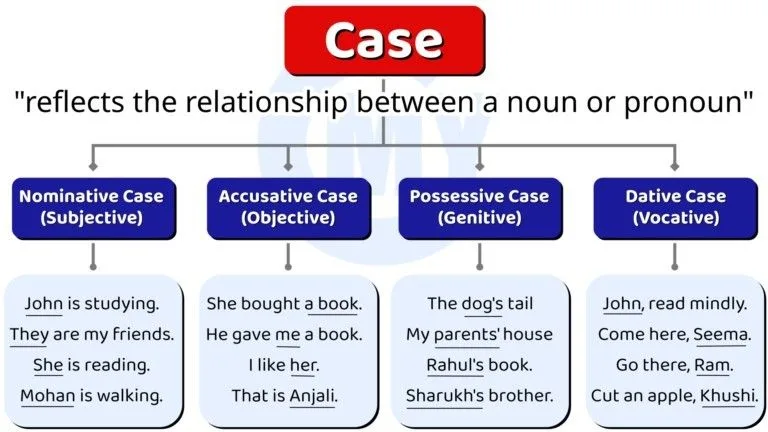
Compare grammatical case systems: Russian 6 cases, German 4, Latin 6, Arabic 3, Finnish 15. Full function tables, declension examples, and Japanese particle equivalents.
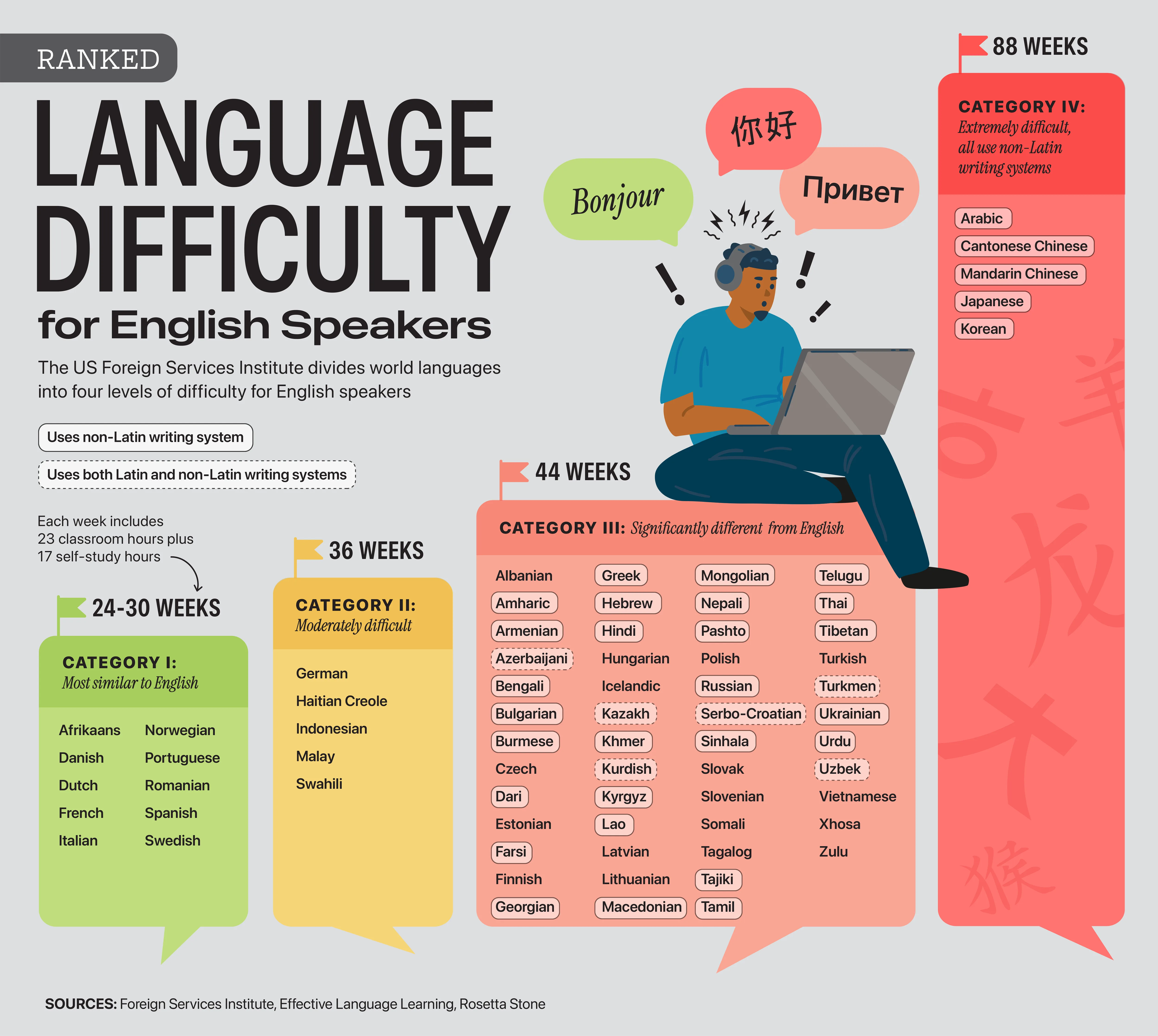
FSI language difficulty categories explained: Category I-IV hour estimates and why Spanish is easy, Russian is harder, and Chinese, Japanese, and Arabic are hardest.
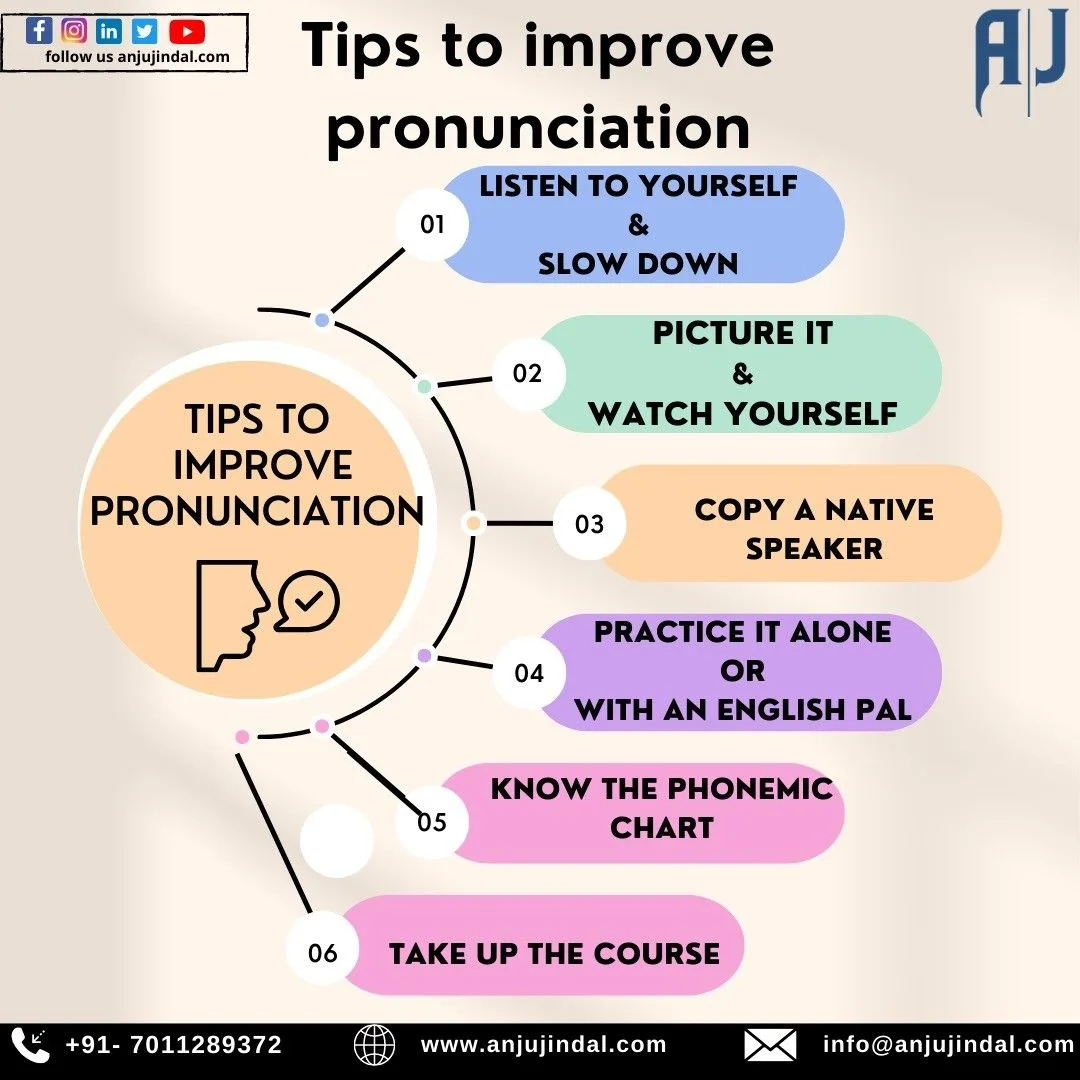
Compare pronunciation challenges in Russian, Spanish, Mandarin, Japanese, and Arabic for English speakers. IPA, minimal pairs, tones, pharyngeals, and practice priorities.
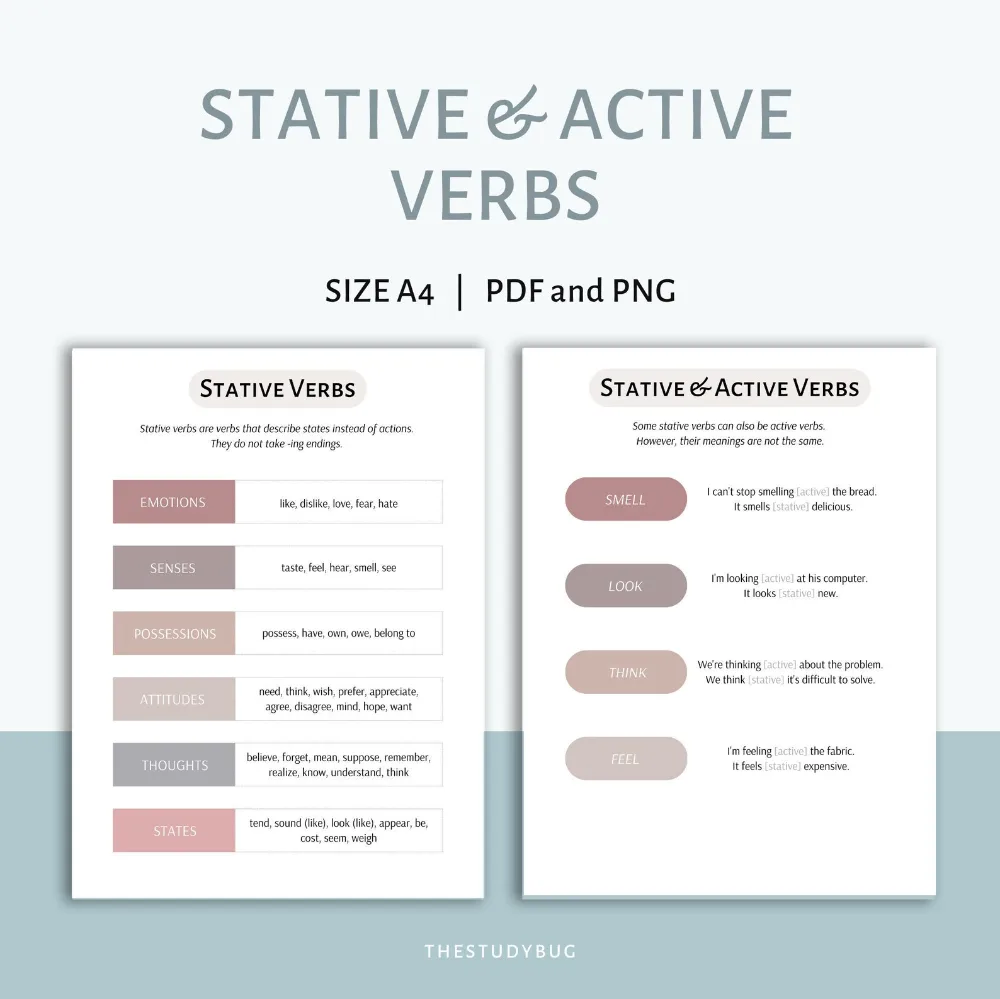
Compare how English, Spanish, Russian, Chinese, Japanese, and Arabic express tense and aspect. Morphological breakdowns, tense tables, and same-sentence comparisons.
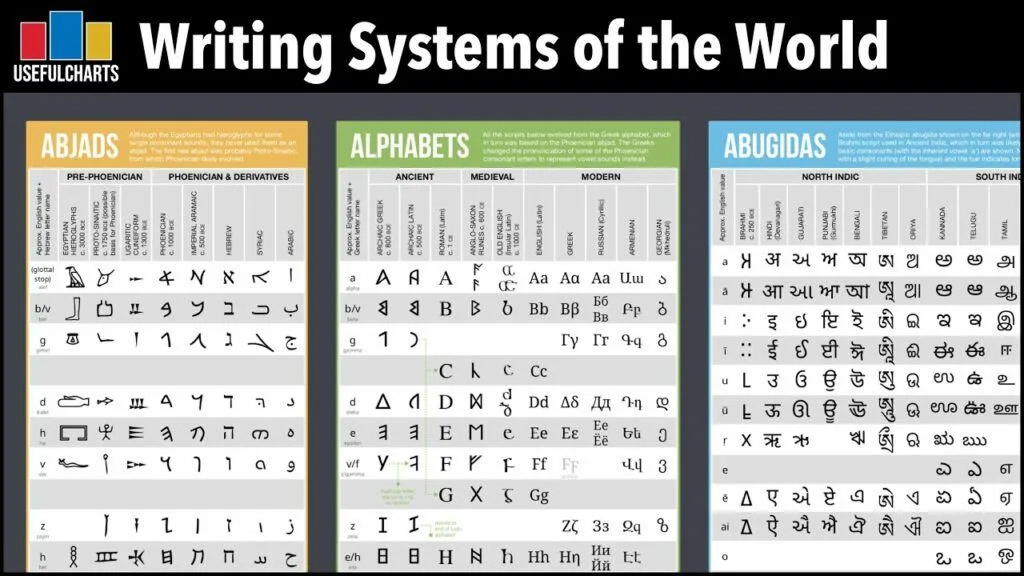
Compare the world's main writing systems: alphabets (Latin, Cyrillic, Greek), abjads (Arabic, Hebrew), syllabaries (hiragana, katakana), and logographies (hanzi, kanji).
Difficulty depends on how far the language sits from English in structure and script. Languages sharing Latin script and similar grammar tend to be quicker; those with unfamiliar writing systems, tones, or case systems take longer. Motivation and exposure matter as much as linguistic distance.
No. Some languages mark time with far fewer forms than English and rely on context or adverbs instead, so the same verb form covers past and present. Others mark distinctions English lacks entirely, such as whether the speaker witnessed an event directly or heard about it secondhand. Tense systems vary widely, and mapping one language onto another rarely works cleanly.
A case is a change in a word form showing its role in a sentence, such as subject, object, or possessor. English keeps cases only in pronouns, as with he and him. Languages like Russian and Ukrainian apply cases to most nouns and adjectives.