Japanese grammar and vocabulary explained: guides, references, and examples for learners at every level.
Master all 46 hiragana characters with the full gojuuon chart, stroke order rules, dakuten variants, youon combinations, and proven memorization strategies.

Master Japanese numbers: both counting systems 1-10000, all major counters (hon, mai, hiki, nin), telling time, dates, and age with full tables and 30+ examples.
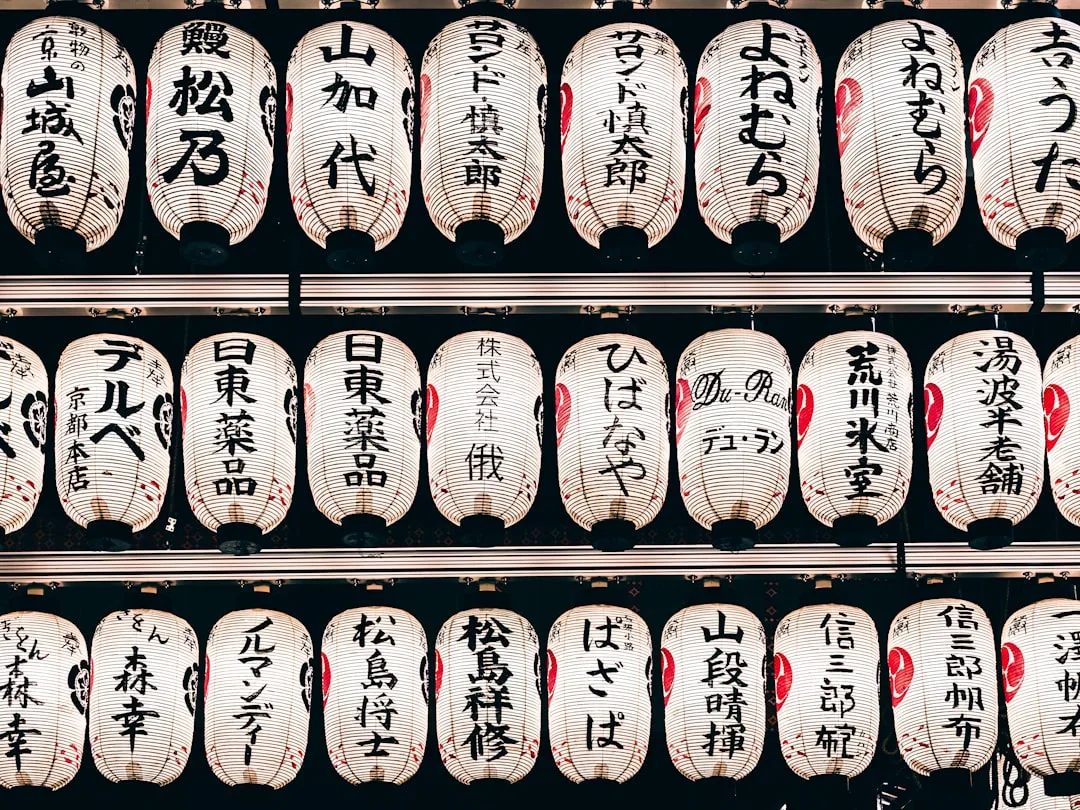
Master Japanese grammar particles: wa, ga, wo, ni, de, he, to, no, mo, ka and more. 30+ example sentences with hiragana, romaji, and English translations.
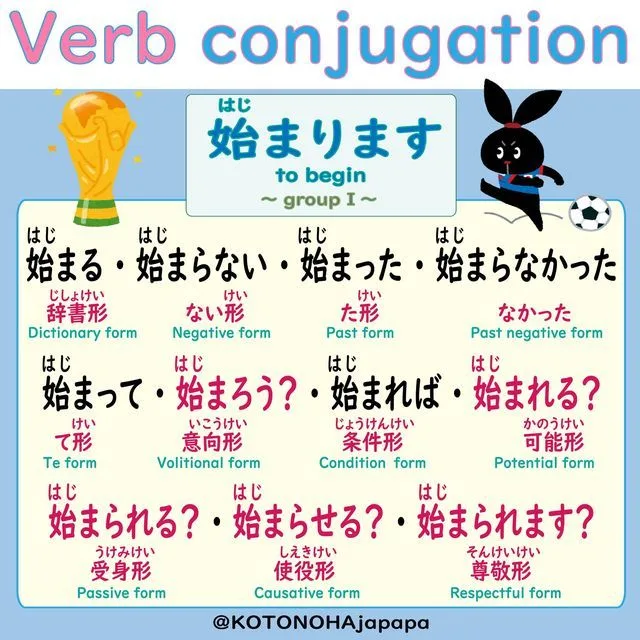
Learn Japanese verb conjugation: U-verbs, RU-verbs, irregular verbs, polite and plain forms, te-form uses, with full tables in hiragana, romaji, and English.
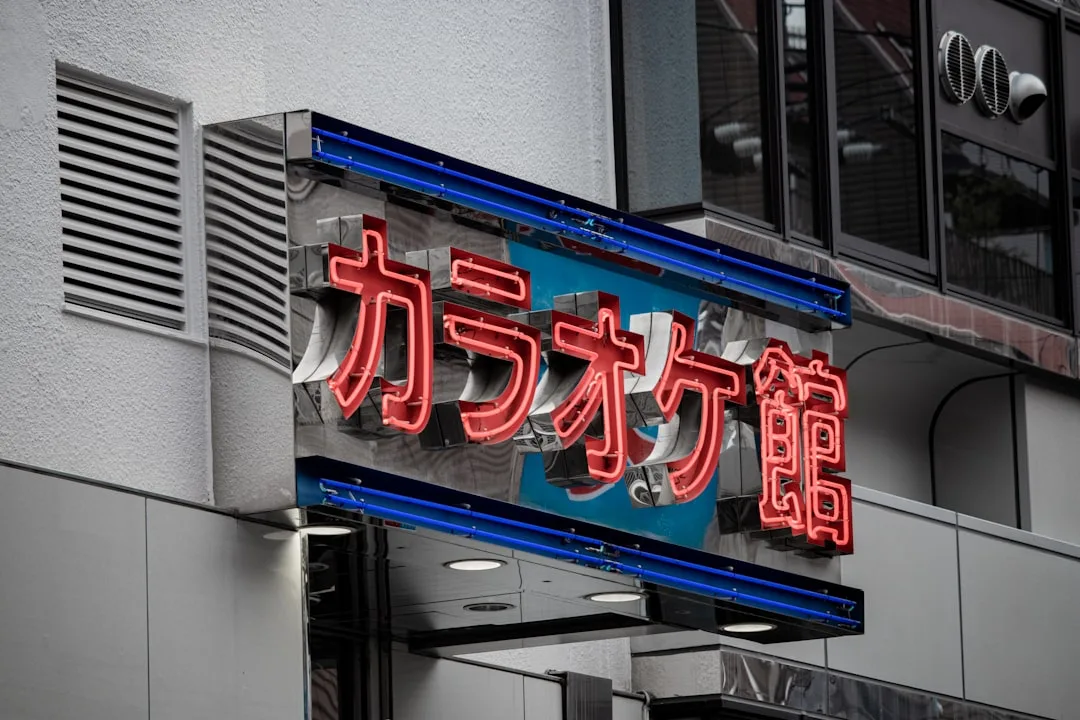
Learn all 46 katakana characters with the full chart, hiragana comparison table, 35+ common loanwords, and clear rules for when katakana is used in Japanese.
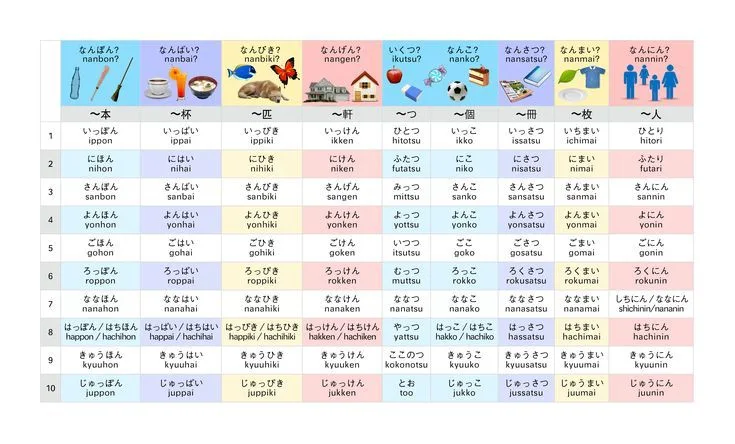
Complete Japanese counter reference: 人, 匹, 頭, 本, 枚, 台, 冊, 個, 杯 and more. Reading changes at 1, 3, 6, 8, 10 and native vs Sino numbers.
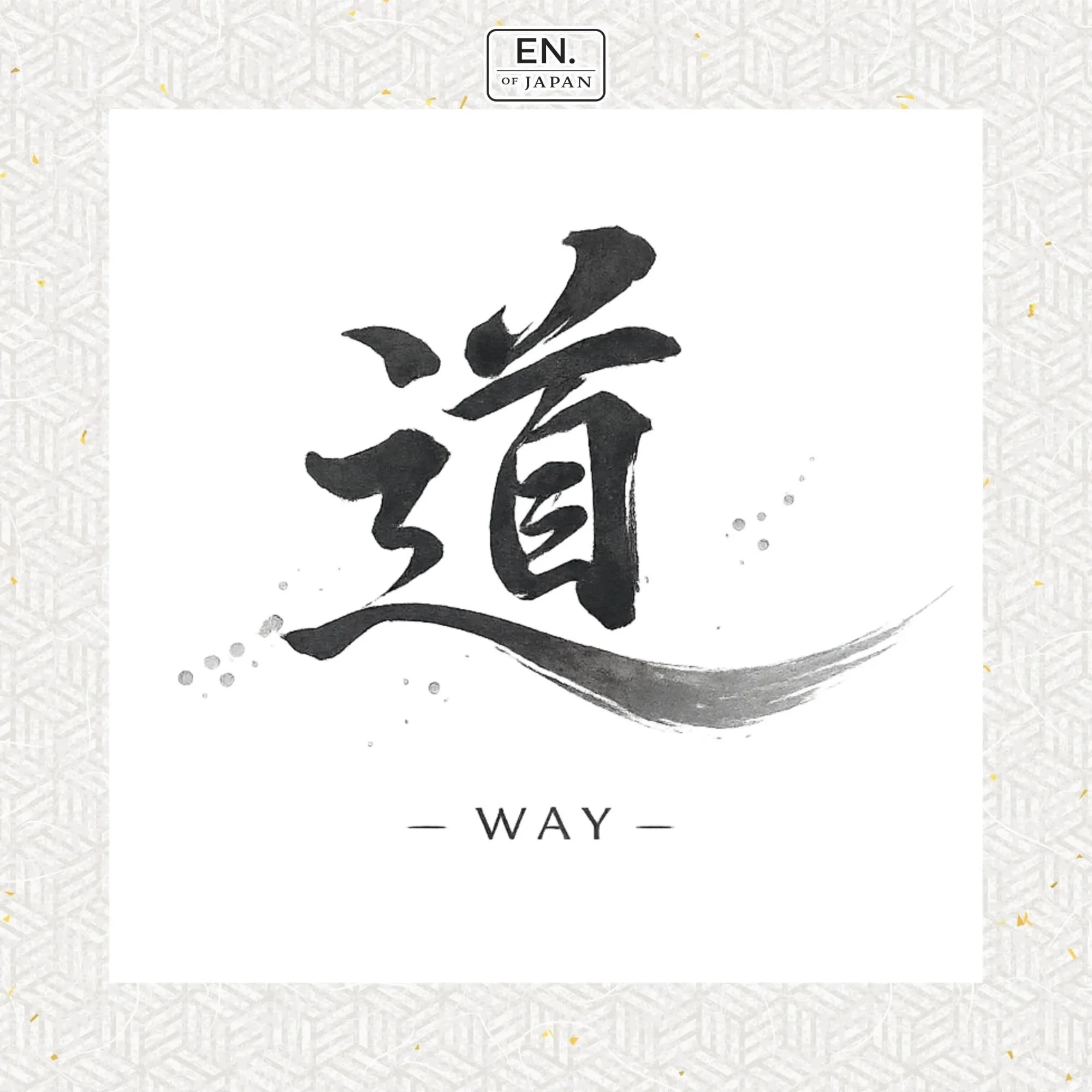
Complete kanji reference: on'yomi vs kun'yomi readings, 7 stroke order rules, key radicals, and a table of 50 most common kanji with readings.

Complete Japanese keigo reference: teineigo polite, sonkeigo respectful, kenjougo humble. Honorific verb transformations and social-context usage.
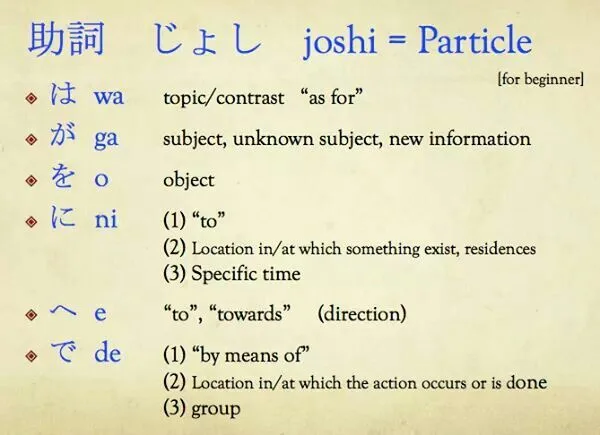
Complete Japanese particle reference: は, が, を, に, で, と, から, まで. Usage rules, contrasts (は vs が, に vs で), examples, and common mistakes.
Complete Japanese verb conjugation reference: godan (u-verbs), ichidan (ru-verbs), and irregular suru/kuru through dictionary, masu, te, ta, potential, passive, causative, volitional.

Japanese body parts, medical vocabulary, symptoms, and pharmacy phrases: atama, te, ashi, me, kuchi, isha, byouin, kusuri, with dialogue examples.
Japanese color vocabulary and adjective conjugation: i-adjectives vs na-adjectives, past and negative forms, cultural meanings, with full conjugation tables.
Learn 100+ essential Japanese phrases for daily conversation: greetings, shopping, restaurants, emergencies, with hiragana, romaji, English, and cultural notes.
Complete Japanese calendar vocabulary: days of the week, months, times of day, reading the clock, relative time expressions like kyou, ashita, and kinou.

Japanese family vocabulary with in-group versus out-group terms: YOUR family vs someone else's, honorific prefixes, age-based terms, and social conventions.
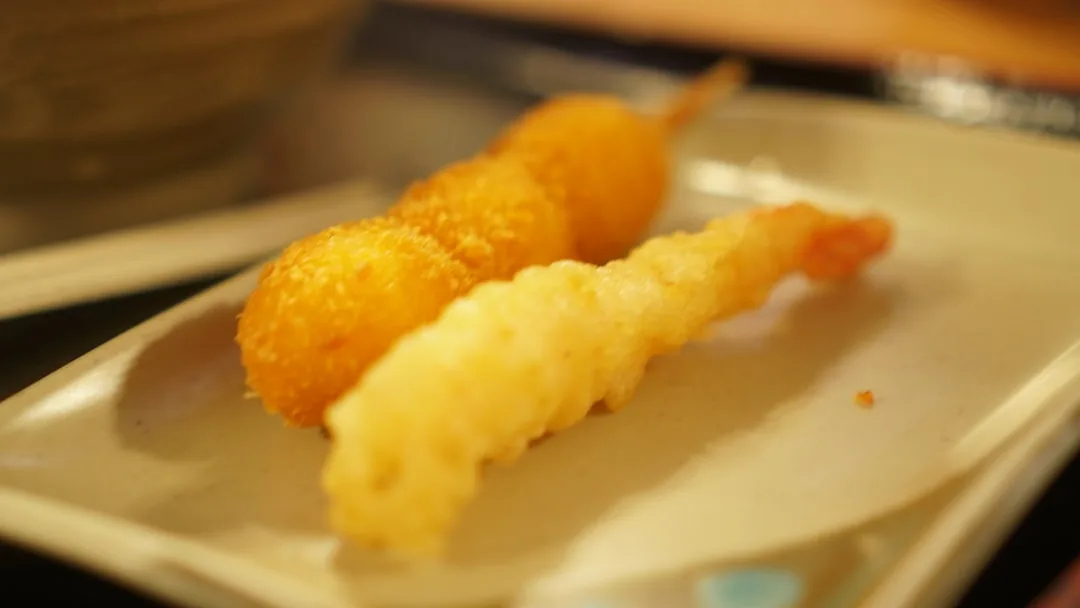
Master Japanese food vocabulary: foods, meals, cuisine terms, restaurant phrases, and cooking verbs in kanji, kana, romaji, and English, with cultural notes.
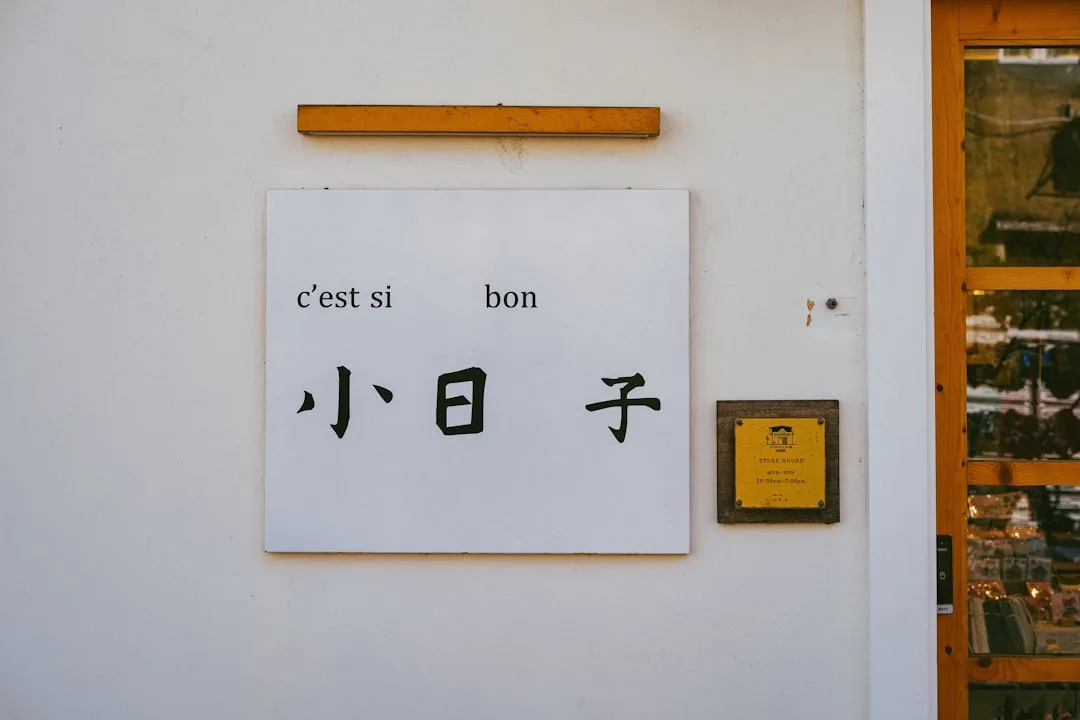
Japanese onomatopoeia guide: 50+ giongo (sound words) and gitaigo (mimetic words) such as wakuwaku, dokidoki, perapera, girigiri, with usage and examples.
The 100 most common Japanese verbs classified as U-verbs, RU-verbs, or irregular, with meanings, polite form conjugation, and usage examples for learners.
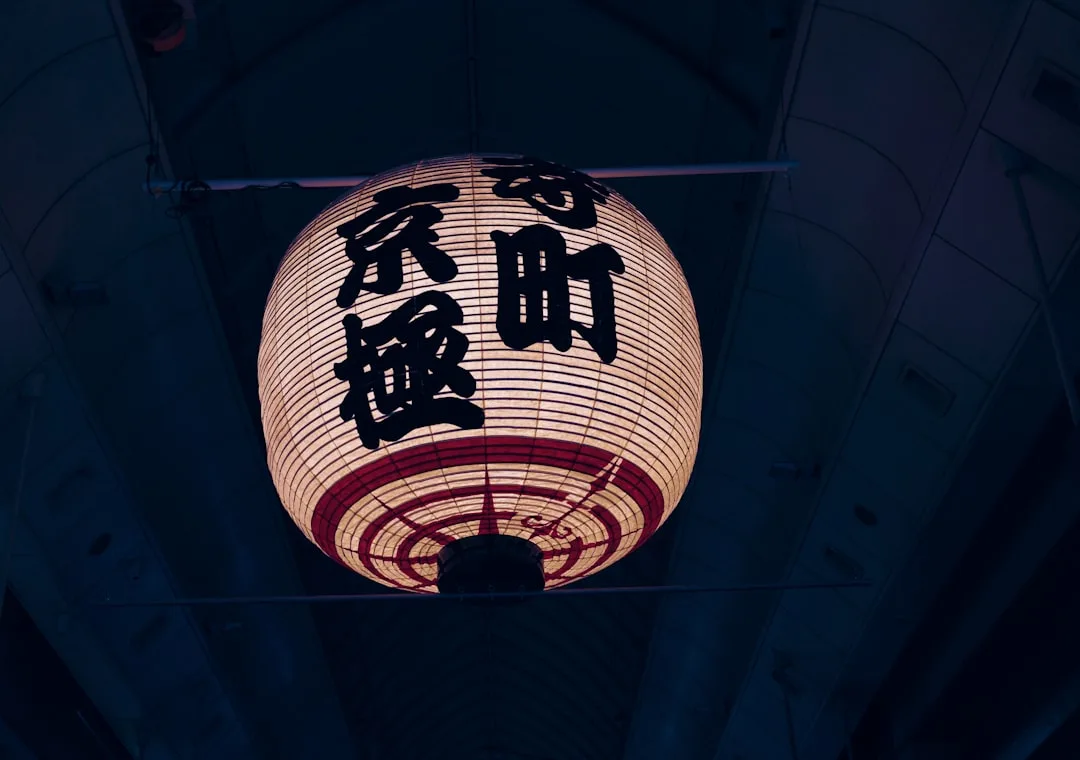
Essential Japanese travel phrases: airport, hotel, train, taxi, directions, signs, shrine and temple vocabulary, with cultural notes for visitors to Japan.

Japanese weather and seasons vocabulary: tenki, samui, atsui, ame, yuki, the four seasons with cultural associations, seasonal greetings, and nature terms.
Particles are short markers placed after a word to show its grammatical role: subject, object, location, direction, and so on. They do the job that word order does in English. Because Japanese word order is flexible, particles carry most of the structural meaning in a sentence.
Yes, all three are used together in ordinary Japanese text. Hiragana handles grammar and native words, katakana marks loanwords and emphasis, and kanji carries the core meaning of nouns and verb stems. Most learners start with hiragana, then katakana, then build kanji gradually.
Keigo is Japanese honorific language, used to show respect through special verb forms and vocabulary. It is expected in business, customer service, and when speaking to anyone senior to you. Using plain forms in those settings reads as rude, so keigo is a practical necessity rather than a refinement.