
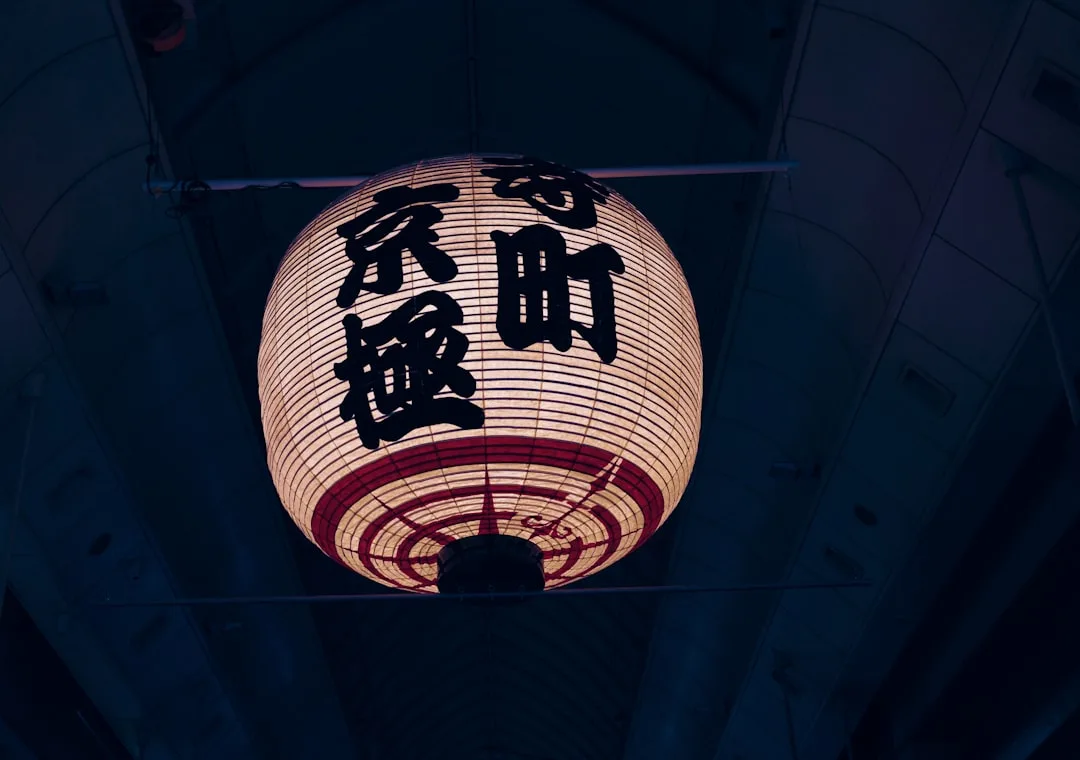
Traveling in Japan is one of the most rewarding ways to encounter the language at work. Daily transactions at airports, train stations, hotels, restaurants, and tourist sites follow predictable scripts, and a small inventory of phrases opens most doors.
Japan is also a country where the built environment reflects the language directly: signs in shrines, labels on bento boxes, ticket-machine interfaces, and vending-machine buttons are densely packed with words that are rare in conversation but constant in public space. Knowing how to read a few kanji and how to produce key set phrases turns navigation from a guessing game into a smooth exchange.
This reference collects travel vocabulary and phrases organized by the stages of a trip: arrival at the airport, checking in at a hotel, moving between cities by train and shinkansen, taking taxis, asking for directions, shopping, and visiting shrines and temples. Cultural notes explain the rituals and etiquette expected at each stage. Entries are in kanji and kana followed by Hepburn romaji and English.
The grammar assumed in this article is basic polite Japanese (teineigo). Plain speech and honorific language are out of scope for most tourist interactions, but staff at hotels and formal venues will often use keigo with guests; being able to recognize forms like ございます, いらっしゃいます, and お待ちしております helps even when you cannot yet produce them.
At the Airport
Arrival and departure each involve standardized interactions with immigration, customs, and airline staff.
| Japanese | Romaji | English |
|---|---|---|
| 空港 | kuukou | airport |
| 国際線 | kokusaisen | international terminal |
| 国内線 | kokunaisen | domestic terminal |
| 搭乗券 | toujouken | boarding pass |
| パスポート | pasupooto | passport |
| 税関 | zeikan | customs |
| 入国審査 | nyuukoku shinsa | immigration |
| 手荷物 | tenimotsu | carry-on baggage |
| 預け荷物 | azuke nimotsu | checked baggage |
| 出発 | shuppatsu | departure |
| 到着 | touchaku | arrival |
| 両替 | ryougae | currency exchange |
| 観光 | kankou | sightseeing |
| 観光ビザ | kankou biza | tourist visa |
| 滞在期間 | taizai kikan | length of stay |
Typical immigration exchange:
- Officer: ご旅行の目的は何ですか (goryokou no mokuteki wa nan desu ka) - what is the purpose of your trip
- Visitor: 観光です (kankou desu) - sightseeing
- Officer: 滞在期間は (taizai kikan wa) - length of stay
- Visitor: 一週間です (isshuukan desu) - one week
Tip for arrival: Have your hotel address written in Japanese characters. Hotel names often look identical in English but differ in kanji; showing a printed or screenshot address to taxi drivers and ticket agents prevents wrong routing.
At the Hotel
Japanese hotels range from capsule hotels and business hotels to high-end ryokan (traditional inns).
| Japanese | Romaji | English |
|---|---|---|
| ホテル | hoteru | hotel |
| 旅館 | ryokan | traditional inn |
| ビジネスホテル | bijinesu hoteru | business hotel |
| カプセルホテル | kapuseru hoteru | capsule hotel |
| 予約 | yoyaku | reservation |
| チェックイン | chekku in | check-in |
| チェックアウト | chekku auto | check-out |
| フロント | furonto | reception desk |
| 部屋 | heya | room |
| 鍵 | kagi | key |
| 朝食付き | choushoku tsuki | with breakfast |
| 無料 | muryou | free (of charge) |
| Wi-Fiはありますか | waifai wa arimasu ka | is there Wi-Fi |
| 荷物を預かってもらえますか | nimotsu wo azukatte moraemasu ka | can you store my bags |
| タクシーを呼んでください | takushii wo yonde kudasai | please call a taxi |
Example check-in script:
- Clerk: いらっしゃいませ。ご予約のお客様でしょうか (irasshaimase. goyoyaku no okyakusama deshou ka) - welcome. Are you a guest with a reservation
- You: はい、スミスで予約しています (hai, sumisu de yoyaku shite imasu) - yes, I have a reservation under Smith
- Clerk: パスポートをお願いします (pasupooto wo onegai shimasu) - passport, please
Cultural note on ryokan: Guests wear yukata provided by the inn, meals are served in the room or in a dining hall at fixed times, and many ryokan include access to an onsen. The futon bedding is laid out on the tatami floor during dinner and taken up after breakfast.
Trains and Shinkansen
Japan's rail system is dense, punctual, and organized around companies such as JR (Japan Railways) and private lines. The shinkansen (new trunk line) is the high-speed backbone of long-distance travel.
| Japanese | Romaji | English |
|---|---|---|
| 駅 | eki | station |
| 電車 | densha | train |
| 新幹線 | shinkansen | bullet train |
| 地下鉄 | chikatetsu | subway |
| 切符 | kippu | ticket |
| 券売機 | kenbaiki | ticket machine |
| みどりの窓口 | midori no madoguchi | JR ticket counter |
| 指定席 | shiteiseki | reserved seat |
| 自由席 | jiyuuseki | unreserved seat |
| 片道 | katamichi | one-way |
| 往復 | oufuku | round trip |
| 乗り換え | norikae | transfer |
| ホーム | hoomu | platform |
| 改札 | kaisatsu | ticket gate |
| ICカード | ai shii kaado | IC card (Suica, Pasmo) |
| 急行 | kyuukou | express |
| 各駅停車 | kakueki teisha | local (stops at every station) |
| 終電 | shuuden | last train |
| 始発 | shihatsu | first train |
Typical ticket-counter interactions:
- Customer: 京都まで二人、大人一枚と子供一枚お願いします (kyouto made futari, otona ichimai to kodomo ichimai onegai shimasu) - to Kyoto for two, one adult and one child please
- Customer: 指定席でお願いします (shiteiseki de onegai shimasu) - reserved seat please
Etiquette: Japanese trains are quiet. Phone calls are banned and speaking loudly is frowned upon. Priority seats should be left empty for older passengers, pregnant women, and people with disabilities. Eating is normal on the shinkansen but discouraged on commuter lines.
Taxis
| Japanese | Romaji | English |
|---|---|---|
| タクシー | takushii | taxi |
| タクシー乗り場 | takushii noriba | taxi stand |
| ここまでお願いします | koko made onegai shimasu | to this place please |
| ...まで行ってください | ... made itte kudasai | please go to ... |
| まっすぐ | massugu | straight |
| 次の信号 | tsugi no shingou | next traffic light |
| 次の角 | tsugi no kado | next corner |
| ここで止めてください | koko de tomete kudasai | please stop here |
| 領収書をください | ryoushuusho wo kudasai | receipt please |
| 急いでお願いします | isoide onegai shimasu | please hurry |
Japanese taxis have automatic rear-left doors. Do not touch the door; the driver opens and closes it with a lever from the front seat. Tipping is not expected.
Asking for Directions
| Japanese | Romaji | English |
|---|---|---|
| 道を教えてください | michi wo oshiete kudasai | please tell me the way |
| 近くに...はありますか | chikaku ni ... wa arimasu ka | is there a ... nearby |
| トイレはどこですか | toire wa doko desu ka | where is the bathroom |
| コンビニはどこですか | konbini wa doko desu ka | where is the convenience store |
| ATMはどこですか | eetiiemu wa doko desu ka | where is the ATM |
| 右 | migi | right |
| 左 | hidari | left |
| まっすぐ | massugu | straight |
| 前 | mae | in front |
| 後ろ | ushiro | behind |
| 近く | chikaku | near |
| 遠い | tooi | far |
| 近い | chikai | close |
| 交差点 | kousaten | intersection |
| 信号 | shingou | traffic light |
| 橋 | hashi | bridge |
| 駅の出口 | eki no deguchi | station exit |
Japanese addresses are not linear like western addresses; they use a hierarchical system of 区 (ward), 丁目 (chome), and 番地 (banchi). GPS or a map app is typically more reliable than asking someone to describe a route in words.
Common Signs
Being able to read a handful of kanji makes public space intelligible.
| Sign | Reading | English |
|---|---|---|
| 入口 | iriguchi | entrance |
| 出口 | deguchi | exit |
| 非常口 | hijouguchi | emergency exit |
| 押す | osu | push |
| 引く | hiku | pull |
| 開 | hirake / ai | open |
| 閉 | shime / hei | closed |
| 営業中 | eigyouchuu | open for business |
| 準備中 | junbichuu | preparing / closed temporarily |
| 禁煙 | kin'en | no smoking |
| 立入禁止 | tachiiri kinshi | no entry |
| 危険 | kiken | danger |
| 注意 | chuui | caution |
| 故障 | koshou | out of order |
| トイレ | toire | toilet |
| 男 | otoko | men |
| 女 | onna | women |
| 会計 | kaikei | cashier |
| 現金 | genkin | cash |
Shrines and Temples
Japan has more than 80,000 Shinto shrines and 77,000 Buddhist temples. They are separate religions with distinct architecture and vocabulary, though many Japanese people engage with both.
| Japanese | Romaji | English |
|---|---|---|
| 神社 | jinja | Shinto shrine |
| お寺 | otera | Buddhist temple |
| 鳥居 | torii | shrine gate |
| 本殿 | honden | main shrine hall |
| 手水舎 | temizuya | purification fountain |
| 賽銭箱 | saisen bako | offering box |
| 絵馬 | ema | wooden prayer plaque |
| お守り | omamori | protective charm |
| おみくじ | omikuji | fortune slip |
| 御朱印 | goshuin | temple/shrine stamp |
| 仏像 | butsuzou | Buddha statue |
| 境内 | keidai | shrine/temple grounds |
| 参拝 | sanpai | worship visit |
Cultural note on shrine visits: The sequence at a Shinto shrine is bow, bow, clap, clap, pray silently, bow. At a Buddhist temple, the claps are omitted. Coins of 5 yen (五円, goen) are traditional for offerings because the word goen also means "good connection" in Japanese.
Common phrases at shrines and temples:
- お賽銭を入れる (osaisen wo ireru) - put in an offering
- 願い事を書く (negaigoto wo kaku) - write a wish (on an ema)
- おみくじを引く (omikuji wo hiku) - draw a fortune
- 御朱印をいただく (goshuin wo itadaku) - receive a temple stamp
Onsen Etiquette Vocabulary
| Japanese | Romaji | English |
|---|---|---|
| 温泉 | onsen | hot spring |
| 銭湯 | sentou | public bathhouse |
| 湯船 | yubune | bathtub |
| 脱衣所 | datsuijo | changing room |
| 露天風呂 | roten buro | outdoor bath |
| 男湯 | otoko yu | men's bath |
| 女湯 | onna yu | women's bath |
| タオル | taoru | towel |
| 洗い場 | araiba | washing area |
| 刺青 | irezumi | tattoo |
Tattoos have historically been associated with organized crime in Japan, which is why many onsen refuse entry to tattooed guests. Travel-oriented facilities increasingly offer cover stickers or private rooms.
Common Mistakes
- Tipping. Tips are not customary and may cause discomfort. Exceptional service is acknowledged with sincere words, not cash.
- Talking loudly on trains. Ringers, phone calls, and raised voices are seen as disruptive.
- Touching taxi doors. They open automatically; pushing or pulling can damage the mechanism.
- Walking through a torii gate down the center. The center is reserved for the kami (deity); visitors traditionally walk slightly off-center.
- Wearing outdoor shoes on tatami or in ryokan rooms. Slippers are provided; shoes are left at the entrance and slippers are removed before stepping on tatami.
Quick Reference
- Where is the station: 駅はどこですか (eki wa doko desu ka)
- To this address please: この住所までお願いします (kono juusho made onegai shimasu)
- One-way or round-trip: 片道ですか往復ですか (katamichi desu ka oufuku desu ka)
- May I take a photo: 写真を撮ってもいいですか (shashin wo totte mo ii desu ka)
- Can I use a card: カードは使えますか (kaado wa tsukaemasu ka)
- The last train: 終電 (shuuden)
- Emergency exit: 非常口 (hijouguchi)
- I am lost: 道に迷いました (michi ni mayoimashita)
- Help: 助けて (tasukete)
See Also
- Japanese Common Phrases: Daily Conversation Reference
- Japanese Food Vocabulary: Restaurant and Cooking Reference
- Japanese Counting: Numbers and Counters Guide
- Hiragana Complete Guide
- Katakana Complete Guide
- Japanese Kanji: Stroke Order, Radicals, Reading
- Japanese Keigo: Honorific Language
Frequently Asked Questions
Do I need Japanese to travel in Japan?
Large international hubs like Tokyo, Osaka, and Kyoto have visible English signage and many English-speaking staff. However, outside major tourist corridors, English is sparse. Basic phrases for directions, food, and payments meaningfully improve the experience and are appreciated as a sign of respect.
What is the difference between 新幹線 and 電車?
電車 (densha) is the generic word for train and covers commuter trains, subways, and most railways. 新幹線 (shinkansen) specifically refers to the high-speed bullet train network. Tickets and platforms for shinkansen are separate, and reservations are typically required for the non-unreserved cars.
What should I say when entering a shrine or temple?
At a shrine (神社, jinja), cleanse hands and mouth at the temizuya fountain, bow twice at the main hall, clap twice, make a silent prayer, and bow once more. At a Buddhist temple (お寺, otera), the procedure is similar but without clapping. Quietly saying お邪魔します (ojama shimasu) when stepping onto raised platforms is respectful.
Are taxi drivers in Japan expected to help with luggage?
Yes. Japanese taxi doors open automatically and drivers often stay seated while opening the trunk by a lever. Tipping is not customary. A simple ありがとうございます on arrival is sufficient.
How do I buy a ticket for the shinkansen?
Use a 券売機 (kenbaiki, ticket machine) or the みどりの窓口 (midori no madoguchi, Green Window) counter in major JR stations. International visitors often purchase a JR Pass in advance. At the Green Window you can say 東京までの新幹線の切符をお願いします (toukyou made no shinkansen no kippu wo onegai shimasu).
Why are so many signs showing kanji only?
Traditional signage uses kanji for brevity and readability at distance. Major stations now usually include romaji, but small-town signs, shrine names, and handwritten menus often remain kanji-only. A phone with an OCR-capable translation app is a practical tool for travel in rural areas.
What is the proper etiquette for a Japanese hot spring (onsen)?
Wash thoroughly at the shower stations before entering the bath; use the small towel for modesty but keep it out of the water; do not submerge your head; and speak quietly. Traditional onsen may refuse entry to visitors with large tattoos, although many modern facilities have relaxed this rule or offer private bath rentals.