Russian grammar and vocabulary explained: guides, references, and examples for learners at every level.

Learn all 33 Russian Cyrillic letters: capital and lowercase, pronunciation, false friends (P=R, C=S, H=N, B=V), letter groups by difficulty, and memorization tips.
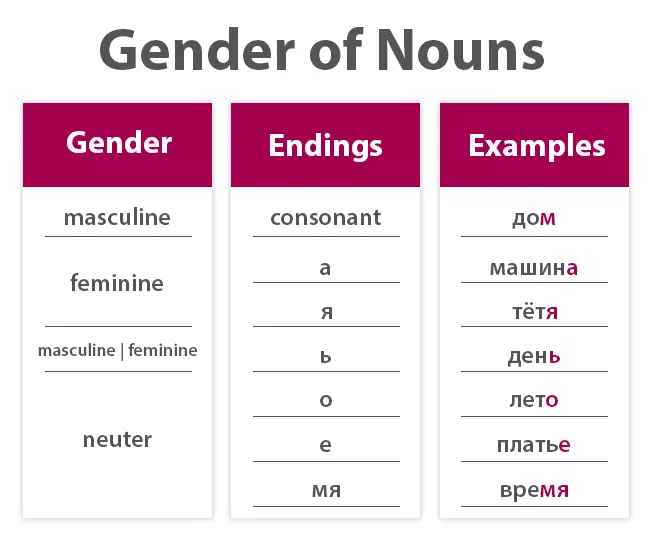
Complete guide to Russian gender: masculine, feminine, neuter nouns, how to identify gender from endings, adjective agreement tables, plural forms, and 30+ examples.
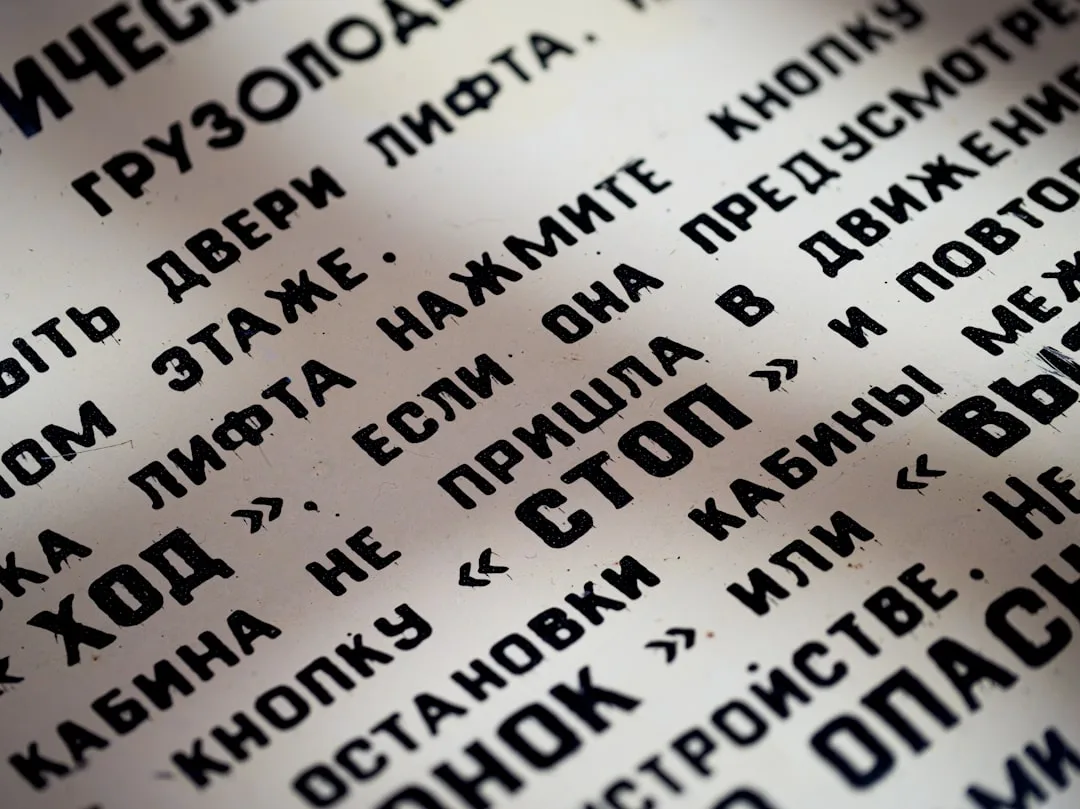
Master all 6 Russian cases: Nominative, Accusative, Genitive, Dative, Instrumental, Prepositional with noun endings tables, 30+ examples, and common prepositions by case.
Complete Russian pronunciation guide: vowel reduction rules, stress patterns, hard vs soft consonants, consonant clusters, voiced/voiceless pairs with Cyrillic and transliteration examples.
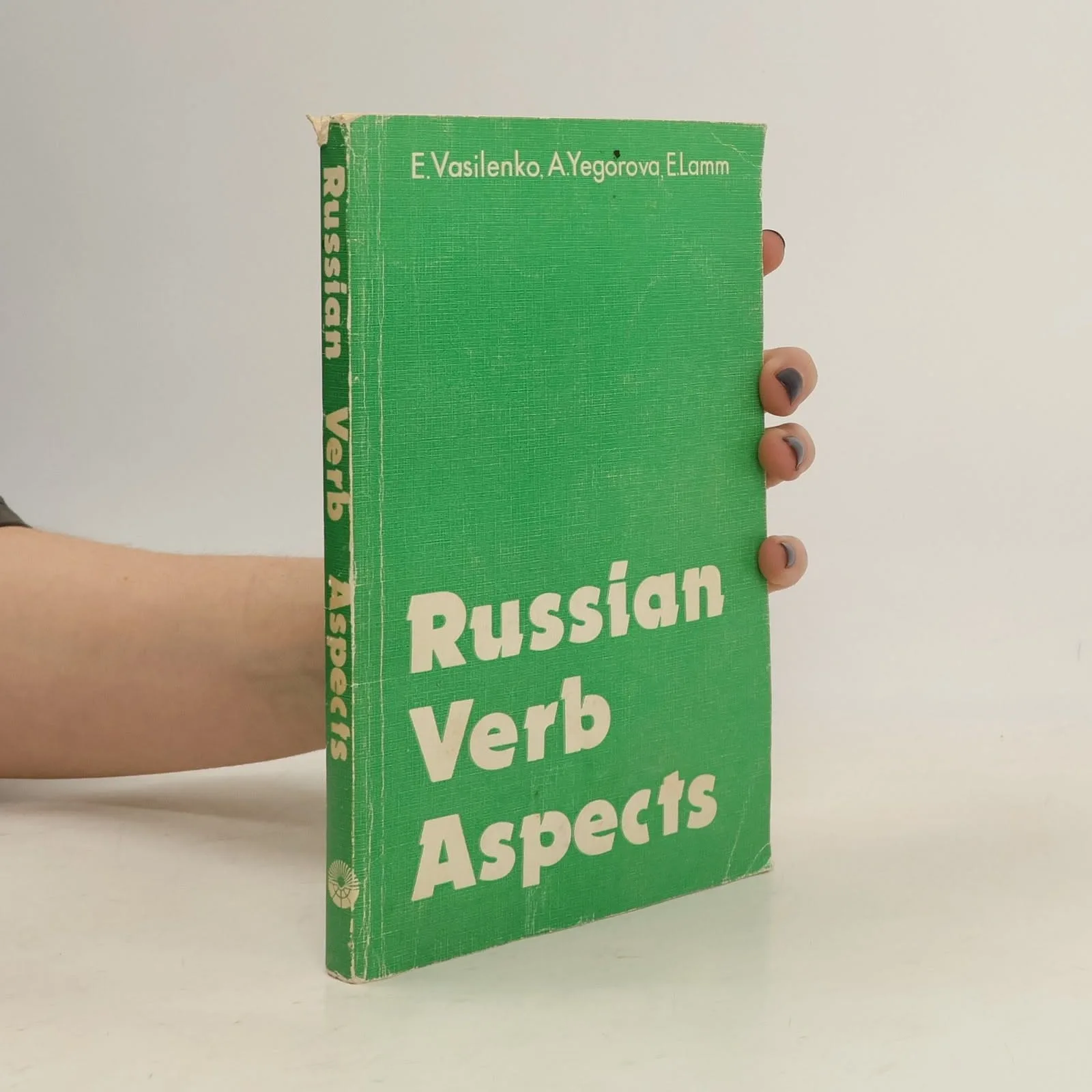
Complete guide to Russian verb aspects: perfective vs imperfective with aspect pair tables, conjugation examples with Cyrillic and transliteration, and a clear decision framework.
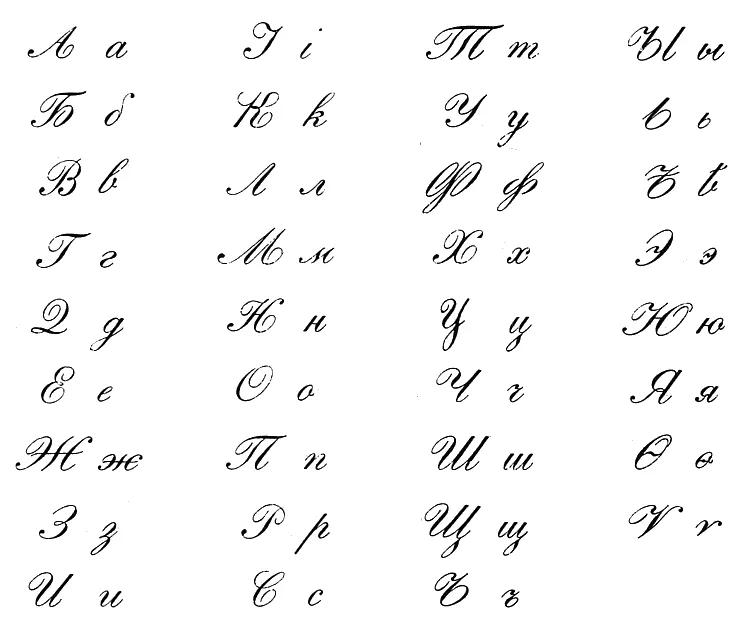
Complete Cyrillic reference: all 33 Russian letters with IPA, transliteration, print and cursive forms, stress marks, and false-friend letters for English speakers.

Complete reference for Russian numbers 1-100: cardinals, ordinals, declension tables, and the rules that govern noun case after numbers (gen sg, gen pl).

Complete Russian pronoun reference: personal, possessive, reflexive, demonstrative, interrogative, and negative pronouns with full declension tables across all six cases.
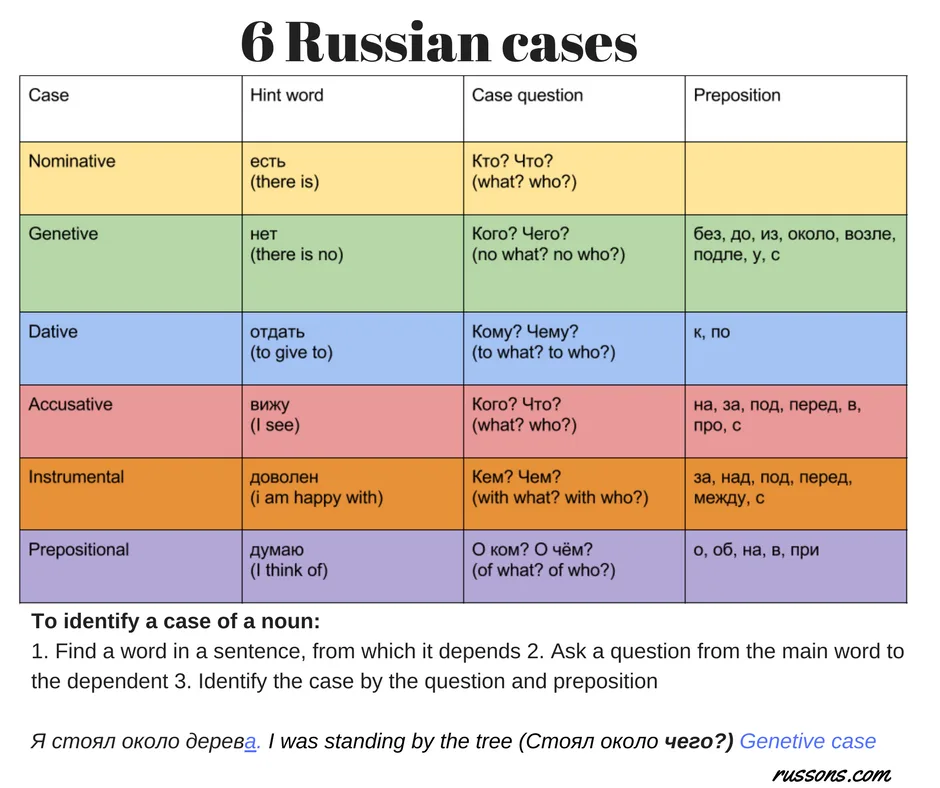
Complete reference to the six Russian cases: functions, full declension tables for all three genders, governing prepositions, and memory mnemonics for learners.
Deep reference to Russian verb aspect: imperfective vs perfective meanings, aspect-pair formation, tense combinations, motion verbs, and trigger words.

Russian body parts, organs, symptoms, pharmacy and doctor phrases. Master the У меня болит construction and essential medical Russian with examples.

Russian colors with full gender agreement (красный/красная/красное), descriptive adjectives, antonyms, comparatives, and the синий vs голубой distinction.
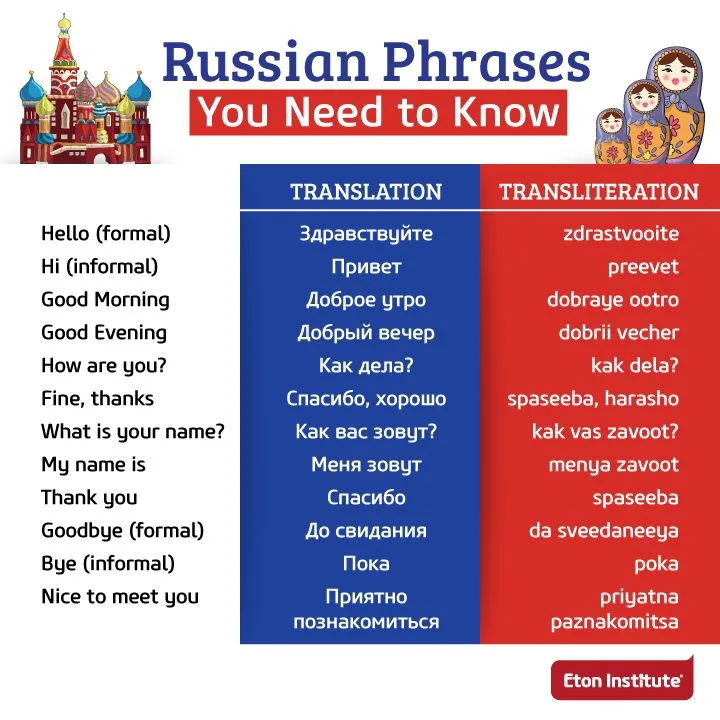
100+ essential Russian phrases with Cyrillic, transliteration, and English: greetings, politeness, directions, restaurants, shopping, emergencies.

Russian days, months, seasons, times of day, telling time, and temporal adverbs. Cases for each time unit and full examples.

Russian family vocabulary: immediate and extended family, in-laws, step-relations, diminutives, and the patronymic system with full grammar notes.

Russian food vocabulary: staples, meals, iconic dishes (борщ, пельмени, блины), restaurant phrases, cooking verbs, partitive genitive usage.
Russian negation: не vs нет, obligatory double negatives (никто не, ничего не), genitive of negation, ни... ни correlatives, and нечего/некого constructions.

The 100 most common Russian verbs with aspect pairs, English glosses, conjugation patterns, and usage notes for motion, speech, cognition, and daily actions.

Russian travel phrases for airport, taxi, metro, hotel, directions, emergencies. Signage vocabulary and tourist survival Russian with Cyrillic and transliteration.

Russian weather, seasons, temperature, and nature vocabulary. Master the impersonal Холодно construction and the Идёт дождь pattern for talking about weather.
Russian has six cases: nominative, genitive, dative, accusative, instrumental, and prepositional. Each case changes the ending of nouns, adjectives, and pronouns to show the word's role in the sentence. Word order is therefore far more flexible than in English, because the endings carry the grammatical relationships.
Russian verbs come in aspect pairs. The imperfective describes an ongoing, repeated, or unfinished action; the perfective describes a single completed action with a result. Most verbs have both forms, and choosing between them is closer to choosing a tense in English than choosing a synonym.
Yes, and it is the fastest part of the process. The Cyrillic alphabet has 33 letters, many of which look or sound familiar to readers of the Latin alphabet. Most learners read Cyrillic within a week or two, well before they can hold a conversation.