
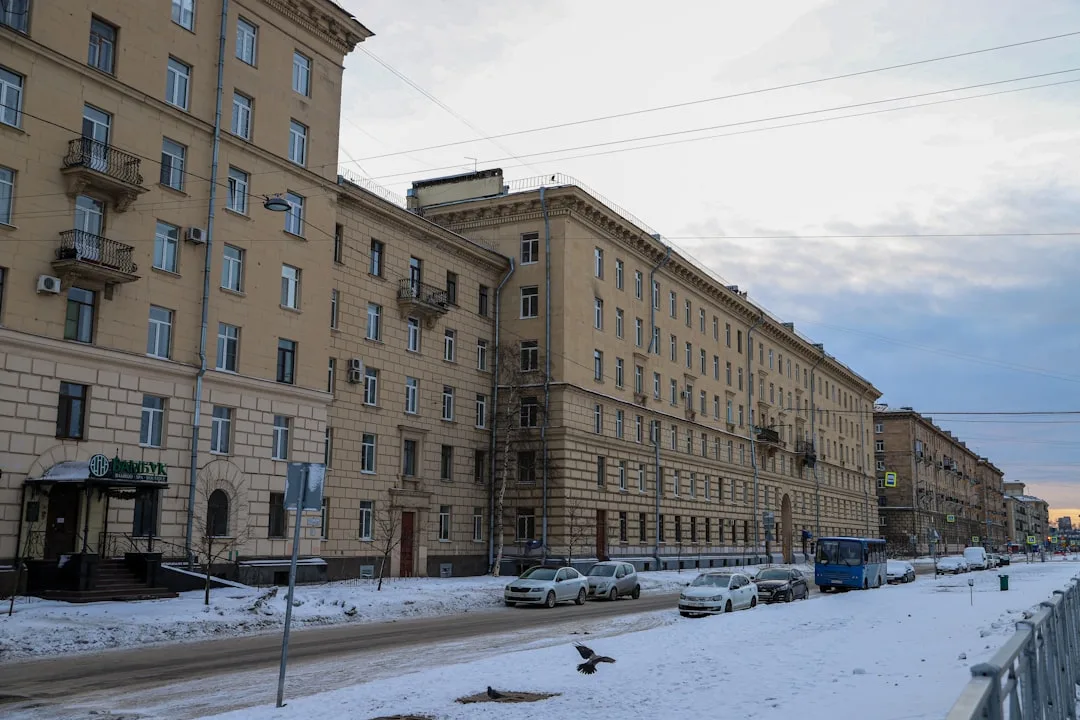
Weather is the universal small-talk topic, and in Russia it is also a serious practical domain. A Moscow winter reaches -20°C on unremarkable days; a Siberian winter can drop below -40°C; a Black Sea summer touches +35°C.
Russian speakers discuss weather with vocabulary that reflects this range: separate words for light snow, wet snow, blizzards, and frost, and a set of impersonal constructions built for talking about atmospheric conditions without a grammatical subject. A learner who can say Сегодня холодно (It is cold today) or Идёт снег (It is snowing) has already joined the conversation most Russians are having at any given moment.
This reference covers weather conditions, seasonal vocabulary, the impersonal weather-talk construction, nature and landscape terms, and idiomatic expressions related to weather and the natural world. For the grammatical context of мне холодно (I am cold - dative experiencer), see the Russian pronouns reference.
For the cases governing temporal weather talk (зимой бывает холодно), see the Russian six cases reference. Seasonal timing lines up with months; see the Russian days, months, and time expressions reference.
Core Weather Vocabulary
Table 1. Basic weather states.
| Russian | Transliteration | English |
|---|---|---|
| погода | pogoda | weather |
| солнце | solntse | sun |
| дождь | dozhd | rain |
| снег | sneg | snow |
| ветер | veter | wind |
| облако | oblako | cloud |
| туман | tuman | fog |
| гроза | groza | thunderstorm |
| молния | molniya | lightning |
| гром | grom | thunder |
| град | grad | hail |
| мороз | moroz | frost / severe cold |
| жара | zhara | heat |
| холод | kholod | cold |
| температура | temperatura | temperature |
| прогноз погоды | prognoz pogody | weather forecast |
Table 2. Weather adjectives and states.
| Russian | Transliteration | English |
|---|---|---|
| солнечный | solnechnyy | sunny |
| дождливый | dozhdlivyy | rainy |
| снежный | snezhnyy | snowy |
| ветреный | vetrenyy | windy |
| пасмурный | pasmurnyy | overcast |
| облачный | oblachnyy | cloudy |
| ясный | yasnyy | clear |
| тёплый | tyoplyy | warm |
| жаркий | zharkiy | hot |
| холодный | kholodnyy | cold |
| прохладный | prokhladnyy | cool |
| сухой | sukhoy | dry |
| влажный | vlazhnyy | humid |
The Impersonal Weather Construction
Russian has a special set of adverb-like forms used for describing weather without any grammatical subject. These end in -о and are sometimes called "predicative adverbs" or "state category" words.
Table 3. Impersonal weather statements.
| Russian | Transliteration | English |
|---|---|---|
| Холодно. | Kholodno. | It is cold. |
| Тепло. | Teplo. | It is warm. |
| Жарко. | Zharko. | It is hot. |
| Прохладно. | Prokhladno. | It is cool. |
| Солнечно. | Solnechno. | It is sunny. |
| Пасмурно. | Pasmurno. | It is overcast. |
| Облачно. | Oblachno. | It is cloudy. |
| Ветрено. | Vetreno. | It is windy. |
| Сыро. | Syro. | It is damp. |
| Туманно. | Tumanno. | It is foggy. |
| Морозно. | Morozno. | It is frosty. |
| Дождливо. | Dozhdlivo. | It is rainy. |
These are complete sentences. Nothing else is needed - no subject, no "it is." You can add a location or a time:
- В Москве холодно. - It is cold in Moscow.
- Сегодня жарко. - It is hot today.
- Зимой холодно. - It is cold in winter.
Personalized: Мне холодно
To say I am cold, use the dative + impersonal form:
- Мне холодно. - I am cold. (lit. "to me cold")
- Ему жарко. - He is hot.
- Нам было холодно. - We were cold.
- Тебе тепло? - Are you warm?
This construction is the standard way to express personal temperature sensation. Avoid literal *Я холодный - that would mean "I am a cold person" in a physical/metaphorical sense, not "I feel cold."
Memory tip. The impersonal Холодно vs the personal Мне холодно - first one is about the weather, the second about you. Mnemonic: "weather is just cold; I have coldness assigned to me."
Precipitation: Rain and Snow
Table 4. Types of precipitation.
| Russian | Transliteration | English |
|---|---|---|
| дождь | dozhd | rain |
| ливень | liven | downpour |
| морось | moros | drizzle |
| снег | sneg | snow |
| снегопад | snegopad | snowfall |
| метель | metel | blizzard |
| вьюга | vyuga | snowstorm |
| пурга | purga | snowstorm (stronger) |
| слякоть | slyakot | slush |
| гололёд | gololyod | black ice |
| наст | nast | hard crust on snow |
Saying it is raining / snowing
Russian uses the verb идти (to go) with precipitation:
- Идёт дождь. - It is raining. (lit. "Rain is going")
- Идёт снег. - It is snowing.
- Шёл дождь весь день. - It rained all day.
- Пошёл дождь. - It started to rain.
- Перестал идти снег. - It stopped snowing.
Cultural note. Russian has a rich vocabulary for snow not because the culture has "hundreds of words for snow" (a myth usually told about other languages), but because snow conditions really do vary meaningfully: метель (wind-blown snow), слякоть (slush, common in city thaws), наст (the crust that forms when snow freezes after melting slightly). A St. Petersburg winter produces all of these.
Temperature
Table 5. Temperature vocabulary.
| Russian | Transliteration | English |
|---|---|---|
| температура | temperatura | temperature |
| градус | gradus | degree |
| плюс | plyus | plus |
| минус | minus | minus |
| выше нуля | vyshe nulya | above zero |
| ниже нуля | nizhe nulya | below zero |
| тепло | teplo | warm |
| жара | zhara | heat |
| мороз | moroz | frost / freezing |
| сорокаградусный мороз | sorokagradusnyy moroz | forty-degree frost |
Russians universally use Celsius. Weather reports say:
- Сегодня плюс двадцать градусов. - Today is 20 above zero (+20°C).
- Минус пятнадцать. - Negative fifteen (-15°C).
- Температура около нуля. - Temperature around zero.
The word градус inflects with numbers like any masculine noun: 1 градус, 2/3/4 градуса, 5+ градусов. For full number-noun rules, see the Russian numbers 1 to 100 reference.
The Four Seasons
Table 6. Seasons with case for "in...".
| Russian | Transliteration | English | Case for "in..." |
|---|---|---|---|
| зима | zima | winter | зимой (instr) |
| весна | vesna | spring | весной (instr) |
| лето | leto | summer | летом (instr) |
| осень | osen | autumn | осенью (instr) |
Crucially, seasons take the instrumental case with no preposition to mean "in winter": зимой, not *в зиме. Parallel to times of day (утром, вечером).
Winter
Table 7. Russian winter vocabulary.
| Russian | English |
|---|---|
| снег | snow |
| сугроб | snowdrift |
| лёд | ice |
| сосулька | icicle |
| иней | frost (on surfaces) |
| снежинка | snowflake |
| снежки | snowballs |
| лыжи | skis |
| коньки | skates |
| шуба | fur coat |
| варежки | mittens |
| валенки | felt boots |
Russian winter has an outsized cultural presence. Classics like Pushkin's Зима. Крестьянин, торжествуя and Nekrasov's Мороз, Красный нос cemented winter as a poetic theme; modern Russians face it as a practical reality, with salted roads, down coats, and heated маршрутки.
Spring, Summer, Autumn
Table 8. Other seasons.
| Russian | English |
|---|---|
| тает снег | the snow is melting |
| капель | dripping icicles |
| цветение | blooming |
| зелень | greenery |
| жара | heat |
| загар | suntan |
| купаться | to swim |
| листопад | falling leaves |
| урожай | harvest |
| грибы | mushrooms (autumn pastime) |
Memory tip. Капель (the sound of dripping water from melting icicles) is one of those Russian words without a neat English equivalent. It specifically denotes the seasonal phenomenon of spring thaw, with the rhythm of drops that marks winter's end.
Nature and Landscape
Table 9. Natural features.
| Russian | Transliteration | English |
|---|---|---|
| природа | priroda | nature |
| лес | les | forest |
| тайга | tayga | taiga (boreal forest) |
| поле | pole | field |
| луг | lug | meadow |
| степь | step | steppe |
| гора | gora | mountain |
| холм | kholm | hill |
| река | reka | river |
| озеро | ozero | lake |
| море | more | sea |
| океан | okean | ocean |
| берег | bereg | shore / riverbank |
| пляж | plyazh | beach |
| остров | ostrov | island |
| болото | boloto | swamp |
| пустыня | pustynya | desert |
| долина | dolina | valley |
| водопад | vodopad | waterfall |
| пещера | peshchera | cave |
Table 10. Plants and trees.
| Russian | Transliteration | English |
|---|---|---|
| дерево | derevo | tree |
| куст | kust | bush |
| трава | trava | grass |
| цветок | tsvetok | flower |
| лист | list | leaf |
| берёза | beryoza | birch |
| дуб | dub | oak |
| сосна | sosna | pine |
| ель | yel | fir |
| клён | klyon | maple |
| ромашка | romashka | chamomile / daisy |
| роза | roza | rose |
| подсолнух | podsolnukh | sunflower |
The берёза (birch) is a national symbol - emblem of Russian landscape, featured in folk songs and poetry, considered representatively "Russian" the way the oak is "English" or the cherry blossom is "Japanese."
Weather Talk: Sample Dialogues
Dialogue 1: Small talk
- А: Как сегодня погода?
- Б: Холодно, минус десять.
- А: Одевайтесь теплее!
Dialogue 2: Forecast
- А: Что передают на завтра?
- Б: Обещают снег и ветер.
- А: Опять метель...
Dialogue 3: Summer
- А: Какая жара!
- Б: Да, плюс тридцать пять. Жарко невыносимо.
- А: Пойдём купаться.
Weather Idioms
Table 11. Weather-related expressions.
| Russian | Literal | Meaning |
|---|---|---|
| После дождичка в четверг | After the little rain on Thursday | Never / when pigs fly |
| Как с гуся вода | Like water off a goose | Water off a duck's back |
| Буря в стакане воды | A storm in a glass of water | Much ado about nothing |
| Гром среди ясного неба | Thunder in a clear sky | A bolt from the blue |
| Не всё коту масленица | Not every day is Maslenitsa for the cat | Good times do not last |
| Мороз по коже | Frost on the skin | Chills (from fear) |
Common Mistakes English Speakers Make
- Using В for seasons. Wrong: *в зиме. Right: зимой (instrumental).
- Literal "I am cold." Wrong: *Я холодный (I am a cold person). Right: Мне холодно (dative + impersonal).
- Mixing холод (noun) and холодно (adverb). Холод is the noun "cold"; холодно is "it is cold" / "I feel cold" (with dative).
- Confusing жарко and горячий. Жарко = hot weather. Горячий = hot (touchable temperature). A hot day is жарко; hot tea is горячий чай.
- Trying to say "it is snowing" with "it." Russian just says Идёт снег - no "it" equivalent. The snow itself is the subject.
Common mistake. English speakers often ask Как погода? But Russian prefers Какая погода? (What is the weather like?) using the interrogative adjective matching the feminine noun погода. Как is fine in some contexts but sounds slightly less idiomatic.
Quick Reference Cheat Sheet
Weather essentials:
- Сегодня холодно / тепло / жарко - Today it is cold / warm / hot
- Идёт дождь / снег - It is raining / snowing
- Плюс двадцать / минус пять - +20 / -5 (degrees)
- Ветер сильный - Strong wind
- Прогноз погоды - Weather forecast
Seasons (instrumental):
- зимой / весной / летом / осенью
Dressing warmly:
- Одевайся теплее! - Dress warmly!
- Возьми зонт - Take an umbrella
- На улице мороз - It is freezing outside
Frequently Asked Questions
Why does Russian use instrumental for seasons but accusative for days? The seasons and times of day were historically understood as the "means by which" something happens (instrumental); day-of-week events are more punctual (accusative). Modern speakers simply learn them as patterns.
What is the coldest temperature commonly reached in Russia? Most of European Russia sees -20 to -30°C in mid-winter. Siberia routinely drops below -40°C; Yakutsk is among the coldest inhabited cities on Earth, with recorded temperatures near -60°C.
Is it always snowy in Russia? No. Southern Russia (Sochi, Krasnodar) has Mediterranean-style winters. Moscow has reliable winter snow roughly December through March; St. Petersburg's winters alternate snow and slush because of its maritime climate.
What is валенки? Felt boots made of compressed wool, traditional Russian winter footwear. Still worn in rural areas and by children; seen as both practical and iconically Russian.
How do you say "it is cold outside"? На улице холодно - literally "on the street it is cold." Russians say на улице to mean "outside" in general, not strictly a street.
What is the difference between погода and климат? Погода is short-term weather (today, this week). Климат is long-term climate patterns of a region.
Why is birch (берёза) so important? Symbolic association: birches dot the Russian countryside, figure prominently in folk songs ("В поле берёза стояла"), and appear in countless poems. The white-bark tree became a shorthand for Russianness itself.
See Also
- Russian days, months, and time expressions reference
- Russian colors, adjectives, and descriptions reference
- Russian grammar cases complete guide
- Russian six cases reference
- Russian pronouns personal, possessive, demonstrative reference
- Russian common phrases for daily conversation reference
- Russian numbers 1 to 100 cardinal, ordinal, with declension
Author: Kalenux Team
Frequently Asked Questions
Why does Russian use instrumental for seasons but accusative for days?
Seasons and times of day were historically the ‘means by which’ something happens (instrumental); day-of-week events are more punctual (accusative). Modern speakers learn them as patterns.
What is the coldest temperature commonly reached in Russia?
European Russia sees -20 to -30°C in mid-winter. Siberia routinely drops below -40°C; Yakutsk has recorded temperatures near -60°C.
Is it always snowy in Russia?
No. Southern Russia (Sochi, Krasnodar) has Mediterranean winters. Moscow has reliable snow December through March; St. Petersburg alternates snow and slush.
What is валенки?
Felt boots of compressed wool, traditional Russian winter footwear. Still worn in rural areas and by children, seen as iconically Russian.
How do you say 'it is cold outside'?
На улице холодно - literally ‘on the street it is cold.’ Russians say на улице to mean ‘outside’ in general.
What is the difference between погода and климат?
Погода is short-term weather (today, this week). Климат is long-term climate patterns of a region.
Why is birch (берёза) so important in Russian culture?
Birches dot the Russian countryside and feature prominently in folk songs and poetry. The white-bark tree became a shorthand for Russianness itself.