The Urdu alphabet (اردو حروفِ تہجی, urdu huroof-e-tahajji) is a modified Perso-Arabic script that writes one of South Asia's most literary and widely spoken languages. Urdu is the national language of Pakistan and one of the twenty-two scheduled languages of India, with more than 230 million speakers worldwide when both native and second-language users are counted. The script is written from right to left, letters connect within words, and the preferred calligraphic style for Urdu is Nasta'liq, a flowing, slanted form quite different from the upright Naskh style used for most Arabic printing.
For learners coming from English, the Urdu alphabet offers a set of familiar challenges (right-to-left writing, connected letters, four positional forms) alongside some distinctly Urdu features. Urdu has 39 letters, substantially more than Arabic's 28. The extra letters cover sounds that are essential to Urdu but absent in Arabic: retroflex consonants (ٹ، ڈ، ڑ), aspirated consonants marked with a special form of "h" called do-chashmi he (ھ), and several Persian additions (پ، چ، ژ، گ). The script also makes heavy use of the Nasta'liq style, which stacks letters diagonally and requires specialised fonts such as Jameel Noori Nastaleeq or Alvi Nastaleeq for digital display.
This guide covers the complete 39-letter alphabet with positional forms, the distinction between Nasta'liq and Naskh, diacritics (zer, zabar, pesh, jazm, tashdid), special letters (do-chashmi he, hamza, choti ye and badi ye), and practical reading notes. By the end you should be able to identify every letter, recognise its position-dependent shape, and read basic vowelised Urdu text.
Related references include the Arabic Alphabet Complete Guide for Beginners for the Arabic base, the Writing Systems and Alphabets Comparison Reference for a cross-script overview, and Urdu vs Hindi: Same Language, Different Scripts for why this script choice matters.
Script Basics and Writing Direction
Urdu is written from right to left. Numbers within Urdu text are also written right to left in Urdu numerals, though multi-digit numbers are read with the highest place-value first, as in English. Within a word, letters connect through a baseline that slopes from upper right to lower left in Nasta'liq, giving Urdu its distinctive "stacked" appearance. When Urdu text is mixed with English in the same document, each language follows its own direction and the rendering engine handles the switch.
Seven letters do not connect to the following (leftward) letter: ا، د، ڈ، ذ، ر، ڑ، ز، ژ، و. After one of these letters, the next letter begins a fresh connected segment inside the same word. These "non-connectors" are the first exception learners should memorise, because they explain why many Urdu words appear to have visible gaps inside them.
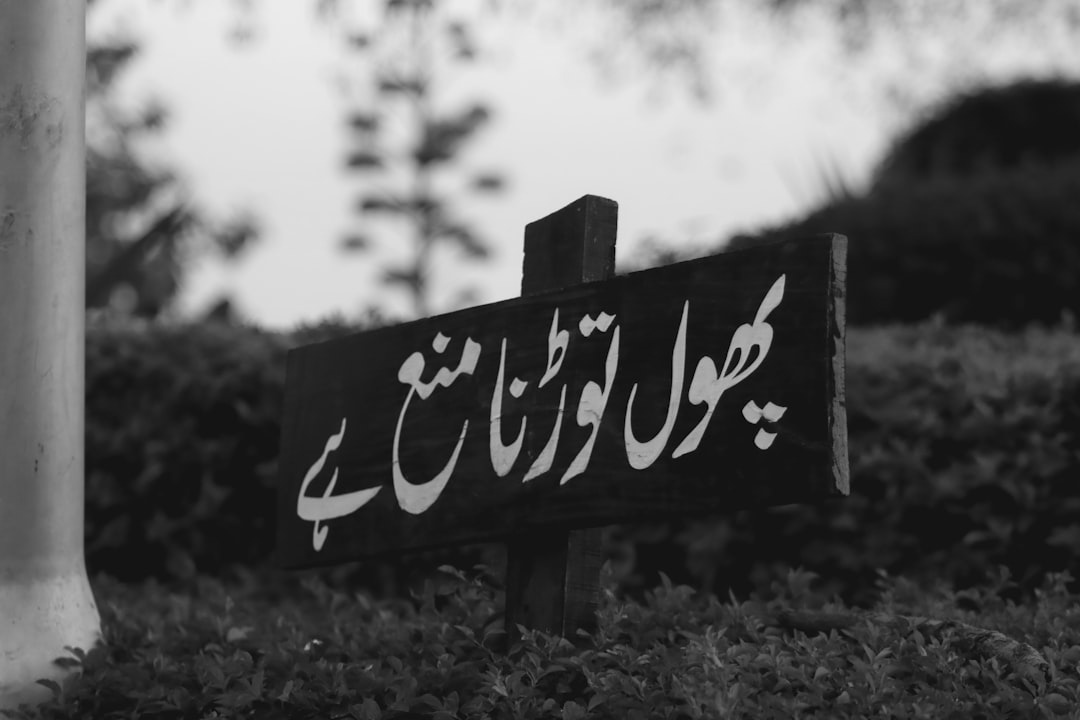
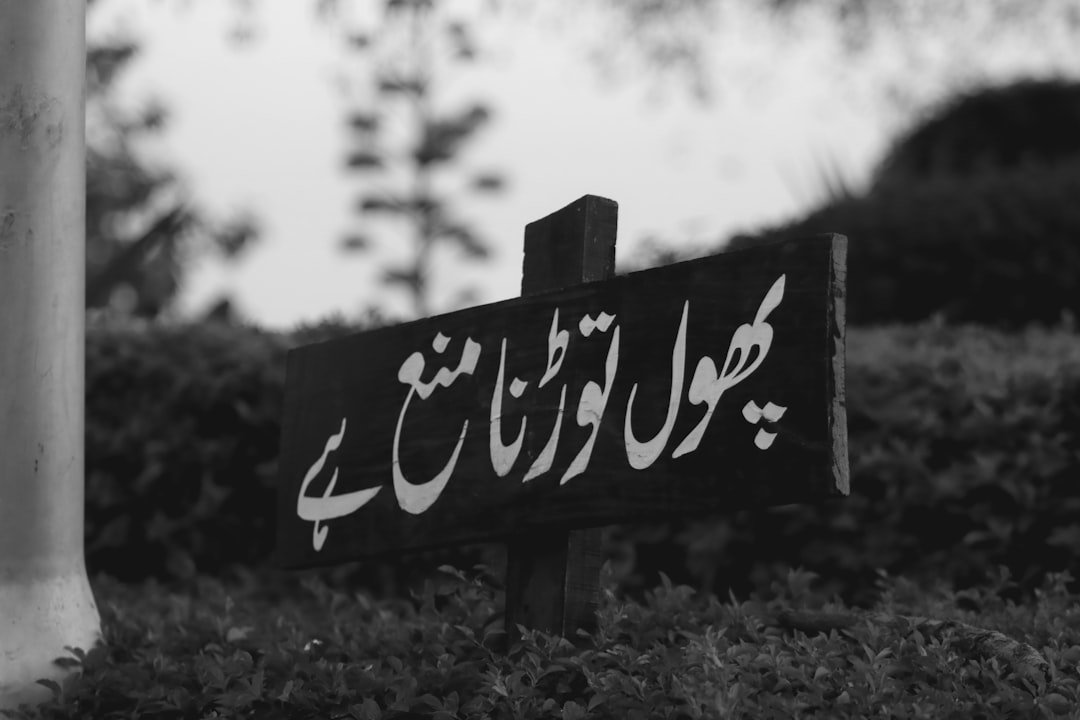
Urdu script has no capital letters and no distinction between print and handwritten forms in the same way English does. There is, however, a strong stylistic distinction between Naskh (upright, regular, used for most Arabic printing and some Urdu textbooks) and Nasta'liq (slanted, calligraphic, the default for Urdu newspapers, books, and signage). A literate Urdu reader handles both without effort, but beginners should pick one style and master it before switching.
The Complete 39-Letter Urdu Alphabet
The table below gives each letter in isolation, its name, its transliteration in standard Roman Urdu, and a short pronunciation note. The ordering follows the traditional huroof-e-tahajji sequence used in Urdu dictionaries and schoolbooks.
| # | Letter | Name | Roman | Sound Notes |
|---|---|---|---|---|
| 1 | ا | alif | a | Long "a" as in "father" or support for hamza |
| 2 | ب | be | b | English "b" |
| 3 | پ | pe | p | English "p" (Persian addition) |
| 4 | ت | te | t | Dental "t", tongue on teeth |
| 5 | ٹ | tte | T | Retroflex "t", tongue curled back (Urdu-specific) |
| 6 | ث | se | s | "s" sound (Arabic loan letter) |
| 7 | ج | jim | j | English "j" |
| 8 | چ | che | ch | English "ch" in "church" (Persian addition) |
| 9 | ح | bari he | h | Pharyngeal "h" in Arabic loans, often merged with ہ |
| 10 | خ | khe | kh | Voiceless velar fricative, like German "Bach" |
| 11 | د | dal | d | Dental "d" |
| 12 | ڈ | ddal | D | Retroflex "d" (Urdu-specific) |
| 13 | ذ | zal | z | "z" sound (Arabic loan letter) |
| 14 | ر | re | r | Alveolar tap, like Spanish "r" |
| 15 | ڑ | rre | R | Retroflex flap (Urdu-specific) |
| 16 | ز | ze | z | English "z" |
| 17 | ژ | zhe | zh | "s" in "measure" (Persian, rare) |
| 18 | س | sin | s | English "s" |
| 19 | ش | shin | sh | English "sh" |
| 20 | ص | swad | s | "s" (Arabic loan letter) |
| 21 | ض | zwad | z | "z" (Arabic loan letter) |
| 22 | ط | toe | t | "t" (Arabic loan letter) |
| 23 | ظ | zoe | z | "z" (Arabic loan letter) |
| 24 | ع | ain | ' | Glottal stop or silent in Urdu |
| 25 | غ | ghain | gh | Voiced velar fricative, like French "r" |
| 26 | ف | fe | f | English "f" |
| 27 | ق | qaaf | q | Uvular "k", deeper than English "k" |
| 28 | ک | kaaf | k | English "k" |
| 29 | گ | gaaf | g | English "g" in "go" (Persian addition) |
| 30 | ل | laam | l | English "l" |
| 31 | م | meem | m | English "m" |
| 32 | ن | noon | n | English "n" |
| 33 | ں | noon ghunna | n (nasal) | Nasalises preceding vowel |
| 34 | و | wao | w / u / o | "w", long "u", or long "o" |
| 35 | ہ | choti he | h | Light "h", also marks short "a" at word end |
| 36 | ھ | do-chashmi he | h | Aspiration marker after consonants |
| 37 | ء | hamza | ' | Glottal stop or hiatus marker |
| 38 | ی | choti ye | y / i | "y" or long "i" |
| 39 | ے | badi ye | e / ai | Word-final "e" or "ai" sound |
Some teaching traditions list 38 or 40 letters depending on whether hamza, noon ghunna, and the two forms of ye are counted as separate letters or positional variants. The 39-letter count above is the most common in modern Urdu textbooks.
Four Positional Forms
Like Arabic, each Urdu letter has up to four shapes based on its place in a word: isolated, initial, medial, and final. The shapes derive from a common core, with connector strokes added or removed. The table below shows the four forms for a representative set of letters.
| Letter | Isolated | Initial | Medial | Final |
|---|---|---|---|---|
| be | ب | بـ | ـبـ | ـب |
| te | ت | تـ | ـتـ | ـت |
| Tte | ٹ | ٹـ | ـٹـ | ـٹ |
| jim | ج | جـ | ـجـ | ـج |
| che | چ | چـ | ـچـ | ـچ |
| sin | س | سـ | ـسـ | ـس |
| shin | ش | شـ | ـشـ | ـش |
| kaaf | ک | کـ | ـکـ | ـک |
| gaaf | گ | گـ | ـگـ | ـگ |
| laam | ل | لـ | ـلـ | ـل |
| meem | م | مـ | ـمـ | ـم |
| noon | ن | نـ | ـنـ | ـن |
The seven non-connectors (ا، د، ڈ، ذ، ر، ڑ، ز، ژ، و) retain essentially the same shape in all positions but break the connection with the following letter. In Nasta'liq the shapes look more variable than in Naskh because of the calligraphic stacking, but the underlying identity of each letter is the same.
Urdu-Specific Letters: Retroflex, Aspirated, and Persian Additions
Three categories of letters mark Urdu as distinct from the pure Arabic alphabet.
Retroflex Consonants
Urdu, like most South Asian languages, distinguishes dental consonants (tongue against the upper teeth, as in Spanish or French) from retroflex consonants (tongue curled back toward the hard palate). The retroflex series is indicated by a small letter "toe" (a raised stroke resembling a small ط) above the base letter.
| Dental | Retroflex |
|---|---|
| ت (te, "t") | ٹ (Tte, retroflex "T") |
| د (dal, "d") | ڈ (Ddal, retroflex "D") |
| ر (re, tap "r") | ڑ (Rre, retroflex flap) |
The contrast is phonemic: تال (taal, "palm tree") versus ٹال (Taal, "to postpone"). Beginners with no South Asian language background often mishear the retroflex as a "stronger t" - in fact it is a completely different tongue position that must be learned deliberately.
Aspirated Consonants and Do-Chashmi He
Urdu distinguishes unaspirated and aspirated stops. An aspirated consonant is produced with an audible puff of air, written by following the base consonant with do-chashmi he (ھ), literally "two-eyed he." This letter is never pronounced on its own; it exists only to aspirate the letter before it.
| Unaspirated | Aspirated | Example |
|---|---|---|
| ک (k) | کھ (kh) | کتاب / کھا (kitaab / khaa, "book / eat") |
| گ (g) | گھ (gh) | گل / گھر (gul / ghar, "flower / house") |
| پ (p) | پھ (ph) | پل / پھل (pul / phal, "bridge / fruit") |
| ب (b) | بھ (bh) | بار / بھار (baar / bhaar, "time / burden") |
| ت (t) | تھ (th) | تال / تھال (taal / thaal, "rhythm / large plate") |
| ٹ (T) | ٹھ (Th) | ٹال / ٹھہر (Taal / Thahar, "to postpone / to wait") |
| د (d) | دھ (dh) | دھن (dhan, "wealth, tune") |
| ڈ (D) | ڈھ (Dh) | ڈھول (Dhol, "drum") |
| چ (ch) | چھ (chh) | چال / چھت (chaal / chhat, "pace / roof") |
| ج (j) | جھ (jh) | جھیل (jheel, "lake") |
The other "he" letter, choti he (ہ), behaves as a full consonant "h" in initial position (ہاتھ, haath, "hand") and as a short "a" marker at word end (ہوا, hawa, "wind"; though final ہ in many Persian loans is silent, as in پردہ, parda, "curtain").
Persian Additions
Four letters were borrowed from Persian to cover sounds Arabic lacks:
- پ (pe): "p", as in پانی (paani, "water"). Arabic has no "p" and substitutes ف in loans.
- چ (che): "ch", as in چائے (chaai, "tea").
- ژ (zhe): "zh" as in "measure". Rare, mostly in Persian loans like ژالہ (zhaala, "hail").
- گ (gaaf): hard "g" as in "go". As in گلاب (gulab, "rose").
Nasta'liq vs Naskh
Nasta'liq نستعلیق is a Persian calligraphic style developed in the fourteenth century, combining elements of Naskh and Taliq. It became the dominant script for Persian and Urdu literary writing because its flowing diagonal rhythm suits the long, poetic sentences of Urdu prose and verse. Nasta'liq letters stack from upper right to lower left within a word, and the baseline itself slopes rather than running straight across the page.
Naskh نسخ is older and more angular. It is used for Quran printing, Arabic books and newspapers, and some modern Urdu textbooks where clarity for beginners matters more than aesthetic tradition. Naskh keeps letters on a horizontal baseline, making it easier to read at small sizes on screens that do not support proper Nasta'liq rendering.
A literate Urdu reader can read both. Publishers sometimes use Naskh for learners and Nasta'liq for general readers. Unicode encodes Urdu letters identically in both styles; the difference is entirely in the font. Popular Nasta'liq fonts for digital use include Jameel Noori Nastaleeq, Alvi Nastaleeq, and Noto Nastaliq Urdu.
Diacritics: Zer, Zabar, Pesh, Jazm, Tashdid
Urdu uses the same short-vowel diacritics (اعراب, aeraab) as Arabic, with local names.
| Mark | Urdu name | Arabic name | Placement | Sound |
|---|---|---|---|---|
| -َ | zabar | fatha | above letter | short "a" |
| -ِ | zer | kasra | below letter | short "i" |
| -ُ | pesh | damma | above letter | short "u" |
| -ْ | jazm | sukun | above letter | no vowel (consonant cluster) |
| -ّ | tashdid | shadda | above letter | doubled consonant |
| -ً | tanween | tanween | above letter | "-an" ending (Arabic loans) |
In ordinary adult Urdu writing, diacritics are omitted. They appear in the Quran, in dictionaries, in children's primers (قاعدہ, qaida), and occasionally in poetry to resolve ambiguity. Learners should work with vowelised text for the first months and gradually move to unvowelised text as vocabulary grows.
Example with full vowels: کِتاب (kitaab, "book"), with zer under ک showing the "i" sound. Without diacritics the same word is simply کتاب and must be recognised from context.
Hamza, Noon Ghunna, and the Two Forms of Ye
Three features of Urdu script deserve special attention because they trip up beginners.
Hamza (ء) represents a glottal stop. In isolation it sits on a chair (ا، و، ی) depending on surrounding vowels: مئی (mai, "May"), سوئی (sui, "needle"), کوئی (koi, "someone"). Hamza above a letter marks hiatus between two vowels.
Noon ghunna (ں) is a dotless noon that nasalises the preceding vowel without a full "n" closure. It only appears at the end of syllables or words: ہاں (haan, "yes"), میں (mein, "in" or "I"), نہیں (nahin, "no"). Compare with full noon ن, which has a dot and produces a clear "n" sound.
Choti ye vs badi ye (ی vs ے): Choti ye (ی, "small ye") is used word-initially and medially for both the "y" consonant and long "i" vowel: یہ (yeh, "this"), کیا (kya, "what"). Badi ye (ے, "big ye") is used only at word end and represents "e" or "ai": ہے (hai, "is"), لکھے (likhe, "he writes, subjunctive"). The two are positional variants of the same sound family but must be written correctly because a word-final ی means something different than ے to readers.
Reading Practice: A Worked Example
Consider the sentence میں اردو سیکھ رہا ہوں (mein urdu seekh raha hoon, "I am learning Urdu"):
- میں (mein): م + ی + ں = "m" + "ai" + nasalised = "mein"
- اردو (urdu): ا + ر + د + و = "u" + "r" + "d" + "u" = "urdu"
- سیکھ (seekh): س + ی + ک + ھ = "s" + "ee" + "kh" (aspirated k) = "seekh"
- رہا (raha): ر + ہ + ا = "r" + "a" + "h" + "a" = "raha"
- ہوں (hoon): ہ + و + ں = "h" + "oo" + nasal = "hoon"
Notice the non-connectors (ا، د، و، ر) creating visible breaks inside اردو and راہا; the aspirated kh in سیکھ written with choti he followed by do-chashmi he; and the nasal noon ghunna at the end of میں and ہوں.
Common Mistakes
Confusing choti he (ہ) and do-chashmi he (ھ). They look similar but have completely different functions. Choti he is a full "h" consonant or word-final "a"; do-chashmi he only marks aspiration. Writing گر (ghar) instead of گھر (ghar, "house") produces a different word or nonsense.
Writing retroflex letters as their dental counterparts. English speakers often hear ٹ as ت and write کتا (kuttaa, "dog") instead of کٹا (kaTa, "cut"). Always check whether the small toe diacritic is present on top.
Using badi ye (ے) mid-word. Badi ye only appears word-final. Writing کےتاب for کتاب is an error a native speaker never makes.
Forgetting the seven non-connectors. Learners sometimes try to connect letters like ر and د to the next letter, producing visually wrong words even if each letter is correct.
Ignoring Nasta'liq slant when handwriting. Writing Urdu on a flat baseline like Arabic Naskh is readable but not idiomatic. Proper Urdu handwriting uses the diagonal stacking.
Confusing ع (ain) with hamza. In Urdu ع is typically silent or functions as a glottal stop in Arabic loans. Learners sometimes pronounce it as a vowel, which is not the Urdu convention (unlike in Arabic).
Writing ک instead of گ (or vice versa). They differ by one small stroke. Always add the upper stroke for gaaf.
Quick Reference
- 39 letters in the standard huroof-e-tahajji
- Right-to-left writing, letters connect within words
- Seven non-connectors: ا، د، ڈ، ذ، ر، ڑ، ز، ژ، و
- Four positional forms: isolated, initial, medial, final
- Urdu-specific additions: retroflex ٹ ڈ ڑ, aspirated consonant + ھ, Persian پ چ ژ گ
- Two forms of ye: ی (initial, medial), ے (final only)
- Nasal marker: ں (noon ghunna)
- Diacritics: زبر zabar (a), زیر zer (i), پیش pesh (u), جزم jazm (no vowel), تشدید tashdid (doubled)
- Preferred calligraphy: Nasta'liq نستعلیق (diagonal, flowing)
- Alternative: Naskh نسخ (horizontal, angular, used in Quran and textbooks)
Frequently Asked Questions
How long does it take to learn the Urdu alphabet? Most dedicated learners recognise all 39 letters and their positional forms within six to eight weeks of daily practice. This is slightly longer than the Arabic alphabet because of the extra 11 letters and the Nasta'liq style. Reading connected Urdu text at conversational speed typically takes three to four months.
Do I need to learn Nasta'liq or can I use Naskh? You can start with Naskh because it is clearer for beginners and most beginner textbooks use it. However, real-world Urdu (newspapers, books, signs, poetry collections) is overwhelmingly in Nasta'liq, so you will eventually need to read both. Plan to transition after your first three to six months.
Is Urdu script the same as Arabic script? The base is the same Perso-Arabic script, but Urdu adds 11 letters that Arabic does not have (retroflex, aspirated forms, Persian letters) and uses Nasta'liq rather than Naskh as the default style. An Arabic reader can decipher some Urdu words but cannot read Urdu fluently without learning the extra letters.
Why are there multiple letters for the same sound like "s" and "z"? Letters like ث، س، ص (all "s") and ذ، ز، ض، ظ (all "z") come from Arabic, where they mark different sounds. In Urdu pronunciation they have merged to the same sound, but the spelling is preserved to show the Arabic origin of the word. Learners must memorise which word uses which spelling.
Are short vowels required in Urdu writing? No. Like Arabic, Urdu omits short vowels in ordinary writing. Diacritics appear in religious texts, primers for children, dictionaries, and occasionally in poetry. Adult learners should practise reading both vowelised and unvowelised text.
What is the difference between choti ye and badi ye? Choti ye (ی) is used at the beginning and middle of words, and writes both "y" (consonant) and long "i". Badi ye (ے) is used only at the end of words and writes "e" or "ai". A word-final choti ye often indicates an unchanged long "i" ending.
Can I type Urdu on a standard keyboard? Yes. Urdu keyboard layouts are built into Windows, macOS, iOS, and Android. The most common is the Phonetic Urdu layout (maps keys by sound to English approximations). Install an Urdu keyboard and a Nasta'liq font such as Jameel Noori Nastaleeq for proper display.
See Also
- Urdu vs Hindi: Same Language, Different Scripts
- Urdu Grammar: Cases, Gender, and the Ergative
- Urdu Verb Conjugation: Tense and Aspect
- Urdu Pronouns and Levels of Respect
- Urdu Numbers and Counting 1 to 1000
- Arabic Alphabet: Complete Guide for Beginners
- Arabic Root System: Trilateral Roots and Word Formation
- Writing Systems and Alphabets Comparison
Frequently Asked Questions
How long does it take to learn the Urdu alphabet?
Most dedicated learners recognise all 39 letters and their positional forms within six to eight weeks of daily practice. Reading connected Urdu text at conversational speed typically takes three to four months.
Do I need to learn Nasta'liq or can I use Naskh?
You can start with Naskh because it is clearer for beginners, but real-world Urdu (newspapers, books, poetry) is overwhelmingly in Nasta'liq. Plan to transition after your first three to six months.
Is Urdu script the same as Arabic script?
The base is the same Perso-Arabic script, but Urdu adds 11 letters Arabic lacks (retroflex, aspirated, Persian letters) and uses Nasta'liq by default. An Arabic reader can decipher some Urdu but cannot read it fluently without the extra letters.
Why are there multiple letters for the same sound like s and z?
Letters like seen, saad and the swaad series come from Arabic where they marked different sounds. In Urdu pronunciation they merged, but the spelling is preserved to show the Arabic origin. Learners must memorise which word uses which spelling.
Are short vowels required in Urdu writing?
No. Like Arabic, Urdu omits short vowels in ordinary writing. Diacritics appear in religious texts, primers, dictionaries, and occasionally in poetry. Adult learners should practise both vowelised and unvowelised text.
What is the difference between choti ye and badi ye?
Choti ye is used at the beginning and middle of words for y and long i. Badi ye is used only at word end for e or ai. Their positional distinction is strict and enforced in spelling.
Can I type Urdu on a standard keyboard?
Yes. Urdu keyboard layouts are built into Windows, macOS, iOS and Android. The most common is the Phonetic Urdu layout. Install an Urdu keyboard and a Nasta'liq font such as Jameel Noori Nastaleeq for proper display.