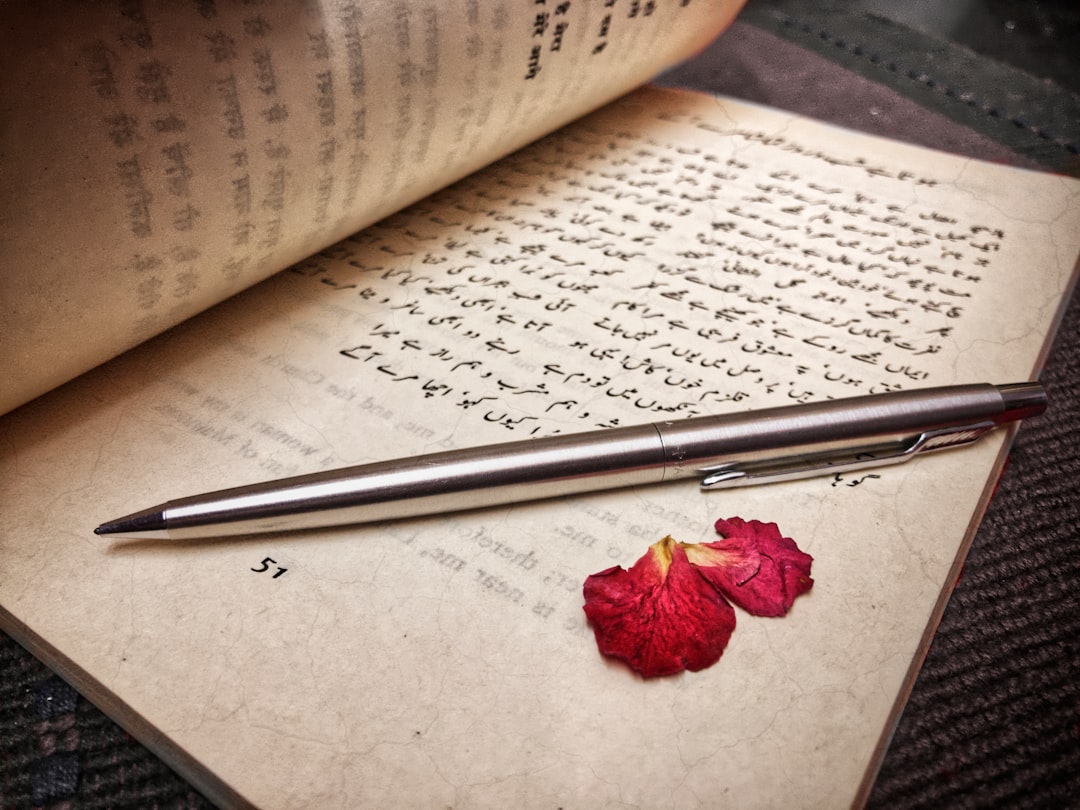
Urdu is one of the great poetic languages of the world. From its origins in the Mughal courts of Delhi and the Deccan sultanates to its flowering in the eighteenth and nineteenth centuries, and through its twentieth-century modernist and revolutionary phases, Urdu has produced a poetic tradition that rivals Persian, Arabic, and the Western classics in sophistication, emotional range, and cultural prestige. The names of its masters - Mir Taqi Mir, Mirza Ghalib, Allama Iqbal, Faiz Ahmad Faiz, Parveen Shakir - are household words across Pakistan, North India, and the global South Asian diaspora.
The central form is the ghazal (غزل), a short rhymed lyric poem organised around strict conventions of meter, rhyme, and theme. The typical ghazal consists of five to fifteen couplets (ashaar), each self-contained in meaning but sharing a common rhyme scheme and meter. The vocabulary of Urdu poetry is heavily Persian and Arabic, creating a register that many everyday Urdu speakers recognise but rarely use in conversation. This specialised lexicon is one reason Urdu poetry rewards focused study: learning the standard images, metaphors, and philosophical vocabulary unlocks centuries of literature.
This reference covers ghazal structure (matla, maqta, radif, qafia), meters (bahr), thematic conventions (the beloved, wine, roses, separation, the nightingale), key vocabulary by domain (love, longing, philosophy, religion), the main poetic forms beyond ghazal (nazm, rubai, qasida, masnavi), and a reading guide with examples from Ghalib and Iqbal. For the broader Urdu vocabulary, see Urdu Persian and Arabic Loanwords Vocabulary. For the script, see the Urdu Alphabet and Nasta'liq Script: Complete Guide.
The Ghazal: Structure and Conventions
A ghazal (غزل, ghazal, literally "talking to the beloved") consists of a series of independent couplets bound by shared meter and rhyme. Each couplet is called a sher (شعر, sher) or bait (بیت, bait). The plural is ashaar (اشعار). A typical ghazal has between five and fifteen couplets; the classical minimum is five.
Key Technical Elements
| Term | Script | Role |
|---|---|---|
| matla | مطلع | The opening couplet; both lines rhyme |
| maqta | مقطع | The closing couplet; often contains the poet's pen name (takhallus) |
| radif | ردیف | The repeating word or phrase at the end of each second line |
| qafia | قافیہ | The rhyming word before the radif |
| sher | شعر | A single couplet (two lines) |
| misra | مصرع | A single line (half of a sher) |
| misra-e-oola | مصرعِ اُولیٰ | The first line of a sher |
| misra-e-sani | مصرعِ ثانی | The second line of a sher |
| takhallus | تخلص | The poet's pen name, usually in the maqta |
| bahr | بحر | Meter (the rhythmic pattern) |
Example Matla from Ghalib
The opening couplet of one of Ghalib's most famous ghazals:
نقش فریادی ہے کس کی شوخیِ تحریر کا کاغذی ہے پیرہن ہر پیکرِ تصویر کا
Roman: naqsh faryaadi hai kis ki shookhi-e-tahreer ka kaaghazi hai pairahan har paikar-e-tasveer ka
Translation: "Whose mischievous calligraphy's plaint is every picture? / Every figure in the image wears a paper robe."
Both lines end with -eer ka (the rhyme, qafia) followed by ka (the radif). Both lines share the same meter. This is the matla, which establishes the rhyme pattern for the rest of the ghazal.
In subsequent couplets, only the second line will end in the -eer ka pattern. The first line will be free in its ending but must maintain the meter.
The Radif and Qafia System
After the matla, every second line (the misra-e-sani) must end with the same radif (if there is one) preceded by a word in the qafia (rhyming) class. The first line of each non-matla couplet does not rhyme; it simply sets up the second line.
For example, if the radif is "hai" and the qafia pattern is -iya, then lines might end:
- ... kya kiya hai (qafia: kiya, radif: hai)
- ... kam kiya hai (not good - "kam kiya" doesn't match -iya pattern)
- ... dil liya hai (qafia: liya, radif: hai)
- ... na piya hai (qafia: piya, radif: hai)
The Takhallus
Nearly every classical Urdu poet uses a pen name (takhallus, تخلص) inserted in the final couplet (maqta). Examples:
- Mirza Asadullah Khan - takhallus "Ghalib" (conquering, dominant)
- Muhammad Taqi Mir - takhallus "Mir" (leader, chief)
- Allama Muhammad Iqbal - takhallus "Iqbal" (good fortune)
- Faiz Ahmad Khan - takhallus "Faiz" (beneficence)
- Ahmad Nadeem Qasmi - takhallus "Qasmi"
Reading a ghazal, you can usually identify the poet from the takhallus embedded in the last couplet.
Meters: The Bahrs
Urdu poetic meter (بحر, bahr) is based on the Arabic-Persian aruz system: patterns of long and short syllables forming feet (rukn) that combine into lines. Unlike English iambic pentameter, Urdu meter is quantitative (based on syllable length), not accentual (based on stress).
Common Urdu meters include:
| Bahr | Pattern | Example |
|---|---|---|
| Hazaj | mafaaeelun mafaaeelun mafaaeelun mafaaeelun | Long lyrical meter common in ghazal |
| Ramal | faailaatun faailaatun faailaatun faailun | Narrative, epic, ghazal |
| Mutaqarib | faooolun faooolun faooolun faooolun | Heroic epic meter |
| Khafif | faailaatun mustafilun faailaatun | Playful, light |
| Mujtas | mafaailun faailaatun mafaailun faailun | Common in ghazals |
A poet commits to one bahr for an entire ghazal. Every line of every couplet must scan to the same pattern. Departing from meter is called "bahr se kharij" (out of meter) and is considered a serious flaw.
Identifying a meter requires marking each syllable's length: short (فعل), long (فاع), or very long. This is a skill developed with practice. Modern readers mostly recite by feel, having internalised the main patterns from hearing poetry read aloud.
The Conventional Characters and Images
Urdu ghazal conventions derive from Persian, which in turn drew on Arabic poetic tradition. The vocabulary of ghazal revolves around a set of stock images whose meaning is fixed by centuries of use. A poet does not need to explain that the rose symbolises the beloved; the reader already knows.
The Beloved (Mehboob, Mashooq, Yaar)
The beloved (محبوب mehboob, معشوق maashoq, یار yaar, دوست dost) is the object of the poet's longing. In classical ghazal the beloved is typically idealised and often cruel, granting no mercy to the pining lover. The beloved is grammatically masculine even when imagined as female, because Persian-Arabic convention defaults to masculine and because of historical same-sex literary conventions.
Key descriptors:
- زلف zulf (tresses, curls) - the beloved's hair, often compared to night, chains, or serpents
- چشم chashm (eye) - the beloved's glance, said to pierce the heart
- لب lab (lip) - often compared to rubies, to wine, to the sweet
- قد qad (stature) - cypress-like, tall, graceful
- رخ rukh (face) - moon-like, sun-like
- ابرو abru (eyebrow) - bow-like, curved
- تبسم tabassum (smile) - smiling of the beloved
The Lover (Aashiq)
The lover (عاشق aashiq) is the poetic "I." Classical convention portrays the lover as wretched, disheveled, weeping blood-tears, patient with rejection, and spiritually refined through suffering.
- دل dil (heart) - object of torment, scene of love, often paired with jigar (liver, in Persian poetic anatomy the seat of longing)
- جان jaan (life, soul) - beloved as the lover's very life
- جگر jigar (liver) - seat of passion in classical Persian-Urdu physiology
- آنسو aansu (tear)
- خون ِدل khoon-e-dil (blood of the heart) - the tears of blood wept by the true lover
- تنہائی tanhai (solitude)
- جنون junoon (madness, divine intoxication)
The Wine (Sharaab, Mai)
Wine and drinking are central images. In Sufi readings, wine represents divine love; in secular readings, actual wine in a Mughal garden. Both readings often coexist.
- شراب sharab / مے mai (wine)
- ساقی saaqi (cupbearer, wine-server, often a beloved figure)
- جام jaam (goblet)
- مے خانہ maikhana (tavern, house of wine)
- مستی masti (intoxication)
- رند rind (free-spirited drinker, rogue-mystic)
- پیمانہ paimaana (cup, measure)
Nature and Garden
- گل gul (rose) - symbol of the beloved, of beauty, of ephemerality
- بلبل bulbul (nightingale) - the lover singing at the rose
- باغ baagh (garden) - the realm of love's play
- چمن chaman (garden) - alternative for baagh
- صبا saba (morning breeze) - messenger of the beloved
- بہار bahaar (spring) - season of love
- خزاں khizaan (autumn) - season of separation and loss
- شمع shamma (candle) - the beloved, illuminating and burning
- پروانہ parwana (moth) - the lover, drawn to and destroyed by the candle
Religious and Philosophical Vocabulary
Urdu ghazal weaves in Islamic and Sufi concepts densely. Key terms:
- خدا khuda (God - Persian)
- اللہ Allah (God - Arabic)
- رب rab (Lord)
- فنا fana (annihilation of the self in the divine)
- بقا baqa (subsistence in God after fana)
- حق haq (the Real, the True, God)
- روح rooh (soul, spirit)
- عرش arsh (divine throne)
- دیدار deedaar (vision, sight - the vision of the beloved or the divine)
- وصل wasl (union, meeting with the beloved)
- ہجر hijr / فراق firaaq (separation from the beloved)
- انتظار intezaar (waiting)
- تقدیر taqdeer (fate)
Comparison Table: Stock Images and Meanings
| Image | Script | Literal | Poetic meaning |
|---|---|---|---|
| bulbul | بلبل | nightingale | the lover |
| gul | گل | rose | the beloved |
| shama | شمع | candle | the beloved / divine light |
| parwana | پروانہ | moth | the lover ready to die |
| saqi | ساقی | cupbearer | the beloved / divine giver |
| rind | رند | free drinker | the true seeker / anti-hypocrite |
| zahid | زاہد | ascetic | often ironic target: the hypocrite |
| wada | وعدہ | promise | the beloved's promise, usually unkept |
| tir-e-nigah | تیرِ نگاہ | arrow of glance | the beloved's piercing look |
Beyond the Ghazal: Other Forms
Nazm (نظم)
A nazm is a poem with a unified theme throughout, unlike the ghazal where each couplet stands alone. Nazm can be modern and free in form (Iqbal, Faiz, Sahir) or classical and structured. Modern Urdu poetry has moved heavily toward nazm since the early twentieth century.
Rubai (رباعی)
A four-line poem with a specific rhyme pattern (AABA or AAAA) and meter. Associated most famously with Omar Khayyam in Persian; Urdu poets like Anis and Iqbal wrote rubaiyat.
Qasida (قصیدہ)
A long monorhyme ode, typically panegyric (praising a patron or a religious figure). The qasida can run to dozens of couplets with the same rhyme.
Masnavi (مثنوی)
A long narrative poem with rhymed couplets (each couplet its own rhyme, unlike the ghazal's shared rhyme). Used for romances, epics, and mystical teachings. The most famous example in Persian is Rumi's Masnavi; in Urdu, Mir Hasan's Sihr-ul-Bayaan.
Marsiya (مرثیہ)
An elegiac poem, especially for the martyrdom of Imam Husayn at Karbala. A central genre in Shia religious poetry. Mir Anis is the greatest Urdu marsiya writer.
Qita (قطعہ)
A short poem, usually two to six couplets, on a single theme. Less conventional than ghazal.
Reading a Ghazal: Ghalib Example
Consider this famous sher by Mirza Ghalib:
ہزاروں خواہشیں ایسی کہ ہر خواہش پہ دم نکلے بہت نکلے مرے ارمان لیکن پھر بھی کم نکلے
Roman: hazaaron khwahishein aisi ke har khwahish pe dam nikle bahut nikle mere armaan lekin phir bhi kam nikle
Word-by-word:
- hazaaron = thousands
- khwahishein = desires
- aisi = such / like this
- ke = that
- har = every
- khwahish pe = on each desire
- dam nikle = (my) breath/life would escape
- bahut = many / much
- nikle = came out / were fulfilled
- mere = my
- armaan = longings / ambitions
- lekin = but
- phir bhi = even so / still
- kam = few
Translation: "Thousands of desires, each one so intense my breath would escape on it / Many of my longings were fulfilled, yet even so they remained too few."
This couplet captures the classical ghazal stance: desire is limitless, even fulfilment is inadequate, the longing itself is valuable. Ghalib's packing of hazaaron, armaan, khwahish (all Persian) shows the dense Persian register typical of classical ghazal.
Reading a Nazm: Iqbal Example
Allama Iqbal's poetry often fuses classical ghazal imagery with modernist political and philosophical themes. A sher from his ghazal "Tere Ishq Ki Intha":
خودی کو کر بلند اتنا کہ ہر تقدیر سے پہلے خدا بندے سے خود پوچھے بتا تیری رضا کیا ہے
Roman: khudi ko kar buland itna ke har taqdeer se pehle khuda bande se khud pooche bata teri raza kya hai
Translation: "Elevate your self so high that before every decree of fate, / God himself asks His servant: Tell me, what is your wish?"
- khudi = selfhood (Iqbal's central philosophical concept)
- buland = high, elevated
- taqdeer = fate, destiny
- khuda = God
- banda = servant, human being
- raza = wish, will
This is Iqbal's classical idea that a fully realised human self is so aligned with the divine that God consults it rather than dictating to it.
Common Mistakes
Reading ghazal couplets as a continuous narrative. Each sher is independent. Couplet 3 does not continue the story of couplet 2. Ghazals are not narrative poems.
Translating stock images literally. When the poet says "the nightingale burns at the rose," translating that as a statement about birds and flowers misses the point. The image refers to the lover and beloved.
Assuming the beloved is a specific human. The beloved in classical ghazal is often a composite, idealised figure, and can be read as human, divine, philosophical, or all at once. Sufi poetry especially reads the beloved as God.
Ignoring meter. A ghazal read without meter is not a ghazal. Even if you cannot scan the lines technically, try to read aloud with the rhythm you hear in professional recitation.
Misidentifying the radif and qafia. The radif is the repeated word/phrase; the qafia is the rhyming word before it. Some ghazals have only qafia and no radif.
Using classical ghazal vocabulary in modern prose. Words like khoon-e-jigar, zulf-e-yaar, or rind-e-mujarrad are poetic register. Using them in a business email is jarring.
Expecting ghazal to be coherent. Ghazal often relies on ambiguity and multiple readings. Do not force one interpretation.
Quick Reference
- Ghazal = a series of 5-15 independent rhymed couplets
- Sher/bait = one couplet (two lines, misra)
- Matla = opening couplet; both lines rhyme
- Maqta = closing couplet; often contains takhallus (pen name)
- Radif = repeated word/phrase at line end
- Qafia = rhyming word before the radif
- Bahr = meter (patterns from Arabic-Persian aruz)
- Key figures: Ghalib, Mir, Iqbal, Faiz, Parveen Shakir
- Key images: bulbul (lover), gul (beloved), shama (divine/beloved), saqi (cupbearer), khizaan (separation)
- Other forms: nazm, rubai, qasida, masnavi, marsiya, qita
Frequently Asked Questions
Why do ghazals have separate couplets on different topics? This is a defining feature of the form. Each sher is an independent poetic statement. A ghazal is like a string of beads: each bead is separate, but the thread (rhyme and meter) unites them. Reading a ghazal is savouring each couplet individually, not following a plot.
Is ghazal religious or secular? Both, often simultaneously. Classical Urdu ghazal draws on Sufi mystical tradition where divine love and human love use the same vocabulary. A single couplet can be read as addressed to a human beloved, to God, to a philosophical ideal, or to all three. Ambiguity is a feature, not a flaw.
Who are the most important Urdu poets to start with? For classical ghazal: Mir Taqi Mir (eighteenth century) and Mirza Ghalib (nineteenth century). For philosophical and political poetry: Allama Iqbal (early twentieth century). For modern progressive poetry: Faiz Ahmad Faiz and Sahir Ludhianvi. For modern feminine voices: Parveen Shakir and Kishwar Naheed.
How do I read Urdu poetry if I do not know Persian and Arabic vocabulary? Start with a dual-text edition (Urdu with English translation and glosses). Many ghazals are extensively commented. As you read, memorise the recurring images (bulbul, gul, saqi, shama, rind) so subsequent poems become easier. Audio recitations by professionals (for example Nayyara Noor, Abida Parveen, Iqbal Bano) help internalise meter.
What is the difference between ghazal and nazm? Ghazal is a series of independent couplets on the general theme of love; nazm is a poem with a unified theme throughout, like Western lyric poems. Modern Urdu poets write both. Iqbal's longer works are mostly nazm; his earlier lyrical pieces are ghazals.
What is Bollywood's connection to Urdu poetry? Enormous. Many Bollywood songwriters were (or were trained by) Urdu poets: Sahir Ludhianvi, Majrooh Sultanpuri, Shakeel Badayuni, Javed Akhtar. Bollywood lyrics carry Urdu poetic vocabulary (dil, jaan, pyaar, mohabbat, ishq, jafaa, wafa) and sometimes adapt full ghazals into film songs. See Urdu in Pakistan, India, and the Diaspora.
How do I tell if a piece of Urdu text is poetry? Look for couplet structure (pairs of lines), rhyme at line ends, and a characteristic rhythm. Urdu print often lays out verse in two columns per couplet. Vocabulary skewing heavily Persian/Arabic and stock images (bulbul, gul, shama) also signal ghazal register.
See Also
- Urdu Persian and Arabic Loanwords Vocabulary
- Urdu Alphabet and Nasta'liq Script: Complete Guide
- Urdu vs Hindi: Same Language, Different Scripts
- Urdu in Pakistan, India, and the Diaspora
- Urdu Conversations: Daily Phrases and Register
- Arabic Root System: Trilateral Roots and Word Formation
- Arabic Alphabet: Complete Guide for Beginners
- Writing Systems and Alphabets Comparison
Frequently Asked Questions
Why do ghazals have separate couplets on different topics?
This is a defining feature of the form. Each sher is independent. A ghazal is like a string of beads: each bead separate, but rhyme and meter unite them. Reading a ghazal is savouring each couplet individually, not following a plot.
Is ghazal religious or secular?
Both, often simultaneously. Classical Urdu ghazal draws on Sufi tradition where divine love and human love share vocabulary. A couplet can be read as addressed to a human beloved, to God, to a philosophical ideal, or to all three.
Who are the most important Urdu poets to start with?
For classical ghazal, Mir Taqi Mir and Mirza Ghalib. For philosophical and political poetry, Allama Iqbal. For modern progressive poetry, Faiz Ahmad Faiz and Sahir Ludhianvi. For modern feminine voices, Parveen Shakir and Kishwar Naheed.
How do I read Urdu poetry without Persian and Arabic vocabulary?
Start with a dual text edition with glosses. Memorise recurring images like bulbul, gul, saqi, shama, and rind so subsequent poems become easier. Audio recitations by professionals help internalise meter.
What is the difference between ghazal and nazm?
Ghazal is a series of independent couplets on the general theme of love. Nazm is a poem with a unified theme throughout, like Western lyric poems. Modern Urdu poets write both.
What is Bollywood's connection to Urdu poetry?
Enormous. Many Bollywood songwriters were trained by Urdu poets including Sahir Ludhianvi, Majrooh Sultanpuri, Shakeel Badayuni, and Javed Akhtar. Bollywood lyrics carry Urdu poetic vocabulary and sometimes adapt full ghazals into songs.
How do I tell if a piece of Urdu text is poetry?
Look for couplet structure, rhyme at line ends, and a characteristic rhythm. Urdu print often lays out verse in two columns per couplet. Vocabulary skewing heavily Persian Arabic and stock images also signal ghazal register.