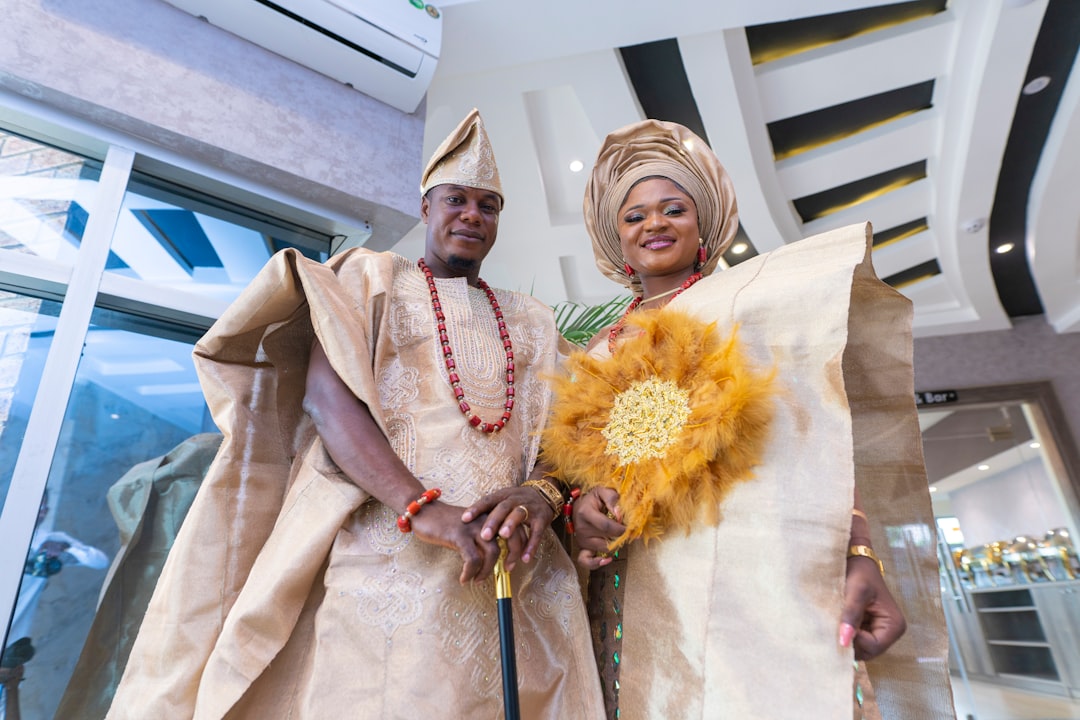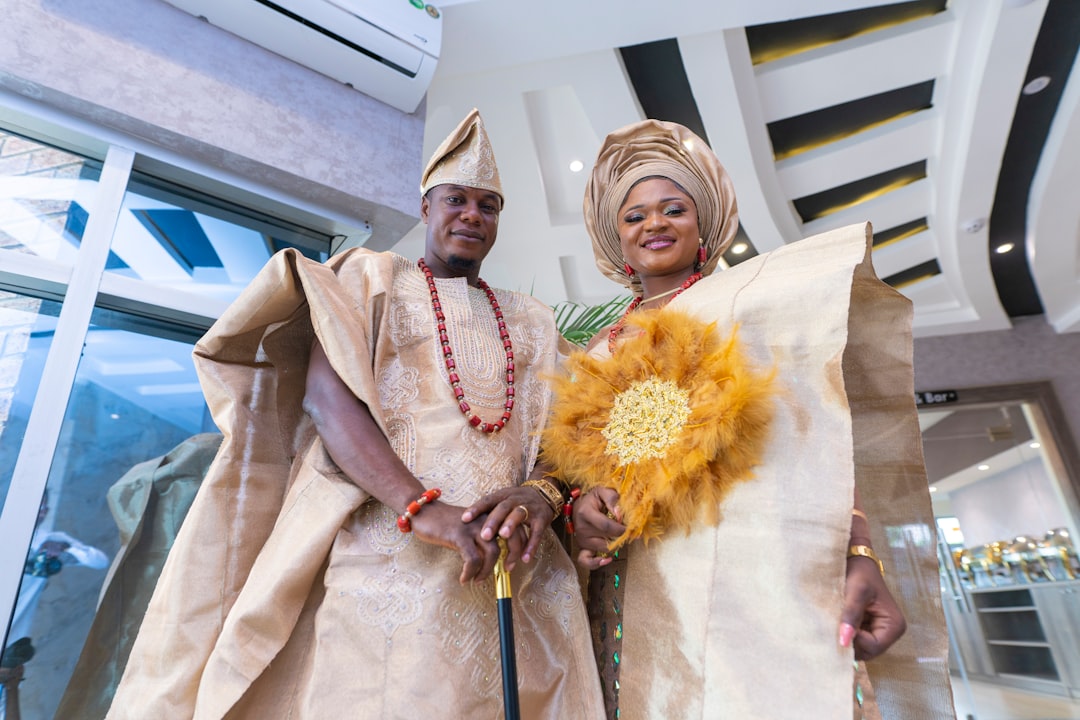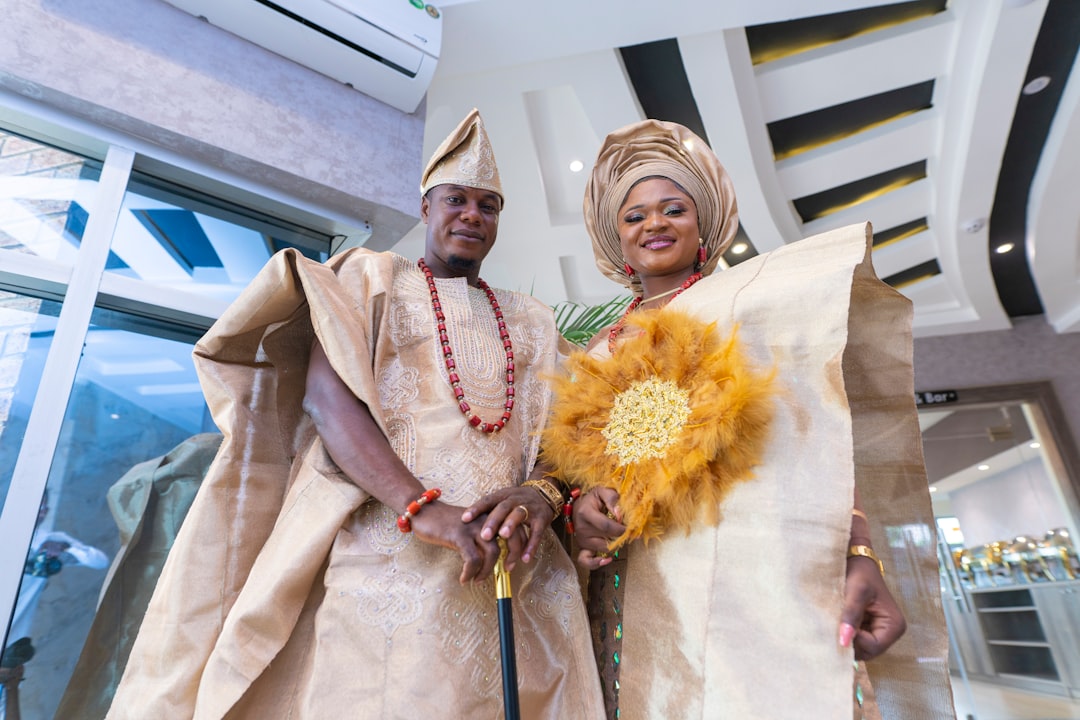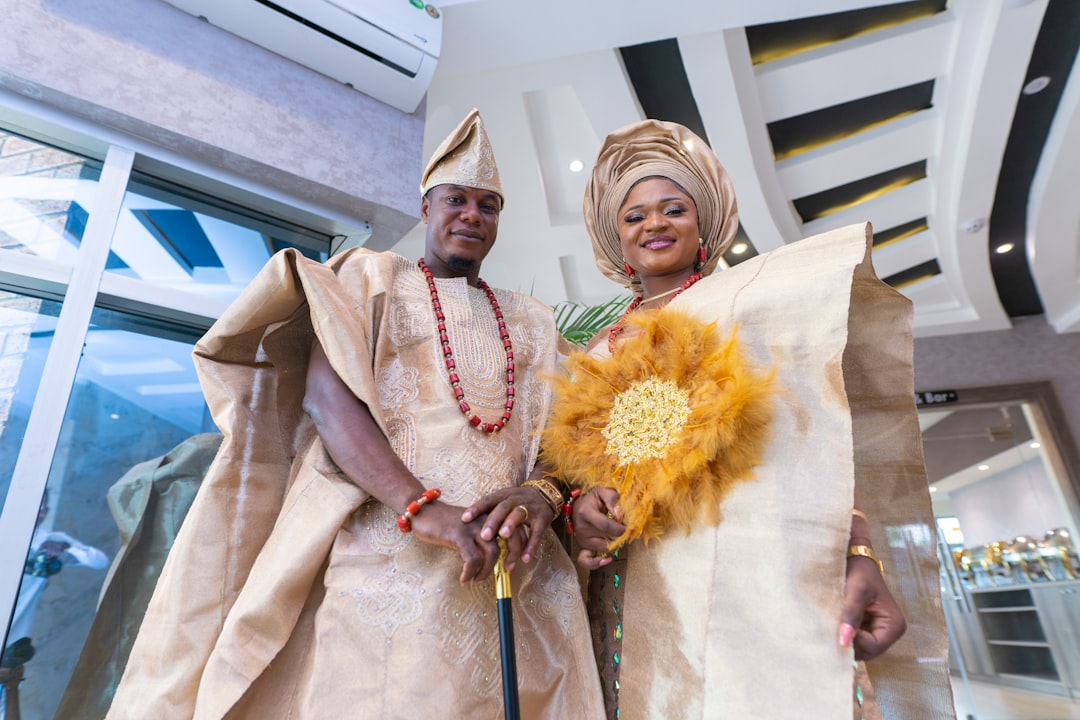
Yoruba family vocabulary is among the richest and most semantically dense systems in any West African language. Where English collapses many distinctions into single terms ("brother," "uncle," "cousin"), Yoruba requires the speaker to encode birth order, maternal versus paternal lineage, generational seniority, and degree of respect into nearly every relationship label. The vocabulary reflects the social structure of Yoruba societies, where the extended family (ẹbí) rather than the nuclear unit forms the basic social building block, and where the proverb Ìbí ọmọ kìí pa orúkọ rẹ́ rún ("the birth order of a child does not erase its name") encodes a universe of expectations about deference, inheritance, and obligation.
This reference catalogues the core Yoruba kinship terminology, the cultural rules governing how relatives are addressed, the elaborate respect register used for elders, and the phrases used in daily family interaction. It covers the nuclear family, extended family, in-law terminology, and the special vocabulary surrounding twins, children, and elders. For background on grammatical structure, readers should consult the Yoruba pronouns reference, and for the broader cultural context the Yoruba greetings and cultural salutations reference.
The Nuclear Family
The core nuclear family terms form the foundation, but even these are not as simple as they look in English translation.
| English | Yoruba | Notes |
|---|---|---|
| Father | Bàbá | Address term and reference |
| Mother | Ìyá / Mamá | Both used; Mamá is more familiar |
| Child (general) | Ọmọ | Same word for "son" or "daughter" |
| Son | Ọmọkùnrin | "Male child" |
| Daughter | Ọmọbìnrin | "Female child" |
| Older sibling | Ẹ̀gbọ́n | Used for both genders |
| Younger sibling | Àbúrò | Used for both genders |
| Older brother | Ẹ̀gbọ́n ọkùnrin | |
| Older sister | Ẹ̀gbọ́n obìnrin | |
| Younger brother | Àbúrò ọkùnrin | |
| Younger sister | Àbúrò obìnrin | |
| Husband | Ọkọ | |
| Wife | Aya / Ìyàwó | Ìyàwó originally meant "newcomer wife" |
The most important distinction Yoruba enforces, and that English entirely lacks, is between ẹ̀gbọ́n (older sibling) and àbúrò (younger sibling). In Yoruba culture, age order is not a neutral fact; it is a social position. An ẹ̀gbọ́n is owed respect, must be addressed differently, and traditionally has authority over an àbúrò. To say "my brother" in Yoruba without specifying which is older is awkward, and the question Ẹ̀gbọ́n tàbí àbúrò? ("Older or younger?") is among the first questions Yoruba people ask one another about relatives.
"Ẹni tó dàgbà jù lọ ní inú ilé ni a fi orí jọ́" — The eldest in the house is the one whose head is bowed to. Yoruba culture systematizes seniority into language itself.
Extended Family
The Yoruba extended family includes grandparents, aunts, uncles, cousins, and a wide circle of relatives by blood and marriage. Crucially, Yoruba distinguishes paternal from maternal kin in many cases.
| English | Yoruba | Notes |
|---|---|---|
| Grandfather | Bàbá àgbà / Bàbá-bàbá / Bàbá ìyá | Specifies paternal or maternal |
| Grandmother | Ìyá àgbà / Ìyá bàbá / Ìyá ìyá | Specifies paternal or maternal |
| Uncle (paternal) | Bàbá kékeré / Ẹ̀gbọ́n bàbá / Àbúrò bàbá | "Small father" or "father's older/younger brother" |
| Uncle (maternal) | Ẹ̀gbọ́n ìyá / Àbúrò ìyá | "Mother's older/younger brother" |
| Aunt (paternal) | Ẹ̀gbọ́n bàbá / Àbúrò bàbá (female) | |
| Aunt (maternal) | Ẹ̀gbọ́n ìyá / Àbúrò ìyá / Ìyá kékeré | "Small mother" |
| Cousin | Ọmọ ẹ̀gbọ́n / Ọmọ àbúrò | "Child of older/younger sibling" |
| Nephew/Niece | Ọmọ àbúrò / Ọmọ ẹ̀gbọ́n | Same construction reversed |
| Stepmother | Ìyàwó bàbá | "Father's wife" |
| Stepchild | Ọmọ ọkọ / Ọmọ aya | "Husband's child" or "wife's child" |
A father's brother who is older than the father is ẹ̀gbọ́n bàbá; younger is àbúrò bàbá. A mother's sister who is younger than the mother is ìyá kékeré ("little mother"). These are not just labels but functional roles: an ìyá kékeré has many of the obligations and intimacies of a mother, and children may live with her for extended periods.
In-Law Terminology
Marriage creates an entirely new web of relationships, each with its own term. The Yoruba term for in-laws as a category is àna.
| English | Yoruba | Notes |
|---|---|---|
| In-laws (general) | Àna | |
| Father-in-law | Bàbá ọkọ / Bàbá ìyàwó | Husband's or wife's father |
| Mother-in-law | Ìyá ọkọ / Ìyá ìyàwó | |
| Brother-in-law | Ẹ̀gbọ́n / àbúrò ọkọ / aya | Specified by spouse and age |
| Sister-in-law | Ẹ̀gbọ́n / àbúrò ọkọ / aya (female) | |
| Co-wife | Ìyàlé / Ìyaalé | Senior co-wife |
| Co-wife (junior) | Ìyàwó kékeré |
In traditional polygynous households, the relationship between ìyàlé (senior wife) and junior wives carries significant social and ritual weight. The senior wife often has authority over the household's organization. Even in monogamous modern marriages, these terms occasionally appear in literature and proverbs.
Twins and Birth-Order Names
Yoruba culture has the highest rate of twin births in the world, and this biological reality is encoded in language and ritual. Twins are sacred, and they receive automatic names.
| English | Yoruba | Notes |
|---|---|---|
| Twin (first born) | Táíwò | "Tasted the world" |
| Twin (second born) | Kẹ́hìndé | "Came after" |
| Child born after twins | Ìdòwú | |
| Child born after Idowu | Àlàbá | |
| Triplets (rare term) | Ẹ̀tà |
The names Táíwò and Kẹ́hìndé are automatic; every set of Yoruba twins receives them, regardless of any other names parents may give. Yoruba mythology holds that the second-born twin is actually the elder, who sent the younger sibling out first to "taste the world" and report whether life was worth living. This is encoded in the name Kẹ́hìndé: the one who "came after" is in fact older and wiser.
"Ẹlẹ́jọ́ kọ́kan kì í pinnu ẹjọ́" — A single party does not decide a case. Yoruba kinship vocabulary insists on relational context: every person is defined through others.
Generic Birth-Order Names
Beyond twins, Yoruba culture sometimes uses circumstance-of-birth names that double as kinship references.
| Name | Meaning |
|---|---|
| Àbíọ́dún | "Born during the festival" |
| Bíyì | "Born this way" (often after labor difficulty) |
| Bámidélé | "Come home with me" |
| Babátúndé | "Father has returned" (boy born after grandfather's death) |
| Ìyábọ̀ | "Mother has returned" (girl born after grandmother's death) |
| Yẹtúndé | "Mother has returned" (alternative form) |
| Olúwábùnmi | "God gave me [this child]" |
These names are used as personal names but also reference family history and lineage continuity, making them part of the broader kinship lexicon.
Respect and Address Forms
Address forms within the family follow strict rules of seniority. Younger family members never address elders by their first names alone.
| Relationship | Address Form |
|---|---|
| Father | Bàbá / Dádì (modern) |
| Mother | Ìyá / Mamá / Mọ́ọ̀mì (modern) |
| Older brother | Ẹ̀gbọ́n + name (Ẹ̀gbọ́n Délé) |
| Older sister | Ẹ̀gbọ́n + name (or Sísí + name) |
| Younger sibling | Name only |
| Father's older brother | Bàbá àgbà or Bàbá + first name |
| Mother's older sister | Ìyá àgbà or Mamá + first name |
| Grandfather | Bàbá àgbà |
| Grandmother | Ìyá àgbà / Mamá àgbà |
| Father-in-law | Bàbá + spouse's name |
| Mother-in-law | Ìyá + spouse's name |
A child must never call an older sibling simply by name. The form Ẹ̀gbọ́n Délé ("older sibling Dele") is mandatory. Even adult Yoruba speakers in their fifties may continue to address an elder sibling who is sixty as ẹ̀gbọ́n rather than by name alone.
The respect register also requires the use of plural pronouns for elders. Where English would say "you, Mom" with the same "you" used for a peer, Yoruba uses ẹ (plural respectful) for parents, regardless of how many people are addressed. See the Yoruba pronouns reference for full forms.
Cultural Practices Encoded in Vocabulary
Naming Ceremony (ìsọmọlórúkọ)
When a child is born, a naming ceremony is held on the eighth day for boys and the seventh for girls (some traditions reverse this). The ceremony is called ìsọmọlórúkọ ("giving the child a name"). Multiple names may be conferred by different relatives.
| Term | Meaning |
|---|---|
| Orúkọ | Name |
| Orúkọ àmútọ̀runwá | "Name brought from heaven" (innate name like Táíwò) |
| Orúkọ àbísọ | "Naming-day name" (chosen name) |
| Orúkọ orílẹ̀ | Lineage name (clan affiliation) |
| Oríkì | Praise name / cognomen |
Every Yoruba person traditionally has multiple names and an oríkì, a poetic praise-name recited by family members on important occasions.
Elder Respect
The vocabulary of elder respect (ìbọ̀wọ̀ fún àgbàlagbà) is extensive. Children prostrate (dọ̀bálẹ̀) for fathers and uncles, while girls kneel (kúnlẹ̀) for mothers and aunts. The greetings used reflect this; see the greetings reference.
| Action | Yoruba | Used For |
|---|---|---|
| Prostrate (full body) | Dọ̀bálẹ̀ | Boys/men greeting elders |
| Kneel | Kúnlẹ̀ | Girls/women greeting elders |
| Bow head | Tẹ́rí | Both, for less formal respect |
"Àgbà kì í wà lọ́jà kí orí ọmọ tuntun ó wọ́" — An elder is not present in the marketplace while a baby's head dangles. The presence of elders is itself a structuring force.
Family Phrases for Daily Use
| English | Yoruba |
|---|---|
| How is your family? | Báwo ni ìdílé yín? |
| My family is fine | Ìdílé mi wà dáadáa |
| How are your parents? | Báwo ni àwọn òbí yín? |
| How is your mother? | Báwo ni ìyá rẹ? |
| Greet your family for me | Kí ìdílé yín fún mi |
| She is my older sister | Ẹ̀gbọ́n mi obìnrin ni |
| He is my younger brother | Àbúrò mi ọkùnrin ni |
| This is my husband | Ọkọ mi nìyí |
| This is my wife | Aya mi nìyí |
| I have three children | Mo ní ọmọ mẹ́ta |
The phrase Kí ìdílé yín fún mi ("greet your family for me") is mandatory when ending a conversation with anyone whose family you know. To omit it is mildly rude.
The Concept of Ẹbí (Lineage)
The Yoruba ẹbí is wider than the English "family." It includes anyone descended from a common ancestor, sometimes traced ten or more generations back. The ẹbí is the unit of land inheritance, ritual obligation, and political solidarity.
| Term | Meaning |
|---|---|
| Ẹbí | Lineage, extended family |
| Ìdílé | Household / immediate extended family |
| Ọmọ ìyá | "Children of [the same] mother" (full siblings or close kin) |
| Ọmọ bàbá | "Children of [the same] father" |
| Ará ilé | Household members |
The phrase Ọmọ ìyá ni wá ("we are children of one mother") is used metaphorically to express deep solidarity, even between unrelated friends.
Common Mistakes Learners Make
Translating "brother" or "sister" directly: There is no neutral Yoruba word for "brother" or "sister." Speakers must specify older (ẹ̀gbọ́n) or younger (àbúrò), and gender if needed.
Calling an uncle simply "uncle": Yoruba requires specifying paternal or maternal, and older or younger than the parent.
Using singular pronouns for parents: Adults addressing parents use ẹ (plural respectful), not o (singular informal).
Skipping the prostration on first meeting: When introduced to elders in traditional settings, children and even adults are expected to prostrate (boys) or kneel (girls). Failing to do so reads as cold or rude.
Forgetting birth-order titles: Calling an older sibling by name alone, without ẹ̀gbọ́n, marks the speaker as either rude or non-Yoruba.
Quick Reference
| Category | Key Terms |
|---|---|
| Parents | Bàbá, Ìyá |
| Children | Ọmọkùnrin, Ọmọbìnrin |
| Siblings | Ẹ̀gbọ́n, Àbúrò |
| Spouses | Ọkọ, Aya / Ìyàwó |
| Grandparents | Bàbá àgbà, Ìyá àgbà |
| In-laws | Àna |
| Twins | Táíwò, Kẹ́hìndé |
| Lineage | Ẹbí, Ìdílé |
Frequently Asked Questions
Why does Yoruba have separate words for older and younger siblings but not for brother versus sister? Yoruba prioritizes seniority over gender in kinship classification. Birth order determines social rights and obligations, while gender often does not. Gender can be specified with ọkùnrin (male) or obìnrin (female) when needed.
Do Yoruba children really call all their father's brothers "father"? Yes, in a sense. A father's brother is bàbá kékeré ("small father") or bàbá plus a specifying name. The relationship is more parental than the English "uncle" suggests; these men have substantial caregiving roles.
What is the difference between àna and ìdílé? Àna specifically means in-laws, the family acquired through marriage. Ìdílé means one's own household or close extended family of blood relatives.
Are twins really seen as sacred? Yes. Yoruba culture has an unusually high rate of twin births globally and developed an elaborate ritual and linguistic complex around twins, including the automatic names Taiwo and Kehinde and dedicated shrines.
How do Yoruba speakers address grandparents? Most commonly Bàbá àgbà ("elder father") and Ìyá àgbà ("elder mother"), often with the location of the grandparent's home or family branch as a qualifier when multiple grandparents exist.
Is polygyny still common, and do the co-wife terms still matter? Polygyny remains legal under customary and Islamic law in Nigeria, though urban families are increasingly monogamous. The terms ìyàlé (senior wife) and junior co-wife still appear in literature, traditional contexts, and rural communities.
Can I use these terms with adopted family or close family friends? Yes. Yoruba culture readily extends kinship terminology to close friends and adopted family. Calling a parent's close friend Bàbá plus their name, or Ẹ̀gbọ́n plus a name for a close older friend, is normal and warm.
See Also
- Yoruba Pronouns: Subject, Object, Possessive Reference
- Yoruba Greetings and Cultural Salutations
- Yoruba Three Tones Reference
- Yoruba Noun System: No Plurals, No Gender
- Yoruba Proverbs and Wisdom Sayings
- Yoruba Common Phrases for Daily Conversation
- Yoruba Numbers and the Vigesimal System
Author: Kalenux Team
Frequently Asked Questions
Why does Yoruba have separate words for older and younger siblings but not for brother versus sister?
Yoruba prioritizes seniority over gender in kinship classification. Birth order determines social rights and obligations while gender often does not. Gender can be specified with okunrin (male) or obinrin (female) when needed.
Do Yoruba children really call all their father's brothers father?
Yes in a sense. A father's brother is baba kekere or small father, or baba plus a specifying name. The relationship is more parental than the English uncle suggests; these men have substantial caregiving roles.
What is the difference between ana and idile?
Ana specifically means in-laws, the family acquired through marriage. Idile means one's own household or close extended family of blood relatives.
Are twins really seen as sacred in Yoruba culture?
Yes. Yoruba culture has an unusually high rate of twin births globally and developed an elaborate ritual and linguistic complex around twins, including the automatic names Taiwo and Kehinde and dedicated shrines.
How do Yoruba speakers address grandparents?
Most commonly Baba agba meaning elder father and Iya agba meaning elder mother, often with the location of the grandparent's home or family branch as a qualifier when multiple grandparents exist.
Is polygyny still common in Yoruba society?
Polygyny remains legal under customary and Islamic law in Nigeria, though urban families are increasingly monogamous. The terms iyale (senior wife) and junior co-wife still appear in literature, traditional contexts, and rural communities.
Can I use these kinship terms with adopted family or close friends?
Yes. Yoruba culture readily extends kinship terminology to close friends and adopted family. Calling a parent's close friend Baba plus their name, or Egbon plus a name for a close older friend, is normal and warm.