
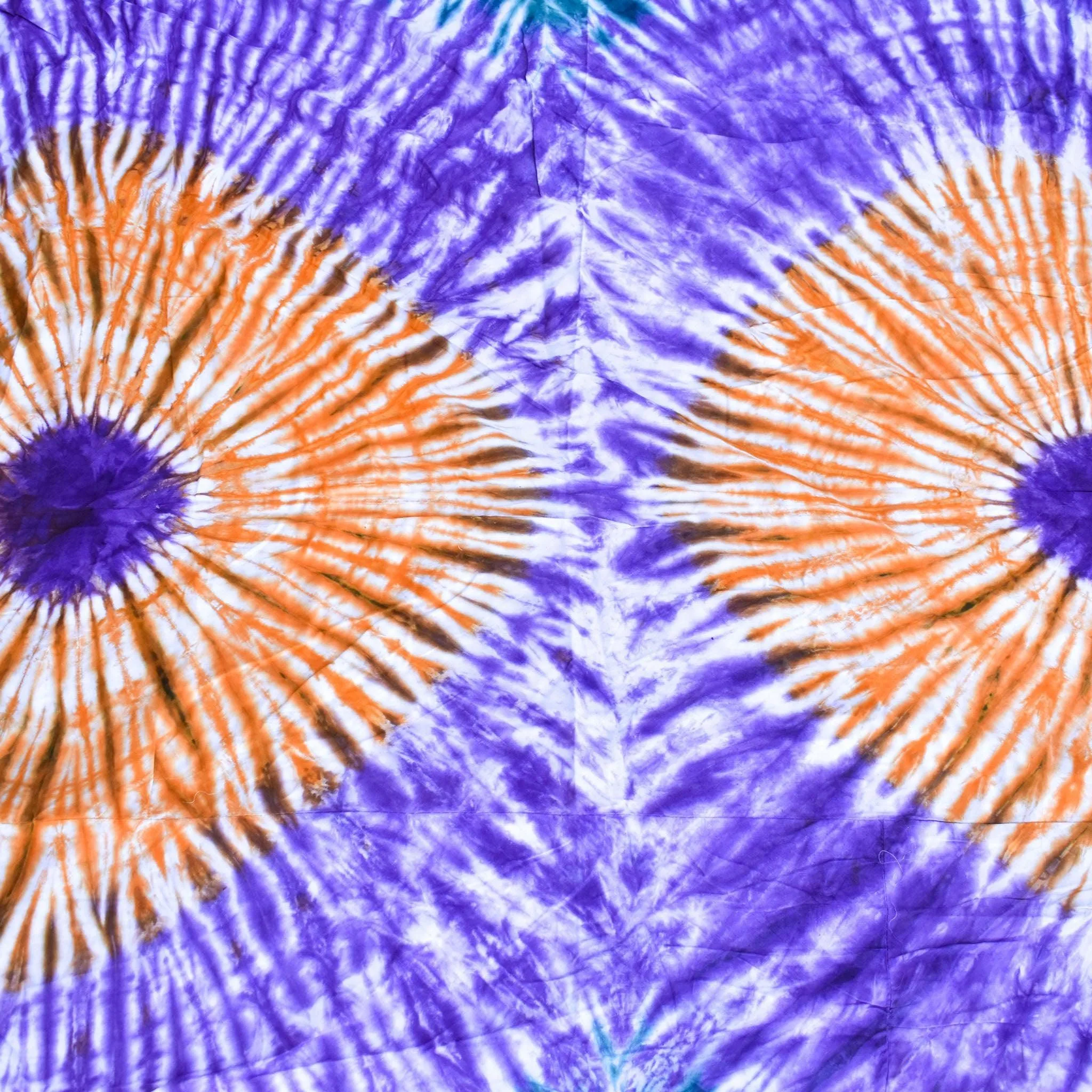
The Yoruba color system is one of the most studied cases in cross-linguistic color anthropology. Where English distinguishes a chromatic spectrum of eleven basic color terms, traditional Yoruba operates with a remarkably economical three-color system: funfun (white/light), dúdú (black/dark), and pupa (red/warm).
All other colors are derived through compounding, comparison to natural objects, or modern borrowing. This is not because Yoruba speakers cannot perceive a wider spectrum, but because traditional Yoruba color terminology is organized around brightness and warmth contrasts rather than the European chromatic-hue scheme.
This reference catalogues both the traditional three-color system and the expanded modern Yoruba color vocabulary, along with the adjectival vocabulary used to describe size, shape, texture, age, beauty, and quality.
Yoruba adjectives behave differently from English adjectives, often functioning as stative verbs (so "the cloth is red" is aṣọ pupa, where pupa acts as a verb meaning "to be red"). For broader grammatical context, see the Yoruba noun system reference and the verb tense and aspect reference.
The Traditional Three-Color System
Classical Yoruba color terminology can be reduced to three macro-color terms that subsume the entire chromatic and achromatic field.
| Yoruba | English Range |
|---|---|
| Funfun | White, light, pale, bright, clean |
| Dúdú | Black, dark, deep, brown, navy, dark green |
| Pupa | Red, orange, yellow, warm tones, brown, even ripe |
Crucially, pupa is not just "red." It can describe the color of a ripe orange, the yellow of a banana skin (ọ̀gẹ̀dẹ̀ pupa = "ripe banana"), the warm tone of a red mahogany cloth, and the orange-red of laterite earth. The English-color "red" mapping is closer to a sense of "warm-bright-saturated."
Similarly, dúdú covers the entire dark-cool range, including dark green, navy blue, dark brown, and black. A green leaf is conventionally described as ewé dúdú ("dark leaf") in some traditional usages, although the modern term ewéko (greenery, plant-color) is now common.
"Aláwọ̀ funfun bí èkùrú, awọ̀ pupa bí ìpọ́n" , Color white as pap, color red as palm-fruit. Yoruba poetic language compares colors to natural referents.
Modern Expanded Color Vocabulary
Contemporary Yoruba, especially in urban speech and educational materials, has expanded its color vocabulary through three mechanisms: compounding, descriptive analogy to natural objects, and direct borrowing from English.
| English Color | Yoruba (Modern) | Source / Note |
|---|---|---|
| Red | Pupa / Pupa fẹ́rẹ́fẹ́ | Native term |
| Orange | Òjẹ̀lẹ̀ / Ọ̀sàn / Pupa pupa | Òjẹ̀lẹ̀ from "tangerine," ọ̀sàn = "orange (fruit)" |
| Yellow | Pupa wẹẹrẹ / Yẹ́lò / Ìpẹ̀tù | Borrowed and descriptive forms |
| Green | Ewéko / Àwọ̀ ewé / Gírííìnì | "Plant-color" / "leaf-color" / borrowed |
| Blue | Búlúù / Aró | Borrowed / "indigo-dye" |
| Indigo | Aró | Native, the dye-plant color |
| Purple | Pọ́pọ́ / Aró pupa | Borrowed / "red-indigo" |
| Brown | Búráùnù / Awọ̀ erùpẹ̀ | Borrowed / "earth-color" |
| Pink | Píǹkì / Pupa fẹ́rẹ́fẹ́ | Borrowed / "light red" |
| Gray | Erèé / Greì | "Beans-color" / borrowed |
| Black | Dúdú | Native |
| White | Funfun | Native |
| Gold | Wúrà | Native (the metal) |
| Silver | Fàdákà | Native (the metal) |
The native Yoruba word aró referred specifically to indigo, the most important traditional dye in West African cloth-making. The Yoruba textile tradition of indigo-dyed adire cloth keeps aró in active use as both a color and a craft.
Color Constructions
Color in Yoruba does not work like an English adjective placed before a noun. Yoruba uses two main patterns.
Pattern 1: Adjective After Noun
The simplest construction places the color word after the noun.
| English | Yoruba |
|---|---|
| Red cloth | Aṣọ pupa |
| White house | Ilé funfun |
| Black cat | Ológbò dúdú |
| Green leaf | Ewé ewéko |
| Blue car | Ọkọ̀ búlúù |
Pattern 2: Stative Verb
Color can also function as a stative verb, expressing "to be [color]."
| English | Yoruba |
|---|---|
| The cloth is red | Aṣọ náà pupa |
| The house is white | Ilé náà funfun |
| The sky is blue | Òfúrufú náà búlúù |
In both patterns, no copula ("is") is needed, since the color word itself carries the predication. For more on this, see the Yoruba noun system reference.
Pattern 3: With "Awọ̀" (Color)
For emphasis or formal description, the color is preceded by awọ̀ (color).
| English | Yoruba |
|---|---|
| The color red | Awọ̀ pupa |
| A blue color | Awọ̀ búlúù |
| What color is it? | Awọ̀ wo ni? |
Common Adjectives: Size and Shape
Adjectives in Yoruba often function as stative verbs, just like color words.
| English | Yoruba |
|---|---|
| Big | Ńlá / Tóbi |
| Small | Kékeré / Kéré |
| Long | Gígùn / Gùn |
| Short | Kúkúrú / Kúrú |
| Tall | Gíga / Ga |
| Short (in height) | Kúkúrú |
| Wide | Gbòòrò |
| Narrow | Híhá / Há |
| Thick | Nípọn |
| Thin | Tínrín |
| Round | Róbótó |
| Flat | Pẹ́pẹ́ |
The form pairs (ńlá / tóbi, kékeré / kéré) often differ in syntactic context: the reduplicated forms (tóbi, kúkúrú) work as predicates, while the others appear as attributive modifiers.
"Ọmọ kékeré kì í tó láì rí ohun ńlá" , A small child does not grow up without seeing big things. Yoruba adjectives always serve narrative.
Adjectives: Quantity and Quality
| English | Yoruba |
|---|---|
| Many / much | Púpọ̀ |
| Few / little | Díẹ̀ |
| All | Gbogbo |
| Some | Díẹ̀ / Mìíràn |
| Enough | Tó |
| Empty | Òfìfo |
| Full | Kún |
| Heavy | Wúwo |
| Light (weight) | Fẹ́rẹ́ |
Adjectives: Age and Time
| English | Yoruba |
|---|---|
| New | Tuntun |
| Old (objects) | Àtijọ́ |
| Old (people) | Àgbà |
| Young | Kéréjù / Ọ̀dọ́ |
| Recent | Tuntun |
| Ancient | Àtijọ́gbó |
The distinction between àgbà (old, of people, with respect connotation) and àtijọ́ (old, of objects, possibly used pejoratively) is important. Calling an elder àtijọ́ would be insulting, while calling an old chair àgbà would be incongruous.
Adjectives: Quality and Beauty
| English | Yoruba |
|---|---|
| Good | Dáadáa / Dára |
| Bad | Búburú |
| Beautiful | Lẹ́wà |
| Ugly | Burú lójú |
| Sweet / nice / delicious | Dùn |
| Bitter | Korò |
| Sour | Kan |
| Salty | Iyọ̀ púpọ̀ |
| Spicy / peppery | Ní ata |
| Hot (temperature) | Gbóná |
| Cold | Tútù |
| Warm | Ńkú díẹ̀ |
| Soft | Rọ̀ |
| Hard | Le |
The verb dùn is one of the most semantically rich in Yoruba. Beyond "sweet" (taste), it means "delicious," "pleasant," "enjoyable," "interesting," and even "easy." A song can dùn (be pleasant), a story can dùn (be enjoyable), and life can dùn (be sweet).
Adjectives: Personality and Character
| English | Yoruba |
|---|---|
| Kind | Onínú-rere ("having good belly") |
| Cruel | Òǹrekereke / Ìkà |
| Wise | Ọlọ́gbọ́n |
| Foolish | Aláìmọ̀ / Òmùgọ̀ |
| Brave | Akin / Akínkanjú |
| Cowardly | Ọ̀lẹ |
| Lazy | Ọ̀lẹ |
| Hardworking | Olùṣiṣẹ́pò / Aláápọn |
| Honest | Olótítọ́ |
| Dishonest | Òpúrọ́ |
| Patient | Olùforítì |
| Generous | Onínú-rere |
The Yoruba metaphor for kindness, inú rere ("good interior" or "good belly"), reflects a worldview where moral character is located in the abdomen, not the heart. Inú (interior, belly) is the seat of emotion and disposition in Yoruba metaphysics.
Comparatives and Superlatives
Yoruba does not have dedicated comparative suffixes like English -er. Comparison is expressed through verbs and constructions.
| English | Yoruba |
|---|---|
| Bigger than | Tóbi ju... lọ |
| Smaller than | Kéré ju... lọ |
| The biggest | Tó tóbi jù |
| The smallest | Tó kéré jù |
| As big as | Tóbi tó |
Example: Ó tóbi ju mi lọ = "He/she is bigger than me" (literally "is-big surpass me go").
"Ọgbọ́n ju ipá lọ" , Wisdom surpasses strength. The Yoruba comparative construction in proverbial form.
Cultural Significance of Colors
White (Funfun)
White is associated with the orisha Ọbàtálá, the deity of creation, peace, and purity. Devotees of Obatala wear white. White cloth is given to twins (an offering to the orisha Ìbejì). White symbolizes coolness, peace, and spiritual clarity.
Black/Dark (Dúdú)
Black has complex associations: depth, mystery, the unknown, ancestral wisdom, and night. It is not strongly negative in traditional Yoruba thought, unlike in some Western color symbolisms.
Red (Pupa)
Red is the color of Ṣàngó (thunder orisha), of war, of sacrifice, and of vital energy. The Sango shrine uses red cloth, red palm oil, and red kola nut. Red also has connotations of beauty: a "red" complexion (light brown, in English terms) is traditionally praised.
Indigo (Aró)
Indigo is the soul of Yoruba textile heritage. Adire cloth, dyed with traditional indigo and resist patterns, is one of the most internationally recognized Yoruba crafts.
For more on these symbolic associations, see the Yoruba orisha and Ifa religious vocabulary reference.
Common Mistakes Learners Make
Translating colors directly: English speakers often expect a Yoruba word for each English color, but pupa covers a much wider range than English "red." Likewise dúdú covers what English splits into black, dark green, dark brown, and navy.
Placing the adjective before the noun: Yoruba follows noun-adjective order, not adjective-noun. "Red car" is ọkọ̀ pupa, not pupa ọkọ̀.
Using a copula with adjectives: Saying Aṣọ ni pupa ("the cloth is red") with an explicit "is" is incorrect. Adjectives function as stative verbs: Aṣọ pupa is sufficient.
Confusing àgbà and àtijọ́: One refers respectfully to old people, the other to old objects. Misusing them can be offensive.
Ignoring tones in similar-sounding adjectives: Dùn (sweet) and dín (fry) are completely different despite spelling similarity.
Quick Reference
| Category | Key Terms |
|---|---|
| Three primary colors | Funfun, Dúdú, Pupa |
| Modern colors | Búlúù, Yẹ́lò, Greì, Píǹkì |
| Size | Ńlá / Kékeré, Gígùn / Kúkúrú |
| Quality | Dára / Búburú |
| Taste | Dùn, Korò, Kan |
| Temperature | Gbóná / Tútù |
| Comparison | Ju... lọ |
Frequently Asked Questions
Why does Yoruba have only three traditional color words? Linguists working on color cosmology, particularly Berlin and Kay's typology, place Yoruba at an early stage of color-term development. The three terms (white/light, black/dark, red/warm) cover the perceptual dimensions of brightness and warmth, which are the most universally salient distinctions across human languages.
Can I just use English color words in modern Yoruba? In urban speech, yes. Educated Yoruba speakers freely borrow English color terms (bùlú, yẹ́lò, píǹkì). However, in literature, religious contexts, and traditional speech, native and traditional terms are preferred.
Do Yoruba people see fewer colors than English speakers? No. Color perception is universal; what differs is how languages categorize and label colors. Yoruba speakers can describe any visual color, but they may use compound or analogical descriptions where English uses single words.
How do I describe shades like "light blue" or "dark green"? Combine funfun (light) or dúdú (dark) with the color: búlúù funfun (light blue), ewéko dúdú (dark green). Modern speakers may also use English borrowings: láìtì búlúù.
Are adjectives really stative verbs in Yoruba? Yes. They behave grammatically like verbs, can be negated with kò, and do not require a copula. Ó pupa means "it is red" with no "is" needed.
What is adire cloth? Indigo-dyed resist-patterned cloth made by Yoruba women, particularly in Abeokuta and Osogbo. It is one of the most celebrated traditional Yoruba textile arts and the reason aró remains a living color word.
Is calling someone pupa offensive? No, traditionally the opposite. Pupa as applied to skin tone refers to a light-brown complexion, often considered beautiful in traditional aesthetics. Context matters, however; modern racialized usage is more sensitive.
See Also
- Yoruba Noun System: No Plurals, No Gender
- Yoruba Verb Tense and Aspect Markers
- Yoruba Three Tones Reference
- Yoruba Orisha and Ifa Religious Vocabulary
- Yoruba Common Phrases for Daily Conversation
- Yoruba Loanwords from English, Hausa, Portuguese
- Yoruba Proverbs and Wisdom Sayings
Author: Kalenux Team
Frequently Asked Questions
Why does Yoruba have only three traditional color words?
Linguists working on color cosmology, particularly Berlin and Kay’s typology, place Yoruba at an early stage of color-term development. The three terms (white/light, black/dark, red/warm) cover the perceptual dimensions of brightness and warmth, which are the most universally salient distinctions across human languages.
Can I just use English color words in modern Yoruba?
In urban speech, yes. Educated Yoruba speakers freely borrow English color terms like bulu, yelo, and pinki. However, in literature, religious contexts, and traditional speech, native and traditional terms are preferred.
Do Yoruba people see fewer colors than English speakers?
No. Color perception is universal; what differs is how languages categorize and label colors. Yoruba speakers can describe any visual color, but they may use compound or analogical descriptions where English uses single words.
How do I describe shades like light blue or dark green?
Combine funfun (light) or dudu (dark) with the color: bulu funfun for light blue, eweko dudu for dark green. Modern speakers may also use English borrowings such as laiti bulu.
Are adjectives really stative verbs in Yoruba?
Yes. They behave grammatically like verbs, can be negated with ko, and do not require a copula. O pupa means it is red with no is needed.
What is adire cloth?
Indigo-dyed resist-patterned cloth made by Yoruba women, particularly in Abeokuta and Osogbo. It is one of the most celebrated traditional Yoruba textile arts and the reason aro remains a living color word.
Is calling someone pupa offensive?
No, traditionally the opposite. Pupa as applied to skin tone refers to a light-brown complexion, often considered beautiful in traditional aesthetics. Context matters, however; modern racialized usage is more sensitive.