
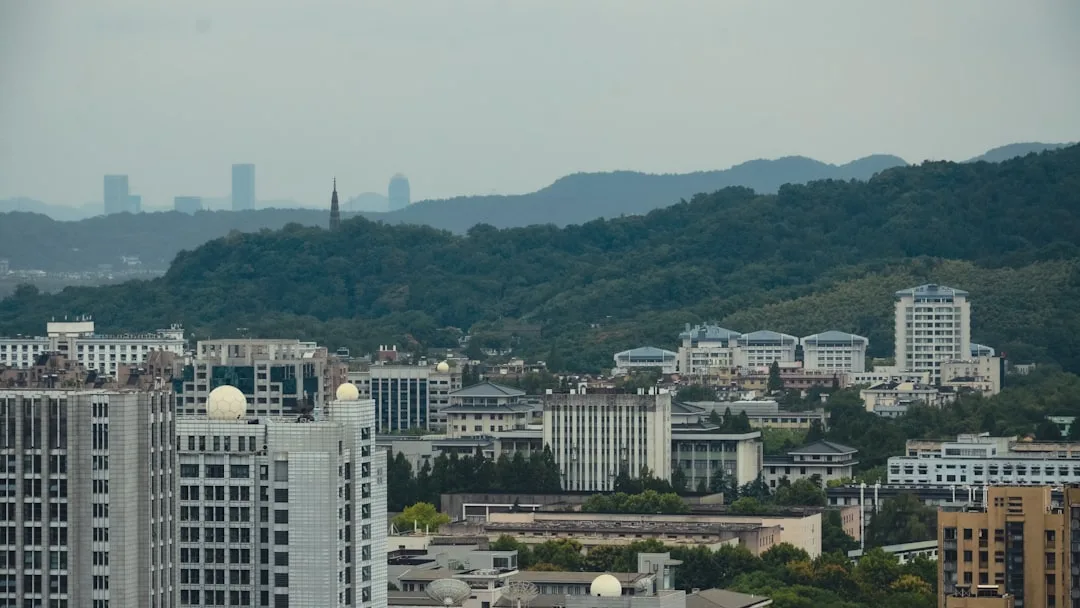
China spans 5,500 kilometers from the subarctic forests of Heilongjiang to the tropical coast of Hainan, and 5,200 kilometers from the Gobi Desert to the Pacific. This enormous climatic range makes weather small talk (天气, tiānqì) a national pastime: Beijing's bone-dry winter, Shanghai's humid summer, Chengdu's year-round overcast mist, Kunming's "eternal spring," and Harbin's ice-festival cold all produce distinct vocabulary and cultural expressions. This reference collects the Chinese weather vocabulary you need for those conversations, from the seasons and forecasts to the phrases people actually exchange.
Classical Chinese poetry dedicates more verse to weather and nature than almost any other topic, and the four seasons (四季, sìjì) structure festivals, food, medicine, and even health advice.
This reference to Chinese Weather covers weather expressions, the four seasons, climate across China's regions, temperature and precipitation vocabulary, nature terms (mountains, rivers, flora, fauna), poetic weather expressions, and common sentence patterns for describing weather. Each entry pairs simplified Chinese with pinyin and English.
For pronunciation, see the pinyin complete guide and the Chinese tones complete guide. For the sentence patterns used ("it is raining," "today is hot"), see the Chinese grammar rules guide. For colors used in weather descriptions (blue sky, white clouds), see the Chinese colors and adjectives reference.
The Four Seasons
The four seasons structure traditional Chinese life more deeply than in the English-speaking world. TCM and dietary practice prescribe specific foods, herbs, and behaviors for each; festivals mark seasonal transitions; and centuries of poetry have associated each season with moods.
Table 1. The four seasons.
| Chinese | Pinyin | English | Months |
|---|---|---|---|
| 春天 | chūntiān | Spring | Mar-May |
| 夏天 | xiàtiān | Summer | Jun-Aug |
| 秋天 | qiūtiān | Autumn | Sep-Nov |
| 冬天 | dōngtiān | Winter | Dec-Feb |
| 春夏秋冬 | chūn xià qiū dōng | Four seasons (set phrase) | |
| 季节 | jìjié | Season |
Alongside these modern names, the traditional 二十四节气 (èrshísì jiéqì, "24 solar terms") divide the year into fortnightly segments such as 立春 (lì chūn, "start of spring"), 惊蛰 (jīngzhé, "waking of insects"), 清明 (qīngmíng, "clear and bright"), and 冬至 (dōngzhì, "winter solstice"). These were inscribed on the UNESCO Intangible Cultural Heritage list in 2016 and still guide farming calendars.
Each Chinese season associates with a direction, element, color, and organ in TCM: spring with east, wood, green, and liver; summer with south, fire, red, and heart; autumn with west, metal, white, and lungs; winter with north, water, black, and kidneys. Traditional diet adapts accordingly: eating liver-supporting greens in spring, sweating-inducing foods in summer, moistening pears and white fungus in dry autumn, warming lamb and dried red fruits in cold winter.
Basic Weather Terms
Table 2. Core weather vocabulary.
| Chinese | Pinyin | English |
|---|---|---|
| 天气 | tiānqì | Weather |
| 天气预报 | tiānqì yùbào | Weather forecast |
| 气候 | qìhòu | Climate |
| 温度 | wēndù | Temperature |
| 度 | dù | Degree |
| 摄氏度 | Shèshì dù | Celsius |
| 华氏度 | Huáshì dù | Fahrenheit |
| 冷 | lěng | Cold |
| 凉 | liáng | Cool |
| 暖 | nuǎn | Warm |
| 热 | rè | Hot |
| 干 | gān | Dry |
| 湿 | shī | Humid, wet |
| 闷热 | mēnrè | Muggy, stifling hot |
| 舒服 | shūfu | Comfortable |
| 宜人 | yírén | Pleasant |
Table 3. Weather phenomena.
| Chinese | Pinyin | English |
|---|---|---|
| 晴 | qíng | Clear, sunny |
| 晴天 | qíngtiān | Sunny day |
| 阴 | yīn | Overcast |
| 阴天 | yīntiān | Overcast day |
| 多云 | duōyún | Cloudy |
| 云 | yún | Cloud |
| 雨 | yǔ | Rain |
| 下雨 | xià yǔ | To rain |
| 小雨 | xiǎoyǔ | Light rain |
| 中雨 | zhōngyǔ | Moderate rain |
| 大雨 | dàyǔ | Heavy rain |
| 暴雨 | bàoyǔ | Torrential rain |
| 雪 | xuě | Snow |
| 下雪 | xià xuě | To snow |
| 冰 | bīng | Ice |
| 冰雹 | bīngbáo | Hail |
| 雾 | wù | Fog |
| 霾 | mái | Haze, smog |
| 雾霾 | wùmái | Smog |
| 风 | fēng | Wind |
| 大风 | dàfēng | Strong wind |
| 台风 | táifēng | Typhoon |
| 龙卷风 | lóngjuǎnfēng | Tornado |
| 雷 | léi | Thunder |
| 雷雨 | léiyǔ | Thunderstorm |
| 闪电 | shǎndiàn | Lightning |
| 彩虹 | cǎihóng | Rainbow |
Describing the Weather
Weather sentences typically use 今天天气 (jīntiān tiānqì) or omit 天气 to say just 今天很冷. The verb 下 (xià, "come down") pairs with rain, snow, and hail.
Table 4. Weather sentences.
| Chinese | Pinyin | English |
|---|---|---|
| 今天天气怎么样 | jīntiān tiānqì zěnmeyàng | How's the weather today? |
| 今天很热 | jīntiān hěn rè | It's hot today |
| 今天很冷 | jīntiān hěn lěng | It's cold today |
| 今天晴天 | jīntiān qíngtiān | It's sunny today |
| 下雨了 | xià yǔ le | It's raining |
| 下雪了 | xià xuě le | It's snowing |
| 起风了 | qǐ fēng le | The wind has picked up |
| 打雷了 | dǎ léi le | Thunder is sounding |
| 气温十度 | qìwēn shí dù | The temperature is 10 degrees |
| 最高二十五度 | zuì gāo èrshíwǔ dù | High of 25 degrees |
| 明天有雨 | míngtiān yǒu yǔ | Tomorrow it will rain |
Climate Across China
China's geography produces five distinct climate zones. Learning regional variation helps travelers prepare and converse intelligently.
Table 5. China's major climate zones.
| Zone | Chinese | Regions | Characteristics |
|---|---|---|---|
| Subarctic | 亚寒带 | North Heilongjiang | Long cold winters, short cool summers |
| Temperate continental | 温带大陆性 | Northwest (Xinjiang, Inner Mongolia) | Dry, extreme temps |
| Temperate monsoon | 温带季风 | Northeast, North China | Hot summers, cold dry winters |
| Subtropical monsoon | 亚热带季风 | Yangtze, South China | Hot humid summers, mild winters |
| Tropical monsoon | 热带季风 | Hainan, Yunnan south | Year-round warm, wet summer |
| Plateau | 高原 | Tibet, Qinghai | Cold, UV-intense, thin air |
Table 6. Signature regional weather.
| City/Region | Chinese | Weather reputation |
|---|---|---|
| 北京 Beijing | Běijīng | Dusty spring, hot humid summer, crisp autumn, dry cold winter |
| 上海 Shanghai | Shànghǎi | Humid summer (梅雨 plum rains), mild winter |
| 广州 Guangzhou | Guǎngzhōu | Long hot humid summer, brief mild winter |
| 成都 Chéngdū | Chéngdū | Overcast, humid, mild; "sun rarely seen" |
| 昆明 Kūnmíng | Kūnmíng | "Spring city" year-round moderate |
| 哈尔滨 Hā'ěrbīn | Hā'ěrbīn | Extreme winter (-30 C), ice festival |
| 乌鲁木齐 Ürümqi | Wūlǔmùqí | Continental extremes |
| 拉萨 Lāsà | Lāsà | High plateau, strong UV, cold nights |
梅雨 (méiyǔ, "plum rain") refers to the annual rainy season in the Yangtze Basin from mid-June to mid-July, named for the ripening of plums during this period. Daily drizzle, high humidity, and mold-growth conditions give "plum rain season" a weary reputation in Shanghai, Nanjing, and Wuhan. The arrival and departure dates are announced by the meteorological bureau each year.
Nature: Land, Water, Sky
Table 7. Landforms.
| Chinese | Pinyin | English |
|---|---|---|
| 山 | shān | Mountain |
| 山脉 | shānmài | Mountain range |
| 高山 | gāoshān | Tall mountain |
| 山顶 | shāndǐng | Mountain top |
| 山脚 | shānjiǎo | Mountain foot |
| 山谷 | shāngǔ | Valley |
| 平原 | píngyuán | Plain |
| 沙漠 | shāmò | Desert |
| 草原 | cǎoyuán | Grassland |
| 森林 | sēnlín | Forest |
| 树林 | shùlín | Woods |
| 田 | tián | Field |
| 岛 | dǎo | Island |
| 半岛 | bàndǎo | Peninsula |
| 湾 | wān | Bay |
| 海滩 | hǎitān | Beach |
| 岸 | àn | Shore, bank |
Table 8. Water.
| Chinese | Pinyin | English |
|---|---|---|
| 水 | shuǐ | Water |
| 河 | hé | River |
| 江 | jiāng | Large river (esp. south) |
| 长江 | Chángjiāng | Yangtze River |
| 黄河 | Huánghé | Yellow River |
| 湖 | hú | Lake |
| 海 | hǎi | Sea |
| 洋 | yáng | Ocean |
| 太平洋 | Tàipíngyáng | Pacific |
| 小溪 | xiǎoxī | Stream |
| 瀑布 | pùbù | Waterfall |
| 泉 | quán | Spring (water) |
Table 9. Sky.
| Chinese | Pinyin | English |
|---|---|---|
| 天 | tiān | Sky, heaven |
| 天空 | tiānkōng | Sky |
| 太阳 | tàiyáng | Sun |
| 月亮 | yuèliang | Moon |
| 星星 | xīngxing | Star |
| 云 | yún | Cloud |
| 白云 | báiyún | White cloud |
| 乌云 | wūyún | Dark cloud |
| 空气 | kōngqì | Air |
Flora and Fauna
Table 10. Plants.
| Chinese | Pinyin | English |
|---|---|---|
| 植物 | zhíwù | Plant |
| 树 | shù | Tree |
| 花 | huā | Flower |
| 草 | cǎo | Grass |
| 叶子 | yèzi | Leaf |
| 根 | gēn | Root |
| 种子 | zhǒngzi | Seed |
| 竹子 | zhúzi | Bamboo |
| 松树 | sōngshù | Pine |
| 柳树 | liǔshù | Willow |
| 梅花 | méihuā | Plum blossom |
| 樱花 | yīnghuā | Cherry blossom |
| 菊花 | júhuā | Chrysanthemum |
| 牡丹 | mǔdan | Peony |
| 荷花 | héhuā | Lotus |
| 兰花 | lánhuā | Orchid |
Table 11. Animals.
| Chinese | Pinyin | English |
|---|---|---|
| 动物 | dòngwù | Animal |
| 鸟 | niǎo | Bird |
| 鱼 | yú | Fish |
| 虫 | chóng | Insect |
| 猫 | māo | Cat |
| 狗 | gǒu | Dog |
| 马 | mǎ | Horse |
| 牛 | niú | Cow |
| 羊 | yáng | Sheep |
| 猪 | zhū | Pig |
| 鸡 | jī | Chicken |
| 鸭 | yā | Duck |
| 熊猫 | xióngmāo | Panda |
| 老虎 | lǎohǔ | Tiger |
| 狮子 | shīzi | Lion |
| 鹿 | lù | Deer |
| 龙 | lóng | Dragon (mythical) |
| 凤凰 | fènghuáng | Phoenix (mythical) |
Poetic and Idiomatic Weather Expressions
Chinese has a rich store of four-character weather idioms (see the Chinese chengyu reference for full treatment) and poetic expressions drawn from classical literature.
Table 12. Poetic weather phrases.
| Chinese | Pinyin | English |
|---|---|---|
| 风和日丽 | fēng hé rì lì | Gentle wind and fair sun |
| 万里无云 | wàn lǐ wú yún | Cloudless to the horizon |
| 倾盆大雨 | qīng pén dà yǔ | Rain pouring in sheets |
| 狂风暴雨 | kuáng fēng bào yǔ | Wild wind, fierce rain |
| 春暖花开 | chūn nuǎn huā kāi | Spring is warm and flowers bloom |
| 秋高气爽 | qiū gāo qì shuǎng | Autumn is high, air is crisp |
| 白雪皑皑 | bái xuě ái ái | White snow covering everything |
| 冰天雪地 | bīng tiān xuě dì | Icy sky, snowy ground |
Common Mistakes Learners Make
- Using 是 with weather. Don't say 今天是冷. Chinese adjective sentences need 很: 今天很冷.
- Confusing 气候 and 天气. 气候 is climate (long-term patterns); 天气 is weather (today, this week). Saying 北京的气候很冷 means the climate is cold overall; 北京今天的天气很冷 means today's weather.
- Using 下 incorrectly. 下雨, 下雪, 下冰雹 work. 下风 does not; use 刮风 (guā fēng, "scrape wind") or 起风了 instead.
- Mixing up 月 as moon and month. In 月亮 it's moon; in 五月 it's month.
- Literal translation of "it is raining." Chinese simply says 下雨了 (rain has come down) or 正在下雨 (currently raining). Don't use 是.
- Confusing temperature directions. 零下 (líng xià, "below zero") for negative temperatures; 零上 is implied or omitted for positive.
- Writing 夏 as 复. 夏 (summer) and 复 (again) are different characters.
- Forgetting 天 in season words. 春 alone is poetic; spoken language uses 春天. Same for 夏天, 秋天, 冬天.
Quick Reference
- Four seasons: 春夏秋冬, with 天 suffix (春天, etc.) in speech.
- Weather verbs: 下雨 rain, 下雪 snow, 刮风 wind, 打雷 thunder.
- Weather adjectives: 冷 cold, 热 hot, 湿 humid, 干 dry.
- Climate vs weather: 气候 long-term, 天气 daily.
- Temperature: 度 (degree), 零下 (below zero).
- Typhoon season: July to September, southeast coast.
- Plum rain: 梅雨, mid-June to mid-July in the Yangtze Basin.
FAQ
What is 24 solar terms and do Chinese still use them?
The 24 solar terms (二十四节气) are a traditional seasonal calendar dividing the year into fortnightly segments based on the sun's position. They guide agriculture, TCM dietary advice, and cultural observances. Although modern Chinese use the Gregorian calendar for dates, solar terms remain on wall calendars and phone apps.
Does China have daylight saving time?
No. China observes a single time zone (Beijing Time, UTC+8) across the entire country, including Xinjiang in the far west where local solar noon is close to 3 PM Beijing time.
How do I say "it's 25 degrees"?
二十五度 (èrshíwǔ dù). For Celsius, 摄氏 (shèshì) is understood but rarely spoken in daily Chinese; temperatures are assumed Celsius. Add 零下 (below zero) for negatives.
What's the difference between 江 and 河?
Historically 江 referred to the Yangtze and 河 to the Yellow River. In modern usage, major southern rivers tend to take 江 (长江, 珠江) and northern rivers 河 (黄河, 淮河). Small rivers are 河 or 小河.
What are the rainy months in China?
Varies by region. Shanghai-Wuhan-Nanjing experiences 梅雨 mid-June to mid-July. South China has a spring rainy season (March-May) and a summer one (June-August). Beijing is generally dry except for July-August thunderstorms.
How do I talk about air pollution?
空气质量 (kōngqì zhìliàng, air quality), 雾霾 (wùmái, smog), 空气指数 (kōngqì zhǐshù, AQI). Typical sentences: 今天雾霾很严重 (smog is heavy today), 今天空气不好 (air is bad today).
What does 季 mean compared to 季节?
季 is season in compounds (春季, 夏季) or fixed phrases (旅游季, tourist season). 季节 is the standalone word meaning "season." Both work; 季节 is more common in speech.
See Also
- Chinese colors and adjectives descriptions reference
- Chinese common phrases daily conversation reference
- Chinese travel phrases tourist guide reference
- Chinese HSK 1 vocabulary 150 essential words
- Chinese grammar rules complete beginners guide
- Chinese characters and radicals guide for beginners
- Chinese tones complete guide with examples
Author: Kalenux Team
Frequently Asked Questions
What are the 24 solar terms and do Chinese still use them?
The 24 solar terms (二十四节气) are a traditional seasonal calendar dividing the year into fortnightly segments based on the sun’s position. They still guide agriculture, TCM advice, and cultural observances. Modern calendars print them alongside Gregorian dates.
Does China have daylight saving time?
No. China observes a single time zone (Beijing Time, UTC+8) across the entire country, including Xinjiang in the far west where local solar noon falls around 3 PM Beijing time.
How do I say 'it's 25 degrees'?
二十五度 (èrshíwǔ dù). Celsius is the default; 摄氏 rarely spoken. For negatives, add 零下 (below zero).
What's the difference between 江 and 河?
Historically 江 referred to the Yangtze and 河 to the Yellow River. Today, major southern rivers tend to take 江 (长江, 珠江) and northern rivers 河 (黄河, 淮河). Small rivers are 河 or 小河.
What are the rainy months in China?
Varies by region. Shanghai-Wuhan-Nanjing experiences 梅雨 mid-June to mid-July. South China has spring (March-May) and summer (June-August) rainy seasons. Beijing is generally dry except for July-August thunderstorms.
How do I talk about air pollution?
空气质量 (air quality), 雾霾 (smog), 空气指数 (AQI). Sample sentences: 今天雾霾很严重 (smog is heavy today), 今天空气不好 (air is bad today).
What does 季 mean compared to 季节?
季 appears in compounds (春季, 夏季) and fixed phrases (旅游季). 季节 is the standalone word for ‘season.’ Both work; 季节 is more common in speech.