
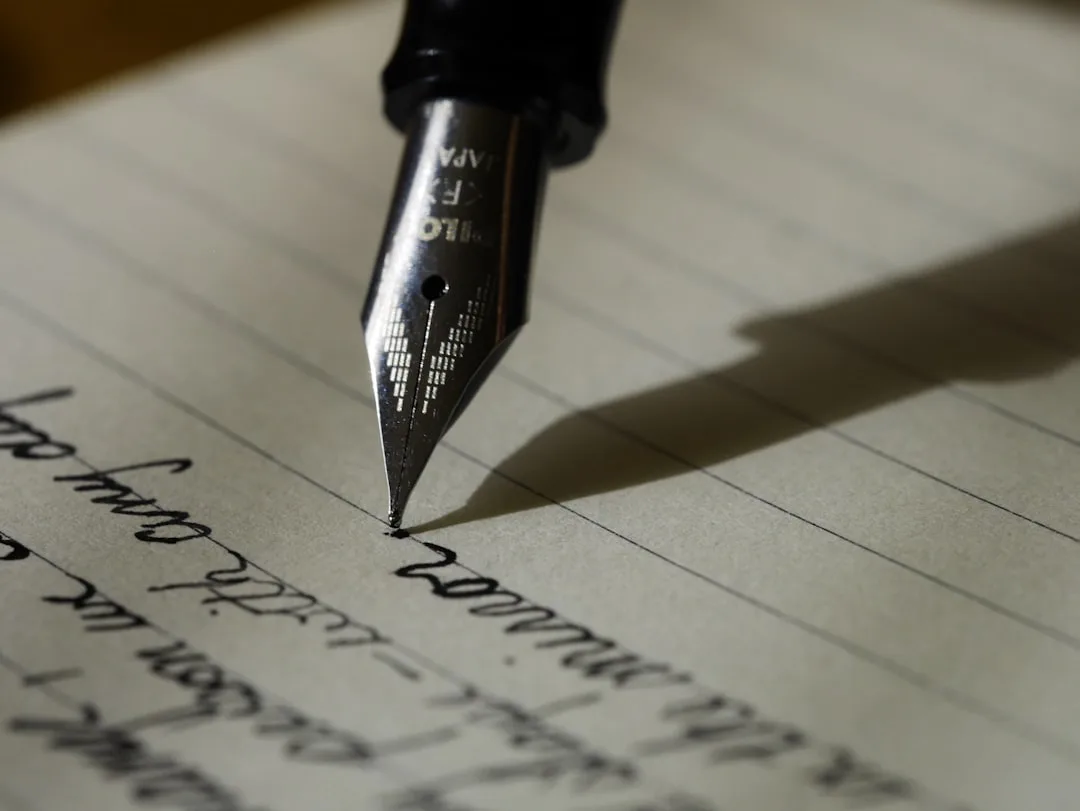
Clear writing is often mistaken for simple thinking. Writers worry that short sentences and plain words will make them look unsophisticated, so they reach for long phrases, technical jargon, and elaborate constructions to sound impressive. The result is usually the opposite of impressive: writing that is hard to follow and easy to misunderstand. Real skill lies in making complex ideas easy to grasp, and that is exactly what plain language does.
This guide covers the fundamentals of writing clearly. None of them require special talent. They are habits and choices that anyone can apply to almost any piece of writing, from an email to a report.
Write for the Reader, Not for Yourself
The first principle of clear writing is to remember who it is for. Writing exists to transfer an idea from your mind to someone else’s. If the reader has to struggle, the writing has failed at its only job, no matter how clever it looks.
This means starting from what the reader already knows and what they need. An expert audience can handle terminology that would lose a general one. A busy reader needs the main point early, not buried after three paragraphs of throat-clearing. Before writing, it helps to ask a simple question: who will read this, and what do they need to take away from it?
Writing for the reader also means respecting their time. Every unnecessary word, every detour, every sentence that has to be read twice is a small tax on the person you are trying to reach. Clear writing is, at heart, a form of consideration.
Prefer Short, Direct Sentences
Long sentences are not wrong, but they are risky. The more clauses you stack into a single sentence, the more the reader has to hold in mind at once, and the easier it becomes to lose the thread. When a sentence runs long and tangled, the cure is usually to split it into two or three shorter ones.
Directness helps too. The active voice, where the subject does the action, is usually clearer than the passive voice, where the action happens to the subject. “The team finished the report” lands more cleanly than “the report was finished by the team.” The active version is shorter, names who did what, and reads more naturally.
Clear writing is not about short sentences for their own sake. It is about controlling how much the reader has to hold in their head at any one moment.
This does not mean every sentence must be short. Varying length keeps writing from feeling choppy. The point is to use long sentences deliberately, not by accident, and to break them up the moment they start to strain.
Choose Plain Words Over Fancy Ones
Many writers swap ordinary words for longer, more formal-sounding alternatives, believing it elevates the writing. Usually it just adds friction. A plain word that the reader understands instantly beats an elaborate one they have to decode.
| Instead of | Prefer |
|---|---|
| utilize | use |
| in order to | to |
| at this point in time | now |
| due to the fact that | because |
| in the event that | if |
| a large number of | many |
The replacements on the right are not less professional. They are clearer, and clarity reads as competence. The habit to build is to notice when you have reached for a heavy phrase and ask whether a plain word would do the same work with less effort from the reader.
Jargon deserves special caution. Within a field, technical terms are precise and useful. Outside it, they become a barrier. If you must use a specialized term for a general audience, define it briefly the first time so no reader is left behind.
Structure the Writing So It Can Be Scanned
Clarity is not only about words and sentences; it is also about shape. Readers, especially online and at work, often scan before they read. Writing that respects this is easier to use.
Put the most important information first, both in the document as a whole and within each paragraph. Lead with the conclusion or the main point, then support it, rather than building slowly toward a reveal. Use short paragraphs that each cover one idea, since a wall of text signals effort and pushes readers away.
Headings, lists, and white space all help the reader find what they need. A well-structured page lets someone grasp the gist in seconds and dive deeper only where they choose. This is not dumbing down; it is designing the writing for how people actually read.
Cut Ruthlessly in Editing
First drafts are almost always too long. The most reliable way to make writing clearer is to write it, then remove everything that does not earn its place. Redundant phrases, filler words, restated points, and tangents all dilute the message.
A useful editing pass is to read each sentence and ask whether the meaning survives if you delete a word or a phrase. Surprisingly often it does, and the sentence is stronger for the cut. Another is to read the whole piece aloud; passages that are hard to say aloud are usually hard to read silently too, and your ear catches problems your eye glides over.
Editing is where clear writing is actually made. The drafting stage is for getting ideas down; the editing stage is for making them land. Writers who skip the cutting almost always leave their best meaning buried under unnecessary words.
Putting the Fundamentals Together
Writing clearly comes down to a handful of repeatable habits. Write for the reader by starting from what they know and need. Favor short, direct sentences and the active voice so the reader never has to hold too much at once. Choose plain words over fancy ones, and define jargon when it cannot be avoided. Structure the piece so it can be scanned, with the main point first and short, single-idea paragraphs. Then edit ruthlessly, cutting everything that does not earn its place.
These principles apply whether you are writing a quick message or a long document. They will not make your ideas less serious; they will make them land. The clearest writers are not the ones with the smallest vocabulary. They are the ones who care most about being understood, and who do the unglamorous work of editing until they are.
Frequently Asked Questions
For more, see related guides on workplace communication and structuring professional documents.
Frequently Asked Questions
Does writing in plain language make me look less intelligent?
No, the opposite is usually true. Plain language makes complex ideas easy to grasp, and that reads as competence and confidence rather than simplicity. Reaching for long phrases and heavy jargon often makes writing harder to follow and easier to misunderstand, which undermines the impression you are trying to create. The genuine skill is making difficult material clear. Readers respect writing they can understand quickly far more than writing they have to decode.
Should I always use short sentences?
Not always. The goal is to control how much the reader has to hold in mind at once, not to ban long sentences. A mix of lengths keeps writing from feeling choppy. The key is to use long sentences deliberately and to split them the moment they become tangled or hard to follow. If a sentence has so many clauses that the thread gets lost, breaking it into two or three shorter ones almost always improves clarity.
What is the difference between active and passive voice?
In the active voice the subject performs the action, as in ‘the team finished the report.’ In the passive voice the action happens to the subject, as in ‘the report was finished by the team.’ Active sentences are usually shorter, name who did what, and read more naturally, which is why they tend to be clearer. Passive voice has legitimate uses, such as when the actor is unknown or unimportant, but as a default the active voice keeps writing direct.
What is the best way to make my writing clearer?
Edit ruthlessly. First drafts are almost always too long, and clarity is mostly made by cutting. Read each sentence and ask whether the meaning survives if you remove a word or phrase; often it does, and the sentence gets stronger. Reading the piece aloud also helps, because passages that are hard to say are usually hard to read. Pair that with leading on your main point and using short, single-idea paragraphs so the writing can be scanned.