

The silence after an unanswered email can feel louder than any rejection. You wrote, you waited, and nothing came back. Now the question is how to ask again without sounding pushy, desperate, or annoying. A polite follow-up is not a second plea for attention. It is a reset of the conversation on terms that make responding easy, even pleasant, for the other person. This guide unpacks the structure, language, and psychology of follow-up emails that get replies instead of eye rolls.
The good news is that research consistently shows that follow-up emails outperform initial outreach. A single polite follow-up can raise response rates by 21 to 40 percent depending on context. The better news is that the skills you need to write one are not innate talent but learnable craft.
Why People Do Not Respond to Your First Email
Before blaming yourself, consider the structural reasons a first email goes unanswered.
Inboxes are crowded. The average knowledge worker receives between 120 and 150 emails each day. Many of those messages arrive while the reader is busy, and the reader mentally marks them as "respond later," a category that frequently becomes "never respond."
Decisions take time. If your email asks for a decision, the recipient may need to think, consult, or gather information before replying. Silence is often preparation, not rejection.
You may have buried the ask. If the request is on line eight rather than line one, a scanning reader may miss it entirely. Follow-ups succeed in part because they surface the request that the first email obscured.
"Assume your reader is busy, tired, and slightly skeptical. Your job is to reward the thirty seconds they are about to spend on your words." Ann Handley, author of Everybody Writes
Recognizing these reasons matters because it keeps your follow-up from sounding accusatory. The recipient did not ignore you on purpose. They processed 149 other emails that day.
The Five-Part Structure of an Effective Follow-Up
Every polite follow-up email that lands a response shares the same skeleton. Understanding each part lets you adapt the shape to any situation.
Part 1: A subject line that threads the conversation. Use the Re: convention or reference the previous email specifically. Never use "Just checking in" or "Touching base" because these phrases signal filler rather than content.
Part 2: A warm opening that does not apologize. You are not imposing. Acknowledge the person without asking forgiveness for existing in their inbox.
Part 3: A restatement of context in one sentence. Do not assume the recipient remembers your last email. One line of context reminds them without insulting their memory.
Part 4: The new value or new angle. A follow-up must add something. A fresh data point, a simpler ask, an alternative format, a deadline update, a relevant article. Repetition without addition is noise.
Part 5: A specific, low-friction close. End with a concrete next step that takes the reader fewer than thirty seconds to complete.
| Structure Part | Word Count Goal | What It Does | Common Mistake |
|---|---|---|---|
| Subject line | 6 to 10 words | Triggers open | Using vague phrases like "checking in" |
| Opening | 1 sentence | Establishes warmth | Apologizing for writing |
| Context | 1 sentence | Reminds the reader | Repeating the entire previous email |
| New value | 2 to 4 sentences | Earns the reply | Saying "per my last email" |
| Close | 1 to 2 sentences | Reduces friction | Ending with "let me know your thoughts" |
Hit these five parts under 120 words total and you will outperform almost every follow-up in a professional inbox.
Three Ready-to-Use Templates
The following templates represent three tonal registers. Pick the one that matches your recipient and relationship.
Template 1: Formal and Professional
Use this for senior executives, formal business contexts, academic correspondence, and situations where gravitas matters more than warmth.
Subject: Re: [Original Subject] regarding [specific topic]

Dear [Name],

I am writing to follow up on my message of [date] concerning [specific request or topic]. I understand that decisions of this kind often require consultation, and I am happy to wait for the process that suits you best.

Since I wrote, [one specific new data point, event, or development has emerged] that I thought might be useful as you consider the matter. [Briefly describe the new information in one sentence.]

If it would be helpful, I can provide additional detail, schedule a brief call, or send supporting documents. Please let me know how you would like to proceed.

With appreciation,
[Your Name]
[Your Title]
[Contact Information]
Template 2: Warm and Professional
Use this for peers, vendors you know, colleagues at other companies, and most standard business follow-ups. This is the workhorse register for most professionals.
Subject: Following up on [topic]

Hi [Name],

I wanted to circle back on my note from last [day of week] about [topic]. I know how quickly inboxes fill, so I figured a quick nudge might help.

Quick reminder of what I was hoping to learn: [one-sentence restatement of the ask].

One update since I last wrote: [one new angle, piece of information, or adjustment to the original ask]. If that changes anything on your end, I would love to hear your thoughts.

Happy to keep this simple. A yes, no, or "try me next quarter" all work for me.

Best,
[Your Name]
Template 3: Direct and Casual
Use this inside your own organization with peers you know, with collaborators who have invited informality, or when the brevity itself communicates respect for the reader's time.
Subject: Quick bump on [topic]

Hey [Name],

Looping back on my note about [topic] from [timeframe]. Totally understand if it slipped or if now is not the right moment.

If you have 30 seconds: is this a go, a pause, or a pass? Any of those helps me plan.

Thanks,
[Your Name]
Save these three as text snippets in your email client or a tool like TextExpander so they are one keystroke away.
Bad Example vs Good Example
Seeing the difference on the page helps more than any abstract rule.
Bad version:
Subject: Following up!!!
Hi John,
I sent you an email last week and have not heard back. I know you are very busy but this is time-sensitive for us and I really need a response. Please let me know your thoughts on the proposal I sent over as soon as possible. Looking forward to hearing from you.
Thanks, Sarah
Why it fails: the triple exclamation point in the subject signals panic, the phrase "have not heard back" reads as accusatory, "really need a response" shifts the burden to the reader, and "as soon as possible" is pressure without a reason. There is no new value.
Good version:
Subject: Re: Q3 logistics proposal, one small update
Hi John,
Wanted to follow up briefly on the Q3 logistics proposal I sent on the 6th.
Since I wrote, our freight partner confirmed a 4 percent rate reduction on the Oakland route we discussed, which would shave roughly 11K off the annual total. I updated page three of the proposal to reflect the new number and attached the revised version.
Would a 15-minute call Thursday or Friday afternoon work to walk through it? If another week makes more sense, I am flexible.
Best, Sarah
Why it works: specific subject, no apology, fresh information, simple attachment, bounded time ask, and an escape hatch for "not this week."
Timing Windows for Different Contexts
One follow-up sent at the right moment beats three sent at the wrong moments. The right window depends on the type of request.
| Context | First Follow-Up Timing | Second Follow-Up Timing | Best Day |
|---|---|---|---|
| Cold outreach | 3 to 4 business days | 7 days after first | Tuesday morning |
| Job application | 7 to 10 business days | 7 days after first | Tuesday or Wednesday |
| Interview thank-you with no reply | 5 to 7 business days | 10 days after first | Monday |
| Proposal or quote | 3 to 5 business days | 5 to 7 days after first | Wednesday |
| Internal manager with decision pending | 2 to 3 business days | 3 to 5 days after first | Any weekday |
| Vendor invoice or status | 5 business days | 7 days after first | Early week |
| Networking introduction | 5 to 7 business days | 10 days after first | Midweek |
Research from Boomerang and Yesware consistently finds that Tuesday mornings between 6 and 10 a.m. in the recipient's time zone produce the highest response rates for follow-ups.
Phrases to Avoid and What to Say Instead
Small wording changes make the difference between a reply and a reread with a sigh.
| Avoid This Phrase | Use This Instead | Why |
|---|---|---|
| Just checking in | Following up on [specific topic] | Specificity shows you respect their time |
| Sorry to bother you | Wanted to share a quick update | Apologies undermine your standing |
| Per my last email | As a quick reminder | "Per my last email" reads as passive-aggressive |
| I was wondering if | Could you let me know whether | Direct phrasing is easier to answer |
| ASAP | By [specific day] | Give the reader a concrete deadline |
| Any update? | Any thoughts on the [specific item]? | Vague questions invite vague non-answers |
| Hoping to hear back soon | A yes, no, or not now all help me plan | Offers an easy exit and a specific menu |
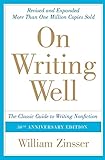
"The passive voice is the refuge of people who do not want to be responsible for what they said. Say what you mean, ask for what you want, and the reader will respect the clarity." William Zinsser, On Writing Well
Handling the Third Follow-Up
Most professionals agree that three follow-ups is the maximum before you stop damaging the relationship. The third one is a different creature from the first two. It closes the loop rather than asking again.
Subject: Closing the loop on [topic]

Hi [Name],

I have reached out a couple of times about [topic], and I do not want to clog your inbox any further. If this is something you would like to revisit down the road, I would be glad to reconnect when the timing is better. Otherwise, I will let this one rest.

Wishing you a great [rest of the month / quarter / season].

Best,
[Your Name]
This template leverages loss aversion. The recipient suddenly realizes the thread is closing and often replies with either a real answer or a "do not close this yet." Either outcome is better than continued silence.
Cultural Sensitivity in Follow-Up Timing
Not every professional culture views a three-day follow-up as polite. American and Northern European cultures treat quick follow-ups as a sign of diligence. Other cultures see them as pressure.
In Japanese business contexts, waiting 10 to 14 business days and using more formal honorifics is considered respectful. Referencing the relationship rather than the transaction often lands better.
In Middle Eastern business cultures, an initial reconnection around family, health, or shared experience is typical before any reminder of the request.
In German and Swiss contexts, a very direct follow-up is not only tolerated but preferred. Excess warmth can feel evasive.
"What looks like efficiency in Munich can look like rudeness in Mumbai. Follow-up timing is one of the most culturally loaded variables in professional email." Erin Meyer, The Culture Map
When in doubt, mirror the pace and tone of the other person's initial message. Someone who replied in five formal paragraphs probably expects a similar register in your follow-up.
Following Up Across Channels
Email is not the only channel. Sometimes a polite follow-up means moving to a different medium entirely.
A short LinkedIn message referencing the email thread often gets a response where email has failed, because LinkedIn is checked less frequently and a new message there feels novel rather than redundant. A quick message on Slack or Teams can work with internal contacts who process email in bulk at the end of each day.
A brief voicemail or a two-sentence text can break through for time-sensitive requests, though these should be reserved for established relationships.
When you switch channels, reference the email thread explicitly. "I sent a note last week about the vendor review and wanted to flag it here in case email is not the best way to reach you this week." This frames the channel change as service, not surveillance.
Using Tools to Stay Organized
Professional follow-up at scale requires light systems. Building the habit of tracking every outreach and the next scheduled follow-up makes the difference between reliable professional communication and dropped threads.
Most email clients now include built-in reminders. Gmail's "Snooze" and "Nudge" features automatically surface unanswered threads. Outlook's "Follow Up" flag does the same. Dedicated tools like Boomerang, Mixmax, and Yesware provide richer data on open rates and response patterns.
For longer messages and content review, copying your draft into a clean interface like the word counter at File Converter Free before sending helps you trim toward that 120-word target. For professionals balancing writing tasks with focus work, the productivity patterns at When Notes Fly offer compatible approaches to batching email tasks. If your follow-up volume is high because you are managing a job search, pairing the advice here with credential validation through Pass4Sure can give your follow-ups a fresh and specific new angle each time.
Psychological Principles That Drive Polite Follow-Up Success
Why do some follow-ups get replies and others get ignored? The mechanics trace back to four well-studied psychological levers.
Reciprocity. If your follow-up delivers something useful before asking again, even a single link or a relevant fact, the recipient feels mild social pressure to respond. This is Robert Cialdini's first law of influence at work.
Commitment and consistency. A person who expressed interest in your first email is psychologically primed to stay consistent with that interest if reminded. The follow-up reactivates the earlier implied commitment.
Loss aversion. The "closing the loop" email works because people weigh losses more heavily than gains. The prospect of losing the opportunity to respond mobilizes more action than the prospect of gaining by responding.
The Zeigarnik effect. Unfinished tasks occupy mental real estate. Your first email created an open loop. Your follow-up nudges that open loop back into awareness, where it becomes harder to keep ignoring.
Understanding these levers does not mean manipulating anyone. It means designing messages that make the healthy response, a reply, easier than the unhealthy one, continued silence.
Turning the Follow-Up into a Habit
The professionals who are known for reliable communication do not rely on memory. They build small habits that make follow-up automatic.
Every time you send an initial email that requires a response, immediately create a calendar reminder or task for the planned follow-up date. This single habit eliminates 90 percent of dropped threads.
Set aside a fixed 20-minute block each morning for follow-ups only. During that block, review open threads, send scheduled follow-ups, and close the loop on threads that have gone silent for more than two weeks. The tax preparation and document workflow patterns discussed at Corpy illustrate how small daily habits compound into professional reliability over quarters and years.
Track outcomes for a month. Note which templates, timings, and phrasings produce replies. After 30 days, you will have enough personal data to refine your approach far beyond any generic advice.
"The most underrated skill in business is the ability to finish what you started in someone else's inbox. It sounds small until you meet the people who cannot do it." Josh Bernoff, Writing Without Bullshit
Polite follow-up is not about persistence for its own sake. It is about respecting the other person's time while also respecting your own purpose. When you strike that balance, the silence stops feeling like rejection and starts feeling like the normal texture of professional life, through which patient, thoughtful, respectful communication continues to move.
For more on professional communication craft, see our guide on how to write follow-up emails that get responses and our deep dive on common grammar mistakes professionals make.
References
Cialdini, R. B. (2006). Influence: The Psychology of Persuasion. Harper Business. https://www.influenceatwork.com/
Handley, A. (2014). Everybody Writes: Your Go-To Guide to Creating Ridiculously Good Content. Wiley. https://annhandley.com/everybodywrites/
Zinsser, W. (2006). On Writing Well: The Classic Guide to Writing Nonfiction. HarperCollins. https://www.harpercollins.com/products/on-writing-well-william-zinsser
Meyer, E. (2014). The Culture Map. PublicAffairs. https://erinmeyer.com/book/
Bernoff, J. (2016). Writing Without Bullshit. Harper Business. https://withoutbullshit.com/book
Yesware Research. Email Response Rate Data. https://www.yesware.com/blog/email-response-rates/
Harvard Business Review. How to Write Email That Gets Action. https://hbr.org/2016/11/how-to-write-email-with-military-precision
Grammarly Blog. Follow-Up Email Templates and Tips. https://www.grammarly.com/blog/follow-up-email/
Frequently Asked Questions
How long should you wait before sending a polite follow-up email after no response?
The waiting window depends on context. For cold outreach, wait 3 to 4 business days before the first follow-up. For job applications, 7 to 10 business days is standard. For proposals and quotes, 3 to 5 business days is appropriate. For internal follow-ups with colleagues, 2 to 3 business days works. Research from Boomerang and Yesware shows that Tuesday mornings in the recipient's time zone produce the highest response rates. A single well-timed follow-up can lift response rates by 21 to 40 percent compared to sending nothing at all.
What is the best subject line for a follow-up email after no response?
The strongest subject lines reference the original topic specifically and thread the original conversation. Examples that work include Re: followed by the original subject, Following up on [specific topic], or Quick bump on [topic]. Avoid vague phrases like Just checking in, Touching base, or Still hoping to hear. These read as filler and invite the reader to skip. Subject lines between 6 and 10 words achieve the highest open rates according to Mailchimp research. Exclamation marks and the word Urgent consistently reduce open rates.
How do you politely follow up without sounding pushy?
The trick is to add new value rather than repeat your original request. Mention a fresh data point, a new timeline, or a simpler version of the ask. Do not apologize for writing and do not use phrases like Per my last email or Sorry to bother you. End with a low-friction option like A yes, no, or try me later all work for me. This gives the reader an easy exit that, counterintuitively, increases the likelihood they will choose an actual answer. Research on reciprocity and the Zeigarnik effect supports why adding value outperforms repetition.
How many follow-up emails is too many?
Professional consensus supports a maximum of three follow-ups before closing the thread. The first follow-up goes out 3 to 7 days after the original email depending on context. The second goes out 5 to 7 days after the first. The third is a closing-the-loop message that signals you will not write again. Beyond three, response rates drop sharply and relationship damage begins. The third follow-up often generates the highest reply rate of the sequence because loss aversion kicks in when the reader realizes the thread is about to end.
Should you apologize for following up?
No. Apologies like Sorry to bother you or I hate to be a pest undermine your credibility and frame your email as an imposition. You are conducting professional communication, not interrupting someone's vacation. Replace apology with value by saying Wanted to share a quick update or I have a new angle on this. Writing experts from Ann Handley to William Zinsser consistently flag the apologetic follow-up as one of the most common reasons professional emails fail to earn replies.
What should you include in a second follow-up email?
The second follow-up should acknowledge the gap, offer a simpler version of the ask, and reduce friction for the reader. Keep it under 100 words. Do not repeat the original message. Offer an alternative path, such as a shorter meeting, a yes or no reply, or a deferred timeline. Referencing a specific new development since your first email reactivates interest without pressure. Many professionals find that the second follow-up, not the first, is the one that actually earns the response.
Can you follow up on a weekend?
You can, but Monday morning delivery is often better. Follow-ups sent on weekends usually get processed Monday morning along with the full weekend backlog, which means your email competes with a crowded inbox at the worst possible time. Scheduling your follow-up to land between 6 and 10 a.m. Tuesday in the recipient's time zone produces the highest open and reply rates according to Boomerang and Yesware data. Tools like Gmail's Send Later, Boomerang, or Mixmax make this scheduling effortless.


![The Elements of Style [Illustrated]](https://images-na.ssl-images-amazon.com/images/P/0143112724.01._SL200_.jpg)